

 Guide updated by Stephanie Heron on 10 December 2025
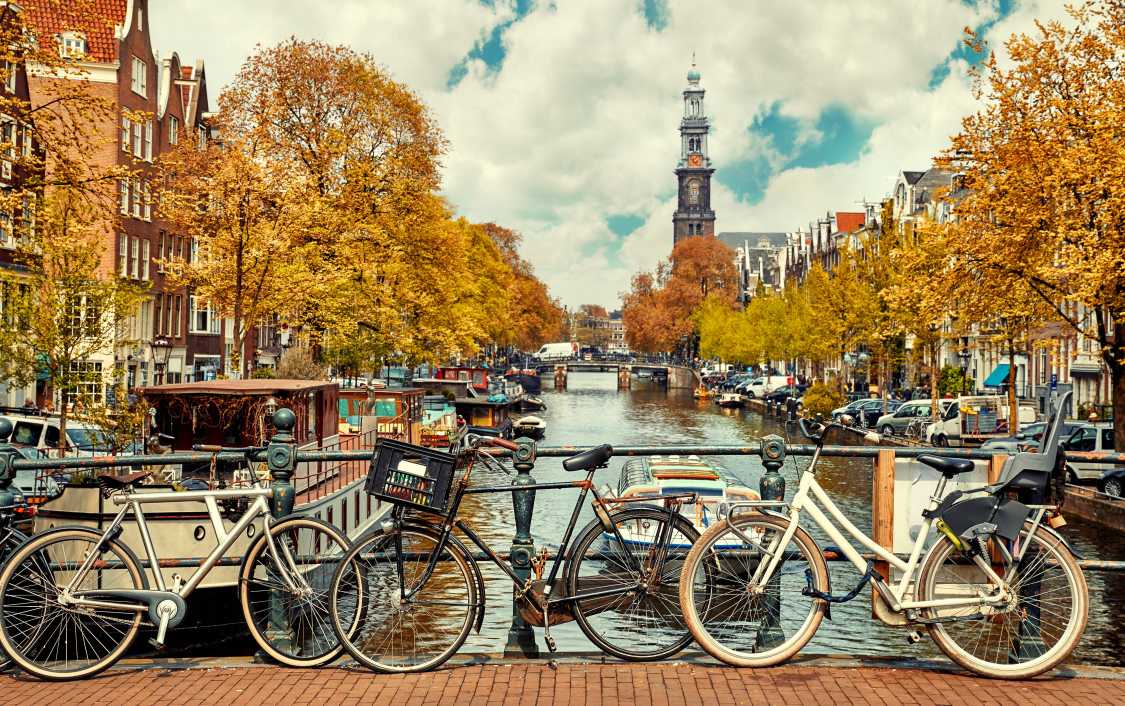
The Netherlands attracts numerous expatriates every year, drawn by its dynamic economy, high quality of life, and international openness. The country has around 18 million inhabitants, of whom nearly 10% are foreigners. The French community, estimated at over 50,000 people, primarily resides in Amsterdam, Rotterdam, Utrecht, and The Hague.
5 good reasons to choose the Netherlands
- A strong and stable economy: the fifth-largest economy in the Eurozone, with many job opportunities.
- An excellent education system: internationally renowned universities and over 2,000 programs available in English.
- A high quality of life: modern infrastructure, an effective healthcare system, safety, and a great work-life balance.
- A multicultural environment: a cosmopolitan population, widespread English proficiency, and an open-minded attitude.
- A strategic geographic location: at the heart of Europe, with easy access to major European capitals.
The Expat.com guide has been designed to help you prepare your move to the Netherlands under the best conditions. You will find all the essential information regarding visas, employment, housing, healthcare, education, daily life, and local integration.
Official language: Dutch (English widely spoken) | Local currency: Euro (€) | Time difference with France: None | Flight duration Paris - Amsterdam: About 1h20 |
Your setup journey
Guide in 14 steps. Click any step below to jump directly to the section you need.
01Where to live in the Netherlands?
Choosing where to settle in the Netherlands depends on your lifestyle, professional situation, and priorities. The country offers a wide variety of environments, from bustling cosmopolitan cities to more tranquil mid-sized towns.
- Amsterdam, the capital, enchants with its vibrant cultural scene, an attractive job market, and its international atmosphere. It hosts numerous businesses and offers a lively urban life, though housing costs here are among the highest in the country.
- Rotterdam, the Netherlands' second-largest city, draws people in with its modern architecture, a strategic port, and a cost of living that is slightly more affordable. It provides excellent opportunities in logistics, trade, and engineering.
- Utrecht, a vibrant university city, offers a pleasant living environment with a well-preserved historic center. It particularly appeals to families and young professionals looking for a calm environment while still being well-connected to major employment hubs.
Other cities such as The Hague (home to international institutions), Eindhoven (a tech hub), or Maastricht (close to Belgium and Germany) also offer appealing living conditions depending on your needs.
Before settling down, it’s advisable to visit several cities to assess the available services, transport, and local vibe.
Explore our city guides
02Formalities and visas in the Netherlands
If you're planning to move to the Netherlands, there are certain administrative steps that you need to complete. These requirements vary depending on your nationality and the length of your stay.
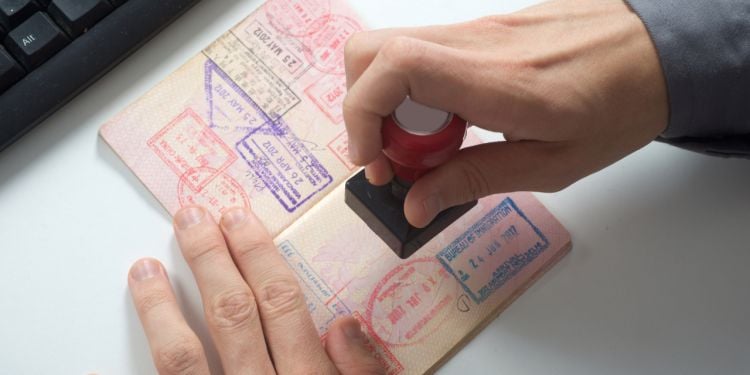
French and European citizens do not require a visa to enter the Netherlands and can freely move about with a valid identity card or passport. However, if you plan to stay for more than four months, you must register with the local municipality in the BRP (Personal Records Database) to obtain a BSN number (Burgerservicenummer). This number is essential to work, open a bank account, rent accommodation, or access health services.
For non-European citizens, you will need a long-stay visa and a residence permit. Applications can be submitted to the Dutch Immigration Service (IND).
💡 Useful tips
- Start your registration process as soon as you arrive.
- Have your essential documents ready, including certified translations if necessary.
- Regularly check the IND website to stay updated on current regulations.
- For assistance, the French Embassy in The Hague and the General Consulate in Amsterdam are valuable contacts.
Join the discussion on the forum
03Working in the Netherlands
The Netherlands boasts a dynamic and expat-friendly job market. It ranks among the strongest economies in Europe. The tertiary sector significantly dominates the economy, accounting for nearly 78% of jobs, particularly in financial services, logistics, information technology, healthcare, and international trade. English is widely used in professional settings, making it easier for expatriates to integrate, although proficiency in Dutch is still a valuable asset. The country is home to numerous multinationals (such as Shell, Unilever, Philips, and ING) and encourages entrepreneurship through advantageous taxation and simplified procedures.
In-demand profiles:
- Web developers, data analysts, IT engineers
- Healthcare professionals (doctors, nurses, medical technicians)
- Finance and accounting specialists
- Mechanical, aerospace, and construction engineers
- Logistics and supply chain experts
💡 Key takeaways
- The job market is competitive but offers many opportunities, especially for qualified professionals.
- The legal work duration is typically between 36 and 40 hours per week, depending on the sector and type of contract.
- It’s relatively easy to start a business, and it has favorable tax conditions, with a progressive corporate tax rate.
- Highly skilled workers can benefit from the 30% ruling, an advantageous tax reduction.
Unemployment rate: 4% by 2025 | Legal work duration: 40 hours per week, up to 60 hours maximum | Minimum wage: €14.40 (July 2025) | Income tax: Progressive, ranging from 9.32% to 49.50% | Corporate tax: 19% up to €200,000, then 25.8%; VAT at 21% |
Discover more

04Accommodation in the Netherlands
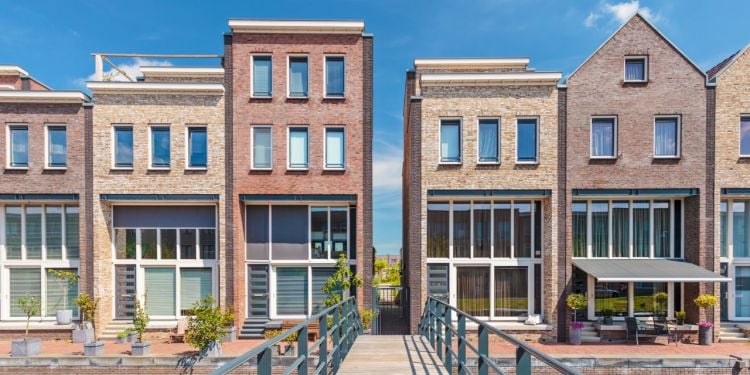
Finding accommodation in the Netherlands can be one of the main challenges faced by expatriates, especially in Amsterdam, Rotterdam, Utrecht, and The Hague. The market is currently experiencing a housing shortage, which has led to high rents and significant competition. Renting is still the preferred option for accommodation, with leases typically lasting for a renewable one year. In Amsterdam, prices are notably high, especially in the city center. Expect to pay between €1,500 and €2,600 per month for a one-bedroom apartment, and between €3,000 and €5,500 for a three-bedroom apartment. Additional utilities are not always included in the rent and can add around €100 to €230 per month.
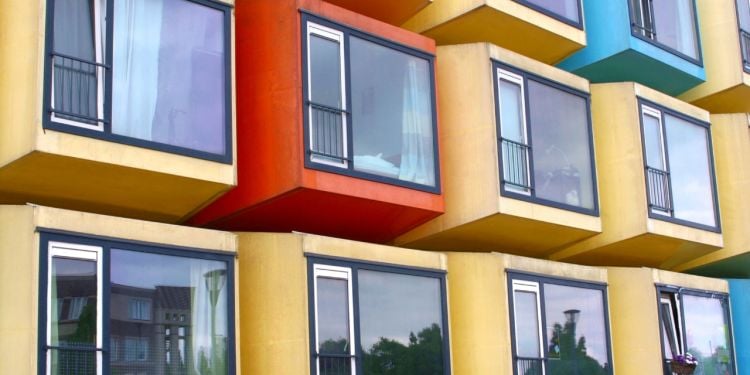
Student housing is in high demand: many students choose to share a room, with rents usually falling between €600 and €950 per month. While property purchase is allowed for foreigners, the high prices, frequent bidding wars, and purchase fees of around 10 to 13 % of the property's price make it a project that requires careful planning.
05Cost of living in the Netherlands
The Netherlands is known as one of the European countries with a high cost of living, especially in cities like Amsterdam, Rotterdam, and Utrecht. Housing is by far the largest expense and has a significant impact on your overall budget. On average, expect to budget between €2,500 and €4,300 per month minimum for a single person, and between €5,600 and €10,800 for a family of four.
Here are some estimated monthly expenses to give you a clearer idea of the cost of living in the Netherlands:
For a single person | For a family of 4 | |
Groceries | €350 to €550 | €750 to €1,200 |
Public services (water, electricity, internet, phone...) | €180 to €260 | €280 to €420 |
Health (including mandatory health insurance) | €180 to €260 | €420 to €650 |
Leisure & outings | €150 to €300 | €400 to €700 |
Education (if you have children) | / | €400 to €1,600 per month per child |
Rent | €1,500 to €2,600 | €3,000 to €5,500 |
Transportation | €60 to €150 | €180 to €400 |
Subscriptions (gym, clubs, streaming platforms...) | €50 to €100 | €100 to €200 |
Imported products (organic, cheeses, wines...) | €60 to €150 | €150 to €300 |
Income tax | progressive tax rates, from 9.32% to 49.5% based on income | progressive tax rates, from 9.32% to 49.5% based on income |
Join the discussion on the forum
06Health care in the Netherlands
The Dutch healthcare system is based on a mandatory basic health insurance scheme managed by private insurers in competition. Every resident is required to purchase a basic insurance policy that provides minimum coverage defined by law. The general practitioner serves a central role as the first point of contact for referrals to specialists and hospital services.
Basic insurance typically costs between €150 and €200 per month, depending on the insurer and the deductible level chosen. The Dutch authorities set a mandatory annual deductible of at least €385 that all policyholders must pay. This is a global annual deductible applied to specific care (medications, specialists, hospital) rather than a per-visit deductible. Once this amount is reached during the year, the most relevant care is fully covered by the insurance. It is possible to voluntarily increase this deductible in tiered steps, up to €885. The higher the chosen deductible, the lower the monthly premium, which helps reduce insurance costs for individuals in good health or those who seldom seek medical care. Conversely, opting for the minimum deductible provides better immediate protection but comes with a higher monthly premium.
Consultations with the general practitioner are always 100% covered and are never deducted from the deductible. Specialist consultations typically cost between €100 and €200, but the actual amount paid by the patient depends on the remaining deductible. Hospital admissions are well covered, even though the gross costs can reach thousands of euros depending on the length of stay and treatments received. A straightforward childbirth typically costs between €2,000 and €4,000 in public healthcare, with higher charges in private healthcare or for specific services.
Many expats opt for supplementary insurance to cover dental care, optical services, physiotherapy, or certain treatments not included in the basic insurance. These supplementary plans range from €10 to €100 per month, depending on the coverage provided. In some sectors, employers include health insurance in the salary package, but it's advisable to carefully check the limits and exclusions.
💡 Important to know
- No vaccinations are required to reside in the Netherlands, but it's advisable to stay up to date with common vaccinations.
- The emergency number is 112. Emergency services are effective throughout the country.
- The Dutch medical approach tends to be cautious and favors non-intervention, which may surprise expatriates accustomed to more interventionist systems.
- Wait times for consulting a specialist in the public system can be several weeks. The private sector offers shorter wait times, but at higher costs.
Discover more



Join the discussion on the forum
07Finance and banks in the Netherlands
Effectively managing your finances is a crucial step toward settling in the Netherlands. The Dutch banking system is modern, reliable, and well-regulated, featuring reputable banks like ING, ABN AMRO, and Rabobank. As a member of the Eurozone, transactions are straightforward for Europeans. The Dutch tax system may seem complex at first, but it becomes much clearer once you understand the three "boxes" involved. Expats can rely on official resources from the Belastingdienst and the Expat Centers for free support, turning to a tax advisor only in specific situations (such as income from multiple countries, assets abroad, 30% ruling, etc.).
💡 Our tips
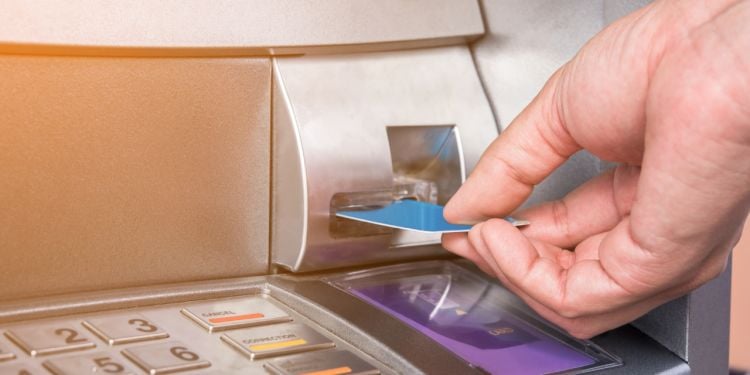
- Open a local bank account as soon as you arrive. Major Dutch banks offer services in English and allow you to set up your account online. A BSN and proof of residence are required to finalize your registration.
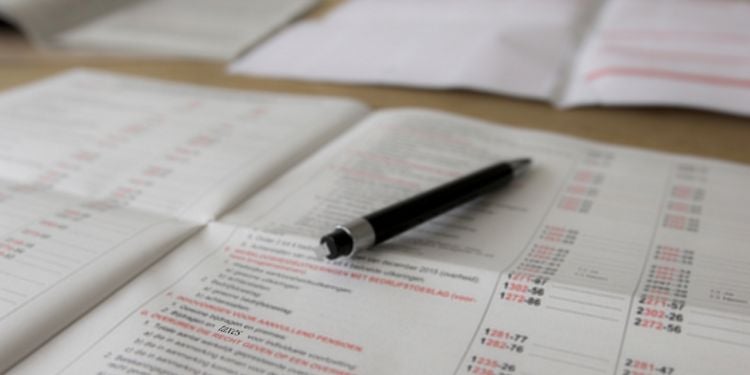
- The Dutch tax system is based on three "boxes": income from work (Box 1), income from participation in a company (Box 2), and assets (Box 3). You must file your return online each year via the Belastingdienst website.
- If you retain a French bank account, make sure to declare it to the tax authorities in the country where you are a tax resident. Undeclared foreign accounts can result in penalties.
- The tax treaty between France and the Netherlands helps avoid double taxation. Check your tax residency status to determine where your income should be taxed.
- For international transfers, services like Wise or Revolut often provide better exchange rates and lower fees than traditional banks.
08Retirement in the Netherlands
The Netherlands may not be the top choice for retirement destinations among the French, but the country has its appeal for those considering it as their retirement home. Most foreign retirees here are former expatriates who have spent several years working in the country, particularly in finance or technology. Retiring in the Netherlands requires thorough preparation, as the local system is significantly different from the French system.
3 major benefits
- Solid retirement system: The Netherlands has a well-structured three-pillar system. This includes: a basic pension (AOW) paid to all residents who have lived in the country for a sufficient number of years, mandatory occupational pensions in many sectors, and an optional individual retirement savings scheme.
- High quality of life: Modern infrastructure, efficient public transport, a high-performing healthcare system, and a pleasant living environment.
- Clear taxation: Pension tax regulations are well-defined, making the administrative management easier for expatriates.
💡 Important information
- The legal retirement age is set at 67 years until 2027, after which it will gradually increase (67 years and 3 months in 2028).
- The AOW (General Old Age Pensions Act) is calculated based on the number of years of residence in the Netherlands between the ages of 15 and 67: each year of residence earns 2% of the pension, resulting in 100% after 50 years of residency.
- Taxation depends on the nature of the pension: French public pensions remain taxable in France, while private and supplementary pensions are taxed in the Netherlands with anti-double taxation mechanisms.
- French expatriates can voluntarily contribute to the Caisse des Français de l’Étranger to complement their future pension.
- To live comfortably in the Netherlands, it is recommended to have a net monthly income of about €3,500 to €4,500 per person, depending on the city and lifestyle.
09Studying in the Netherlands
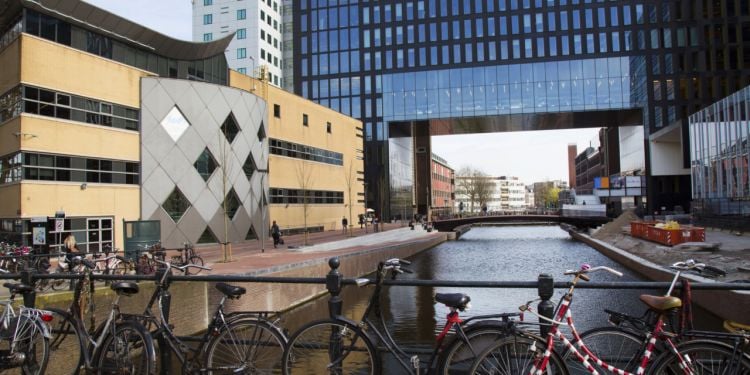
The Netherlands attracts a growing number of international students each year, thanks to the renowned quality of its educational system and the diversity of its academic offerings. The country is home to 14 research universities and nearly 40 universities of applied sciences, with several ranking among the best in the world. Among the most prestigious institutions are: the University of Amsterdam, Utrecht University, Leiden University (the oldest in the country, founded in 1575), Delft University of Technology (engineering), Erasmus University Rotterdam (economics and management), and Maastricht University (social sciences and law).
Why study in the Netherlands?
Dutch universities offer over 2,000 programs taught entirely in English. The education system emphasizes practical experience, critical thinking, and group work, providing an internationally recognized learning experience. Tuition fees remain affordable for European students, averaging around €2,600 per year at public universities. Students also benefit from a pleasant living environment in dynamic and safe cities. However, finding housing can be challenging, especially in major university cities.
💡 Our tips
- Plan your applications via Studielink, the centralized registration platform (often before January 15 for selective programs).
- A good level of English is essential: universities typically require a TOEFL iBT score of 80–90 or an IELTS score between 6.0 and 6.5.
- Look for housing as early as possible, as university residences are limited.
- Check for scholarships offered by the Franco-Dutch Network (RFN) or the Dutch government.
Discover more
10Education and schools in the Netherlands
The Dutch education system is well-known for its quality and clear organization. Schooling is mandatory from the age of 5, although most children start at 4. The educational journey is divided into two phases: primary school from ages 4 to 12, followed by secondary school from ages 12 to 18. After a common first year, students are directed towards three tracks: VMBO (vocational), HAVO (general), and VWO (pre-university).
Types of schools:
- Public Schools: Known as openbare scholen, these are fully funded by the state and free for all residents. Instruction is mainly conducted in Dutch and follows a national curriculum, with a strong emphasis on autonomy among schools. This type of institution promotes a quick integration into Dutch society and an intensive learning of Dutch.
- Private Schools: The majority of Dutch schools fall under the category of "bijzondere scholen,” private institutions that are subsidized by the government, making them free. They can be faith-based (Catholic, Protestant, Muslim, etc.) or offer specific pedagogies such as Montessori, Dalton, Jenaplan, or Steiner. They operate similarly to public schools but have greater freedom in their educational approaches. Families may occasionally pay a modest voluntary fee.
- French Schools: The network of AEFE is present in the Netherlands through three establishments: the Lycée Français Vincent van Gogh in The Hague (from preschool to final year), its branch, École Française d'Amsterdam for preschool and primary levels, and the International French School of Amsterdam (IFSA), which offers a bilingual French-English education up to Year 4. The annual tuition fees range from approximately €7,500 to €11,500 for primary and between €10,500 and €15,000 for secondary, depending on the level and institution.
- International Schools: These are numerous in the Netherlands and offer courses in English, German, or other languages. They generally follow IB, British, American, or European curricula. Among the most recognized institutions are the International School of Amsterdam, the British School of Amsterdam, the American School of The Hague, and the European School Bergen. Annual fees vary widely, from €4,600 to €31,000, depending on the program and the child's age.
💡 Practical tips
- Enrollment often needs to be done several months in advance, particularly for French and international schools.
- Some schools require an admission test or a minimum level in the language of instruction.
- The school year begins in late August or early September and ends in June or July, with four holiday breaks.
Join the discussion on the forum
11Moving to the Netherlands
Preparing for an international move to the Netherlands requires careful planning and organization. From the transport of your belongings to the administrative formalities and settling in at your new home, several key elements deserve particular attention to ease your transition.
- Compare quotes from international moving companies, ensuring they include comprehensive insurance for your belongings during transport.
- Gather all your essential official documents (birth certificates, diplomas, driver’s license, proof of income, bank references) and, if needed, have them translated into Dutch or English by a qualified sworn translator.
- Be prepared for customs procedures, even though they are simplified within the EU. A detailed inventory of your personal effects may be required, especially for valuable items.
- Check the compatibility of your electronic devices. The Netherlands uses type C and F plugs with a voltage of 230V / 50Hz, like in France, reducing the need for adapters.
- Remember to notify your bank, postal services, and French authorities about your change of address before you leave.
- If you are moving with a pet, ensure it has a microchip, an up-to-date European passport, and a valid rabies vaccination.


Join the discussion on the forum
12Everyday life in the Netherlands
Living in the Netherlands means embracing a lifestyle that is calm and balanced. The country is noted for its consensus culture, strong organizational skills, and open-mindedness. Expats generally appreciate the high quality of life and the simplicity of everyday interactions.
Key points
- Punctuality is highly valued: appointments, even informal ones, are scheduled in advance, and arriving on time is considered a sign of respect.
- Communication is open and direct. The Dutch express their opinions candidly, a style that may come as a surprise but reflects a culture of transparency.
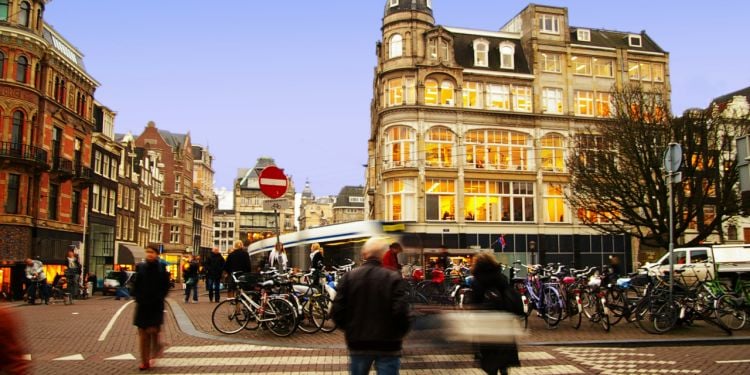
- Cycling is the dominant mode of transportation. The cycling infrastructure is excellent, and using a bike daily greatly aids in integration.
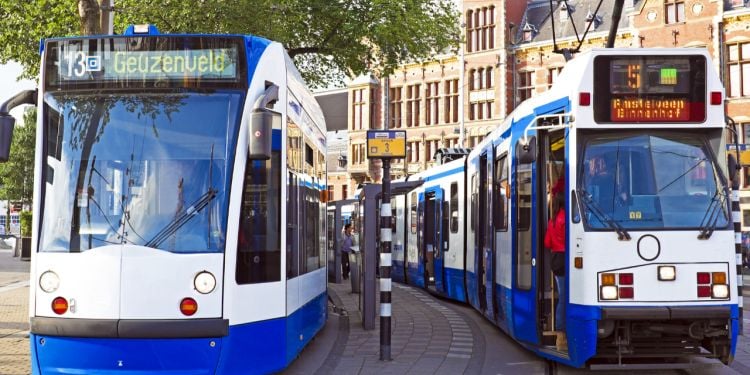
- Public transportation (trains, trams, buses) is reliable, frequent, and well-connected through the OV-chipkaart, which is usable throughout the country.
- Internet and mobile phone services are of very good quality in the Netherlands, with extensive fiber and 5G coverage across the country. A fixed internet subscription costs on average €40 to €50 per month, while a standard mobile plan ranges around €20 to €30 per month.
- Education in independence is central: children often travel alone by bike starting from primary school, a cultural aspect that can sometimes surprise expat families.
- Dating apps are widely used, as the Dutch are generally open to meeting people through these platforms.
Discover more





13Leisure in the Netherlands
The Netherlands boasts a rich cultural and social life, where the balance between work and personal life is particularly valued. The country attracts visitors with its world-renowned museums, a vibrant music scene, friendly cafés, and a wide range of outdoor activities. The Dutch place great emphasis on leisure, and expats quickly embrace this lifestyle focused on well-being and sociability.
A must-see
- Cycling is a true way of life, with thousands of kilometres of cycle paths allowing you to safely explore both cities and countryside.
- The culture of terraces and borrels, those enjoyable moments after work where colleagues and friends gather over a drink and some bitterballen in traditional cafés.
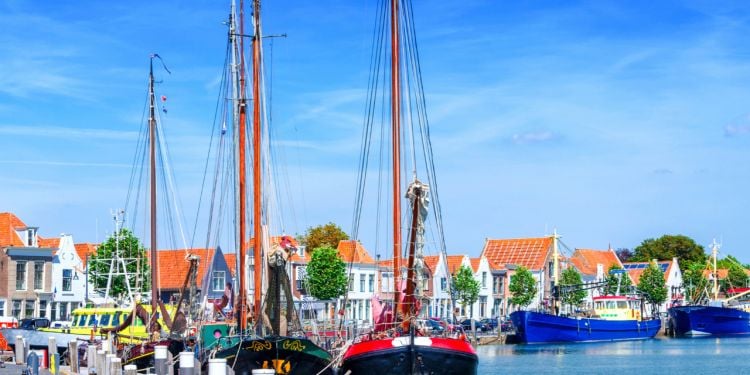
- Water activities on the canals, lakes, and the North Sea, ranging from paddle boarding to sailing or kitesurfing, as well as ice skating during sufficiently cold winters.
Discover more
14Essential takeaways
Prepare for your administrative tasks: arrival procedures, opening a bank account, understanding the local lifestyle, and any necessary visas.
Take some time to read our articles, especially those on employment, housing, and healthcare in the Netherlands.
Feel free to ask your questions on the Netherlands forum, where the expatriate community shares insightful tips and experiences!
To integrate, adopt local habits: frequent bicycle use, direct communication, and a strong sense of organization.
Moving to the Netherlands means choosing a tolerant, well-organized, and forward-thinking country. To ensure your success, thorough preparation is key. We hope this Expat.com guide has provided you with the essential tools to set up your new life and make the most of your experience in the Netherlands.
Join the Netherlands community
Get regular tips and advice to make the most of your expat life
Essential services for your expat journey






Forum topics on living in the Netherlands
Discover forums topics on expat life in the Netherlands: join the conversation, ask your questions, get advice and share your experience.
- MVV is taking too long
- Starting a job in the Netherlands without a Dutch registered address
- Tips on finding a rental apartment in Eindhoven
- Can I work remotely in the Netherlands for a US-based company?
- English speaking (international) school in Zwolle
- Filipino Community in Netherlands
- Living in Netherlands, working for a UK company
- What are your MVV experiences?
- Job in the Netherlands
- Inburgeren A2 Exam Experience
- My employer messed up my tax ruling
- Experience Verification Against EU law
- Clinical psychologists with foreign degrees and no Dutch language
- Traveling Abroad While Verification Against EU Law Application Ongoing
- Dutch work permit with a DUI
- Advice Needed - Going abroad for 3 months without a residence address