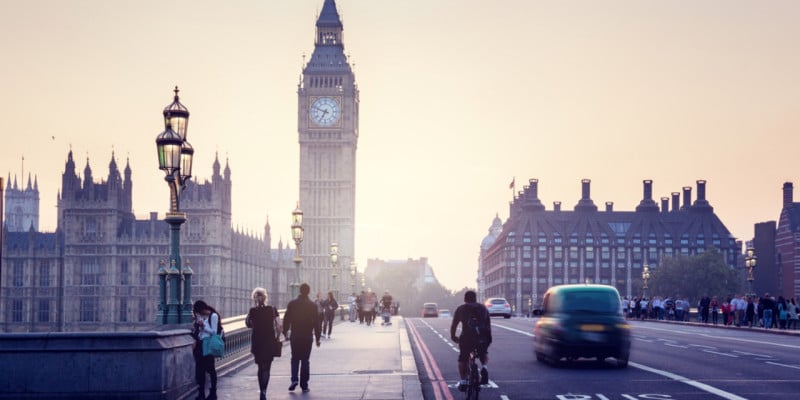
So, you're considering London? Or perhaps you've already made the leap and you're now wondering what you've gotten yourself into. Either way, you're in for quite an adventure. As England's capital city, London isn't just another European capital - instead, it's a place that's steeped in history and cultural heritage. It's a city that somehow manages to be ancient and cutting-edge, expensive and accessible, and overwhelmingly massive and surprisingly intimate (once you know where to look).
With nearly 10 million people calling Greater London home, life here as an expat means you'll be joining one of the most diverse cities on the planet. We're talking about over 270+ nationalities and over 300 languages spoken here, which means whatever your background, you're likely to find your community here.
But here's what the tourism brochures don't tell you: London takes some getting used to, even for seasoned expats.
The weather really is as unpredictable as you'd expect in England, the property market can feel brutal - and yes - everything costs more than you'd expect. Do stick with it, though, because once London clicks for you, it really does click.
The first thing that strikes most newcomers about London is just how international it feels. This applies to expats and individuals across England who may not necessarily visit the capital a lot.
Walk down any street in Zones 2 or 3 (more on these later) and you'll hear a dozen languages before you reach the corner shop. This diversity is a testament to the city's ability to welcome people from around the globe.
It isn't just window dressing, either - diversity is woven into the fabric of daily life here. Your local GP might be from Nigeria, your child's teacher could be Australian, and your favourite restaurant is probably run by a family from Bangladesh who've been perfecting their recipes for three generations.
What's fascinating for many expats is how this multiculturalism coexists with distinctly British customs that haven't budged in decades. After all, Londoners will still queue patiently for a bus while having animated phone conversations in Mandarin.
The cultural scene here is world-class too, but here's the insider tip: you don't need to break the bank to access it. Many of London's best museums (there are 192 museums in total) are completely free - the British Museum, Tate Modern, National Gallery, V&A - with the only catch being that they're packed on weekends and during school holidays.
London's four UNESCO World Heritage Sites (Tower of London, Greenwich, the Palace of Westminster and Kew Gardens) are worth visiting, but honestly, some of the city's best cultural experiences happen in smaller venues. The Roundhouse in Camden, the Barbican, or even just your local pub's quiz night - these are the places you'll be able to better connect with London's living culture.
One thing that catches many expats off guard here is how casual London's dress code has become. Despite being a global fashion capital, off the runway, the actual style here leans heavily toward practical and understated. You'll see investment bankers in trainers, creatives in vintage coats, and everyone in between wearing whatever works for them (and the weather).
Get regular tips and advice to make the most of your expat life
Geography of London and getting your bearings
Since London sprawls across 610 square miles, nobody would blame you for being overwhelmed as an expat moving here. It sounds massive, admittedly, but once you realise how well-connected everything is, getting around doesn't seem quite as daunting.
The River Thames cuts right through the middle, which creates a natural north-south divide that actually matters more than you might think. South London has its own character - grittier, more affordable with better nightlife. North London tends to be leafier and more expensive, especially as you head towards areas like Hampstead and Highgate.
Navigating London's zones as an expat
Given the fact that there are 32 London boroughs and the City of London to navigate here, the zone system is your new best friend. There are six zones in total.
Zone 1 is Central London - think Oxford Street, Covent Garden, Kings Cross Station. This is where you'll find tourists congregating and where you'll likely work if you're in finance or law.
Zones 2 and 3 are where most expats choose to settle because you get more space for your money while still having decent transport links.
Then, when you venture into Zones 4 to 6, you're looking at proper suburbs - places like Richmond or Bromley, where you might actually have a garden and parking space.
Consider your travel costs
What nobody tells you about the zones, though, is that your travel costs can multiply quickly, so we'd advise you to do the math before you fall in love with a house in Zone 6 but need to commute to your office located in Zone 1.
Contactless is the easiest way to pay as you get around. Gone are the days of relying on an Oyster card only. If your smartphone or card has contactless technology, you can use London's transport network at the same rate you would by using an Oyster card.
Of course, for expats still needing to use an international card (and pay fees on every transaction), then an Oyster card is still the best way.
London's political setup is uniquely complex, even by England's standards.
‘Greater London', as we've mentioned, is made up of 32 individual London boroughs as well as the historic City of London. Most local government functions are carried out by the London borough councils, and they're responsible for:
Education;
Housing;
Planning;
Highways;
Fire;
Social services;
Leisure and recreation;
Waste collection and disposal;
Environmental health.
They're also ‘collection authorities', which means they're responsible for collecting your council tax.
Then there's a second tier of local government: The Greater London Authority (GLA). Created in 2000 to help give London a unified voice and improve coordination between the boroughs, the GLA is led by the Mayor of London and its work is scrutinised by the London Assembly.
Why does this matter to you as an expat? Because your day-to-day experience will vary depending on which borough you choose to live in.
Camden Council may be brilliant at organising cultural events, but terrible at fixing potholes. Tower Hamlets could have excellent schools but limited parking. Each borough sets its own council tax rates, too. These are notoriously expensive and as a result, your local council could charge you hundreds of pounds depending on where you live.
There's no getting around the fact that London is expensive to live in, but it's also where the money is. The city remains Europe's financial capital and one of the world's top three financial centres globally.
The financial district (the City) and Canary Wharf are obvious employment hubs, but don't overlook areas like King's Cross, which has become a major tech cluster, or Shoreditch, where creative agencies and startups congregate. West London hosts several multinational headquarters - like Disney, Diageo, British Airways, Sky and Cisco - who often have a better work-life balance than their City counterparts.
Competition is fierce, though, and the visa landscape has become increasingly challenging. EU nationals no longer have automatic work rights, and the skilled worker visa requirements have been significantly tightened in 2025.
That said, if you have in-demand skills - particularly in healthcare, tech or specialised finance - London remains one of the few places in England where your career can accelerate rapidly.
Yes, you should see Buckingham Palace and the British Museum, but there is plenty more to do across the city.
Theatre in London
London's theatre scene is unparalleled - not just the West End blockbusters, but smaller venues like the Old Vic, the National Theatre or the quirky productions above pubs in Islington. Many theatres offer day-of tickets at reduced prices if you're flexible, too.
Food in London
The food scene here is huge. Despite traditional British cuisine's mixed reputation, London has evolved into a global culinary hub and offers a wide range of international flavours and dishes.
Expats can expect to find everything from street food markets (Borough Market is a must) to Michelin-starred restaurants - reflecting the city's rich multicultural heritage.
Festivals in London
The city's festival calendar runs year-round, despite the weather. Summer brings massive events like British Summer Time in Hyde Park and the Notting Hill Carnival. Whereas winter brings Christmas markets and ice rinks.
The real gems, though, are the neighbourhood festivals - the Bloomsbury Festival, local food markets, open garden weekends - where you'll actually have a chance to meet locals living nearby.
Pub culture in London
Pub culture is a quintessentially British thing, and while at times it doesn't reflect the best behaviour of Brits, the scene has evolved over the years.
These days, London's pubs (and pubs across England, in fact) are as likely to serve superb coffee and brunch as they are pints and pork scratchings. They serve as community hubs where local business networking happens, where parents meet while their children play, where you'll watch major sporting events with people who'll become friends.
The weather in London is rather unpredictable in ways that can catch even experienced expats off guard. It's not just the fact that it can rain a lot here, it's that you can experience all four seasons in a single day. You know you're in England this way.
Summer temperatures can reach as high as 35°C during heat waves, only to drop back down to a humid, more glum 15°C the next day.
For expats settling in, the key to handling London's weather isn't fighting it - it's adapting your expectations… And your wardrobe. Invest in waterproof outerwear, not just an umbrella. Layer everything. Keep a small umbrella in your bag at all times, even on sunny days, all while learning to appreciate the brief, intense beauty of the city when the sun breaks through the clouds over the Thames.
England overall can be challenging from October through to February for your mental health, particularly if you're used to more consistent sunshine. The combination of short days, gray skies and stress can affect anyone. But this is when London's indoor culture becomes essential - cosy pubs, excellent museums, theatre shows, gigs, and warm cafés where you can sit for a while.
Transportation in London and getting around
As one of Europe's most densely populated cities, it's no surprise that transportation is a bustling, constant affair here. Sure, the transport system is expensive but it's genuinely excellent once you've figured out how to use it properly - and there's several options to choose from.
The London Underground (aka the Tube) is the backbone. There's 272 stations across 11 lines, running from around 5am to midnight (with limited Night Tube service on weekends).
There is also the overground network, Elizabeth line, the DLR. National Rail and the tram.
It's worth downloading the Citymapper app as soon as you arrive; it's more accurate than Google Maps for London's transport, and includes real-time delays. Otherwise, the Transport for London's own website is a useful link to keep handy.
Buses in London
The bus network is underrated by many newcomers. It's cheaper than the tube, runs more frequently in many areas - and you actually get to see the city while travelling.
There are bus lanes in most places so you don't get caught in traffic jams, and buses can often get you to places that trains and the Tube just don't go.
Plus, the unlimited hopper fair makes it much more affordable. If you tap into a bus or tram (for just £1.50), you can catch unlimited buses or trams within the next hour for no additional cost.
And of course - riding in a big red London bus is a must-do experience in our opinion, especially with little ones in tow.
Cycling in London
Cycling in London has exploded in popularity over recent years. The Santander Cycles (still called ‘Boris bikes' by many locals) are great for short journeys. Just turn up at any one of the 800 docking stations across London with a credit or debit card, and off you go.
With that said, serious cyclists should invest in their own bikes and proper locks. London's cycle superhighways are generally well-designed, though some routes do require confidence navigating alongside the traffic.
Walking in London
Finally, walking. This underestimated transport method might surprisingly be the most convenient for where you need to get to. Central London is compact, and so it's often faster to walk from Covent Garden to Oxford Circus than taking the tube during rush hour.
Plus, you'll get to see incredible architecture, hidden gardens and shortcuts that'll help make you feel like a true local.
Safety in London
London is considered one of the world's safest major cities, ranking 14th globally for safety. Police here operate under a ‘policing by consent' model, which means they're generally approachable and helpful rather than intimidating. You'll often see officers giving directions or chatting with locals.
That said, do use common sense. The same precautions you'd take in any major city apply here. Do keep an eye on your belongings in crowded areas, especially on the tube during rush hour. And if you're travelling with young children, keep them close and secure to avoid losing them in a crowd.
London's 24-hour culture means that transport, police and emergency services all operate around the clock. The Night Tube runs on weekends, night buses cover areas the tube doesn't reach, and there are always licensed taxis (Uber anyone?) available.
Finally, most London boroughs also have their own dedicated community safety officers who handle neighbourhood issues.
Call 999 for emergencies
In emergencies, call 999 forpolice, fire or ambulance when living in London (or anywhere in England, for that matter).
Call 101 for non-emergencies
For non-emergencies, 101 connects you to the police for reporting crimes or seeking advice.
Moving to London as an expat, even from other English-speaking countries, still requires a cultural adjustment.
Here's what actually matters for settling in successfully here:
Master the weather mindset
If there's one stereotype of the Brits that's true, it's that they like to talk about the weather. It's a genuine shared experience that bonds people. Complaining about the rain is a social ritual, but you'll soon notice how Londoners never let it actually stop them from doing things.
Your first London winter will surely test you, but invest in proper gear like waterproof outerwear, warm layers and a good pair of boots, and embrace the cosy indoor culture.
The weather changes constantly, so always carry layers, because that bright sunny morning can soon turn into a cold, wet afternoon without warning.
In fact, download a weather app and set notifications. You'll soon be fitting in with the locals doing this.
Navigate transport like a local
Rush hour is a genuinely intense experience on public transport. So, if you can adjust your schedule to avoid peak times, you'll save money and stress.
Learn tube etiquette quickly: stand on the right side of escalators, let passengers off before boarding, remove your backpack in crowded carriages. These unwritten rules will save you from annoying those around you.
Finally, consider getting a bicycle (or using a Boris bike) for journeys under three miles, if you're brave enough.
Embrace British politeness
The ‘please, thank you, sorry' culture in England is solid, and expats are wise to adopt the habit quite quickly. Say please when ordering your coffee, thank the bus driver when you get off, and apologise if you accidentally bump into someone. It sounds excessive, but it will make your daily life more pleasant (and avoid having ‘manners cost nothing' shouted your way).
Queuing is sacred. Jumping queues is one of the few things that will genuinely anger otherwise polite Londons. When in doubt, ask ‘Is this the queue for…?' rather than assuming (although this rule applies to all of England).
Renting? Crack the housing code
London property hunting can be stressful, there's no way about it. Rental properties move fast, so be prepared to decide on the same day for anything decent in your desired area(s).
Have all your paperwork ready: passport, visa, bank statements, employer reference, previous landlord reference.
It's also important to understand your rights as a tenant. Your deposit is protected in a government-approved scheme. Landlords can't enter the property without 24-hour notice except in emergencies and if anything breaks, they're legally required to fix it.
Join activities based on your interests - running clubs, book groups, networking events, volunteer organisations - all are great ways to meet like-minded people living nearby.
You'll find your workplace social life matters here. After-work drinks on Fridays are common and important for building relationships. Don't feel obligated to drink alcohol, but do show up when you can.
Finally, joining your neighbourhood's social media groups is an easy way to get practical advice and make social connections.
Everything costs more in London, but salaries do often compensate if you're in the right field. Create a realistic budget that includes transport, your council tax and higher food costs than most other cities.
After moving here, set up a UK bank account immediately - it affects everything from getting a phone contract to renting property. Banks like Monzo, Starling and Revolut offer easy account setup for newcomers, whereas traditional banks like Barclays or HSBC are more comprehensive.
Connect with your community
London's diversity means that whatever your background, nationality or interests, there's likely a community for you. The city has active expat groups for most nationalities, as well as professional networks for various industries and hobby groups for every interest you can think of.
Religious and cultural centers aren't just for worship here, they often serve as community hubs that offer everything from language classes to job networking.
Local councils often run community events, evening classes and volunteer opportunities - all are great ways to meet neighbours and contribute to your area.
Settling into London life can take up to a year, so be patient with yourself. The city reveals itself gradually - those hidden gems, shortcuts, and genuine local friendships will develop over time.
And remember, all expats in the city have gone through the same adjustment process as you. Londoners are generally sympathetic to newcomers' challenges and eager to help.
So, do ask for recommendations, admit when you're lost or stuck, and embrace the learning curve - it's all part of becoming a London local.
London ranks among the world's most LGBTQ-friendly cities, with over 1.3 million people in England and Wales identifying as lesbian, gay or bisexual according to the 2021 census. The capital has the third-highest LGBTQ population in England and Wales after Brighton and Hove.
Since decriminalising homosexuality in 1967, England has made significant progress: same-sex adoption in 2002, civil partnerships in 2004, gender recognition in 2004, anti-discrimination laws in 2007 and marriage equality in 2014.
Pride in London takes place annually in late June, transforming Trafalgar Square, the West End, and Soho into a massive celebration with over 30,000 participants. Cultural events begin two weeks before the main weekend.
Other annual events include:
Fringe! Queer Film & Arts Fest (November) - Film screenings, debates, and parties across East London, mostly free
LGBT History Month (February) - Educational programming promoting LGBT visibility and history
Nightlife
Soho remains the vibrant heart of London's LGBT scene, offering numerous bars and clubs in a safe, welcoming environment. Heaven nightclub has been an iconic fixture since 1979, operating beneath Charing Cross station, where gay icons like Madonna and Lady Gaga have performed.
For a more casual atmosphere, Comptons serves as Soho's first lesbian bar and has supported the community for over 30 years with live music and comedy events. Other popular venues include the inclusive Eagle London in Vauxhall and XXL in South Bank, a private men-only members club.
Historic sites
LGBTQ history is woven throughout London's streets. You can visit Virginia Woolf's former homes at 22 Hyde Park Gate, 29 Fitzroy Square and Hogarth House, where the feminist icon and her husband established their printing press.
In Bloomsbury, Gays the Word operates as the UK's only LGBT bookshop, hosting literature events and discussions during LGBT History Month. Highbury Fields in Islington marks the site of London's first gay rights protest in 1970, while off Theatreland, a statue titled "A Conversation with Oscar Wilde" honors the celebrated writer who was imprisoned for his sexuality.
Day trips to Brighton
Less than an hour by train from London, Brighton serves as Britain's unofficial gay capital with the country's highest proportion of same-sex households. The seaside city's LGBTQ scene centers around St. James Street in Kemp Town, offering a relaxed coastal alternative to London's urban energy.
We do our best to provide accurate and up to date information. However, if you have noticed any inaccuracies in this article, please let us know in the comments section below.
Rebecca Roberts is a Senior Content Editor, writer and content marketing expert based in Leeds, UK. With over 15 years of professional experience, she specialises in female-focused topics including health, wellness, work, travel, motherhood and education.
As a British expatriate who lived in Dubai for six years before returning to England in 2020, Rebecca has first-hand experience of relocating to the UK. This personal journey, combined with her professional background, gives her unique insight into the practical and emotional aspects of settling into life in England.
London has a population of around 8,600,000 it was 8,300,000 last year and will continue to grow by around 300,000 a year.
London is divided into Districts or boroughs, with several towns in each borough (6-9). Each town has around 50,000 People living there. From the futhest town west to the futhest town east its around an hour and a half by train to travel. (London is also a town itself. As if U.K Britan and England was not confusing enough)
Make getting a map the first thing you do or visit tfl.gov.uk when moving around London.
The heart of London where most attractions are is called Central London and has the smallest population of residents but the biggest number of workers.
All trains usually head towards the Central stations of London Bridge. Charring Cross. Victoria or Waterloo.
These stations can also be overwhelming. Waterloo alone had over 94 million People pass through its gates, for the year of 2012. During rush hours (7-9am 4-7pm) has thousands of People rushing through it, normally quite rude and pushing "tourists" out of their way.
The Towns of London all have their own elected MP and some towns have higher populations of ethnic cultures. Golders Green in North London for example is more then 70% orthodox jew. Its not unusual to visit a town for the first time and feel either entirely at home or completely out of Place :/