

 Guide updated by Gineska on 28 October 2025
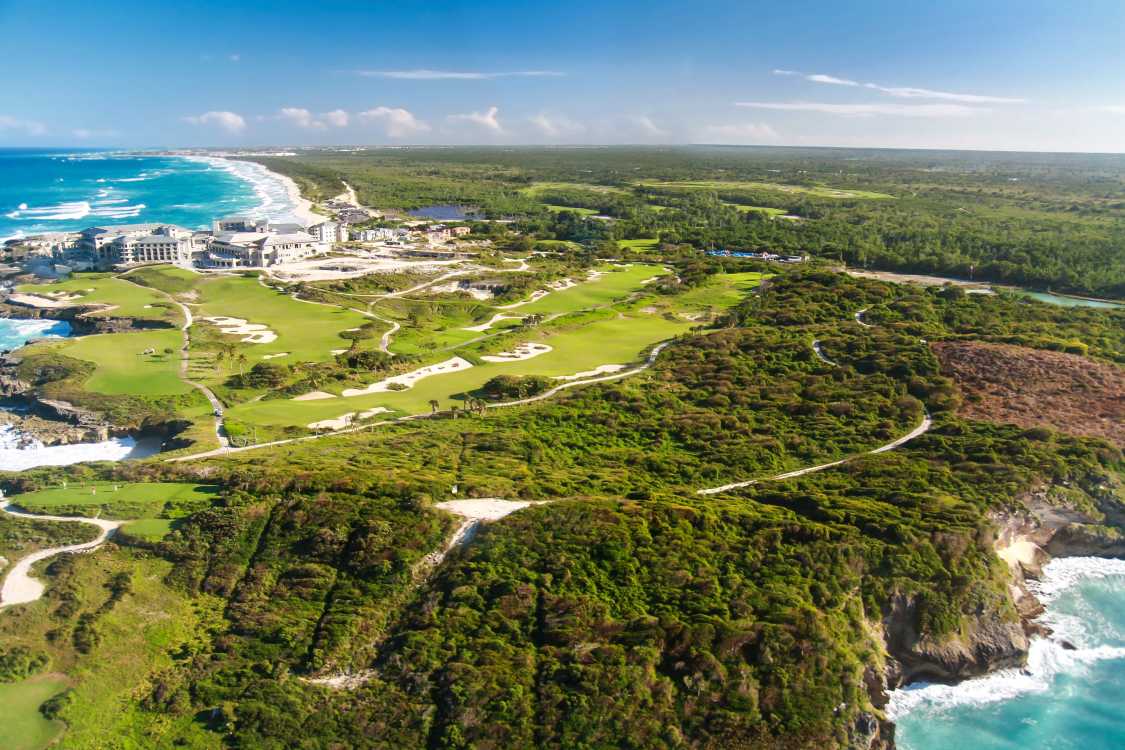
The Dominican Republic is a vibrant Caribbean nation known for its rich culture, diverse landscapes, and welcoming atmosphere. The Dominican Republic offers expats a compelling mix of modern amenities and traditional charm. The cost of living is relatively low compared to many Western countries, and the country boasts a variety of climates, from tropical beaches to cooler mountain regions. The local population is known for its warmth and hospitality, making it easier for newcomers to integrate into the community.
5 good reasons to move to the Dominican Republic
1Affordable living: the cost of living in the Dominican Republic is significantly lower than in many Western countries, making it an attractive destination for retirees and digital nomads.
Diverse environments: from the bustling streets of Santo Domingo to the beautiful beaches of Punta Cana and the cool mountain air of Jarabacoa, the country offers a variety of settings to suit different lifestyles.
Rich cultural heritage: the Dominican Republic boasts a vibrant culture influenced by African, European, and Indigenous Taíno roots, evident in its music, dance, festivals, and cuisine.
4Welcoming community: Dominicans are known for their friendliness and openness, making it easier for expatriates to settle and build connections.
5Growing expatriate community: an increasing number of expatriates are choosing the Dominican Republic as their new home, contributing to a diverse and supportive international community.
Your setup journey
Guide in 14 steps. Click any step below to jump directly to the section you need.
01Where to live in Dominican Republic
Expats in the Dominican Republic can choose from a diverse range of locations to base themselves, each offering a lifestyle to suit different preferences and needs. When selecting a location, consider proximity to services, infrastructure quality, safety, and cost of living. Expatriate communities are strongest in major cities and tourist areas, which can make settling in easier for newcomers.
Popular areas for expats in the Dominican Republic:
- Santo Domingo: the capital city is bustling with cultural activities, shopping centers, and a diverse culinary scene. It's ideal for those who prefer urban living.
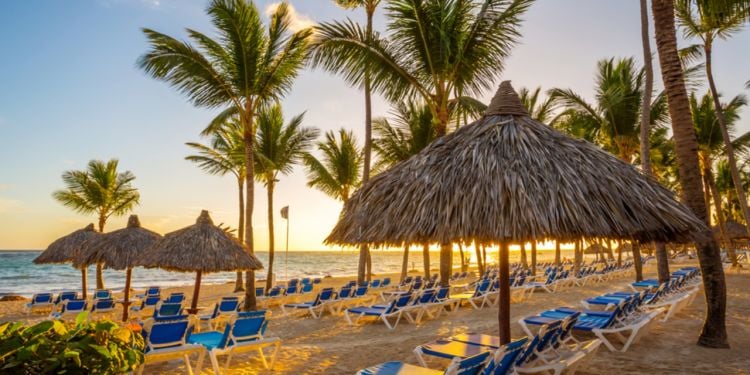
- Punta Cana: known for its beautiful beaches and resort-style living, it's a favorite among retirees and those working in tourism.
- Santiago: the country's second-largest city offers a more relaxed pace with access to modern amenities and is a hub for commerce and education.
- Jarabacoa: located in the central mountains, it provides cooler temperatures and is popular among nature enthusiasts and expats seeking a quieter lifestyle.
Explore our city guides
02Formalities and visas in Dominican Republic
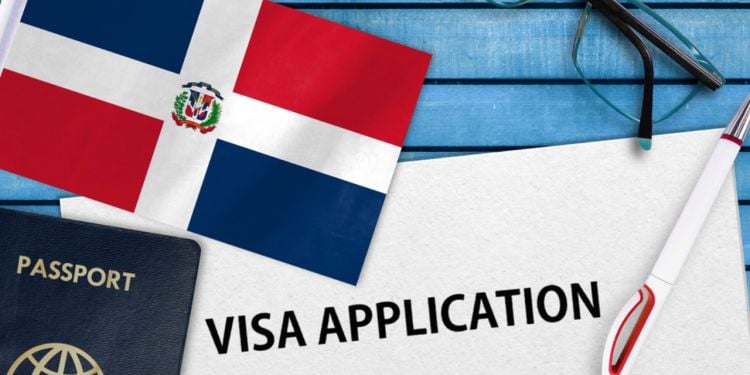
The visa process for the Dominican Republic is generally straightforward for many nationalities, making it relatively easy for expats to enter and stay in the country.
- Tourist visa: citizens from many countries can enter visa-free for up to 30 days, paying for a tourist card on arrival.
- Temporary residency: allows expats to stay up to one year, with the option to renew.
- Permanent residency: can be applied for after holding valid temporary residency visa.
- Student visa: for international students enrolled in recognized Dominican educational institutions.
- Work visa: required for foreigners employed by a Dominican company or running a business locally.
Discover more




03Working in Dominican Republic
Many expats move to the Dominican Republic for its growing economy, expanding job market, and entrepreneurial opportunities. The country's strong tourism, finance, and service sectors attract professionals with international experience. At the same time, its lower cost of living and relaxed lifestyle make it an appealing place to work and live.
Key sectors in the Dominican Republic hiring expats:
- Tourism and hospitality: with its thriving tourism industry, there's a demand for hotel staff, tour guides, and customer service professionals.
- Education: English-speaking teachers are sought after in international schools.
- Healthcare: medical professionals, especially those fluent in Spanish, are in demand.
- Technology and IT: the growing tech sector offers opportunities for software developers and IT specialists.
Starting a business in the Dominican Republic
The climate for start-ups in the Dominican Republic is generally favorable, especially for small and medium-sized enterprises in sectors like tourism, hospitality, real estate, and technology. The country offers a growing consumer market, strategic Caribbean location, and government incentives for foreign investment. English-speaking professionals and entrepreneurs can find opportunities in niche markets, and the relatively low cost of living reduces operational overhead. However, challenges include navigating local bureaucracy, understanding tax and labor regulations, and competition in popular sectors such as tourism and hospitality. Establishing local partnerships and seeking professional advice can help mitigate these hurdles.
Key employment figures and facts
Unemployment rate: | 5% (Q2 2025) |
Skills shortages: | Almost 40% of employers struggle to fill jobs due to lack of work experience or the necessary technical skills. |
Workplace: | Expats can expect more flexibility around work hours and punctuality, known as 'La Hora Dominicana' (Dominican Time). |
Data correct as of October 2025
Sources: Trading Economics, World Bank.
Discover more


04Accommodation in Dominican Republic
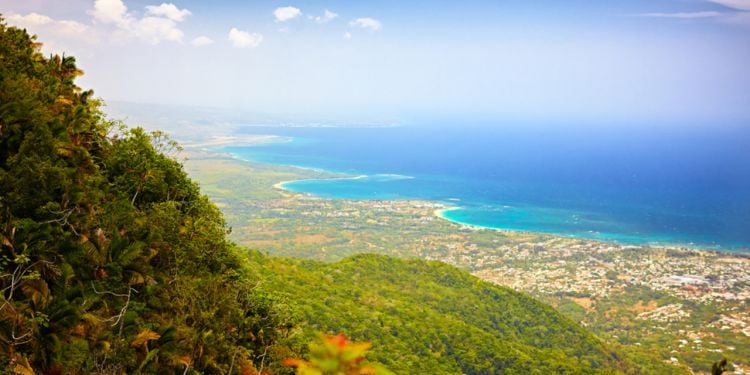
Expats in the Dominican Republic can choose from a variety of housing options, ranging from modern city apartments and beachfront condos to traditional homes in quieter towns. Whether you're looking for the energy of urban life, the relaxation of coastal living, or the calm of the mountains, there are properties in the Dominican Republic to suit different lifestyles and budgets.
Buying property in the Dominican Republic
Foreigners are generally allowed to purchase property in the Dominican Republic, with the main restriction being areas near national borders where ownership may be limited. As a foreigner, you have the same property ownership rights as Dominican citizens, including the right to buy and own real estate, including land.
Discover more
Accommodation in La Vega
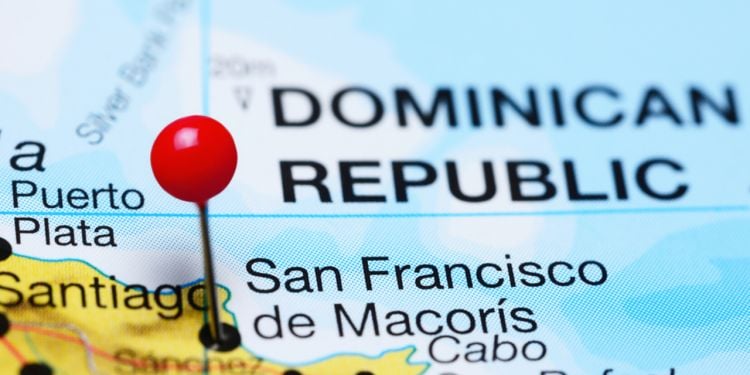
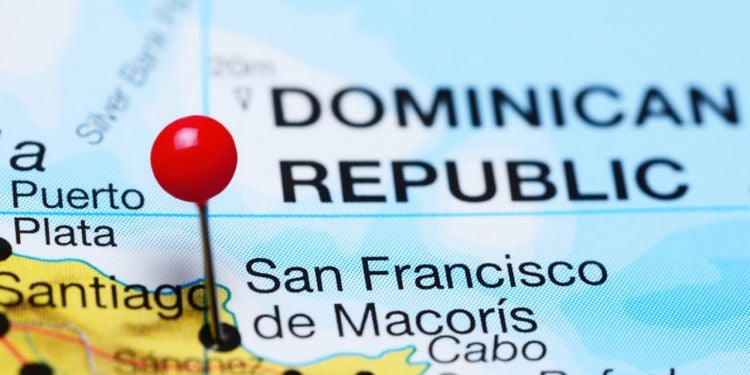
Accommodation in San Francisco de Macorís

Living and accommodation on the North East Coast of the Dominican Republic
Accommodation in Santiago de los Caballeros

Living and accommodation in the up and coming Southwest of the Dominican Republic

Living and accommodation on the South Coast of the Dominican Republic
05Cost of living in Dominican Republic
The Dominican Republic offers a relatively affordable cost of living compared with North America and Europe, though prices vary between urban centers, coastal resorts, and rural areas. Housing is the most significant expense, with rents higher in cities like Santo Domingo or Punta Cana and lower in suburban or rural locations. Food, transportation, and utilities are generally inexpensive, while private healthcare and international schools add to monthly costs. Overall, many expats find that their income stretches further, allowing for a comfortable lifestyle without the high expenses of more developed countries.
Monthly expenses | Single expat | Family of four |
Rent (city center) | 1 bedroom: RD$ 28,700 (USD 456) | 3 bedroom: RD$ 55,163 (USD 876) |
Rent (suburbs) | 1 bedroom: RD$ 15,598 (USD 248) | 3 bedroom: RD$ 28,283 (USD 448) |
Utilities (electricity, water, gas, Internet) | RD$ 4,183 – 6,973 (USD 66 – 111) | RD$ 8,000 – 12,000 (USD 127 – 191) |
Groceries | RD$ 37,410 – 45,000 (USD 595 – 715) | RD$ 80,000 – 120,000 (USD 1,272 – 1,908) |
Transportation (car, fuel, public transport) | RD$ 1,913 – 3,500 (USD 30 – 56) | RD$ 5,000 – 8,000 (USD 80 – 127) |
Dining out and entertainment | RD$ 1,500 – 2,500 (USD 24 – 40) | RD$ 6,000 – 10,000 (USD 95 – 159) |
Data correct as of October 2025
Source: Numbeo.
06Health care in Dominican Republic
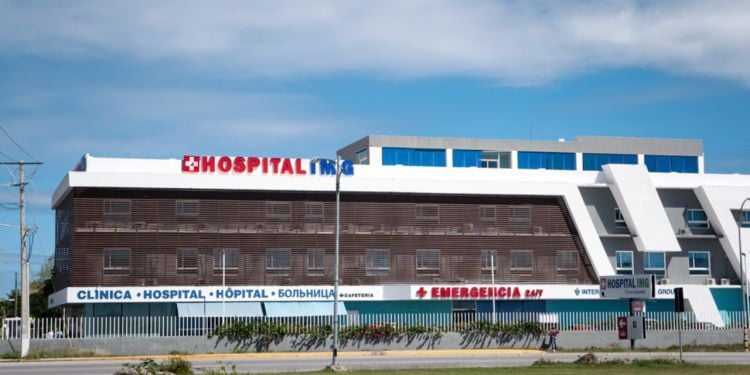
Access to reliable health care is essential when living abroad, and the Dominican Republic offers a mix of public and private health services to suit a range of needs. Foreigners can access the National Health Service (SNS) once they have legal residency in the Dominican Republic, including temporary or permanent permits. Public health care provides basic medical services at low cost, while private hospitals and clinics offer higher-quality care with faster access, though fees are higher.
Health insurance is mandatory for all residents, including expats, with options available through the SNS or private providers, depending on your needs and budget. Preventive care—such as regular check-ups, vaccinations, and screenings—is offered in both systems, with private facilities generally providing quicker service.
Discover more


07Finance and banks in Dominican Republic
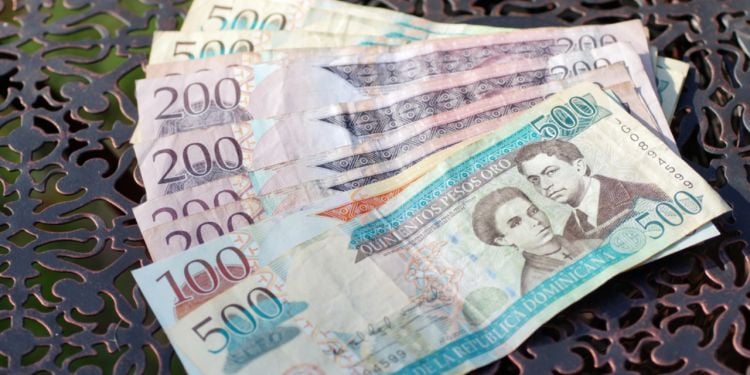
Expats can open a bank account in the Dominican Republic with a valid passport, proof of address, and a Tax Identification Number (RNC). Major banks offer checking and savings accounts, as well as access to online banking, loans, and credit services.
And for expats living and working in the Dominican Republic, understanding your tax obligations is essential. Whether you pay tax on all income or only local earnings depends on your residency status:
- Resident expats: if you have temporary or permanent residency, you are considered a tax resident. This means you must pay taxes on all income, both from the Dominican Republic and from other countries. To qualify, you usually need a residency permit or to spend more than 183 days in the country per year.
- Non-resident expats: if you are living in the country temporarily—on a tourist visa or without a residency permit—you are considered a non-resident. You only pay taxes on income earned within the Dominican Republic, such as a local job, business, or rental property.
Discover more
08Retiring in Dominican Republic
The Dominican Republic is one of the Caribbean's most popular retirement destinations. Its warm climate, affordable living costs, and well-established expat communities make it appealing to retirees from North America and Europe. The country also offers a dedicated retirement visa, allowing foreign nationals with a stable income to live there long-term.
Benefits of retiring in the DR
- Lower cost of living than in the U.S. or Western Europe.
- Beautiful beaches, warm weather, and modern healthcare in major cities.
- Easy flight connections to North America and Europe.
- A welcoming, bilingual expat community.
Where retirees live in the DR
Most expats in the Dominican Republic come from the United States, Canada, Spain, Italy, and other European or Latin American countries. Popular places to settle in include:
- Punta Cana/Bávaro: resort lifestyle, gated communities, beach access.
- Santo Domingo: cultural capital with top hospitals and urban comforts.
- Puerto Plata/Sosúa/Cabarete: established expat areas, lower costs, relaxed pace.
- Santiago de los Caballeros: inland city living with strong local culture.
- La Romana/Casa de Campo: upscale resorts and golf communities.
Join the discussion on the forum
09Studying in Dominican Republic
The Dominican Republic offers higher education options for international students, though most programs are in Spanish, and the majority of students come from surrounding countries. The country's top institutions provide courses in medicine, business, engineering, and other fields. International students must obtain a student visa, show proof of financial means, and register with the General Directorate of Migration. While English-language programs are limited, students from other Caribbean and Latin American countries, as well as Spain, often choose the Dominican Republic for its affordable tuition, vibrant culture, and proximity to home.
10Education and schools in Dominican Republic
Expat children in the Dominican Republic have several schooling options, including international, private, and public schools. International schools offer curricula in English, French, or other languages and cater to expatriate communities. Private schools primarily teach in Spanish, with some providing bilingual programs. Public schools follow the national curriculum in Spanish and are generally available only to children of expats who have legal residency, including temporary or permanent permits. Many expat families choose international or private schools for smaller class sizes, bilingual instruction, and more consistent academic standards, particularly in urban areas where options are most accessible.
Documentation needed to enrol in school in the Dominican Republic:
- Proof of residency
- Birth certificate
- Previous school records
- Vaccination or medical documentation
Discover more
11Planning your move to the Dominican Republic
Relocating to the Dominican Republic requires careful preparation, especially when it comes to shipping your belongings and navigating customs. Expats are advised to work with a reliable moving company and create a detailed inventory of all items, including fragile or valuable possessions. Taking out damage insurance is recommended to protect against unexpected incidents during transit. It's also important to know whether your shipment will be delivered directly to your new home or stored temporarily, as this can affect both cost and timing.
The moving company usually handles customs procedures, but understanding prohibited items and import regulations can save time and stress. Signing the waybill is essential, as it confirms the terms of transport, including payment, volume, and handling. Checking in with the Dominican embassy or consulate before your move can provide clarity on documentation and legal requirements, helping to ensure a stress-free relocation experience.

12Everyday life in Dominican Republic
Life in the Dominican Republic is generally relaxed and community-oriented, with a warm and friendly culture that welcomes newcomers. Expats can expect vibrant social interactions, frequent festivals, and a strong emphasis on family and community. Daily routines may be more flexible than what many are used to, and learning some Spanish will significantly help with integration, navigating services, and building relationships. Major cities offer modern amenities, shopping centers, and reliable Internet, while smaller towns and coastal areas provide a slower pace and a closer connection to nature.
Safety is an important consideration for expats wherever you are in the world, and while violent crime is relatively low in most residential areas, petty theft can occur in urban and tourist-heavy destinations. Transportation in the country includes buses, motoconchos (motorcycle taxis), and private cars; traffic in cities can be congested, and driving habits may differ from what expats are used to. Overall, newcomers often find that engaging with local communities, embracing the lifestyle, and respecting local customs make day-to-day life in the Dominican Republic enjoyable and rewarding.
Discover more

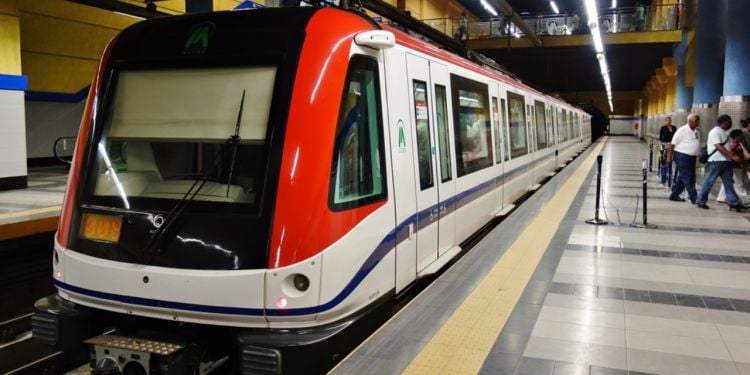


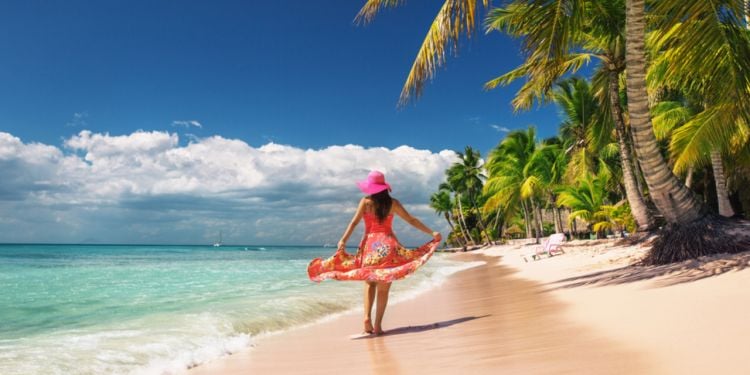
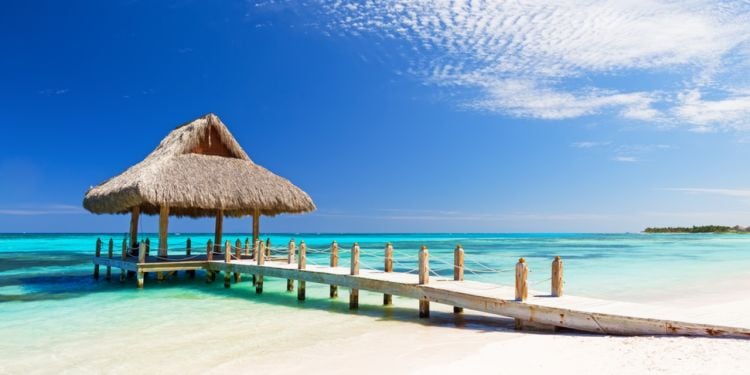


13Leisure in Dominican Republic
Living in the Dominican Republic offers plenty of opportunities for relaxation and adventure, making it easy for expats to enjoy a balanced lifestyle. From sun-soaked beaches to vibrant cities and scenic mountains, there are activities for all tastes. Expats often find themselves exploring local culture, enjoying outdoor sports, or socializing in friendly communities.
Popular leisure activities in the Dominican Republic
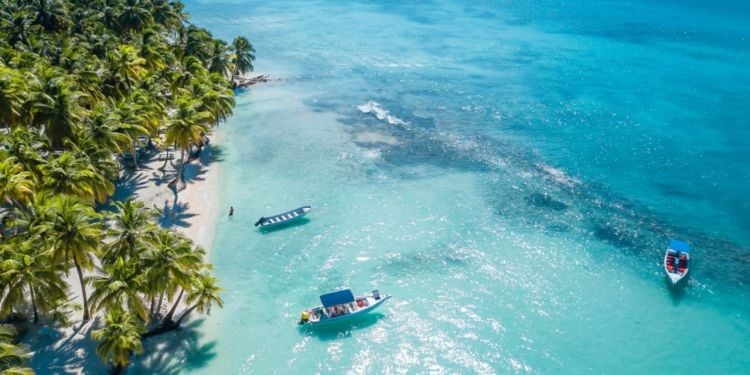
Beaches and water sports: swimming, snorkeling, kiteboarding, and sailing along the coast.
Golf and tennis: numerous courses and clubs cater to both casual and serious players.
Hiking and nature: mountains and national parks offer trekking, birdwatching, and waterfalls.
Dining and nightlife: from street food to international cuisine, and bars and clubs in cities and tourist areas.
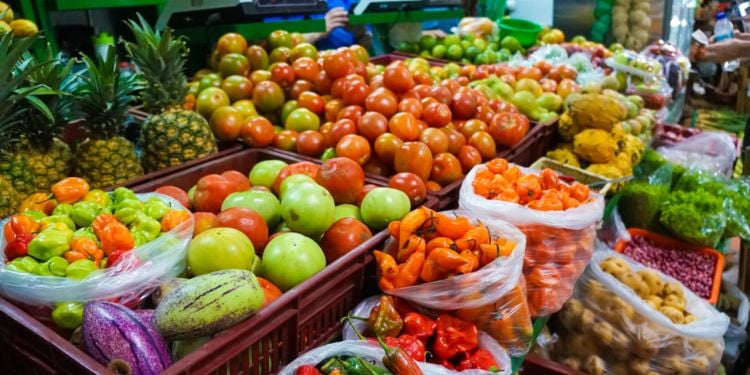
Cultural activities: music, dance, festivals, and local markets provide a rich cultural experience.
Discover more
14Outro
Moving to the Dominican Republic offers expats a unique blend of vibrant culture, warm communities, and a relaxed lifestyle. From bustling cities and scenic beaches to tranquil mountain towns, the country provides diverse options for work, education, and leisure. Expats can enjoy a lower cost of living, a growing job market, and opportunities to start a business, while also experiencing the rich traditions, festivals, and outdoor activities the country has to offer.
Successful relocation requires planning, including understanding visas, residency, and local regulations, as well as arranging housing, banking, and schooling. By familiarizing yourself with the practical aspects of life in the Dominican Republic and embracing the local culture, expats can settle in smoothly and enjoy a rewarding experience in one of the Caribbean's most welcoming countries.
Join the Dominican Republic community
Get regular tips and advice to make the most of your expat life
Essential services for your expat journey




Forum topics on living in Dominican Republic
Discover forums topics on expat life in Dominican Republic: join the conversation, ask your questions, get advice and share your experience.
- Most common scams in Dominican Republic
- Macao Hills - Avalon
- Intercultural relationships in Dominican Republic
- ferry from florida to the DR?
- Anti Sex Tourism Raids in Sosua - will they work? Who knows
- Medication in Dominican Republic
- Universal vs Humano experience and some questions
- Air Conditioner
- Rude & Disrespectful Folks in Punta Cana
- Noise and the DR - Be Warned
- Cheapest way to send a 42 inch flat screen tv
- Sleeping medication
- Bringing a 30year old vehicle to the D R I have been told you can.
- LAS TERRENAS OR CABARETE
- Where to buy ATV/Side by Side in Las Terrenas - new and used
- HELP: Met someone in the DR and I don't know what his intentions are