

Living in South Korea: the ultimate expat guide
Everything you need to know for a successful life in South Korea.
South Korea is a thrilling blend of high-tech innovation and deep tradition. Imagine neon-lit skyscrapers, centuries-old palaces, and the sound of K-pop in the air. But new arrivals to this dynamic East Asian country will also find highly efficient transport, world-class healthcare, and a welcoming, energetic society. For expats, South Korea is a land of opportunity — from career growth to immersion in a rich and evolving culture.
Five compelling reasons to live in South Korea
1. Career potential in a high-growth economy: South Korea’s economy is among the world’s most advanced. Key industries such as technology, manufacturing, and education offer attractive opportunities for skilled professionals.
2. Top-notch infrastructure: With its ultra-fast public transport, clean cityscapes, and reliable healthcare system, daily life in South Korea feels modern and seamless.
3. Work and play: Work hard, play hard. You can go from an intense day at the office to a night out in one of the country’s buzzing cultural districts.
4. Cultural richness and global influence: From ancient temples to trendy cafés, Korea is rooted in history while shaping global trends in music, fashion, and entertainment.
5. Strategic Asian hub: Located in the heart of East Asia, South Korea makes an ideal base for exploring neighboring countries or doing business across the region.
Facts and figures
Population (2024) | 51.8 million |
Long-term foreign residents (2024) | 2.58 million |
Most common nationalities | Chinese, Vietnamese, Thai, and American |
International students (2024) | 26,908 |
Official language | Korean |
Official currency | South Korean won |
Data correct as of December 2025.
Sources:
The Korea Times — population, foreign residents and international students and VN Express International
Formalities and visas in South Korea
If you’re planning to move to South Korea, visas and immigration formalities are one of the first things you’ll need to understand. South Korea's visa system is reasonably structured, with many services now available online — but depending on your status (worker, student, investor, etc.), the process and waiting times can vary. Being clear on the main visa types, how to apply, and the core requirements will minimize errors and avoid delays.
Tips:
• Official government portals: Visa applications, reservations, and status checks should be done online via the visa portal.
• Translation and certification: Many visa documents must be translated into Korean and legalized.
• Alien Registration Card (ARC): The ARC proves your legal stay in South Korea and is required for services like banking, phone contracts, and driver’s licenses.
• Plan ahead: Book your immigration office visit early, especially for ARC applications or visa extensions.
• Renewals: Most visas allow extensions, but you must apply before your current status expires.
• Useful links:
HiKorea e-Government for foreigners
• 🔍To learn more
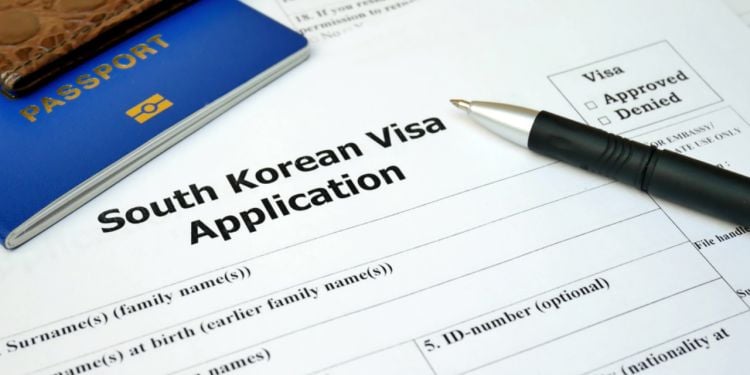
Short-term visas for South Korea
Apart from the tourist visa, which allows you to stay in South Korea for 90 days, there are other ...

Professional visas for South Korea
There are different types of visas in South Korea. For example, individuals seeking work experience ...
Working Holiday Visa for South Korea
South Korea has been attracting more and more Working Holiday Visa volunteers in recent years. Yes, ...
Working in South Korea
South Korea’s job market is fast-moving, dynamic, and full of opportunities — but it’s also competitive. Low unemployment means most positions go to highly skilled or specialized candidates. Employers value technical expertise, international experience, a strong work ethic, and adaptability and cultural awareness. Big cities like Seoul and Busan are buzzing with tech firms, startups, and global companies.
In-demand jobs
• IT and technology: Developers (AI, cloud, backend), cybersecurity specialists, data scientists.
• Education/English teaching: English teachers are in demand for international schools and hagwons (for-profit private educational institutions).
• Finance and business services: Financial analysts, fintech professionals, marketing, sales, and business development roles.
• Tourism, hospitality, and creative industries: Roles in hotels, events, K-culture marketing, content creation, and entertainment.
• Logistics and e-commerce: Supply chain, operations, product roles at fast-growing e-commerce firms.
• Manufacturing and skilled trades: Workers for factories, machine operators, construction, and related jobs, often via labor visa programs.
• Healthcare: Nurses, doctors, and medical researchers — especially in specialties or underserved areas.
Facts and figures
Unemployment rate (November 2025) | 2.7% |
Largest employer by sector | Services 70.7% (retail, healthcare, education, finance, and hospitality). |
Hourly minimum wage | ₩10,030 per hour (USD 6.90) |
Data correct as of December 2025.
Sources:
Trading Economics — unemployment rate, Minimum Wage Commission, and Statista — largest employer.
🔍To learn more

Finding work in South Korea
Some of the best resources to find a job in South Korea include newspapers, recruitment agencies, ...

Setting up a business in South Korea
South Korea, known as the "Asian Dragon", is one of the most important global economic ...

Internship in South Korea
More and more students from around the world choose South Korea to gain professional experience ...
Studying in South Korea
South Korea is rapidly becoming a hotspot for international students. Its world-class universities, modern campuses, and strong government support make it attractive for those seeking both academic excellence and cultural immersion. Students flock here not only for degree programs in STEM, business, and humanities but also for Korean-language courses and short-term vocational training. Most international students come from other Asian countries, especially China and Vietnam, creating a vibrant, multicultural campus environment.
Top universities in South Korea
• Seoul National University (SNU): South Korea’s top public university, highly respected for its research strength, breadth of disciplines, and academic reputation.
• KAIST (Korea Advanced Institute of Science & Technology): Especially strong in science, engineering, AI, and tech research, with many English-taught postgraduate programs
• Yonsei University: A leading private university in Seoul, offering a broad mix of majors and strong international student support.
🔍To learn more
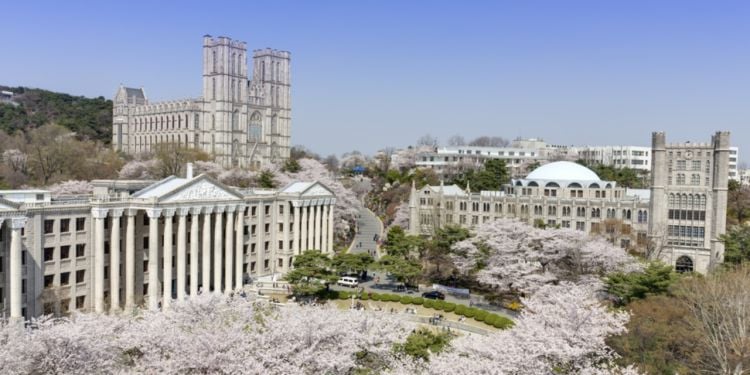
Study in South Korea
South Korea is a popular destination for students wanting to pursue higher education in an Asian country. Many public and private universities offer ...
Finance and banks in South Korea
The banking system in South Korea is very modern, fast, and digital-first — but opening a bank account as an expat can feel a bit old-school to begin with. Most banks require you to show up in person to open an account; opening an account online before you arrive is generally not possible. Once you’re set up, though, you can enjoy excellent mobile apps, English-friendly banking, and very efficient domestic and international transfers.
Tips:
• You usually need to visit a branch in person — you can’t open a Korean bank account entirely online from abroad.
• Required documents typically include your passport, a valid visa, and your Alien Registration Card (ARC) once you have one.
• Banking apps are very modern.
Useful link:
Wise — opening a bank account in South Korea
🔍To learn more

Health care in South Korea
South Korea’s healthcare system is top-tier — it's high-tech, efficient, and very well-resourced. South Korean hospitals and clinics are modern, staffed with skilled specialists, and you’ll often get top-quality care — sometimes with surprisingly short waits for serious treatment. The country's capital, Seoul, is also one of the world's busiest destinations for cosmetic surgery and medical tourism.
South Korea's healthcare system, the National Health Insurance Service (NHIS), provides universal coverage to all South Korean citizens. Many expats in South Korea access the NHIS, as since 2019, foreign residents who plan to stay for six months or longer are required to enroll in the NHI and, once enrolled, receive almost the same benefits as Korean citizens.
What you need to know
• Mandatory enrollment in the NHIS: If you’re staying six months or more, you must join the NHIS.
• Cost sharing: For employed expats, employers usually pay 50% of your NHIS premium.
• Self-employed: You register with the NHIS yourself once you have your ARC.
• Supplemental private insurance: Highly recommended if you want extra coverage for electives, major hospital stays, or treatments not fully covered by NHIS.
Useful link:
National Health Insurance Service
🔍To learn more

Education and schools in South Korea
South Korea is known for its high-quality education — public schools are academically rigorous, well-supported, and focus on both traditional subjects and modern skills. The school year in South Korea runs from March to February of the following year and is divided into two semesters. Education is compulsory for children from the age of six up to 15, covering six years of elementary school and three years of middle school. High school is not mandatory in South Korea.
Many expats in South Korea choose international schools for their children if they are on short-term assignments, want continuity with their home-country curriculum (IB, British, American), or do not speak Korean, as lessons in public schools are conducted in the local language. However, expats who are legally resident in South Korea and have an Alien Registration Card (ARC) can access free public education for their children at the elementary and middle school levels. And because public schools are government-funded, expat families can integrate and take advantage of South Korea's excellent schooling system without immediate extra costs.
School holidays in South Korea
- Summer break: mid-July to mid-to-late August
- Winter break: late December to late January or early February
- Spring break: mid-February
Useful link:
Accommodation in South Korea
Finding a home in South Korea, especially in cities like Seoul, can be competitive and pricey. The market moves fast, so knowing the local rental system gives you a significant advantage. Expats usually rent rather than buy at first, and there are two main types of rental contracts to be aware of:
• Jeonse: You pay a large lump-sum deposit upfront — often 50–80% of the property’s market value — instead of monthly rent. The deposit is fully returned at the end of the lease, which is usually two years. Legal protections and optional deposit insurance help ensure you get your money back.
• Wolse: You pay a smaller deposit plus monthly rent, similar to Western-style rentals.
It is also possible for expats to buy property in South Korea, but in Seoul, parts of Gyeonggi Province, and seven districts of Incheon, foreigners must obtain prior government approval.
Tips:
• Use a licensed real estate agent: They handle negotiations, draft contracts, and check property ownership records, which is crucial for Jeonse safety.
• Always verify the landlord’s debt situation: A simple registry check can show if the property is heavily mortgaged; this protects your Jeonse deposit.
• Budget for extra move-in costs: even with a Wolse (monthly rent) lease, you’ll need to budget for agency fees, building management fees, and a smaller key money deposit (a security deposit returned at the end of your lease).
Useful links:
Seoul Metropolitan Government — housing and Rental laws South Korea
🔍To learn more

Accommodation in South Korea
Finding housing in South Korea will be among your first priorities. The Korean rental system is very different from most other countries, ...
Planning your move to South Korea
Shipping your belongings to South Korea is generally smoother and more reliable than shipping to many other destinations worldwide. Major ports like Busan and Incheon handle international shipments efficiently, and local movers are experienced at delivering items even to dense urban apartments. Transit times for sea freight typically range from 4–8 weeks, and customs procedures are straightforward if your paperwork is in order. While it’s not entirely risk-free, South Korea's logistics system is well-organized and predictable.
However, expats still need to plan ahead and understand the rules. Certain items — electronics, food, plants, or large quantities of medicine — require declarations or may be restricted. Your personal belongings are unlikely to be lost or stolen, but delays can occur if documentation is incomplete. Once your shipment arrives, movers can deliver it to your new home, often handling building regulations or freight elevator schedules for you. But proper preparation makes the process much easier and helps avoid stress during your relocation.
What you need to know
• Efficient ports: Busan and Incheon handle most international shipments quickly.
• Clear customs rules with online guidance and standard paperwork requirements.
• Reliable local delivery: Movers are experienced in navigating dense urban areas.
🔍To learn more

Relocating to South Korea
If you are planning to move to South Korea, you should take enough time to choose the right moving ...

Travelling to South Korea with your pet
If you are planning to move to South Korea with your pet, you may be wondering how to proceed. It ...
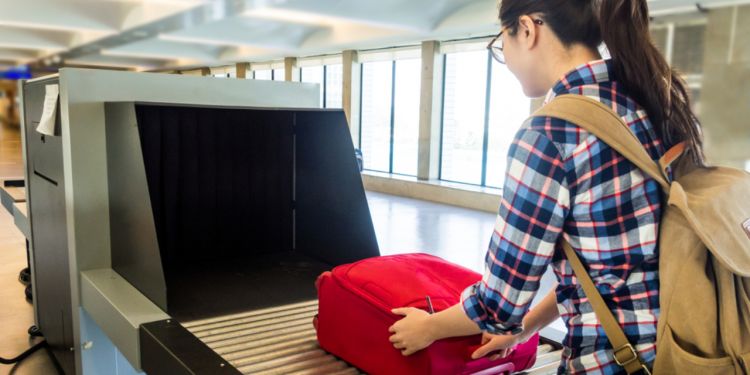
Customs in South Korea
This article covers important information on authorised and prohibited products in South Korea.
Leisure in South Korea
South Korea is a vibrant country that offers a mix of modern and traditional. From bustling cities to scenic mountains and coastal towns, there’s always something to do. Seoul and Busan are hubs for nightlife, shopping, and cultural events, while smaller cities and rural areas offer hiking, temples, and national parks. South Korea is famous for its cafe culture, street food, K-pop concerts, traditional festivals, and sporting events — there’s something to suit every interest!
For those who enjoy outdoor activities, South Korea is a paradise. Hiking trails wind through mountains with breathtaking views, ski resorts are packed in winter, and coastal regions offer beaches and water sports in summer. Cultural enthusiasts can explore centuries-old palaces, museums, and art galleries, while wellness seekers can enjoy spas, Korean bathhouses, and scenic nature retreats. Leisure in South Korea is fast-paced but balanced, giving expats a chance to dive into local traditions while enjoying modern entertainment.
Popular leisure activities in South Korea
• Hiking and trekking: Mountains like Seoraksan and Bukhansan offer trails for all levels.
• K-pop concerts and entertainment: A must for music fans.
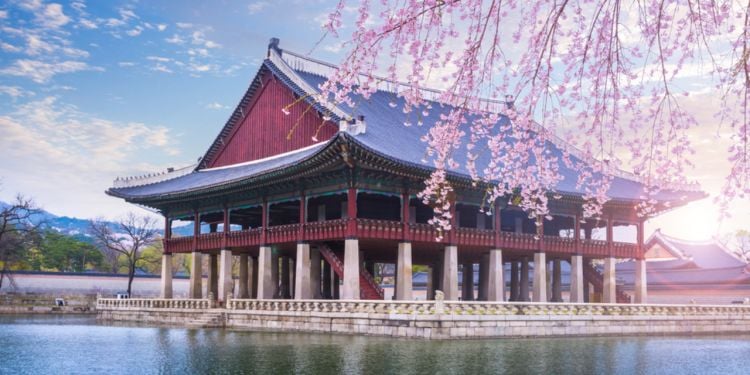
• Temples and historic sites: Gyeongbokgung Palace and Bulguksa Temple are top destinations.
• Street food and cafe hopping: Explore Korean cuisine and artisan coffees.
• Skiing and snowboarding: Popular resorts include Yongpyong and Alpensia in winter.
• Beaches and water sports: Busan and Jeju Island offer sun, surf, and sailing.
• Festivals: Cherry blossom festivals in spring, lantern festivals, and cultural celebrations.
• Traditional wellness experiences: Korean bathhouses and spas for relaxation.
🔍To learn more

Everyday life in South Korea
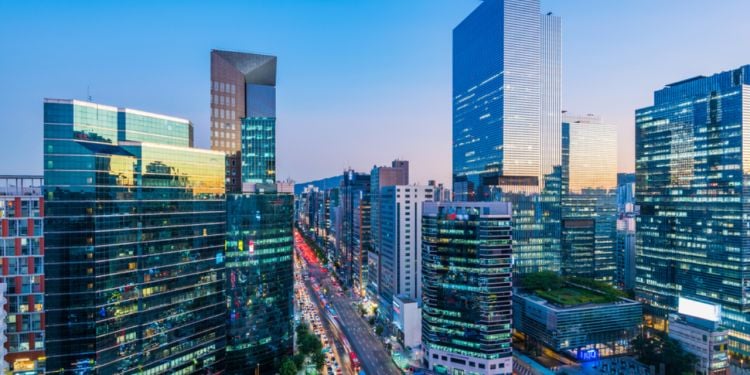
Life in South Korea is a mix of modern convenience and rich tradition. Expats generally find South Korea safe, clean, and well-organized, with low levels of violent crime. Public transport is reliable, streets are well-lit, and communities are active. While minor petty theft can happen, serious crime is rare, making it one of the safer countries for women living alone or with families.
Daily life is also shaped by local customs and habits. Koreans value punctuality, respect for elders, and social harmony. Eating out, shopping, and café culture are popular pastimes. Many expats embrace technology-driven conveniences, such as mobile payments and smart apps, for everything from banking to ordering food.
What you need to know
• Safety: Low violent crime rates; women generally feel safe walking alone, even at night.
• Transport: Extensive subway, bus, and train networks; taxis are reliable and affordable.
• Shopping and dining out: Convenience stores, markets, and restaurants are everywhere; digital payments are widely accepted.
• Customs and etiquette: Bow when greeting, remove shoes indoors, and respect elders.
• Work-life balance: Fast-paced urban life, but leisure and socializing remain central to life in South Korea.
🔍To learn more
Travelling around South Korea
Are you planning to live in South Korea and travel around the country? South Korea has a highly developed transport network with a variety of means ...

Connecting to the internet in South Korea
South Korea is known to be one of the most connected countries worldwide, and its ...

Childcare in South Korea
Moving to South Korea with young children requires thorough planning. On arrival in South Korea, ...
Cost of living in South Korea
South Korea isn’t cheap, but it’s not quite as expensive as some of the world’s priciest capitals, and it offers very high-quality services in return. Compared with many European countries, the cost of living in Seoul can be slightly lower than the EU average for some items, but it depends heavily on your lifestyle. Housing, especially in premium districts, tends to be pricey, and imported goods often carry hefty markups. On the other hand, local food, transport, and tech-driven services are excellent value and ultra-efficient, making daily life in South Korea modern and comfortable without breaking the bank.
Here is a general breakdown of average monthly expenses for different household types in South Korea.
Monthly expenses
Single expat (per month) | Family of four (per month) | |
Rent (city center) | 1 bedroom: ₩808,125 (USD 602) | 3 bedroom: ₩2,177,003 (USD 1,621) |
Rent (suburbs) | 1 bedroom: ₩542,425 (USD 404) | 3 bedroom: ₩1,243,431 (USD 927) |
Utilities (electricity, water, gas, Internet) | ₩219,767 (USD 164) | ₩376,631 (USD 281) |
Groceries | ₩453,000 (USD 338) | ₩1,359,000 (USD 1,014) |
Public transport monthly pass | ₩65,000 (USD 48) | ₩260,000 (USD 192) |
Dining out and entertainment | ₩200,000 (USD 150) | ₩600,000–₩1,000,000 (USD 450-750) |
Data correct as of December 2025.
Source:
Outro
South Korea is a dynamic, modern, and welcoming country for expats, offering excellent education, healthcare, career opportunities, and a rich cultural experience. Whether you’re drawn by bustling cities, stunning landscapes, or vibrant local life, moving here can be an exciting adventure. Expat.com’s dedicated guides make researching every aspect of your move simple, from visas and housing to banking and schooling. And our South Korea forum is an invaluable resource where you can connect with fellow expats, swap advice, and get insider tips on settling in smoothly.
We do our best to provide accurate and up to date information. However, if you have noticed any inaccuracies in this content, please contact us.


News & testimonies
Why you should get a Hallyu visa to South Korea
The Hallyu visa to South Korea is finally available after one year of discussions. Officially branded "K-culture training visa", it should allow foreigners to stay up to two years in South Korea to either discover its unique artistic scene or realize their dream of breaking into the entertainment industry. The government is also considering the introduction of a digital nomad visa.

South Korea: These sectors are currently facing labor shortages
Will 2023 be the year of a new economic and even demographic boost in South Korea? This is the government's hope and belief as it outlines its plan to revive the South Korean economy. Since important sectors are suffering from acute labor shortages, it is taking new measures to welcome foreign workers. Which are the most affected sectors and are in desperate need of expat workers?

Interview: The story of Anna who lives in and Laura who left South Korea
Anna has been living in South Korea for nine years and Laura left after a year of living in the same country. What is it about South Korea that makes a 19 year old want to leave everything behind for? And on the other hand, what is it about the country that makes someone else leave after a year? Anna and Laura tell us their stories.

From America to South Korea and everything in between
We move from one place to another for all different reasons. For Keri the journey abroad started off as a teenage adventure. Her love for K-pop took her all the way to South Korea — where she met her other big love, her husband. Keri misses home in America, but cannot yet bid farewell to the South Korean lifestyle, the culture of kindness and respect, and the spicy food. She talks to Expat.com about the country of temples, mighty mountains, and friendly people.
Essential services for your expat journey



