

Dakar is a coastal metropolis where French colonial architecture meets a vibrant Senegalese cultural identity, and that combination creates a leisure scene that feels unlike anywhere else in West Africa. The city is known for its Atlantic coastline, its museums, its markets, and a live music tradition built around mbalax: an energetic rhythm that remains central to Dakar's social fabric. During the day, the pace can feel relaxed, with beach cafés, seaside promenades, and open-air markets drawing locals and expats alike. By night, the city shifts gear entirely, with restaurants, lounges, and clubs running well into the early hours of the morning. The dry season, which runs from November to May, is the most comfortable time to explore outdoor spaces, with cooler temperatures and minimal rainfall making it ideal for beach visits, walks along the Corniche, and day trips outside the city.
Leisure and things to do in Dakar
 © Shutterstock.com
Dakar sits at the westernmost tip of the African continent, and that geography shapes everything about the city's leisure culture: Atlantic breezes roll in off the ocean, historic islands sit minutes from the shore, and a creative energy rooted in mbalax music and contemporary African art pulses through every neighborhood. Whether you've just arrived or have been living here for months, the city offers a genuinely wide range of things to do, from free museum visits and pirogue rides to rooftop lounges that don't fill up until well past midnight. This article covers the key leisure experiences available in Dakar across culture, outdoor life, shopping, events, nightlife, family outings, and wellness, so you can start building a life in the city that extends well beyond work.
The Dakar expat guide
Updated in 2026, comprehensive and free
Read it now
Cultural attractions in Dakar
Dakar's cultural attractions range from world-class museums to a UNESCO-listed island accessible by a short ferry crossing. The Musée des Civilisations Noires is a modern 15,000-square-metre institution dedicated to African civilizations and is one of the most ambitious museum projects in the region. For those interested in traditional African art, the Musée Théodore Monod d'Art africain, part of the IFAN network, holds over 9,000 objects and offers free entry. It is open Tuesday through Sunday from 9:00 AM to 5:00 PM, making it a practical and cost-free option for a weekday visit.
Gorée Island, reached by a 20-minute ferry from the port of Dakar, is a UNESCO World Heritage Site and one of the most historically significant places in West Africa. The island's Maison des Esclaves stands as a memorial to the transatlantic slave trade and draws visitors who want to understand that history firsthand. Back on the mainland, the African Renaissance Monument, a 52-metre bronze statue on the Mamelles hills, can be climbed via 198 steps for panoramic views across the peninsula. A paid exhibition space operates inside the monument. The Musée de la femme Henriette Bathily offers a different lens, focusing on the role of African and Senegalese women through dedicated exhibitions and artifacts.
Good to know:
The Musée Théodore Monod d'Art africain's free entry policy makes it one of the few no-cost cultural institutions of its scale in the city. Confirm opening hours directly with the museum before visiting, as they may vary around public holidays.
Join the Dakar community
Get regular tips and advice to make the most of your expat life
Outdoor activities in Dakar
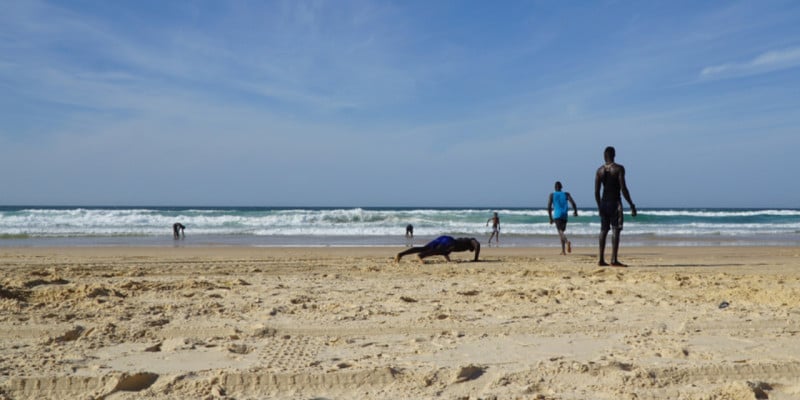
Dakar's coastline is one of its greatest assets for expats who enjoy outdoor activities. Ngor Island is a car-free stretch of sand reached by a short ride on a traditional wooden pirogue from the mainland. The round-trip crossing costs between CFA 1,000 and CFA 1,500 (approximately USD 1.60 to USD 2.50), and the island is well suited to surfing and snorkeling. The waters around Ngor and the nearby Ouakam district are also rated highly for scuba diving, with visibility conditions that attract both beginners and experienced divers. For a more supervised beach experience, the Plage de la BCEAO in Yoff has a gentle slope and is monitored during school holiday periods.
Families and expats looking for a private beach option can access the Terrou-Bi resort's facilities for a day fee of CFA 35,000 (approximately USD 58) per adult and CFA 25,000 (approximately USD 41) per child, which covers access to the beach, pool, and solarium. For those who prefer to simply walk, the Corniche Ouest is a popular evening route along the Atlantic, offering sea views and a steady breeze that makes it a reliable decompression spot after the working day.
A popular day trip from the city is Lac Rose, also known as Lake Retba, famous for the pink hue produced by salt-loving microalgae. The lake's color has faded in recent times following flooding and the opening of a nearby canal, which reduced the water's salinity. Locals report that the pink gradually returns as water levels drop during the dry season, though the effect is currently less dramatic than it once was.
Shopping in Dakar
Dakar offers two very different shopping experiences depending on what you're looking for. For modern retail, Sea Plaza on Route de la Corniche Ouest is the city's main contemporary shopping center. It houses international brands, a Casino supermarket, a cinema (Seanama), and a bowling alley. The mall is open Monday through Friday from 10:00 AM to 8:00 PM, and stays open until midnight on Saturdays.
For a more immersive and affordable experience, Dakar's traditional markets are hard to match. Marché Sandaga is the city's largest market and the place to go for textiles, traditional clothing made to measure, and colorful wax fabric, which runs at around CFA 1,000 (approximately USD 1.60) per meter. Bargaining is a standard part of the transaction at Sandaga and across all traditional markets; vendors set high opening prices and expect negotiation as part of the exchange. Marché Soumbédioune, in the Médina area, specializes in artisan crafts: wooden masks, leather goods, jewelry, and pottery, making it the most practical stop for anyone looking for authentic Senegalese craftsmanship. For fresh produce, Marché Kermel stands out for its colonial circular building and its selection of fruits, vegetables, and fresh fish.
Events and festivals in Dakar
Dakar's cultural calendar is one of the most active in the region, with events that draw audiences from across Africa and beyond. The most internationally recognized is the Biennale de l'Art Africain Contemporain, known as Dak'Art, which transforms the city into a hub for contemporary African art on a two-year cycle, with exhibitions, installations, and performances spread across multiple venues. The event draws artists, curators, and collectors from across the continent and the diaspora, and its open-air and off-site program means much of it is accessible at no cost.
The Dakar Music Expo is an annual event typically held in late March, bringing together music industry professionals and fans of West African and global music. Nearby Toubab Dialaw, a coastal village about 50 kilometers from Dakar, hosts the Dialaw Festival each April, which celebrates music and performing arts from a range of global traditions. ECOFEST, the Festival des Arts et de la Culture de l'Afrique de l'Ouest, takes place in Dakar in late November and early December and focuses on regional artistic heritage across visual art, music, and performance. For current schedules and updated program information, check directly with the festival organizers or the Musée des Civilisations Noires for events hosted on-site.
Nightlife in Dakar
Dakar has one of the most active nightlife scenes in West Africa, and expats who want to engage with it need to adjust their expectations around timing: most venues don't begin to fill up until after midnight, and events regularly run until dawn. Planning around this rhythm makes the experience considerably more enjoyable than arriving early to an empty room.
The Les Almadies district, on the western tip of the peninsula, is the center of upscale nightlife. Its ocean-facing bars, lounges, and restaurants attract a mix of expats, business travelers, and Dakar's cosmopolitan professional class. Le Patio in Almadies is one of the best-known outdoor nightclub venues in the city, with a layout that works well in Dakar's warm evenings. Vogue Super Club in Ngor is another established venue, with the dance floor typically reaching its peak around 3:00 AM on weekends. For those who want to hear live music rather than DJ sets, Just 4 You is widely regarded as one of the best venues in the city for mbalax performances. Yoka Lounge in Almadies hosts a regular Congolese Night on Sundays, featuring live bands in an outdoor setting.
For a more local atmosphere, Avenue Cheikh Anta Diop in the Médina district offers bars with a neighborhood feel, grilled street food, and affordable drinks. Establishments like Le Relais Hotel Bar combine live music with the kind of casual, low-key setting that appeals to expats who want to experience Dakar outside of the upscale coastal circuit.
Family activities in Dakar
Expat families in Dakar have a solid range of family-friendly activities to choose from, both within the city and on day trips into the surrounding region. Within reach of the city, the Village des Tortues (Turtle Village) offers an interactive experience for children focused on local wildlife conservation. The visit is educational and hands-on, making it a practical half-day outing that works well for younger age groups.
For a bigger excursion, the Réserve de Bandia, located about 65 kilometers from Dakar, offers guided 4x4 safaris through a protected area where giraffes, rhinos, and antelopes roam in open terrain. The reserve is designed with families in mind, and the format, with vehicles on a marked route through the reserve, suits children of most ages. It is often combined with a visit to the Village des Tortues for a full day out of the city. Further afield, Jardin d'Ève in Sindia functions as an eco-farm retreat offering family-style meals, a swimming pool, and horseback riding, a good option for families looking for a quieter weekend away from the city's pace.
On days when the heat or rain makes outdoor activities less practical, Sea Plaza mall provides a reliable air-conditioned alternative, with a dedicated children's play area, a cinema, and a bowling alley all under one roof.
Wellness and relaxation in Dakar
The wellness offer in Dakar ranges from high-end hotel spas to independent day spas in residential neighborhoods. The Radisson Blu Hotel Dakar Sea Plaza and the Pullman Dakar Teranga both operate premium spa facilities with saunas, steam rooms, and infinity pools with ocean views. These are reliable options for expats looking for a consistent standard of service close to the city center.
For day spa treatments outside of hotel environments, MaEva Spa in Cité Keur Gorgui and Buddha Attitude Spa both offer classical massages, facials, and aesthetic treatments in a more neighborhood setting. Both are well regarded within the expat community as accessible, mid-range options for regular wellness visits. Those willing to travel a short distance down the coast will find Bubble Spa in Saly/Ngaparou, which is frequently recommended for weekend getaways. The facility offers couples' massages and infrared saunas in a setting that is designed specifically around relaxation away from the city.
The Senegal expat guide
Updated in 2026, comprehensive and free
Read it now
Social activities in Dakar
Building a social life in Dakar as an expat is more straightforward than in many African capitals, partly because the city has a long-established international community with active informal networks. The most direct entry point for many English-speaking expats is organized social events: Friday afterworks at hotels like the Terrou-Bi pool, casual dinners arranged through Facebook groups, and weekend excursions to towns outside the city are all common ways for expats to connect and build friendships.
Beyond scheduled events, hobby-based groups in Dakar cover a broad range of interests, including sailing, culinary exploration, and spiritual practice. These smaller interest groups tend to operate through larger expat networks and provide a more focused way to meet people who share specific interests rather than simply a geographic situation. For new arrivals who want a structured starting point, attending a social event within the first few weeks is consistently cited by expats already in the city as one of the most effective ways to begin building a network.
Frequently asked questions about leisure in Dakar

Comments
Essential services for your expat journey




Further reading
The Dakar expat guide
Updated in 2026, comprehensive and free
Read it nowJoin the Dakar community
Get regular tips and advice to make the most of your expat life
- Our new Living in Senegal Guide is online!
- First time in Dakar , what do you struggle with most ?
- New members of the Senegal forum, introduce yourselves here - 2026
- Looking to buy a 4x4 vehicle in Dakar or surroundings
- Dakat - First visit (1 month)
- How is it living in Dakar (especially as a women)
- Women of Dakar
- Question About Almadies
- African Americans Living In Senegal
- Life at Senegal for Indian families
- New : Senegal jobs section
- What areas of dakar are good to live???
- Cost of used pick up cars in Sénégal ?
- Living in Saly, Senegal
- warehouse available for rent
- Possible move to Senegal
- Trip to Dakar
- Driving license in Senegal