

Living in Rabat: the ultimate expat guide
Everything you need to know for a successful life in Rabat.
Rabat, the political and administrative capital of Morocco, offers a unique blend of imperial history, coastal beauty, and modern urban living. Designated a UNESCO World Heritage Site in 2012, this city of approximately 580,000 residents sits at the mouth of the Bou Regreg River on the Atlantic coast. Unlike the bustling intensity of Casablanca or Marrakech, Rabat maintains a calmer, more sophisticated atmosphere with tree-lined boulevards, well-maintained green spaces, and a strong European influence from the French colonial era. The city serves as home to government ministries, foreign embassies, and international organizations, creating a cosmopolitan environment particularly welcoming to expatriates.
5 Good Reasons to Move to Rabat
- Safety and stability – As the political capital, Rabat benefits from heightened security and a reputation as one of Morocco's safest cities.
- Lower cost of living – Housing and daily expenses are generally more affordable than in Casablanca while maintaining high living standards.
- Quality education options – The city hosts excellent international schools and Morocco's top-ranked university.
- Cultural richness – From the Kasbah of the Oudayas to modern museums, Rabat offers world-class cultural experiences.
- Strategic location – Easy access to beaches, one hour from Casablanca, and excellent rail connections including high-speed service to Tangier.
Working in Rabat: Employment Opportunities and Key Sectors
Rabat's job market centers on government administration, diplomatic services, and a growing technology sector. As Morocco's administrative heart, the city employs thousands in public institutions and attracts international organizations seeking proximity to policymakers. The private sector has expanded significantly, particularly in IT outsourcing, business process services, and telecommunications, with Technopolis Park serving as a major hub for technology and R&D companies.
Key Employment Sectors
The government sector remains the largest employer, but opportunities exist across multiple industries. Offshoring and IT services have grown rapidly, with companies like IBM, Dell, CGI, and Capgemini operating in Morocco. The Rabat-Salé-Kénitra region accounts for approximately 24% of national offshoring employment. Other significant sectors include financial services, education, healthcare, and tourism. French language proficiency is essential for most professional positions, though English-speaking roles exist in multinational companies.
Work Permits and Authorization
Foreign nationals require a work visa and residence permit to work legally in Morocco. Employers must first obtain approval from the National Agency for the Promotion of Employment and Skills (ANAPEC), certifying that no qualified Moroccan candidate is available for the position. The employer then submits the employment contract to the Ministry of Employment for authorization. Processing typically takes 2-8 weeks. Once approved, employees apply for a residence permit through the General Directorate of National Security.
The following table presents key employment indicators for the Rabat region:
National unemployment rate (Q3 2025) | 13.1% |
Average monthly salary (Morocco) | MAD 6,721 (~USD 700) |
Minimum wage (2025) | MAD 17.10/hour (~MAD 3,269/month) |
Key sectors | Government, IT/Offshoring, Services, Tourism |
Sources: Morocco High Commission for Planning (HCP), Numbeo 2025
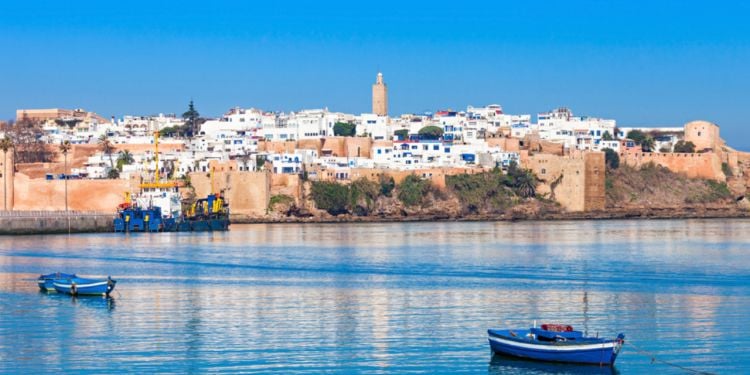
Working in Rabat
Rabat, the capital city of Morocco, is the administrative centre of the country. Over the past few years, Rabat has experienced significant economic ...
Higher Education and Universities in Rabat
Rabat hosts Morocco's premier institution of higher learning and offers excellent options for international students seeking degree programs in North Africa. The city's universities combine Moroccan academic traditions with international partnerships and exchange programs, making it an attractive destination for those pursuing undergraduate or graduate studies.
Mohammed V University
Mohammed V University (UM5), founded in 1957, is Morocco's oldest modern university and consistently ranks among the top institutions in Africa and the Arab world. With over 62,000 students across two main campuses (Agdal and Souissi), the university offers programs in law, medicine, dentistry, engineering, computer science, economics, and humanities. The university is ranked #810 in the US News Best Global Universities ranking and among the top 200 universities in emerging economies according to Times Higher Education. Tuition for international students is generally affordable, with public university fees ranging from MAD 1,000-5,000 (approximately USD 100-520) per year, though specific programs may charge higher rates.
Other Higher Education Options
Several other institutions serve international students in Rabat. The International University of Rabat (UIR) offers business, engineering, and architecture programs with English and French instruction. ISCAE Rabat provides business administration programs, while specialized schools offer training in journalism, tourism, and public administration. For those seeking international curricula, Al Akhawayn University in Ifrane (approximately 2.5 hours from Rabat) follows an American-style system with English-language instruction. Admission typically requires secondary school completion (equivalent to A-levels or high school diploma), language proficiency, and specific requirements varying by program.
Sources: Mohammed V University Official Site, Times Higher Education Rankings
Schools for Expatriate Children in Rabat
Rabat provides excellent educational options for expatriate families, with international schools offering American, British, and French curricula. These institutions cater to the diplomatic community and international professionals, providing familiar academic standards and pathways to universities worldwide.
International Schools
The Rabat American School (RAS), founded in 1962, is the city's premier American curriculum institution, offering Pre-K through Grade 12 education. Accredited by the Middle States Association and authorized to offer the International Baccalaureate Diploma Program (IBDP), RAS serves students from over 45 nationalities. Annual tuition ranges from approximately USD 7,600 for half-day Pre-K to USD 29,300 for high school grades, with a one-time registration fee of USD 9,800. The Khalil Gibran School (KGS) offers a trilingual program (Arabic, English, French) following both Moroccan and British Cambridge curricula from pre-nursery through Year 13. Tuition at KGS ranges from MAD 39,500-46,000 (approximately USD 4,100-4,800) annually.
French-System Schools
For families preferring French education, Lycée Descartes in Agdal offers the French national curriculum from middle school through high school, managed by the Agency for French Teaching Abroad (AEFE). Several other French-accredited primary and secondary schools operate throughout the city. Enrollment typically requires documentation of previous schooling, health records, and proof of residence. Application timelines vary, but early registration (often in the preceding school year) is advisable given limited spaces.
Sources: Rabat American School, U.S. Department of State Fact Sheets, Khalil Gibran School
Housing and Neighborhoods in Rabat
Rabat offers diverse housing options across distinct neighborhoods, each with its own character and price range. The rental market is generally more affordable than Casablanca, with modern apartments, traditional riads, and spacious villas available depending on location and budget. Most expatriates settle in well-established areas with good infrastructure and proximity to international schools.
Popular Expatriate Neighborhoods
Agdal is a modern, upscale neighborhood known for wide boulevards, trendy cafes, international restaurants, and excellent shopping. Popular with young professionals and families, it offers a range of apartments at mid-to-high price points. Souissi is Rabat's most prestigious residential area, home to embassies, ambassador residences, and luxury villas surrounded by gardens. Security is high, and proximity to the Rabat American School makes it ideal for diplomatic families. Hay Riad is a newer development featuring modern architecture and high-end apartments, popular with professionals seeking contemporary living spaces. Hassan, the historic city center, offers a mix of colonial-era buildings and traditional homes near iconic landmarks. Youssoufia and Mabella provide more affordable options while remaining safe and accessible.
Rental Prices and Procedures
Rental contracts typically require one to two months' deposit plus the first month's rent in advance. Real estate agencies charge commissions equivalent to approximately one month's rent. Many landlords prefer longer lease terms of 12 months or more. Word-of-mouth and local contacts often help find properties before they reach the market.
1-bedroom apartment (city center) | MAD 4,250/month (~USD 440) |
1-bedroom apartment (outside center) | MAD 2,400/month (~USD 250) |
3-bedroom apartment (city center) | MAD 10,090/month (~USD 1,050) |
3-bedroom apartment (outside center) | MAD 6,490/month (~USD 675) |
Sources: Numbeo 2025
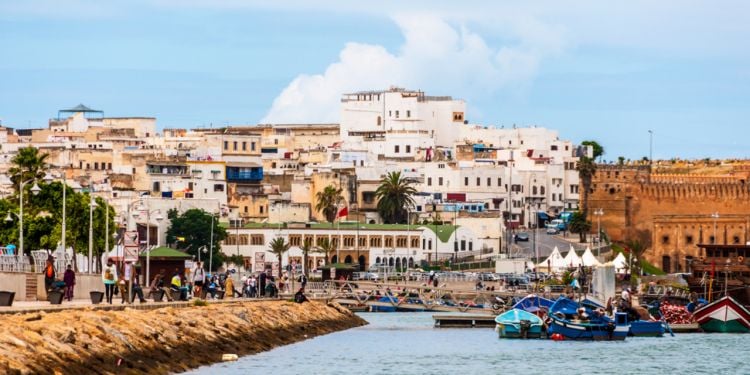
Accommodation in Rabat
Rabat is known to be a very open city with many green areas and has less economic activity than other major cities, and as of recently the most ...
Leisure, Culture, and Things to Do in Rabat
Rabat rewards residents with a rich cultural calendar, historic sites, quality museums, and outdoor activities. As a UNESCO World Heritage city, it offers an architectural tapestry spanning Phoenician, Roman, Arab, and French colonial influences. The relaxed coastal atmosphere provides excellent opportunities for sports, beach activities, and cultural exploration.
Historic Sites and Museums
The Kasbah of the Oudayas, a 12th-century fortified citadel, remains Rabat's most iconic attraction with its blue-and-white painted houses, Atlantic Ocean views, and the serene Andalusian Gardens. The Hassan Tower and adjacent Mausoleum of Mohammed V showcase stunning Islamic architecture and serve as important national monuments. The Chellah necropolis, just south of the city center, contains Roman and medieval Islamic ruins surrounded by gardens where storks nest in ancient minarets. The Mohammed VI Museum of Modern and Contemporary Art (MMVI), opened in 2014, houses works by over 200 Moroccan artists and hosts international exhibitions. The Archaeological Museum displays artifacts from prehistoric through Islamic periods, including impressive Roman bronzes from Volubilis. The National Museum of Jewelry and Adornment within the Kasbah showcases regional craftsmanship and traditional costumes.
Outdoor Activities and Entertainment
Rabat's beaches provide swimming, surfing, and relaxation. Plage de Temara, 15 minutes south, offers cleaner sands than city beaches. The Rabat Zoo houses African wildlife in spacious enclosures. Golf enthusiasts can enjoy the Royal Golf Dar Es Salam, one of Africa's finest courses. The Mawazine Festival, held annually in June, attracts international music stars and draws hundreds of thousands of attendees. The medina souks offer traditional shopping for leather goods, pottery, carpets, and spices. Evening walks along the Corniche Bouregreg and dining at waterfront restaurants overlooking Salé provide pleasant leisure options. Cinema complexes show international films, and a growing number of cafes and restaurants cater to diverse culinary tastes.
Sources: UNESCO World Heritage Centre, Lonely Planet Morocco Guide
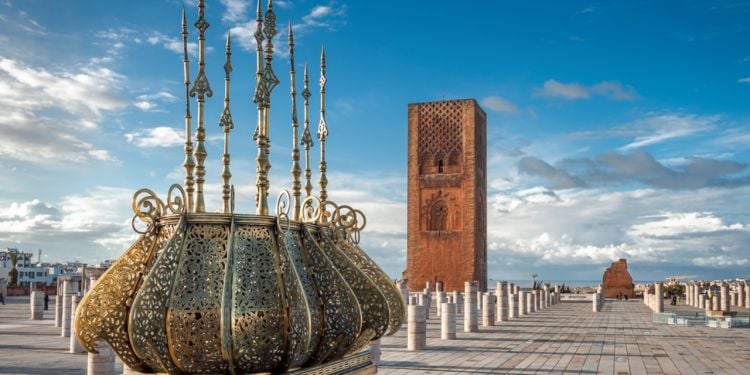
Things to do in Rabat
Rabat is a wonderful place to live as an expat, as it is a city full of beautiful historic sights, cultural attractions, and traditional ...
Daily Life in Rabat: Transportation and Lifestyle
Daily life in Rabat balances Moroccan traditions with modern conveniences. The city's manageable size, efficient public transport, and walkable historic districts make it easy to navigate. A strong café culture, open-air markets, and coastal promenades create an appealing lifestyle for residents who appreciate both urban amenities and historical charm.
Public Transportation
The Rabat-Salé tramway, inaugurated in 2011, is Morocco's first modern tram system and the backbone of public transport. Two lines cover 27 kilometers with 43 stations, connecting Rabat to neighboring Salé across the Bou Regreg River. The system transports approximately 160,000 passengers daily and operates from 5:30 AM to 11:00 PM. A single ride costs MAD 6 (approximately USD 0.60), while monthly passes cost around MAD 250 (USD 26). Annual passes for students cost MAD 2,500 (USD 260). Petit taxis (blue cabs) provide affordable point-to-point transport within the city, while grand taxis serve intercity routes. Ride-hailing apps including Careem and InDrive operate in Rabat. The ONCF train network connects Rabat-Ville and Rabat-Agdal stations to Casablanca (1 hour), Fez (2.5 hours), and Tangier via high-speed Al Boraq service (1 hour 20 minutes).
Lifestyle and Culture
Rabat operates at a slower pace than Casablanca. Shops typically open 9:00 AM to 7:00 PM, with a midday break common in traditional businesses. Friday is the main prayer day, and many establishments close during midday prayer time. The medina and souks offer traditional shopping, while modern malls like Mega Mall provide international retail options. Dining out is affordable, with meals at local restaurants starting around MAD 40 (USD 4). The city's beaches, including Plage de Rabat and nearby Temara Beach, offer weekend escapes. Moroccan Arabic (Darija) is the primary spoken language, with French widely used in business and education. English is increasingly common among younger professionals but less prevalent in daily interactions.
Sources: Transdev Rabat-Salé, ONCF Moroccan Railways
Cost of Living in Rabat: Monthly Budget Guide
Rabat offers a relatively affordable cost of living compared to European and North American cities, while providing quality urban amenities. Housing represents the largest expense, followed by education for families with children. Local products and services are inexpensive, though imported goods carry premium prices. Planning a realistic budget helps expatriates maintain a comfortable lifestyle.
Monthly Budget for a Single Person
A single professional can live comfortably in Rabat on a monthly budget of approximately MAD 8,000-12,000 (USD 830-1,250), excluding rent. This covers groceries, transportation, utilities, dining out, and entertainment. With rent for a one-bedroom city-center apartment, total monthly expenses typically range from MAD 12,000-16,000 (USD 1,250-1,660).
Expense Category | Monthly Cost (MAD) | Monthly Cost (USD) |
Rent (1-bedroom, city center) | 4,250 | 440 |
Utilities (electricity, water, internet) | 700 | 73 |
Groceries | 2,000 | 208 |
Transportation | 400 | 42 |
Dining and entertainment | 1,500 | 156 |
Total (single person) | ~8,850 | ~920 |
Monthly Budget for a Family of Four
Families should plan for higher housing costs, school fees, and general household expenses. International school tuition represents a significant budget item, ranging from MAD 40,000-280,000 (USD 4,200-29,000) annually depending on the institution. Private health insurance is recommended and costs approximately MAD 500-2,000 per person monthly.
Expense Category | Monthly Cost (MAD) | Monthly Cost (USD) |
Rent (3-bedroom, city center) | 10,090 | 1,050 |
Utilities (electricity, water, internet) | 1,000 | 104 |
Groceries | 4,000 | 416 |
Transportation | 800 | 83 |
International school (2 children, monthly avg.) | 8,000 | 830 |
Health insurance (family) | 3,000 | 312 |
Leisure and dining | 2,500 | 260 |
Total (family of four) | ~29,390 | ~3,055 |
Sources: Numbeo 2025, Rabat American School
In Short
Rabat offers expatriates a refined, secure, and culturally rich environment in which to live and work. Morocco's capital combines UNESCO-listed heritage sites with modern amenities, excellent international schools, and an affordable cost of living. The city's manageable size, efficient tram system, and proximity to beaches create an appealing quality of life. Whether drawn by diplomatic postings, technology sector opportunities, or the pursuit of academic studies, newcomers find a welcoming atmosphere and a strong expatriate community. The blend of Moroccan traditions with French influences provides a fascinating cultural experience, while the strategic location offers easy travel throughout Morocco and to Europe. For practical advice, housing tips, and connections with other expatriates, join the Rabat forum on Expat.com where residents share their experiences and support newcomers settling into life in Morocco's elegant capital.
We do our best to provide accurate and up to date information. However, if you have noticed any inaccuracies in this content, please contact us.


Essential services for your expat journey



