It might not be very perceptible in English but Mauritian towns and villages can have peculiar names, to say the least. Here is a rundown of how some Mauritian towns and villages were named.
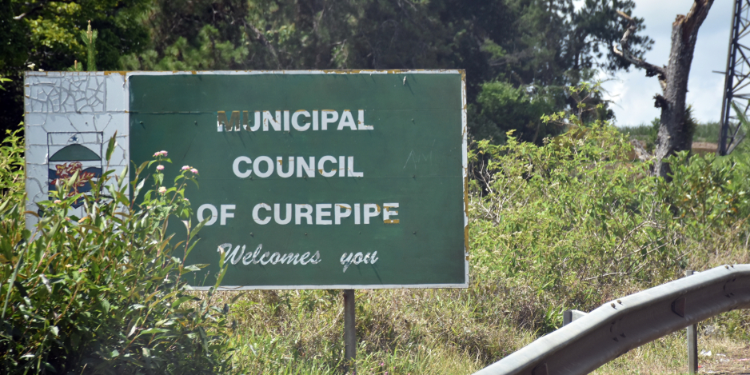
Curepipe, also known as the city of flowers, is one of the oldest towns on the island. It was used as a stop during trips from the South-East to the North-West of the island. It takes its name from the French occupation during which the travelers had set up a garrison where they cleaned (curer in French) their smoking pipes. And that's where the name Curepipe comes from!
A large part of the town of Rose-Hill is nestled at the bottom of the magnificent Corps de Garde mountain which faces the west of the island. At sunset, during “golden hour” as we call it in photography, the Guard Corps takes on a pinkish color. This is where Rose-Hill got its name, according to locals.
Join the Mauritius community
Get regular tips and advice to make the most of your expat life
Flic-en-Flac
Who has not been to Flic-en-Flac? It is one of the largest beaches of the island and one of the most popular too. What we do not know is that the name of this village in the west of the island dates back to the Dutch era. At that time it was called Fried Landt Flaak, which literally means large flat land. Over time, Fried Landt Flaak became Flic-en-Flac. And fortunately, too!
Before being renamed Port-Louis, the island's capital was called North-West Port. It was under the French occupation that Mahé de Labourdonnais renamed it Port-Louis in honor of King Louis XV who reigned over France at the time.
Mahebourg
It was once again under French colonisation that this small village in the south-east of the island was named Mahébourg in honor of Mahé de Labourdonnais, who was a governor
This village is located in the east of the island and is worth a visit! What does Quatre-Cocos mean? No, it's not the fruit. In Mauritius, intelligent people are said to be 'cocos', the English equivalent of "brainiacs". During the French period, four notables resided there, including Adrien d´Epinay, lawyer and anti-abolitionist who founded a newspaper on the island.
Quatre Soeurs and Deux Frères
Quatre Soeurs (Four sisters) and Deux Frères (two brothers) are two villages in the south-east of the island. These villages were named after the heirs of the Chéron family. The Chéron family which was, therefore, made up of… four girls and two boys.
Gris-Gris
Gris-Gris is a beach in the south of the island. In this part of the lagoon, there are no reefs and the sea is therefore very rough up to the beach. It's a bit of a dreary mood there, especially when the weather is not nice. This is how the place got its name Gris-Gris which is French for Gris-Gris.
This place, which is located just after Port-Louis, supplied the capital and the surrounding area with fodder. This is how he inherited the name Pailles (straw).