

The most significant price increase in 2019 was recorded in Vienna. Following a rise of 6.1%, a private room now costs an average of € 480 per month. If you'd rather rent a studio, expect to pay on average € 804 per month while a single bedroom apartment costs € 971. Barcelona's rental market is also suffering from a 9.6% rise in apartment prices. A single-bedroom apartment now costs around € 1,249 per month compared to € 896 for a studio and € 509 for a private room.
Madrid follows closely with an 8.5% rise in the price of private rooms (543 € per month) and 10.3% in the price of a studio (837 € per month). The average price of an apartment is currently € 1,127, up 5%. A notable increase in prices has also been recorded in Berlin and Brussels, where you will pay € 1,142 and € 963 respectively for an apartment.
As mentioned above, London remains the most expensive city in Europe in terms of rent, be it rooms, studios or apartments. In spite of a slight improvement in the last quarter of 2019, a single-bedroom London apartment still costs € 1,747 on average. In Amsterdam and Munich, there was an increase of 0.5% and 1.2% respectively in the price of private rooms.
On the other hand, Helsinki's rental market seems to have relatively stabilised at the end of 2019 - a single-bedroom apartment currently costs on average € 1,398 and a studio € 920 per month. However, there was a slight increase in the price of the rooms - € 669 on average per month. The same applies to Utrecht, in the Netherlands, where, apparently, there is a higher demand for rooms than apartments and studio. This is perhaps due to its student population. To rent a private room in Utrecht, count, on average, € 648 per month.
However, measures have been taken at the government level to alleviate the housing shortage in these cities, even though expected results haven't turned out yet.
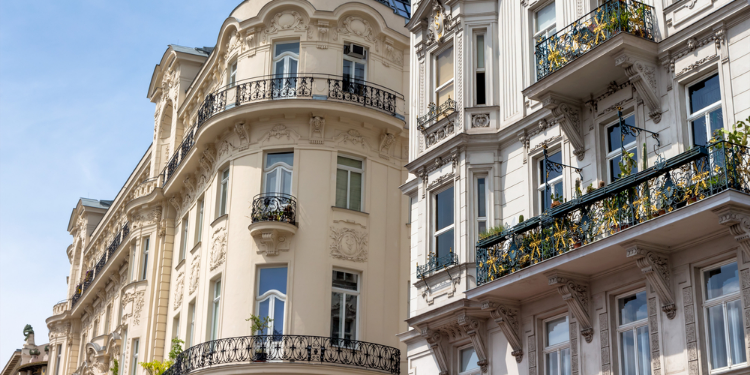
Rising rent prices in Europe
 © Shutterstock.com
While rents in expensive cities like London, Amsterdam, or Munich seem to have stabilised at the end of 2019, there was a significant rise in many European cities that used to be relatively affordable. The HousingAnywhere International Rent Index gives an insight into the saturated property market in Europe and what you should expect in the coming months.

Comments
 jcm706 years ago(Modified)Well done, liberals... Not! Wholesale import of peoples into saturated housing markets has once again set back the native citizenry. And for those who like numbers, take a look at those percentage increases in relation to the standard cost of living increases... Yes, housing costs are far outpacing other living expenses.
Essential services for your expat journey

Choose the best health insurance
Protect your health and get easy access to treatment for expats.

Plan your international move
Facilitate your move by getting a quote from our top rated movers.

Open a bank account that suits you
Discover the best international banks to manage your money securely.

Send money overseas at the best rate
For fast, safe and secure money transfers.
Further reading
Moving to London? What to know before renting your first home
Mauritius tightens foreign and coastal property rules
Can international students still afford housing?
Buying property abroad: How your relationship status can affect your purchase
What does “furnished” mean in housing rentals abroad
Mauritius rental market: Are rents falling for expats?
France to remove housing aid for non-European students
How to find a roommate abroad safely
Saudi Arabia opens property market to expats
Join the community
Get regular tips and advice to make the most of your expat life