

Living in Wellington: the ultimate expat guide
Everything you need to know for a successful life in Wellington.
Wellington, New Zealand's compact and vibrant capital, sits at the southern tip of the North Island where dramatic hills meet a stunning harbour. Home to approximately 215,000 residents in the city proper and over 500,000 across the greater metropolitan area, Wellington offers an exceptional quality of life that consistently ranks among the world's best. The city serves as the nation's political, cultural, and creative hub, housing Parliament, major government agencies, and a thriving arts scene. Known affectionately as the "Windy City," Wellington combines urban sophistication with easy access to nature, featuring walkable streets, excellent coffee culture, and a progressive, welcoming community that embraces diversity.
5 good reasons to move to Wellington
- Cultural Capital: Wellington is home to Te Papa Tongarewa (the national museum), world-class theatre, the New Zealand Film Archive, and the legendary Wētā Workshop, making it the creative heart of Aotearoa.
- Walkable Lifestyle: The compact city centre allows residents to walk to work, restaurants, and entertainment, reducing commute times and promoting a healthy, car-optional lifestyle.
- Strong Job Market: As the seat of government and home to major tech companies, Wellington offers excellent opportunities in public administration, IT, film, and professional services with median incomes above the national average.
- Outstanding Education: Two major universities, Victoria University of Wellington and Massey University's Wellington campus, provide world-class tertiary education alongside excellent public and private schools.
- Nature at Your Doorstep: The Zealandia wildlife sanctuary, Botanic Gardens, rugged coastlines, and surrounding bush reserves offer outdoor adventures within minutes of the city centre.
Working in Wellington
Wellington's economy is primarily service-based, with a strong emphasis on government, professional services, information technology, and the creative industries. As New Zealand's capital, the city hosts all major government departments, Parliament, and numerous public sector agencies, making it the country's administrative centre. In recent years, the tech sector has grown significantly, with Wellington becoming a hub for software development, digital innovation, and startup culture.
Key Employment Sectors
The largest employment industries in Wellington include professional, scientific, and technical services, public administration and safety, healthcare, and education. The city is also renowned for its film and special effects industry, home to Wētā Workshop and Wētā FX, which have worked on blockbusters including The Lord of the Rings, Avatar, and numerous Marvel productions. Major employers include government ministries, Victoria University of Wellington, Wellington Regional Hospital, and tech companies like Xero, Trade Me, and Datacom.
Work Permits and Visas
Skilled workers seeking employment in New Zealand typically require an Accredited Employer Work Visa (AEWV), which requires a job offer from an Immigration New Zealand-accredited employer. For those seeking permanent residence, the Skilled Migrant Category Resident Visa uses a simplified points system requiring a minimum of 6 points, earned through qualifications, occupational registration, or income. As of August 2025, the median wage threshold is NZD $33.56 per hour for ANZSCO Level 1-3 occupations. The Green List provides a direct pathway for occupations in high demand, including healthcare, engineering, IT, and construction roles.
The following table provides an overview of Wellington's employment landscape:
National Unemployment Rate (Q3 2025) | 5.3% |
Average Weekly Earnings (FTEs, 2025) | NZD $1,666 |
Major Sectors | Government, IT, Film & Creative, Professional Services, Healthcare |
Sources: Stats NZ, Immigration New Zealand
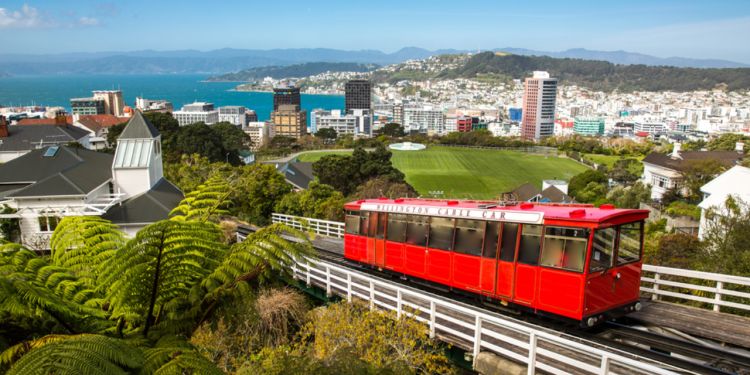
Working in Wellington
Wellington is the capital of New Zealand. As well as being the seat of the New Zealand Government, it is also home to a wide range of industries, ...
Higher Education and Universities in Wellington
Wellington offers excellent higher education opportunities, with two major universities serving both domestic and international students. The city's academic institutions are known for their research excellence, strong industry connections, and welcoming international communities.
Victoria University of Wellington (Te Herenga Waka)
Victoria University of Wellington ranks among the top 250 universities globally according to the 2025 QS World University Rankings, with particular strength in Law (top 50 globally), Arts and Humanities, and Environmental Studies. The university enrolls over 22,000 students, including approximately 4,000 international students from more than 100 countries. International undergraduate tuition fees range from approximately NZD $29,000 to $39,000 per year depending on the programme, while postgraduate fees vary by specialisation. PhD students studying from New Zealand pay domestic fees regardless of nationality. The university operates across multiple campuses, including Kelburn, Pipitea (CBD), and Te Aro.
Massey University – Wellington Campus
Massey University's Wellington campus specialises in creative arts, design, communication, and business programmes. Located in the vibrant Cuba Quarter, the campus is home to the prestigious College of Creative Arts, which offers programmes in fine arts, design, and communication. International tuition fees typically range from NZD $27,000 to $35,000 annually. Massey is one of New Zealand's largest universities and provides flexible study options including distance learning.
Admission Process
International students must demonstrate English language proficiency (typically IELTS 6.0-6.5 for undergraduate, 6.5-7.0 for postgraduate), hold appropriate academic qualifications, and obtain a Student Visa from Immigration New Zealand. Applications open approximately one year before the intended start date, with main intakes in February (Trimester 1) and July (Trimester 2).
Sources: Victoria University of Wellington, Massey University
Schooling for Children in Wellington
Wellington provides excellent schooling options for families, with high-quality public schools and a selection of private and international institutions. The New Zealand education system consistently ranks among the best in the world, emphasising practical learning, critical thinking, and creativity. The school year runs from late January to mid-December, divided into four terms.
Public Schools (State Schools)
New Zealand's state schools are government-funded and offer free education to citizens, permanent residents, and children of work visa holders. Schools follow the New Zealand Curriculum, with students working towards the National Certificate of Educational Achievement (NCEA) in secondary school. Wellington's public schools maintain high standards, though placement is typically based on geographic school zones (catchment areas). Popular school zones can influence property prices and rental demand in suburbs like Karori, Kelburn, and the Eastern Suburbs. Children of visa holders may be classified as domestic students and attend public schools without fees, depending on visa type.
Private and International Schools
Wellington offers several excellent private schools catering to various needs. Scots College (Strathmore Park) is a Presbyterian co-educational school offering all three International Baccalaureate (IB) programmes alongside NCEA, with fees ranging from approximately NZD $22,000-$28,000 per year. Queen Margaret College (Thorndon) is a private girls' school offering the IB Primary Years Programme and IB Diploma with bilingual options. Samuel Marsden Collegiate School (Karori) provides the IB Diploma Programme and Cambridge qualifications alongside NCEA. St Mark's Church School is Wellington's only co-educational IB Primary School.
Enrollment Process
For state schools, families should contact the school directly or apply through the Ministry of Education. International students may need to apply for a Dependent Child Student Visa. Private schools typically require application forms, academic records, and interviews, with waiting lists common at popular institutions. Early application is recommended.
Housing and Neighbourhoods in Wellington
Finding accommodation in Wellington requires some research, as the compact city means rental competition can be intense, particularly during peak seasons (January-February). Housing types range from modern city apartments to charming wooden villas in hillside suburbs, each offering distinct lifestyles and price points.
Rental Market Overview
According to the 2024 Trade Me Rental Price Index, Wellington's median weekly rent is approximately NZD $650. A one-bedroom apartment in the central city typically costs between NZD $450-$600 per week, while a two-bedroom apartment ranges from NZD $540-$700. A three-bedroom house in family-friendly suburbs costs approximately NZD $650-$900 per week depending on location. Rentals are typically unfurnished, and tenants usually pay a bond equivalent to up to four weeks' rent. Flatting (sharing a house) is common, with rooms in shared houses costing NZD $180-$300 per week.
Popular Neighbourhoods for Expats
Thorndon: Wellington's oldest suburb, located near Parliament and the CBD. Features beautiful heritage homes, excellent cafes on Tinakori Road, and proximity to the Botanic Gardens. Ideal for professionals seeking historic character and walkability.
Kelburn: A hillside suburb accessible by the iconic Cable Car, home to Victoria University and the Botanic Gardens. Offers stunning harbour views and a mix of student accommodation and family homes. Three-bedroom rentals average around NZD $750 per week.
Karori: Wellington's largest suburb, popular with families for its spacious homes, good schools, and access to Zealandia wildlife sanctuary. More affordable than central suburbs, with a suburban village atmosphere.
Mount Victoria: A vibrant hillside neighbourhood just minutes from the CBD and Courtenay Place entertainment district. Known for colourful wooden houses, excellent views, and a creative community.
Lower Hutt (Hutt Valley): A more affordable option approximately 15-20 minutes from central Wellington by train. Family-oriented with good schools, shopping centres, and newer housing developments.
Sources: Trade Me Property, Tenancy Services NZ
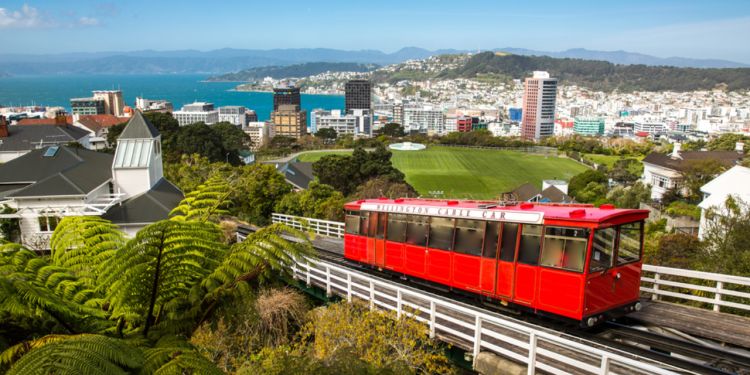
Accommodation in Wellington
New Zealand's capital Wellington is home to a wide range of things - the Government (located in the famous ‘Beehive'), a well-known ...
Leisure, Culture and Things to Do in Wellington
Wellington proudly wears its title as New Zealand's cultural capital, offering an exceptional array of museums, theatres, live music venues, and outdoor experiences. The city's compact layout means that world-class entertainment, nature reserves, and waterfront activities are all within easy reach.
Museums and Cultural Attractions
Te Papa Tongarewa (Museum of New Zealand) is the country's national museum, located on the waterfront at Cable Street. This six-storey institution houses over 800,000 artworks and specimens, featuring interactive exhibitions on New Zealand's natural history, Māori culture, and art. Entry is free for New Zealand residents; international visitors pay NZD $35. The acclaimed Gallipoli: The Scale of Our War exhibition, created with Wētā Workshop, runs until April 2032. Other notable attractions include Wellington Museum (maritime and city history), Zealandia (a 225-hectare ecosanctuary with rare native wildlife), and Wētā Workshop tours in Miramar, where visitors can explore the creative studio behind blockbuster films.
Arts, Theatre, and Live Entertainment
Wellington boasts more than 300 annual performing arts events, with venues including Circa Theatre, BATS Theatre, and the Opera House. The city hosts major festivals including the New Zealand Festival (biennial arts festival), Wellington Jazz Festival, and CubaDupa (street festival). Live music thrives at venues like San Fran, Meow, and Moon Bar. The annual World of WearableArt (WOW) awards attract international designers and visitors.
Outdoor Activities and Recreation
The Wellington Botanic Garden spans 25 hectares of native bush, themed gardens, and heritage roses, accessible via the iconic Cable Car. Mount Victoria Lookout provides panoramic city and harbour views and connects to extensive walking trails. The Makara Peak Mountain Bike Park offers trails for all skill levels. The waterfront promenade is perfect for walking, cycling, and kayaking, while nearby Red Rocks Reserve features a seasonal New Zealand fur seal colony. Day trips to the Kāpiti Coast, Martinborough wine region, or Palliser Bay are easily accessible.
Sources: Te Papa, WellingtonNZ
Daily Life in Wellington
Living in Wellington means embracing a lifestyle that balances urban convenience with outdoor adventure. The city's compact size, excellent public transport, and strong community focus make daily routines straightforward and enjoyable.
Getting Around
Metlink operates Wellington's integrated public transport network, including buses, trains, and harbour ferries. The bus network covers the central city and surrounding suburbs, while train lines connect the CBD to the Hutt Valley, Kāpiti Coast, and Wairarapa regions. Fares are zone-based and paid using a Snapper card (contactless payment card) or credit/debit card. As of 2024, a typical peak-hour bus fare within the central city costs approximately NZD $2.50-$4.00, with 50% off-peak discounts available. A monthly commuter pass costs around NZD $200-$280 depending on zones. The famous Wellington Cable Car runs between Lambton Quay and Kelburn, serving as both transport and tourist attraction. Many residents walk or cycle to work, taking advantage of the city's pedestrian-friendly layout.
Lifestyle and Culture
Wellington's lifestyle revolves around its renowned café culture—the city has more cafes and restaurants per capita than New York City. Cuba Street serves as the bohemian heart with independent boutiques, vintage stores, and street performers. Weekend mornings often involve visits to local farmers' markets or brunches in suburbs like Newtown, Petone, or Island Bay. Despite its reputation as the "Windy City," Wellingtonians embrace the weather with a practical approach—a good windproof jacket is essential. Summer evenings see the waterfront come alive with outdoor dining, while winter brings cosy pub sessions and cultural events.
Shopping and Services
Major supermarkets include Countdown, New World, and Pak'nSave, with international groceries available in suburbs like Newtown (Asian groceries) and Kilbirnie. Banking services are widely accessible, with major banks including ANZ, Westpac, ASB, and BNZ offering expat-friendly accounts. Healthcare is primarily provided through the public system, though private health insurance is recommended for faster access to specialists.
Sources: Metlink, WellingtonNZ
Cost of Living in Wellington
Wellington is one of New Zealand's more expensive cities, though it remains affordable compared to many international capitals. According to Numbeo data for 2025, a single person's monthly costs (excluding rent) average approximately NZD $1,750, while a family of four can expect around NZD $6,400 excluding rent. Housing is typically the largest expense, followed by groceries and transportation.
Monthly Budget for a Single Person
The following table outlines estimated monthly expenses for a single professional living in central Wellington:
One-bedroom apartment (city centre) | NZD $2,000 – $2,400/month |
Utilities (electricity, water, internet) | NZD $200 – $280/month |
Groceries | NZD $400 – $550/month |
Public transport (monthly pass) | NZD $200 – $280/month |
Dining and entertainment | NZD $300 – $500/month |
Health insurance (basic) | NZD $100 – $200/month |
Estimated Total | NZD $3,200 – $4,200/month |
Monthly Budget for a Family of Four
The following table provides estimated monthly costs for a family of four living in a suburban area:
Three-bedroom house (suburbs) | NZD $2,800 – $3,600/month |
Utilities (electricity, water, internet) | NZD $350 – $450/month |
Groceries | NZD $1,000 – $1,400/month |
Transport (car costs or family passes) | NZD $400 – $600/month |
Private school fees (one child) | NZD $1,800 – $2,500/month |
Family health insurance | NZD $350 – $500/month |
Leisure and activities | NZD $400 – $600/month |
Estimated Total | NZD $7,100 – $9,650/month |
Note: Public schools are free for residents. Figures above include private schooling. Actual costs vary based on lifestyle choices.
In short
Wellington offers a rare combination of career opportunities, cultural richness, and outstanding quality of life in a compact, walkable setting. The city rewards those who appreciate creativity, good coffee, outdoor adventure, and a strong sense of community. Despite its famously windy weather, Wellingtonians embrace their environment with enthusiasm—after all, "you can't beat Wellington on a good day" is a saying for a reason. Whether you're drawn by government or tech sector opportunities, world-class education, or simply the desire to live somewhere genuinely unique, Wellington delivers an authentic New Zealand experience without the sprawl of larger cities. Ready to connect with others making the move? Join the Expat.com Wellington forum to share experiences, ask questions, and become part of a welcoming community of newcomers and long-time residents alike.
We do our best to provide accurate and up to date information. However, if you have noticed any inaccuracies in this content, please contact us.


Essential services for your expat journey



