

 Guide updated by Natallia Slimani-Mercier on 02 December 2025
Tunisia attracts numerous expatriates each year, drawn by its proximity to Europe, its sunny Mediterranean climate, and its affordable cost of living. Located in North Africa, this Francophone destination offers a stable environment, a pleasant quality of life, and a recognized cultural richness. With around 12 million inhabitants, the country is home to a significant French community.
5 great reasons to choose Tunisia
- Ideal proximity to France: just a 2.5-hour flight from Paris, making it easy to maintain close connections with Europe.
- Attractive cost of living: significantly lower than in most European countries, making it perfect for retirees and families.
- Francophonie: French is commonly used in business, administration, and everyday life.
- Pleasant climate: over 300 days of sunshine each year, with mild winters and bright summers.
- Serene lifestyle: between sea and desert, with festivals, gastronomy, local crafts, and entrepreneurship, Tunisia also charms with its creative energy and cultural vibrancy.
The Expat.com guide has been designed to help you prepare for your expatriation in Tunisia under the best conditions. You will find all the essential information on visas, employment, housing, healthcare, daily life, and local integration.
Official language: Arabic (French is widely used) | Local currency: Tunisian Dinar (TND) | Time difference from France: none in winter, +1 hour in summer | Flight duration Paris - Tunis: approximately 2.5 hours |
Your setup journey
Guide in 14 steps. Click any step below to jump directly to the section you need.
01Where to live in Tunisia?
Your choice of residence will depend on your professional, family, and lifestyle priorities. Tunisia offers a beautiful diversity of settings, ranging from bustling coastal cities to more tranquil inland regions.
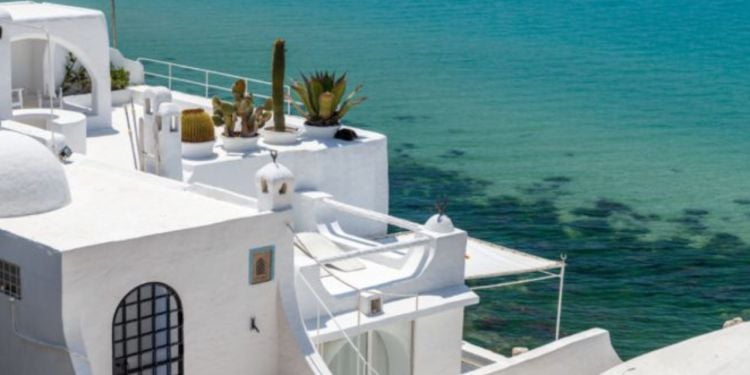
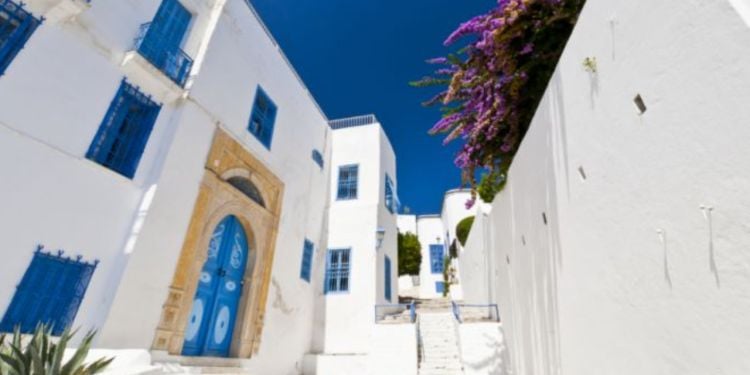
Tunis and its surrounding areas are home to nearly 70% of the French community, drawn by the professional opportunities, modern infrastructure, and vibrant cultural life. The most sought-after neighborhoods include La Marsa, Carthage, Sidi Bou Saïd, and Gammarth, all located by the sea, or more residential areas like Mutuelleville and El Menzah.
Outside the capital, Sousse and Monastir strike a great balance between vibrancy and coastal living. Nabeul and Hammamet appeal to those seeking a more laid-back seaside atmosphere, while Sfax, which feels more authentic, attracts visitors for its economic activity. Bizerte in the north and Djerba in the south are cherished for their tranquility and high quality of life.
Before settling in, take the time to explore several cities to find the one that best meets your expectations.
02Formalities and visas in Tunisia
If you’re planning to settle in Tunisia, certain procedures are mandatory depending on your nationality and the length of your stay. As of January 1, 2025, entry requirements have changed: it is now mandatory to present a valid passport that is valid for at least three months after the date of entry. The national identity card is no longer accepted.
French nationals do not need a visa for stays of less than three months. For stays longer than this, it is necessary to apply for a visa and a residence permit from the Tunisian Ministry of the Interior. After three years of legal residence, a residence permit valid for ten years may be issued, allowing you to live and work in Tunisia more permanently.
💡 Useful tips
- Start your procedures several months before your departure to account for administrative delays.
- Prepare your essential documents (civil status, diplomas, work contract, driving licence...) and have them translated if necessary.
- Check the current regulations regularly on the French Ministry of Europe and Foreign Affairs website.
- If you overstay your visa, a fine proportional to the length of your overstay will be applied upon exit from the country.
Join the discussion on the forum
03Working in Tunisia
The Tunisian economy is undergoing a significant transformation, with the rise of promising sectors such as information technology, services, tourism, manufacturing, and call centers. The job market is competitive but remains dynamic for skilled profiles. Both French and English are widely used in the professional realm, making it easier for expatriates to integrate.
Tunisia also attracts many students and young international graduates looking to intern or gain first professional experience locally. Work permits and employment conditions for foreigners follow specific regulations, which are important to understand before moving. The government also encourages foreign investment by streamlining procedures and providing tax incentives. Foreign companies are taxed at a rate of 20% on their profits, with progressive exemptions available during the first four years of operation.
Most sought-after profiles
- IT and digital transformation specialists
- Finance and accounting professionals
- Engineers in the energy and industrial sectors
- Managers in tourism and hospitality
- Call center and customer service agents
💡 Key points
- The job market favors local labor, but rare and technical skills are in demand.
- The national minimum wage (SMIG) is set at 528 TND/month for 48 hours (approximately €155) or 448 TND/month for 40 hours (approximately €130).
- Discrepancies between graduates and market needs create opportunities for qualified expatriates.
Unemployment rate: Approximately 15.7% in 2025 | Legal working hours: 40 to 48 hours/week, depending on the sector | Minimum wage: 528 TND/month (approximately €155) for 48h/week | Income tax: progressive from 0% to 40% | Corporate tax: 20%, VAT at 19% |


04Accommodation in Tunisia
Finding accommodation in Tunisia is relatively straightforward, with rents generally more affordable than in Europe. Renting remains the most popular choice among expatriates, especially during their initial months. Contracts are typically drawn up for a year, with a security deposit equivalent to two months’ rent. Prices can vary significantly based on city and neighborhood. In Tunis, expect to pay between 800 and 1,300 TND per month (approximately €230 to €375) for a 2-room apartment (1 bedroom) in the city center, and between 1,500 and 3,000 TND (about €430 to €860) for a 4-room apartment (3 bedrooms) or a villa. In sought-after areas such as La Marsa, El Menzah, or Les Berges du Lac, rents can be higher. In smaller towns, prices often drop to 300-500 TND per month (approximately €85 to €145).
Buying property is allowed for foreigners but requires authorization from the Ministry of the Interior. This option attracts investors, but it involves specific administrative procedures and notary fees.
Discover more
Join the discussion on the forum
05Cost of living in Tunisia
Tunisia offers a very affordable cost of living compared to France and most European countries. Monthly expenses vary depending on your lifestyle, but remain accessible for the majority of expatriates. A single person can live comfortably on 1,400 to 2,600 TND/month (approximately 405 to 755 €), while a family of four will need between 6,000 and 11,000 TND/month (around 1,740 to 3,190 €).
For a single person | For a family of 4 | |
Food | 200 to 400 TND (approximately 60 to 120 €) | 600 to 1,000 TND (approximately 175 to 295 €) |
Utilities (water, electricity, internet, phone...) | 80 to 150 TND (approximately 25 to 45 €) | 150 to 300 TND (approximately 45 to 90 €) |
Healthcare (excluding insurance) | 50 to 150 TND (approximately 15 to 45 €) | 200 to 400 TND (approximately 60 to 120 €) |
Leisure & Entertainment | 100 to 250 TND (approximately 30 to 75 €) | 250 to 500 TND (approximately 75 to 150 €) |
Education (if you have children) | / | 3,000 to 12,000 TND/year per child (approximately 880 to 3,500 €/year) |
Rent | 800 to 1,300 TND (approximately 230 to 375 €) for a one-bedroom apartment in downtown Tunis | 1,500 to 3,000 TND (approximately 430 to 860 €) for a three-bedroom apartment in downtown Tunis |
Transport | 50 to 120 TND (approximately 15 to 35 €) | 150 to 350 TND (approximately 45 to 105 €) |
Subscriptions (gym, clubs, streaming services…) | 30 to 80 TND (approximately 9 to 24 €) | 80 to 150 TND (approximately 24 to 45 €) |
Imported Goods (organic products, wines, cheeses…) | 100 to 200 TND (approximately 30 to 60 €) | 200 to 400 TND (approximately 60 to 120 €) |
Household Help (common for families in Tunisia) | / | 300 to 500 TND (approximately 90 to 145 €) |
Income Tax | Progressive rate from 0% to 40% | Progressive rate from 0% to 40% |
Join the discussion on the forum
06Health care in Tunisia
The Tunisian health system is one of the most developed in Africa, offering a medical standard comparable to European standards. It consists of two complementary sectors:
- The public sector: governed by the National Health Insurance Fund (CNAM), provides affordable care to registered residents. A consultation costs between 20 to 30 TND (approximately 6 to 10 €). However, waiting times can be long to see a specialist or undergo a procedure. The facilities vary by region, with better access to healthcare in major cities like Tunis or Sfax.
- The private sector: favored by most expats, it offers quick access to modern equipment and healthcare staff who are often English-speaking. Average rates range from 20 to 40 TND (approximately 10 to 20 €) for a general practitioner and 40 to 60 TND (about 20 to 30 €) for a specialist. A night in a private hospital costs between 100 to 180 TND (approximately 32 to 58 €), and a delivery can range from 2,000 to 5,000 TND (approximately 650 to 1,600 €) depending on complexity.
TheFranco-Tunisian social security agreement allows French expatriates employed locally to benefit from Tunisian coverage; however, this remains limited for private care. Therefore, it is advisable to take out international health insurance or register with the French Citizens Abroad Fund (CFE), supplemented by a private mutual insurance.
💡 Good to know
- No mandatory vaccinations are required for entry into Tunisia, but it is recommended to be up to date on universal vaccinations (DT-Polio, Hepatitis B) and to protect against Hepatitis A and Typhoid if staying for an extended period.
- Emergency numbers: 190 (ambulance) - 197 (police).
- Pharmacies are widely available and provide on-call service; some antibiotics can be obtained without a prescription.
- Dental and optical care fall under the private sector and are rarely covered by basic insurance.



Join the discussion on the forum
07Finance and banks in Tunisia
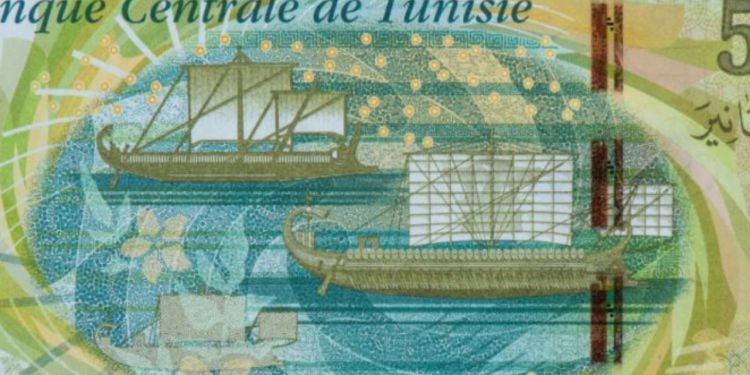
Managing your finances effectively is key to a successful relocation to Tunisia. The Tunisian banking system is modern and stable, under the supervision of the Central Bank of Tunisia. With a cost of living significantly lower than in France, it's possible to live comfortably on a modest budget. The Tunisian tax system is especially favourable for French retirees, but it's crucial to understand the bilateral agreements in place.
💡 Our tips
- Open a local bank account as soon as you arrive: this is essential for receiving your income, paying your rent, and settling your bills. Major Tunisian banks like BIAT, BNA, and UBCI offer account openings in-branch or remotely, requiring a passport, proof of residence, and income.
- Learn about the local taxation: the Franco-Tunisian tax convention helps avoid double taxation. If you stay in Tunisia for more than 183 days a year, you will be taxed on your worldwide income here. The tax exemption of 80% on transferred pensions makes this arrangement especially attractive for retirees.
- Opt for regular bank transfers: to benefit from this tax exemption, transfer all or part of your pension to a Tunisian account.
- Budget your expenses wisely: housing remains the largest expense, but food, transport, and personal services are very affordable compared to France.
Discover more
08Retiring in Tunisia
Tunisia attracts several retired expats thanks to its Mediterranean climate, its proximity to France, and its affordable cost of living. Most foreign retirees are either former expats who worked in the country or French citizens drawn by the fiscal benefits and quality of life that Tunisia offers. Retiring in Tunisia means enjoying a warm and welcoming environment and comfortable infrastructure in major cities like Tunis, Sousse, or Hammamet.
3 major advantages
- Attractive taxation: an 80% deduction on pensions transferred to Tunisia, meaning you pay taxes on only 20% of the transferred amount. Non-transferred pensions enjoy a 25% exemption.
- Affordable cost of living: significantly lower than in France, providing greater purchasing power for housing, food, transportation, and leisure activities.
- Accessible healthcare system: modern medical facilities in the private sector, with costs lower than in France.
💡 Important information
- There is no specific retirement visa. To reside in Tunisia, you must apply for a residency card within three months of arrival, proving a minimum monthly transfer of €400 into a local bank account.
- According to the Franco-Tunisian tax agreement, retirees residing in Tunisia for more than 183 days a year must declare their income to the Tunisian authorities.
- For a comfortable standard of living that includes housing, utilities, and leisure, plan for a monthly income of around 1,500 to 2,500 TND (approximately €400 to €650) per person.
- Retirees do not benefit from medical coverage in Tunisia; joining the Caisse des Français de l’Étranger (CFE) is highly recommended.
09Studying in Tunisia
Thanks to its French-language education and recognized universities, Tunisia stands out as an accessible and welcoming destination for international students. The country has over 80 higher education institutions, including 14 public universities and 84 accredited private establishments. Notable public universities include Tunis El Manar University, Carthage University, Sfax University, and Manouba University.
Why study in Tunisia?
Tunisian universities offer worldwide-recognized programs, primarily taught in French, which greatly eases the integration process for French-speaking students. The LMD system (Bachelor-Master-Doctorate) is implemented, and the degrees are globally acknowledged. The cost of studies in public institutions remains affordable, ranging from 1,000 to 3,000 dinars per year (approximately 300 to 900 euros), significantly cheaper than in many European countries. Private institutions offer programs in various fields such as engineering, management, law, paramedical sciences, and aviation, with fees varying based on the institution's reputation.
💡 Our tips
- Ensure that the chosen institution appears on the official list of accredited institutions by the Ministry of Higher Education.
- Plan for your student residence permit application with the Ministry of the Interior.
- Prepare a budget for housing, as university accommodations are limited and sharing apartments is common.
- Inquire about the equivalence of your degrees with the relevant authorities to ease your potential return.
Discover more

10Education and schools in Tunisia
The Tunisian education system is mandatory for children aged 6 to 16, with instruction provided in Arabic and French. Expat families have several options to choose from based on their linguistic, educational, and budgetary priorities.
Choice of schools
- Tunisian Public Schools: Free and known for their rigor, they offer a complete immersion in the local culture, with instruction primarily in Arabic and French taught as a second language.
- Tunisian Private Schools: More financially accessible than French or international institutions, these schools provide bilingual education (Arabic-French) and modern facilities. Tuition fees range from 3,000 to 8,000 TND/year (approximately €1,000 to €2,600).
- French Schools: Tunisia boasts over 30 accredited institutions by AEFE, located in Tunis, La Marsa, Sousse, Sfax, Nabeul, Djerba, Bizerte, Gafsa, and Kairouan. Among the most renowned are: Lycée Gustave-Flaubert and Lycée Pierre-Mendès-France in Tunis, Lycée Philippe-Séguin in Sousse, and Lycée International Victor-Hugo in Djerba. Tuition fees typically range from 11,000 to 24,000 TND per year (approximately €3,300 to €7,700), depending on the grade level and nationality of the student.
- International Schools: In Tunis, schools like The British School, The American School, The Canadian School, or The International School of Tunis offer British, American, or IB curricula in a cosmopolitan setting. Tuition fees range from 7,000 to 26,000 TND per year (approximately €2,200 to €8,000), and can be higher depending on the level of education and institution.
💡 Practical tips
- Admissions for French schools are handled via the AEFE portal. Plan, as spaces are limited.
- Scholarships are available for families of modest means (from preschool to high school) in the French system.
- Some institutions may require an entrance exam for non-French-speaking students or those coming from the Tunisian school system.
- Be prepared for additional fees (uniforms, lunches, extracurricular activities).
11Moving to Tunisia
Preparing for an international move to Tunisia requires foresight and good organization:
- Maritime transport is the most common option, even for smaller shipments, thanks to shared container arrangements. It’s advisable to plan your departure two to three months in advance to book transportation and coordinate with teams.
- Compare several international moving companies, ensuring you include a comprehensive insurance policy for your belongings. Prepare a detailed inventory of your personal effects, which is required for customs clearance. Used goods are generally imported duty-free, but taxes may apply to new appliances, alcohol, and tobacco. A duty-free admission request must also be submitted.
- Gather your essential documents (passport, work contract, diplomas, birth certificate, marriage certificate, proof of residence), and have them translated into French or Arabic if necessary.
- Check the electrical compatibility of your devices: Tunisia uses 230 V / 50 Hz with type C and E plugs, which are the same as those in France.
- If you’re traveling with a pet, it must be identified with a microchip and have a veterinary health certificate showing a valid rabies vaccination (dated between 30 days and 12 months before arrival). Certain dangerous dog breeds are banned from importation.
Discover more
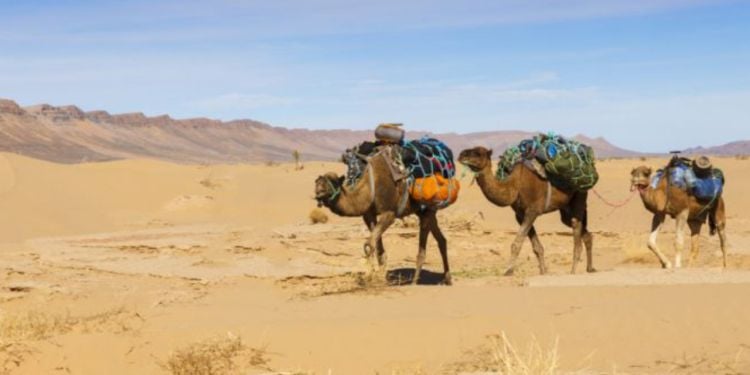

12Everyday life in Tunisia
Living in Tunisia means embracing a Mediterranean rhythm where friendliness is at the heart of everyday life. The country charms with its blend of modernity in bustling cities and the authenticity of its coastal and inland regions, along with its sunny climate, proximity to Europe, and affordable cost of living. Expats particularly appreciate the richness of the local cuisine, the diversity of landscapes, and the warmth of Tunisian hospitality.
Good to know
- Transportation in Tunisia is varied: buses, taxis, and louages (shared taxis) serve the whole country, while the light metro connects Tunis to its suburbs. However, having a car is often practical for travelling between regions.
- The telecommunication and internet infrastructure is reliable: 4G covers most of the territory and fiber optic is available in larger cities. Mobile plans start at about 10 to 20 TND/month (approximately €3 to €6), while a fiber optic subscription costs around 55 TND/month (about €16).
- The Tunisian lifestyle emphasizes family meals and shared moments. Working hours generally stretch from 8 AM to 5 PM, with a lunch break between 12 PM and 2 PM.
- Tunisian cuisine combines Berber, Arab, and Mediterranean influences. Local restaurants remain very affordable, and major cities also boast a variety of international food options.
- The nightlife is lively in tourist areas and trendy neighborhoods of Tunis, with cafés, bars, and restaurants open late into the night.
- The weekend runs from Saturday to Sunday. During Ramadan, schedules are adjusted and daily life slows down during the day.
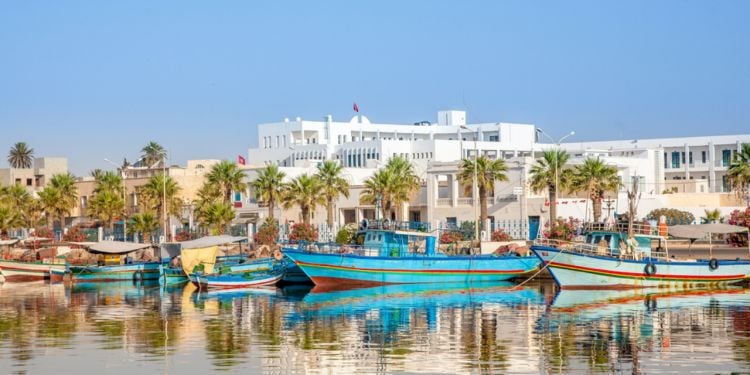

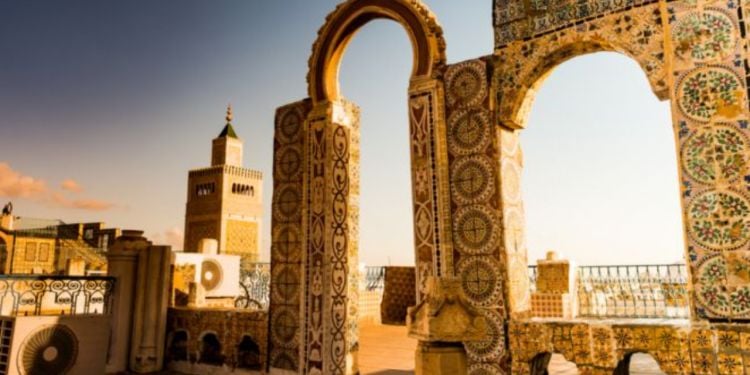
13Leisure in Tunisia
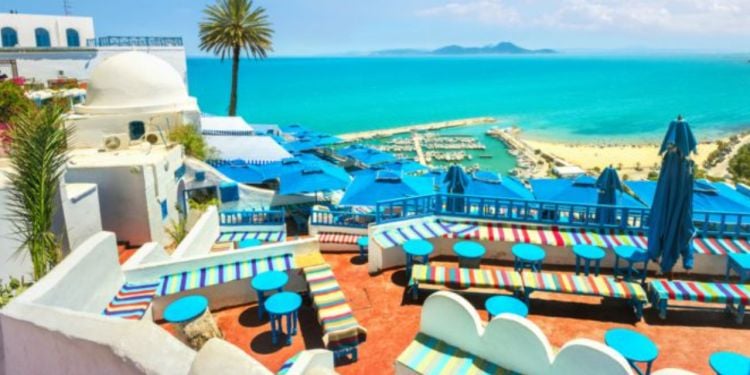
Tunisia offers a wide range of activities that appeal to all types of expatriates. With its stunning Mediterranean beaches, the vast Saharan desert, and significant historical sites, the country perfectly blends culture, relaxation, and adventure. You can enjoy the friendly atmosphere of the Tunisian cafes, stroll through the vibrant souk, and take weekend getaways to beach resorts or archaeological sites.
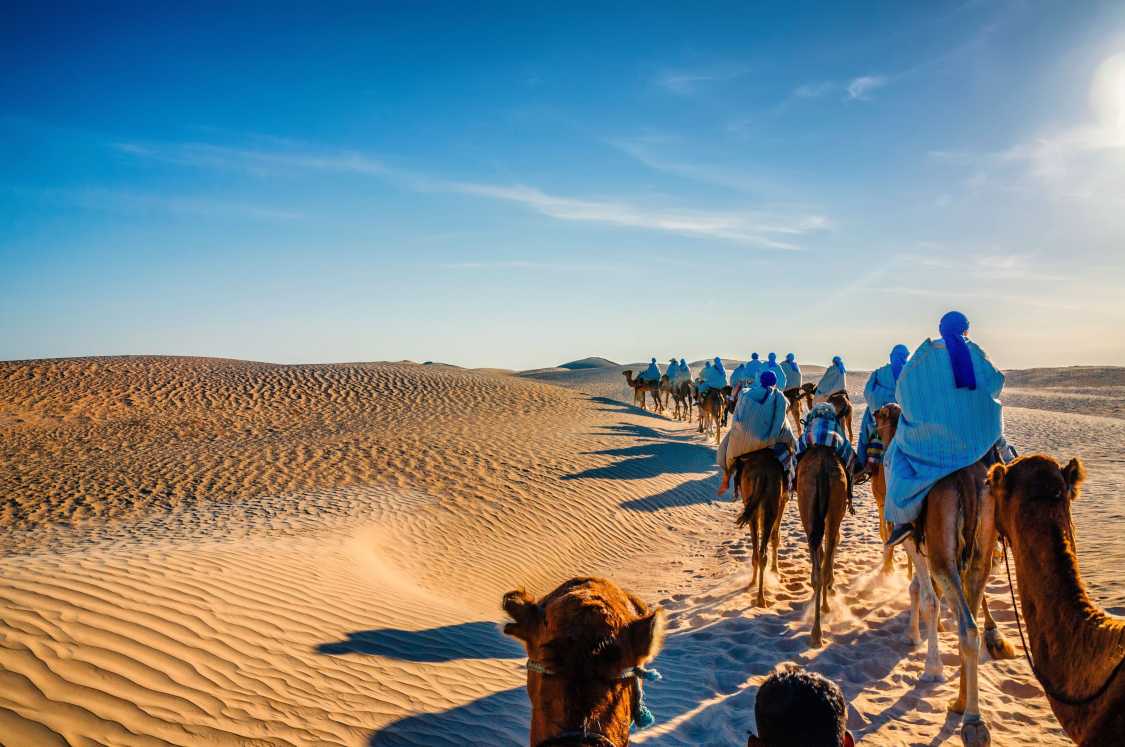
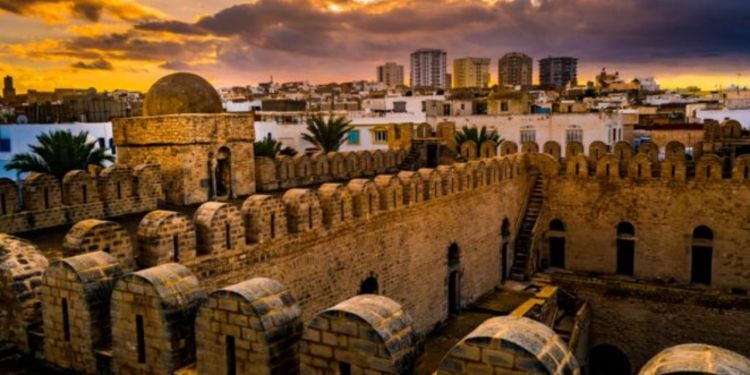
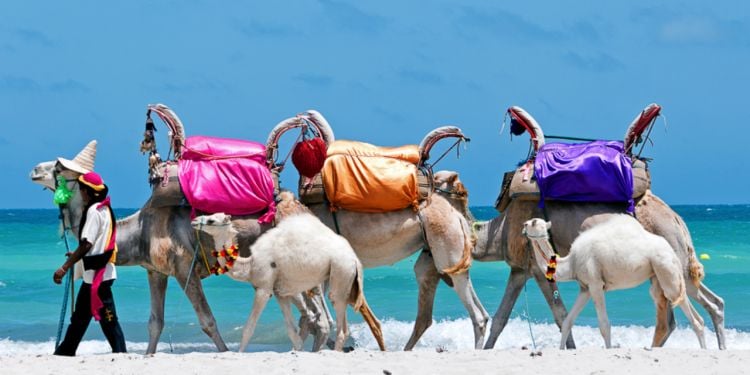
Culture enthusiasts can visit the Bardo Museum in Tunis, explore the medinas listed by UNESCO, or enjoy music and theatre festivals held throughout the year. Sports enthusiasts will find plenty of options, including hiking, golf, diving, horseback riding, or desert excursions in a 4x4 or on a camel.
Must-see experiences:
- Tunisian cuisine, known for its delicious and spicy dishes like couscous, briks, tajines, and Oriental pastries (such as makrouds and baklavas).
- Traditional hammams for a wellness experience featuring steam baths, scrubs, and massages.
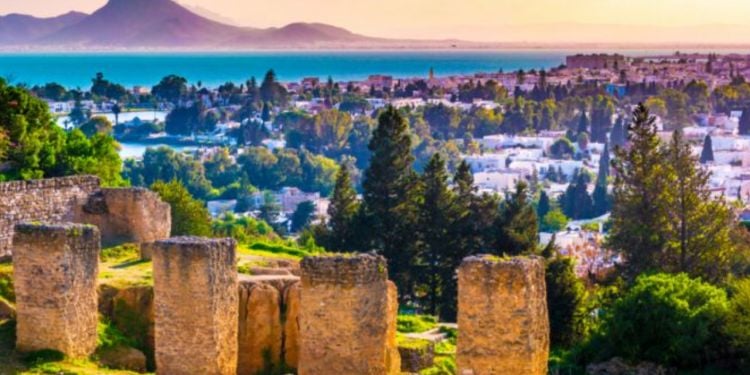
- Key historical sites: Carthage, El Jem, Dougga, and the stunning natural settings in the south that served as filming locations for Star Wars.
Discover more
Join the discussion on the forum
14Things to keep in mind
Plan for your administrative tasks: visa, residence permit, health insurance, and, if necessary, vehicle importation.
Take the time to read our articles on employment, housing, taxation, and healthcare in Tunisia.
Don’t hesitate to ask your questions on the Tunisia forum, where the expatriate community shares insightful advice and experiences!
To help you integrate, discover Tunisian culture, including its cuisine, its beaches, and its Mediterranean lifestyle, which is both warm and relaxed.
Moving to Tunisia means discovering a welcoming country rich in its millennia of history and focused on the future. Good preparation is essential for your project to succeed. We hope this Expat.com guide has provided you with the necessary keys to organize your relocation and fully enjoy your new life in Tunisia.
Join the Tunisia community
Get regular tips and advice to make the most of your expat life
Essential services for your expat journey




Forum topics on living in Tunisia
Discover forums topics on expat life in Tunisia: join the conversation, ask your questions, get advice and share your experience.