Living in Dakar: the ultimate expat guide
Everything you need to know for a successful life in Dakar.
Dakar, the vibrant capital of Senegal, sits on the Cap-Vert Peninsula as the westernmost city on mainland Africa. With a metropolitan population of approximately 4 million, this coastal hub blends rich cultural heritage with modern development. The city serves as West Africa's economic and diplomatic center, hosting numerous international organizations, embassies, and multinational companies. Dakar offers expatriates a unique combination of Atlantic coastline living, warm hospitality known as Teranga, and a relatively stable political environment compared to neighboring countries.
Five Reasons to Move to Dakar
- Strategic location – Positioned at the crossroads of Africa and Europe, with direct flights to major international destinations and a modern airport.
- Thriving expat community – A well-established international community with diplomatic missions, NGOs, and global businesses creating networking opportunities.
- Cultural richness – UNESCO World Heritage sites, world-class museums, vibrant music scene, and renowned Senegalese cuisine.
- Coastal lifestyle – Beautiful beaches, surfing spots, and oceanfront dining along the Atlantic coast.
- Modern infrastructure – New electric BRT system, regional express train (TER), and ongoing urban development projects.
Working in Dakar: Opportunities and Requirements
Dakar functions as Senegal's economic engine, concentrating the majority of the country's business activity, financial services, and international organizations. The job market offers opportunities across diverse sectors, though competition exists for skilled positions. Understanding work permit requirements and key industries helps expatriates navigate employment successfully.
Key Employment Sectors
The city's economy spans multiple growth sectors. Technology and fintech are expanding rapidly, with companies like Wave revolutionizing mobile payments. The oil and gas sector is creating thousands of jobs following significant offshore discoveries. Tourism and hospitality continue growing around cultural attractions. International development organizations maintain regional headquarters here, offering positions in humanitarian and development work. Mining, construction, and agriculture also drive demand for skilled professionals.
Work Permits and Visas
Foreign nationals working in Senegal for more than 90 days must obtain a work permit (Permis de Travail) and residence permit (Carte d'Identité d'Étranger). The process is employer-sponsored, meaning your Senegalese employer initiates the application with the Ministry of Labor. Work permits are typically issued for 2 years and are renewable. Citizens of ECOWAS member states are exempt from work permit requirements under the Lagos Treaty. Processing takes several weeks, so early application is advisable.
The table below summarizes key employment indicators:
Unemployment Rate (ILO) | Approximately 3% (2024) |
Minimum Wage | XOF 150,000/month (~USD 250) |
Average Salary (Dakar) | XOF 226,500/month (~USD 380) |
Key Sectors | Finance, IT/Fintech, Oil & Gas, Tourism, Development |
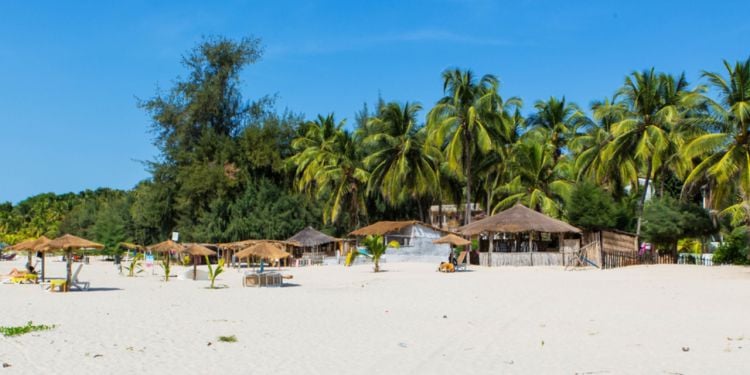
Working in Dakar
Dakar is the westernmost city of mainland Africa and has been Senegal's capital since 1960. The wider Dakar metropolitan area is home to an estimated ...
Higher Education and Universities in Dakar
Dakar serves as West Africa's premier educational hub, hosting the region's largest French-speaking university and numerous specialized institutions. International students benefit from established exchange programs, affordable tuition compared to Western institutions, and opportunities to study French and African languages.
Cheikh Anta Diop University (UCAD)
Cheikh Anta Diop University (UCAD), founded in 1957, ranks among Africa's most prestigious institutions with over 80,000 students. Named after the renowned Senegalese historian and anthropologist, UCAD comprises six faculties: Economics and Management, Letters and Human Sciences, Science and Technology, Medicine and Pharmacy, Legal and Political Sciences, and Education. The university follows the LMD system (Licence, Master, Doctorate) and delivers instruction primarily in French. UCAD hosts numerous international exchange programs with universities in the United States, Europe, and across Africa.
Admission and Tuition
International students typically need a secondary school certificate equivalent to the French Baccalauréat and must demonstrate French proficiency at B1 level or above. The Institut de Français pour Etrangers (IFE) offers preparatory French courses. Tuition at public universities remains affordable, with annual fees ranging from XOF 50,000 to 150,000 (~USD 85–250) depending on the program. The academic year runs from October to July.
Additional institutions include Gaston Berger University in Saint-Louis, private business schools like ISM Dakar and BEM Dakar, and technical institutes offering specialized training. For official information, visit UCAD's official website.
Sources: Université Cheikh Anta Diop, World Higher Education Database (IAU)
Schools and Education for Expatriate Children
Dakar offers excellent educational options for expatriate families, with international schools following various curricula including American, British, French, and International Baccalaureate programs. Most schools concentrate in expat-friendly neighborhoods like Almadies and Mermoz, providing quality education alongside diverse student bodies representing numerous nationalities.
International Schools Overview
The International School of Dakar (ISD), established in 1983, serves as the premier English-medium institution, offering the full IB continuum (PYP, MYP, Diploma) for students from Pre-K through Grade 12. With approximately 800 students from over 50 nationalities, ISD maintains small class sizes and a maximum of 20 students per class. Dakar Academy provides American-curriculum education with a Christian foundation, serving Pre-K through Grade 12 with a 7:1 student-to-teacher ratio.
Bilingual and Alternative Options
For bilingual education, International Bilingual School (IBS) combines Senegalese national curriculum with British/American elements. École Actuelle Bilingue (EBA) welcomes students from 35 different countries in a French-English environment. Enko Dakar International School offers the IB Middle Years and Diploma programs, serving as the first IB-authorized school in the Enko Education network.
The table below shows representative tuition fees:
International School of Dakar (Grades K-5) | ~USD 21,000/year |
International School of Dakar (Grades 11-12) | ~USD 30,800/year |
École Actuelle Bilingue | XOF 1,655,000–2,140,000/year (~USD 2,850–3,680) |
Enko Dakar (IB Program) | XOF 1,790,000–2,420,000/year (~USD 3,080–4,160) |
Sources: International School of Dakar, U.S. Department of State
Housing and Neighborhoods in Dakar
Finding suitable accommodation in Dakar requires understanding the city's distinct neighborhoods, each offering different lifestyles and price points. Most expatriates settle in the western and central-western areas of the Cap-Vert Peninsula, benefiting from proximity to international schools, embassies, and ocean views.
Popular Expat Neighborhoods
Almadies represents the most upscale area, favored by diplomats and executives for its ocean proximity, modern villas, international restaurants, and proximity to the U.S. Embassy. Expect premium rents but excellent amenities. Ngor offers a more bohemian coastal atmosphere with beaches popular for surfing, while remaining close to Almadies facilities. Mermoz and Fann attract families seeking quieter residential streets near the International School of Dakar. Point E appeals to students and young professionals given its proximity to Cheikh Anta Diop University. Plateau, the commercial downtown, suits professionals wanting urban convenience but sees heavy traffic.
Rental Costs and Process
Rental prices vary significantly by location and property type. Working with a local real estate agency simplifies the search process. Most landlords require 2-3 months deposit plus the first month's rent. Leases typically run for one year minimum. Utilities (electricity, water, internet) add approximately XOF 120,000–150,000 (~USD 200–250) monthly for a standard apartment.
1-bedroom (City Center – Almadies/Plateau) | XOF 525,000/month (~USD 880) |
1-bedroom (Outside Center – Ngor/Yoff) | XOF 220,000/month (~USD 370) |
3-bedroom (City Center) | XOF 1,070,000/month (~USD 1,790) |
3-bedroom (Outside Center) | XOF 530,000/month (~USD 890) |
Sources: Numbeo, Expat.com Dakar Guide
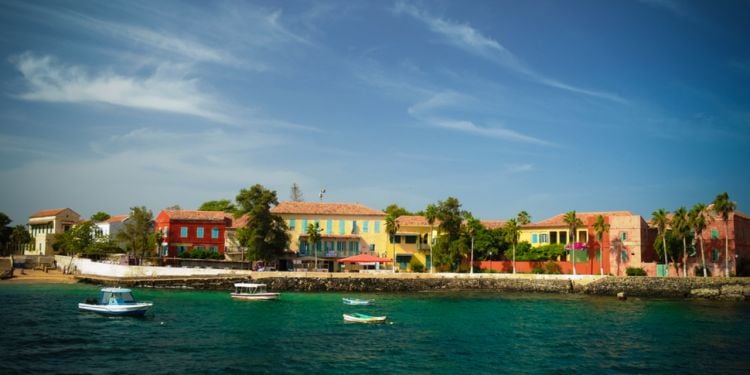
Accommodation in Dakar
As Senegal's thriving capital city, Dakar is one of the most developed places to live in the country, offering many of the amenities that you might ...
Leisure, Culture and Things to Do in Dakar
Dakar pulses with cultural energy, offering everything from UNESCO World Heritage sites to contemporary art galleries and legendary music venues. The city's position as a cultural crossroads provides expatriates with endless opportunities for exploration, relaxation, and authentic West African experiences.
Historical Sites and Museums
Gorée Island, a 20-minute ferry ride from downtown, stands as a powerful UNESCO World Heritage Site commemorating the Atlantic slave trade. The House of Slaves and its Door of No Return offer a profound historical experience. Back on the mainland, the African Renaissance Monument towers 52 meters high—taller than the Statue of Liberty—offering panoramic views from its observation deck. The Museum of Black Civilizations, opened in 2018, houses extensive collections documenting African history and culture. The Théodore Monod Museum of African Art (IFAN) displays over 9,000 artifacts from across West Africa.
Entertainment and Recreation
Dakar's beaches attract surfers to world-class breaks around Ngor Island, while swimmers enjoy calmer waters at Plage de Yoff. The Almadies nightlife district buzzes with restaurants and clubs featuring Mbalax music, Senegal's infectious rhythmic style. Hann Park offers 60 hectares of zoological gardens with African wildlife. Day trips to Lac Rose (Pink Lake) showcase stunning natural beauty, while Saly provides beach resort escapes an hour from the city. The annual Dak'Art Biennale draws international contemporary art enthusiasts every two years.
Sources: UNESCO World Heritage Centre, AroundUs Travel
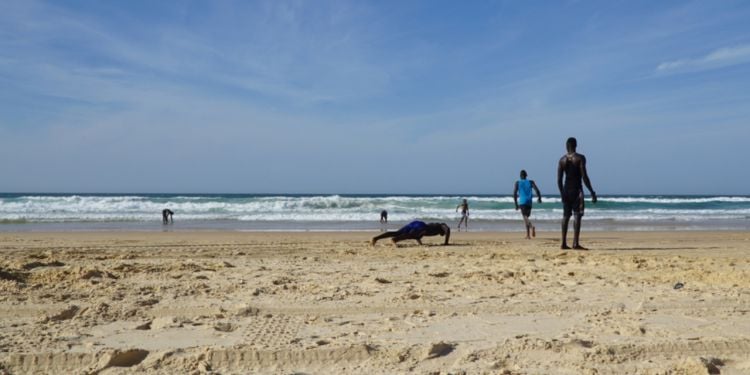
Things to do in Dakar in your free time
Dakar is not just Senegal's capital city, but its economic, cultural and sporting hub. Situated on the Cap-Vert peninsula, it is almost entirely ...
Daily Life and Getting Around Dakar
Daily life in Dakar combines the vibrancy of a major African capital with coastal relaxation. The city operates at its own pace, influenced by Islamic traditions, family-centered culture, and the legendary Senegalese hospitality. Understanding transportation options and local customs helps expatriates adapt smoothly.
Transportation Options
Dakar has recently transformed its public transport with major infrastructure investments. The Bus Rapid Transit (BRT) system, launched in 2024, operates 121 electric buses along 18.3 km connecting 23 stations and 14 districts. This award-winning system reduces journey times from 95 to 45 minutes and serves 300,000 passengers daily. The Train Express Régional (TER) connects Dakar to Blaise Diagne International Airport. Traditional options include yellow taxis (negotiate fares before boarding), car rapides (colorful minibuses), and ride-hailing apps like Yango. Many expatriates eventually purchase or lease vehicles due to the city's spread.
Lifestyle and Culture
French serves as the official language, essential for daily interactions, though Wolof dominates informal communication. Learning basic Wolof phrases earns respect and facilitates connections. Most businesses observe Friday prayer times with many closing midday. The climate features a hot, humid rainy season (June–October) and a cooler dry season (November–May). Cash remains king, though mobile payment services like Orange Money and Wave are increasingly popular. Supermarkets like Auchan and Casino stock imported goods, while local markets offer fresh produce at lower prices.
Sources: ITDP (2025 Sustainable Transport Award), MobiliseYourCity
Cost of Living in Dakar
Living costs in Dakar vary significantly based on lifestyle choices and neighborhood. The city ranks among the more expensive in West Africa, particularly in expat-popular areas. However, local alternatives for food, transport, and services offer substantial savings compared to Western prices.
Monthly Budget for a Single Person
The table below estimates monthly expenses for a single expatriate living a moderate lifestyle in Dakar:
Category | Monthly Cost (XOF) | Monthly Cost (USD) |
Rent (1-bedroom, mid-range area) | 350,000 | ~585 |
Utilities (electricity, water, internet) | 120,000 | ~200 |
Groceries | 180,000 | ~300 |
Transportation | 60,000 | ~100 |
Dining & Leisure | 150,000 | ~250 |
Health Insurance | 90,000 | ~150 |
Total (Single Person) | 950,000 | ~1,585 |
Monthly Budget for a Family of Four
Category | Monthly Cost (XOF) | Monthly Cost (USD) |
Rent (3-bedroom, expat area) | 800,000 | ~1,340 |
Utilities | 180,000 | ~300 |
Groceries | 400,000 | ~670 |
International School (1 child) | 1,050,000 | ~1,750 |
Transportation (car + fuel) | 200,000 | ~335 |
Family Health Insurance | 250,000 | ~420 |
Leisure & Dining | 250,000 | ~420 |
Total (Family of 4) | 3,130,000 | ~5,235 |
Sources: Numbeo (December 2025)
In Short
Dakar offers expatriates a compelling blend of West African authenticity and modern conveniences. The city's new transport infrastructure, established international community, quality schools, and cultural richness make it an attractive destination for professionals, families, and adventurous individuals alike. While challenges exist—traffic congestion, variable infrastructure outside premium areas, and the need to speak French—the rewards include coastal living, warm hospitality, fascinating history, and a strategic position for exploring the African continent. Whether you're drawn by career opportunities in emerging sectors, the vibrant expat community, or simply the Atlantic sunsets over Almadies, Dakar delivers a unique expatriate experience.
Ready to connect with others who've made Dakar home? Join the conversation on the Expat.com Dakar Forum to ask questions, share experiences, and build your network before and after your move.
We do our best to provide accurate and up to date information. However, if you have noticed any inaccuracies in this content, please contact us.


Essential services for your expat journey