

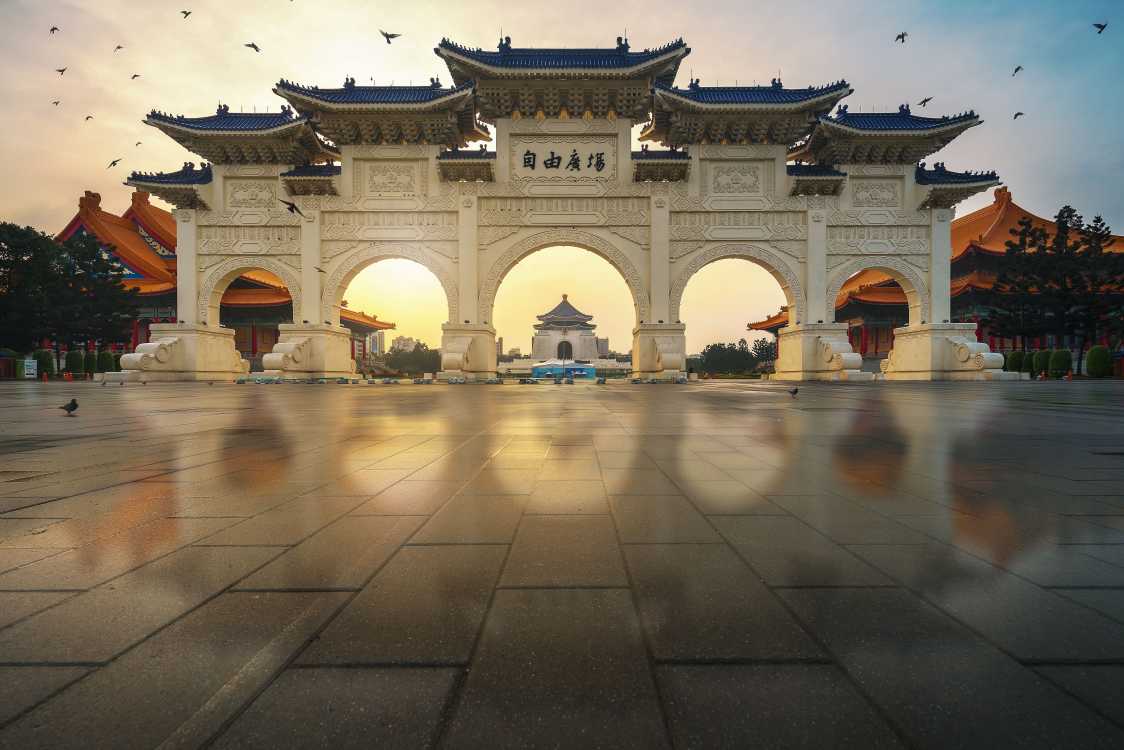
 Guide updated by Veedushi Bissessur on 24 November 2025
Taiwan attracts thousands of expatriates each year, drawn by its vibrant technology sector, exceptional quality of life, and welcoming environment. This island, located in the heart of East Asia, beautifully blends modernity with tradition, boasting advanced infrastructure alongside pristine nature. Taiwan is appealing for its security, renowned universal healthcare system, famous culinary scene, and the legendary hospitality of its people.
With a population of around 23.4 million, Taiwan's expatriate community, which includes nearly 4,000 French nationals, continues to grow, particularly concentrated in Taipei, the country’s capital.
5 great reasons to choose Taiwan
- High-quality healthcare: accessible, affordable, and recognized for its excellence.
- Exceptional safety: very low crime rates and political stability.
- Attractive cost of living: generally lower than many Asian or European capitals, especially regarding food, transportation, and leisure activities.
- Technology hub: thriving high-tech industry with diverse job opportunities.
- Remarkable quality of life: efficient public transport, accessible natural spaces, diverse cuisine, and a warm culture.
The Expat.com guide has been created to assist you in preparing for your move to Taiwan under the best conditions. You'll find all the essential information you need: visa, working holiday permits, employment, housing, healthcare, daily life, and local integration.
Official languages: Mandarin, local dialects (Taiwanese Hokkien, Hakka) | Local currency: New Taiwan Dollar (TWD or NT$) | Time difference with France: +6 hours in winter, +7 hours in summer | Flight duration Paris - Taipei: 13 to 14 hours on average, with a stopover. No direct flights. |
Your setup journey
Guide in 14 steps. Click any step below to jump directly to the section you need.
01Where to live in Taiwan?
Taiwan stands out for the diversity of its cities and their unique atmospheres. While Taipei is home to the majority of expats thanks to its numerous job opportunities and international services, other destinations are increasingly appealing to those seeking a more peaceful lifestyle or more affordable rents. Your choice of city will primarily depend on your professional priorities, budget, and the style of life you wish to adopt:
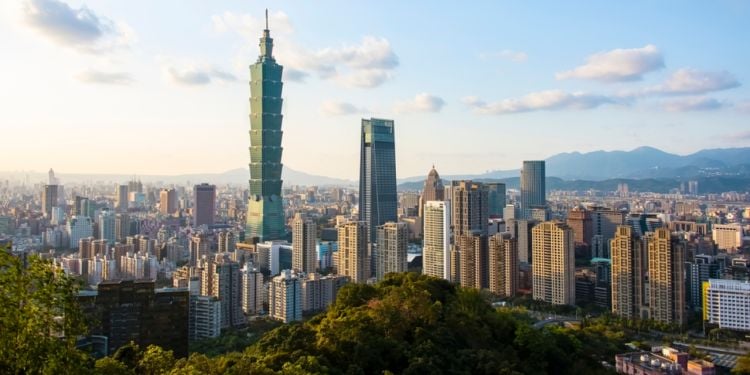
- Taipei is the top choice for expats. As the economic and cultural hub of the country, the capital entices with its modern infrastructure, international schools, and efficient public transport. Neighborhoods like Da’an, Xinyi, and Tianmu are particularly favored by families and young professionals from abroad. However, the cost of living here tends to be higher, especially regarding housing.
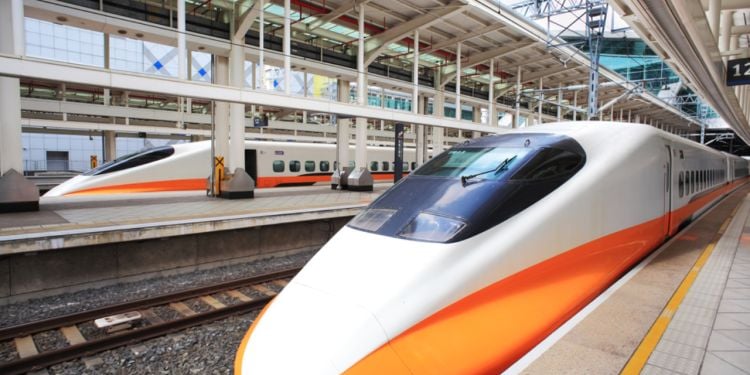
- Hsinchu, located about 40 minutes from Taipei by high-speed train, houses Taiwan's main science park. Very dynamic, it attracts numerous professionals from the tech sector who work there while staying close to the capital.
- Taichung, in the center of the island, offers an excellent compromise: a quieter pace of life, affordable rents, and a rapidly growing expat community.
- Kaohsiung, in the south, appeals with its laid-back atmosphere, sunny climate, and attractive cost of living.
- Tainan, the old capital, enchants with its historical heritage, renowned cuisine, and peaceful vibe.
02Formalities and visas for Taiwan
If you're planning to settle in Taiwan, there are several mandatory steps you need to take, regardless of your country of origin. The requirements vary based on your nationality and the length of your stay. Citizens from the European Union do not require a visa for stays of under 90 days. However, if you intend to move permanently, you will need to apply for a work, study, or residence visa. This application must be submitted to the Taipei Representative Office in your home country. For instance, French citizens should contact the Taipei Representative Office in Paris.
Anyone holding a residence visa must apply for an Alien Resident Certificate (ARC) within 30 days of arrival. This official document is mandatory and essential for daily life: you’ll need it to rent accommodation, open a bank account, or access the healthcare system.
The Working Holiday Program is available to French and Belgian citizens aged between 18 and 30, allowing for a stay of up to 12 months on the island.
💡 Useful tips
- Start your application process several months before your departure.
- Prepare your essential documents (degrees, work contract, etc.) in English or with certified translations.
- Always check the latest regulations on the National Immigration Agency website, as they can change quickly.
- Avoid leaving Taiwan until you have received your Alien Resident Certificate (ARC), as an early departure may lead to cancellation of your application or even your visa.
Discover more


03Working in Taiwan
Taiwan boasts a dynamic economy focused on high technology, with a labor market that favors skilled expatriates. The country is a global leader in the production of semiconductors. English is widely used in international companies, which eases professional integration.
The industriesthatare hiring the most include information technology, engineering, semiconductors, English teaching, renewable energy, and financial services. The government has launched the Taiwan Employment Gold Card, a visa that combines work and residence permits valid for 1 to 3 years to attract talent.
Desired profiles:
- Engineers in semiconductors, AI, and 5G technology
- Web developers, data analysts, and cybersecurity experts
- Qualified English teachers
- Renewable energy specialists
- Finance and fintech professionals
🔑 Key points
- The market values international experience and technical skills
- English is essential, while Mandarin is a significant advantage
- The work culture can be demanding with long hours - it's common to finish after 7 or 8 PM, especially in local companies
- Entrepreneurship is facilitated by streamlined digital processes and an attractive tax system
Unemployment rate: Below 4% by 2025 | Legal working hours: 40 hours per week | Minimum wage: NT$190 (€5.50)/hour in 2025; NT$196 (€5.70) starting 1 January 2026. | Income tax: progressive from 5% to 40% | Corporate tax: 20%, VAT at 5% |
Discover more

Join the discussion on the forum
04Accommodation in Taiwan
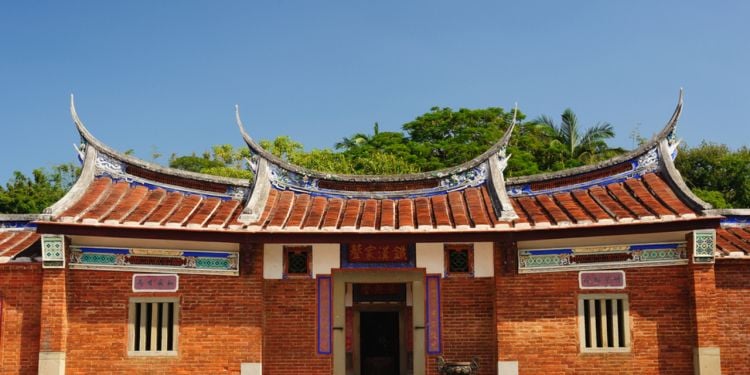
Housing is one of the major expenses in Taiwan, particularly in Taipei, where rental prices can be quite high. Renting remains the preferred option, with contracts typically set for one year and a security deposit equivalent to two months' rent. In Taipei, a one-bedroom apartment averages between 15,000 and 25,000 NT$ per month (approximately €430 to €715), while a three-bedroom apartment tends to range from 50,000 to 90,000 NT$ (around €1,400 to €2,500). Rents become more affordable as you move outside the capital.
Property purchase is permitted for foreigners from countries that have entered into reciprocity agreements with Taiwan, including France. In Taipei, the cost per square meter in the city center can exceed 355,000 NT$ (approximately €10,000), placing a two-bedroom apartment (60-70 m²) in the range of 18 to 26 million NT$ (around €510,000 to €730,000). When purchasing a property, it’s also important to anticipate acquisition fees (transfer tax, real estate agent fees, registration costs) totaling around 9 to 11% of the purchase price.
Discover more
05Cost of living in Taiwan
The cost of living in Taiwan is approximately 20 to 30% lower than in France. Taipei is the most expensive city, especially when it comes to housing, but prices remain affordable compared to other Asian capitals. For a single person, expect to budget between 35,000 and 50,000 NT$ per month (approximately €980 to €1,400). For a family of four, plan for a monthly budget of 90,000 to 130,000 NT$ (approximately €2,530 to €3,650).
Here are some estimated monthly costs to give you a clearer idea of the cost of living in Taiwan:
For a single person | For a family of 4 | |
Food | 10,000 to 15,000 NT$ (approximately €280 to €420) | 25,000 to 35,000 NT$ (approximately €700 to €980) |
Public Services (water, electricity, internet, phone...) | 2,000 to 3,000 NT$ (approximately €55 to €85) | 4,000 to 6,000 NT$ (approximately €110 to €170) |
Healthcare | 1,500 to 2,500 NT$ (approximately €40 to €70) | 5,000 to 8,000 NT$ (approximately €140 to €225) |
Leisure & Entertainment | 3,000 to 5,000 NT$ (approximately €85 to €140) | 8,000 to 12,000 NT$ (approximately €225 to €340) |
Education (if you have children) | / | 50,000 to 230,000 NT$ per semester (approximately €1,400 to €6,500) per child |
Rent | 15,000 to 25,000 NT$ (approximately €420 to €700) for a one-bedroom apartment in Taipei | 50,000 to 90,000 NT$ (approximately €1,400 to €2,530) for a three-bedroom apartment in Taipei |
Transportation | 1,000 to 1,500 NT$ (approximately €28 to €42) | 3,000 to 5,000 NT$ (approximately €85 to €140) |
Subscriptions (gym, clubs, streaming platforms...) | 1,000 to 2,000 NT$ (approximately €28 to €55) | 3,000 to 5,000 NT$ (approximately €85 to €140) |
Imported Goods (organic produce, cheese, wine) | 2,000 to 4,000 NT$ (approximately €55 to €110) | 5,000 to 8,000 NT$ (approximately €140 to €225) |
Income Tax | Progressive from 5% to 40% | Progressive from 5% to 40% |
06Health care in Taiwan
The Taiwanese healthcare system is recognized as one of the best in the world. It is built on the National Health Insurance (NHI), a universal scheme established in 1995 that covers over 99% of the population. Expatriates holding a residence permit (ARC) must enroll in the National Health Insurance (NHI) after six months of continuous residence, or upon being hired if they work in Taiwan.
The NHI covers doctor visits, hospitalizations, dental care, traditional Chinese medicine, and preventive care. The co-pay is very affordable: on average, it costs 150 NT$ (around £4) for a general consultation, and between 240 and 360 NT$ (approximately £7 to £10) for a public hospital. Giving birth costs between 3,000 and 5,000 NT$ (about £85 to £140) under the NHI, compared to around 60,000 NT$ (around £1,700) without insurance.
Contributions to the NHI represent 5.17% of your salary, with 30% paid by the employee, 60% by the employer, and 10% by the state. Facilities are modern and staff are qualified, especially in large cities where many doctors often speak English.
💡 Things to know
- No vaccinations are mandatory for entering Taiwan, but universal vaccines (DT-Polio, hepatitis B) are recommended.
- The emergency number is 119 for ambulances, and 110 for police.
- Private hospitals offer services in English and state-of-the-art facilities, but are generally not covered by the NHI.
- Many expats choose to take out private supplementary insurance to access private facilities or to cover services not included in the NHI.
Discover more

07Finance and banks in Taiwan
Effectively managing your budget is crucial for a successful expatriation. The cost of living in Taiwan is approximately 20 to 30% lower than in France, especially when it comes to dining and leisure, but housing in Taipei remains a significant expense.
💡 Our tips
- Open a local bank account as soon as you arrive to simplify your everyday transactions. You'll need an Alien Resident Certificate (ARC) and your passport.
- The main local banks include Bank of Taiwan, Cathay United Bank, Mega Bank, and E.Sun Bank. Some of them offer services in English.
- The tax system is favorable: the income tax ranges from 5% to 40% for residents. Foreign retirement pensions are not taxed locally in Taiwan, but may be subject to tax in your country of origin. This is particularly the case for France.
- Cash usage remains common despite the rise of digital payments.
- International transfers can incur high fees, so it's wise to compare different services.

08Retiring in Taiwan
Taiwan is not a traditional retirement destination for many expats. The majority of foreign retirees living on the island are former expats who have worked there for several years. However, retiring in Taiwan can be appealing if you have a stable income and seek a high quality of life in a safe and modern environment.
3 major advantages
- Attractive cost of living: approximately 20 to 30% lower than in France, especially for dining out and leisure activities.
- High-quality healthcare system: modern facilities, accessible care, and a comprehensive national health insurance scheme.
- Safe and welcoming environment: exceptional safety, efficient transport systems, and accessible nature.
💡 Useful information
- There is no specific retirement visa. To stay in Taiwan, you will need a residence permit through investment, sponsorship, or family reunification.
- French pensions are not taxed locally, but are still subject to French taxation.
- The local Taiwanese retirement system sets the retirement age at 65, but this primarily affects local workers.
- For a comfortable standard of living, expect a monthly income of at least 80,000 NT$ (approximately €2,300), depending on your lifestyle and location.
09Studying in Taiwan
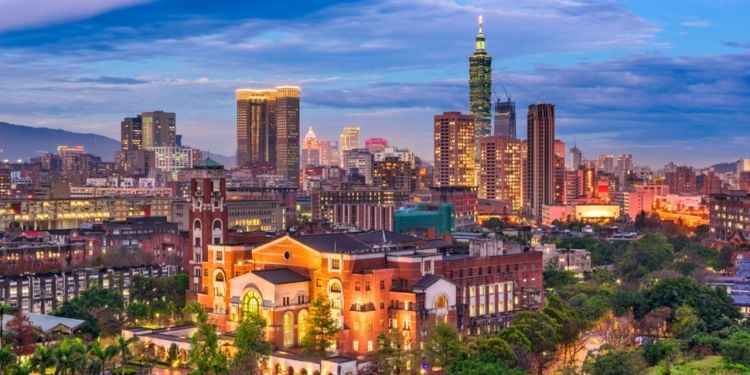
Taiwan attracts a large number of international students thanks to its renowned universities and multicultural environment. The island is home to over 140 higher education institutions, including the National Taiwan University (NTU), ranked among the best in Asia, along with National Tsing Hua University and National Cheng Kung University.
Why study in Taiwan?
The universities offer a wide range of programs taught in English, particularly in fields such as engineering, sciences, management, and technology. The island presents a unique experience that blends modernity with traditional Chinese culture, all at a more affordable cost of living compared to many other Asian capitals. Tuition fees average around 50,000 NT$ (approximately €1,400) per semester at public universities. At some private universities or specialized programs, fees can rise to as high as 230,000 NT$ (about €6,600) per semester. However, both the government and universities provide numerous scholarships for international students.
💡 Our tips
- Start your applications early, as selection can be competitive for the top universities.
- Check the equivalence of your diplomas with the Taiwanese Ministry of Education.
- Plan a housing budget: university accommodations are limited, so sharing flats is common.
- A good level of English is essential for international programs.
Discover more
10Education and schools in Taiwan
The Taiwanese education system is well-known for its academic excellence as well as its high expectations. School is mandatory starting at age 6, consisting of 6 years of elementary school and 3 years of junior high. Instruction is primarily conducted in Mandarin, with classes typically held from Monday to Friday, 7:30 AM to 4:00 PM. The system, which emphasizes rote learning and intensive preparation for entrance exams, can be stressful for children who are used to different pedagogical approaches. Many students also attend evening classes at private institutions known as buxiban.
Options for schools:
- Local Public Schools: Free for residents holding an ARC (Alien Resident Certificate), these schools provide a quality education entirely in Mandarin with some hours of English starting from Grade 4. Families are only responsible for textbooks, uniforms, and extracurricular activities.
- Local Private Schools: These schools offer a bilingual Mandarin-English education. Annual fees range between NT$200,000 and NT$400,000 (approximately €5,700 to €11,400).
- French Schools: The French section of the Taipei European School (TES), a partner of AEFE, offers a French curriculum from kindergarten to high school with bilingual instruction in French and English, along with daily Chinese classes. Tuition fees range from NT$202,700 to NT$405,800 per year (approximately €5,600 to €11,500). The Lycée International Français de Taipei (LIFT), also approved by AEFE, follows the French national curriculum. Tuition ranges from NT$379,000 to NT$440,000 per year (about €10,600 to €12,400).
- International Schools: Highly popular among expatriates, these schools offer British, American, or IB programs primarily in English. Notable schools include the Taipei American School, the Taipei European School (English section), and the Morrison Academy in Taichung. Semester fees range from NT$200,000 to NT$500,000 (approximately €5,600 to €14,000), depending on the institution and grade level.
💡 Practical tips
- Plan your applications several months in advance; waiting lists are common for international and French schools.
- For French schools, inquire about scholarships through the French Bureau in Taipei, which may cover part of the fees based on family income.
- Check the language proficiency requirements for international schools, as some may require admission tests.
- The organization "L'Avenue des Petites Ecoles", supported by the FLAM (French as a Maternal Language) program, offers cultural and language activities for French children in Taiwan, including those studying in the Taiwanese system. The association has branches in Taipei and Taichung.
11Moving to Taiwan
An international move to Taiwan requires careful planning and organization. Several important items need to be prepared in advance:
- Compare quotes from moving companies (including insurance).
- To qualify for a customs duty exemption, your belongings must be imported within the six months following your arrival. Be sure to prepare a customs declaration for your unaccompanied luggage. Used personal effects can enter without taxes, but new items may be taxed.
- Gather your official documents (degrees, birth certificate, marriage certificate, driver's license) and have them translated into English or Chinese by a certified translator.
- Taiwan operates on a 110 V / 60 Hz system, unlike France (220 V / 50 Hz): a transformer is therefore essential.
- If you are traveling with a pet, strict rules apply. You must obtain an import permit at least 30 days before departure, have the pet vaccinated against rabies, and perform a rabies titer test between 180 days and 12 months before arrival. A quarantine of at least 7 days is mandatory, which may be extended up to 21 days if your documentation is incomplete.
Discover more
12Everyday life in Taiwan
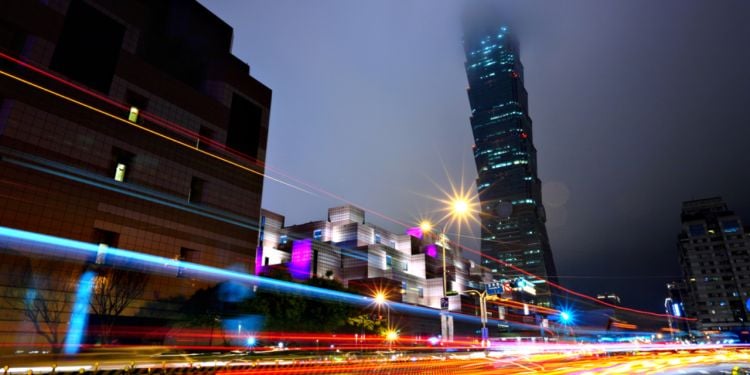
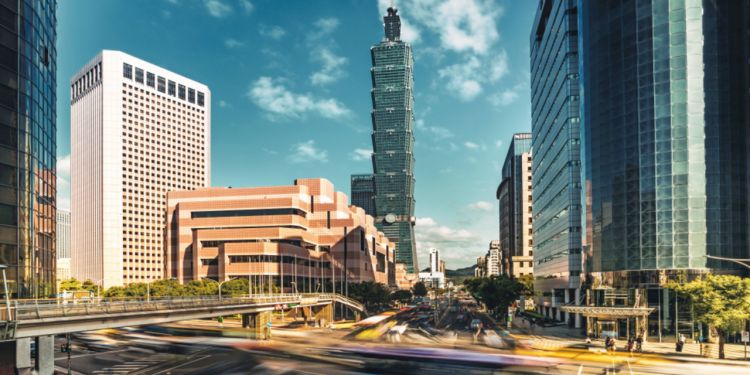
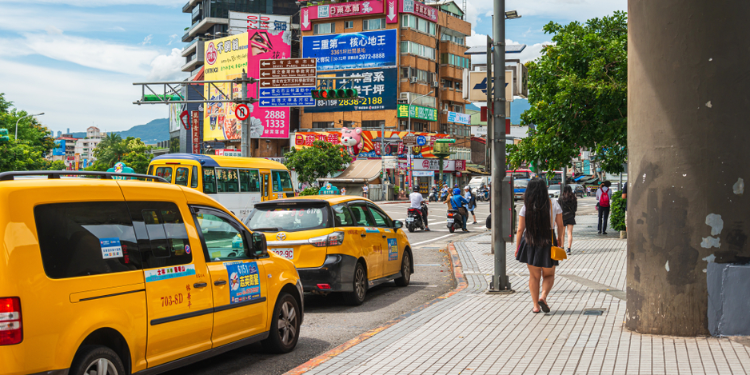
Living in Taiwan means embracing a friendly lifestyle where street food, modern conveniences, and traditional culture coexist in harmony. Expats appreciate the exceptional safety, efficiency of services, and the balance between professional life and accessible leisure.
Things to note:
- Taiwan is extremely safe, with a very low crime rate.
- Night markets are an integral part of the local culture. Taiwanese people often eat outside, with street food being ubiquitous and varied.
- Convenience stores (like 7-Eleven and FamilyMart) are open 24/7 and provide a variety of practical services beyond just grocery shopping.
- The public transport system (metro, bus, train) is modern, punctual, and accessible with a rechargeable EasyCard. Taxis and Uber (mainly available in Taipei and Taichung) complete the network.
- Internet and mobile connections are fast and stable: fiber-optic internet can reach up to 1 Gb/s. A mobile plan with 10 GB costs around 740 NT$ (approximately 21 €) per month, and a fixed internet subscription is about 710 NT$ (around 20 €). LINE is the essential messaging app, widely used by businesses, taxis, and restaurants.
- English is less commonly spoken than anticipated, even in Taipei, and learning Mandarin can greatly enhance daily life.
- Taiwan is very welcoming for families: there are numerous parks, interactive museums, kid-friendly activities, and on Children's Day (April 4th), many attractions offer free admission.
- The country is a pioneer in diversity and inclusion. As the first country in Asia to legalize same-sex marriage in 2019, Taiwan hosts one of Asia's largest Pride events each year and stands out as a LGBTQ+ friendly destination.




Join the discussion on the forum
13Leisure in Taiwan
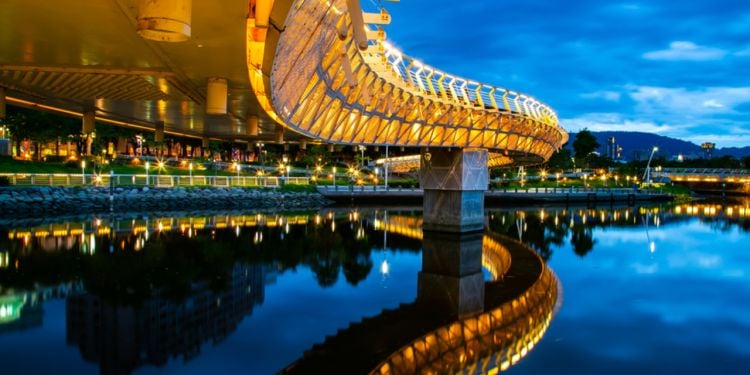
Taiwan offers a wide variety of leisure activities that help maintain a good work-life balance. The island combines accessible nature with a vibrant urban life. Activities range from hiking, cycling, and water sports (surfing, kayaking, stand-up paddleboarding) to adventure sports (canyoning, rafting, paragliding), as well as a rich cultural scene featuring the National Theater and Concert Hall in Taipei, the National Taichung Theater, and numerous museums like the National Palace Museum, the National Taiwan Museum in Taipei, and the National Taiwan Literature Museum in Tainan.
Don’t miss:
- Night Markets are an integral part of the local lifestyle and essential spots for eating and socializing.
- Traditional festivals throughout the year create a festive atmosphere: watch the fireworks at New Year’s in Taipei 101, enjoy the Lantern Festival, or take part in dragon boat races...
- The hot springs culture is very prominent in Taiwan. Public facilities like those in Beitou offer affordable access (40 to 60 NT$, around 1 to 1.70 euros), and there are numerous natural hot springs scattered across the island.
- Community life is dynamic, with sports clubs, hiking groups on Meetup, and active expatriate communities that facilitate integration and connections.
Discover more
14Key takeaways
Plan for your move: ensure you understand the visa requirements, look into the working holiday permit, and remember that an ARC is mandatory for residents.
Take the time to read our articles, particularly those covering employment, housing, and healthcare in Taiwan.
Feel free to ask your questions on the Taiwan forum, where the expat community shares friendly advice and experiences!
To integrate successfully, be curious, respect local customs, and enjoy the Taiwanese lifestyle, which beautifully blends modernity and tradition.
Moving to Taiwan means discovering a welcoming, vibrant island filled with opportunities. To ensure your plans thrive, proper preparation is key. We hope this Expat.com guide has provided you with the essential insights to organize your relocation and fully enjoy your new life in Taiwan.
Join the Taiwan community
Get regular tips and advice to make the most of your expat life
Essential services for your expat journey




Forum topics on living in Taiwan
Discover forums topics on expat life in Taiwan: join the conversation, ask your questions, get advice and share your experience.
- New members of the Taiwan forum, introduce yourselves here - 2026
- American retiring to Taiwan
- Medical checks for English teachers in Taiwan
- looking for authentic canada agency in taiwan
- How to find a job in Taiwan
- Any retired expats in Taiwan?
- New members of the Taiwan forum, introduce yourself here
- Mistakes expats make in Taiwan