

Living in Mexico: the ultimate expat guide
Everything you need to know for a successful life in Mexico.
A destination with many faces, Mexico entices many expats with its vibrant culture, sunny climate, affordable cost of living, and proximity to the United States. As the third most populous country in Latin America, it boasts a diverse range of landscapes, modern infrastructure in its main cities, and a lifestyle renowned for its friendliness. Its ease of relocation and accessibility make it a favorable choice for both young professionals and retirees.
The country is home to around 130 million residents and attracts expats from the USA, Canada, and Europe, drawn by its dynamism and opportunities. Among them, nearly 30,000 French nationals have settled in Mexico, primarily in Mexico City, Guadalajara, and the Riviera Maya.
Five great reasons to move to Mexico
- An exceptional cultural richness: a unique pre-Hispanic heritage and local life filled with traditions and gastronomy.
- An attractive cost of living: affordable housing, transportation, and leisure activities.
- A diverse climate: from the tropical beaches of the Yucatán to the temperate mountains in the country's center.
- Growing job opportunities: a market that is favorable for digital nomads and entrepreneurs.
- A balanced quality of life: a more relaxed pace, fostering well-being and integration.
The Expat.com guide is designed to assist you in preparing for your expatriation to Mexico, from visa applications to daily settling in. Here you’ll find all the essential information on: working, housing, healthcare, daily life, and local integration.
⚠️ Please note: the Mexican peso (MXN) can experience significant fluctuations. The amounts indicated in euros in this guide are for informational purposes only and may vary according to the exchange rate.
Official language: Spanish | Local currency: Mexican Peso (MXN) | Time difference with France: -7h in winter, -8h in summer | Flight time Paris - Mexico: between 11h and 12h |
Formalities and visas in Mexico
To enter Mexico, French citizens do not need a visa for a tourist stay of less than 180 days. Upon arrival, the authorities provide a migration form (FMM: Forma Migratoria Múltiple) that allows them to stay in the country for a period determined by the immigration officer. This document must be kept safely for the duration of their stay and returned when they leave the country.
For long-term residence, it is necessary to obtain a temporary or permanent residence visa from the Mexican consulate before you leave. The requirements vary depending on the reason for your stay (work, studies, retirement, or family reunification). Once in Mexico with the appropriate visa, you must register at the National Migration Institute(INM) within 30 days of arrival to obtain your residence card. Additionally, French citizens aged 18 to 30 can apply for a working holiday visa (PVT) valid for a maximum of 12 months, allowing them to explore Mexico while engaging in a paid activity.
💡 Useful tips
- Check the validity of your passport, which must cover the entire duration of your planned stay.
- Keep your FMM in a safe place: losing it may result in a fine when departing.
- Start your residency process several months in advance, as consular processing times can be lengthy.
- Prepare your supporting documents in Spanish or accompanied by a certified translation, depending on the type of visa you are applying for.
📍 To learn more
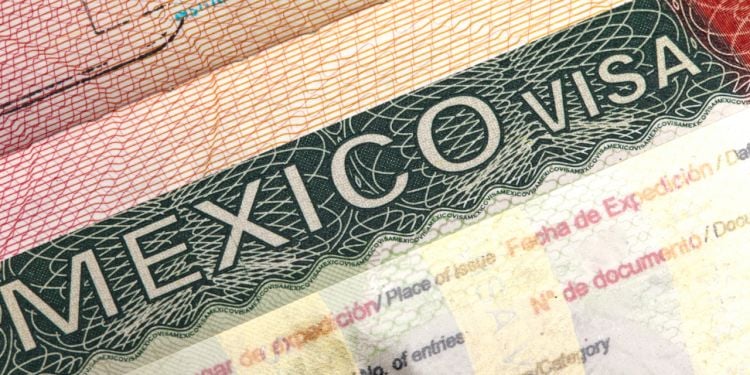
Visas for Mexico
Foreign nationals planning to move to Mexico can choose from a range of visas. If you want to stay ...
The Working Holiday Visa for Mexico
Mexico is a destination that has something special for everyone — with its fabulous beaches, ...

Travelling to Mexico
Most visitors to Mexico, especially those coming from North, Central, and South America and Europe, ...
Working in Mexico
Mexico boasts a dynamic and diverse job market, particularly in sectors like tourism, technology, manufacturing, and services. The country attracts many expats thanks to its affordable cost of living and proximity to the United States. While English is a highly valued skill in major cities and tourist areas, proficiency in Spanish is often essential for professional advancement.
Starting a business in Mexico is open to foreigners, with processes that can be completed in a few weeks. The status of temporary resident makes local entrepreneurship easier. The country is also a popular destination for digital nomads, although a specific visa for this category is not yet officially available.
In-demand profiles:
- Tourism and hospitality professionals
- Web developers, computer engineers, and cybersecurity specialists
- Foreign language teachers (English, French)
- Executives in the automotive and aerospace industries
- Qualified healthcare personnel and medical specialists
💡 Key points
- The job market values bilingual profiles in Spanish-English or Spanish-French.
- A work permit is mandatory for paid employment.
- Remote working for a foreign company is common, but requires an appropriate residence status.
- Entrepreneurship benefits from a stable tax system and a supportive environment compared to other Latin American countries.
Unemployment rate: between 2% and 3% in 2025 | Legal working hours: maximum 48 hours/week | Minimum wage: Border area: 419.88 MXN/day (≈ 21 €) Rest of the country: 278.80 MXN/day (≈ 14 €) | Income tax: progressive from 1.92% to 35% | Corporate tax: 30%; VAT at 16% |
🧭 Further information
Working in Mexico
Moving to a foreign country not only involves adapting to a different culture but to a whole new ...
Starting a business in Mexico
Setting up a business in Mexico is no simple task. It involves a lot of paperwork and bureaucracy, ...
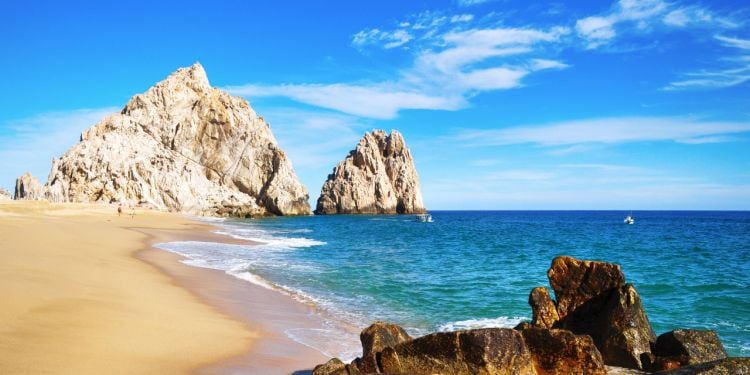
Working in Mexico as a digital nomad
Mexico, located between the United States of America, Guatemala, and Belize, has the reputation of ...
Studying in Mexico
Mexico attracts numerous international students each year, thanks to its rich cultural heritage and the high quality of its higher education. The country is home to more than 3,000 higher education institutions, including several renowned universities such as the Universidad Nacional Autónoma de México (UNAM), the Tecnológico de Monterrey, the Universidad de Guadalajara, and the Universidad Iberoamericana.
Why study in Mexico?
Mexican universities offer a wide range of programs across various fields, with instruction primarily in
💡 Our tips
- Check the recognition of your diplomas through the Dirección General de Profesiones before applying.
- Proficiency in Spanish is often required: plan for a language test or preparatory courses.
- Start your student housing search early, especially in major cities like Mexico City or Guadalajara, where the rental market is competitive.
- Research on scholarships offered by the Mexican government or through university exchange programs.
🧭 Taking it further
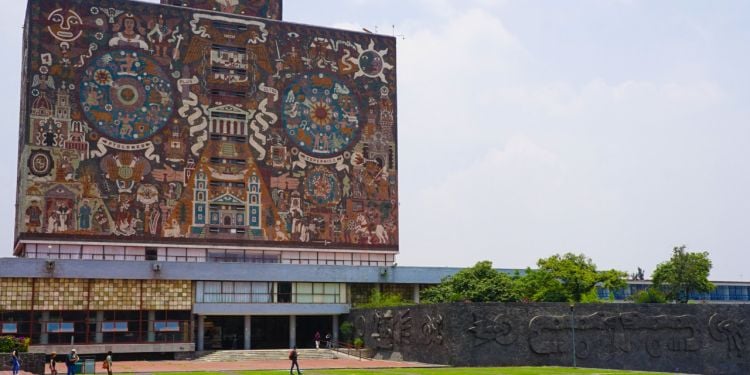
Study in Mexico
If you're planning to move to Mexico with your family or choose to study there, here is all you need to know about schooling and the higher ...
Retiring in Mexico
Mexico has become a popular retirement destination for many expatriates, especially North Americans and Europeans. Increasingly, French citizens are settling here to enjoy a pleasant climate year-round, an affordable cost of living, and a cultural closeness to the Spanish-speaking world. The country particularly appeals to retirees seeking sunshine, tranquility, and a maintained quality of life, even if they haven’t previously worked locally.
3 major advantages
- Favorable cost of living allowing for a higher purchasing power compared to France, especially regarding housing, food, and services.
- Pleasant climate with mild temperatures for most of the year, promoting health and well-being among seniors.
- Retirement visa that is accessible, with simplified requirements for individuals with regular income or sufficient savings.
💡 Important to know
- The legal retirement age in Mexico is set at 65 years, but many locals continue to work beyond this age for economic reasons.
- The temporary residence visa for retirees may require proof of a minimum monthly income or sufficient savings, with amounts that can vary. It’s advisable to check directly with the Mexican consulate in France.
- French pensions are not taxed in Mexico under the bilateral tax agreement and are only taxable in France.
- For a comfortable living standard that includes housing, private health insurance, leisure activities, and a few trips, expect a monthly budget between 25,000 and 45,000 MXN (approximately €1,350 to €2,250), depending on the chosen city.
Finance and banks in Mexico
Managing your budget in Mexico is essential for truly enjoying your expatriation experience. The cost of living here is generally more affordable compared to France, allowing expatriates to maintain a comfortable lifestyle while still indulging themselves. The Mexican banking system is modern and widely developed, featuring numerous local and international institutions. Thetax system, which can initially seem complex, is manageable with proper guidance.
💡 Our tips
- Open a local bank account as soon as you arrive with your residence visa: it is essential for receiving your salary and facilitating everyday payments.
- Be aware of bank fees, which can be quite high for international transfers or for withdrawals from ATMs of other banks.
- Familiarize yourself with the Mexican tax system, which taxes residents on their income according to a progressive scale that can reach up to 35%.
- Check the tax treaty between Mexico and your home country to understand the applicable rules. The agreement between France and Mexico helps avoid double taxation on most income.
- Consider using specialized money transfer services (like Wise or Western Union) instead of traditional bank transfers, which are often more costly.
- Keep your tax and banking receipts: Mexican authorities are strict regarding reporting and compliance.
🔍 To learn more
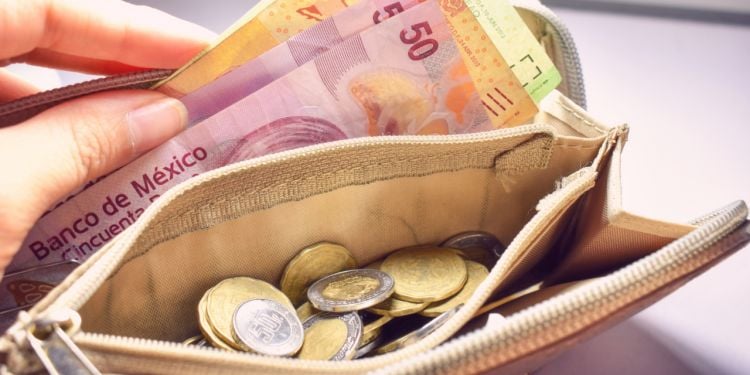

Healthcare in Mexico
The Mexican healthcare system is divided into two main sectors:
- the public sector, managed by various institutions such as IMSS for employees, ISSSTE for government workers, and IMSS-Bienestar for the rest of the population, including freelancers and retirees.
- the private sector, which is highly developed and often preferred by expatriates.
The public sector offers free or low-cost healthcare for insured individuals, but wait times can be quite long, especially for specialists or non-urgent surgeries. A typical consultation generally costs less than 200 MXN (approximately €10).
In contrast, the private sector is faster and better equipped, with fees comparable to those in Europe: expect to pay between 300 and 800 MXN (approximately €15 to 40) for a general practitioner, and 800 to 1,500 MXN (approximately €40 to 75) for a specialist. A delivery without complications costs between 25,000 and 50,000 MXN (approximately €1,250 to 2,500), while a cesarean section ranges from 80,000 to 100,000 MXN (approximately €4,000 to 5,000).
It is highly recommended to have international private health insurance: monthly premiums range from 3,000 to 10,000 MXN (approximately €150 to 500), depending on age and coverage. Some employers may include this in their expatriate packages.
💡 What you should know
- No vaccinations are mandatory to enter Mexico, but those for hepatitis A and B, typhoid, and yellow fever (if coming from a risk area) are recommended.
- The national emergency number is 911, accessible throughout the country.
- Major cities like Mexico City, Guadalajara, and Monterrey have high-quality private hospitals with internationally trained staff.
- The Mexican Red Cross (Cruz Roja) provides accessible, quality emergency services across the country.
📍 To learn more

The healthcare system in Mexico
There are two types of hospitals in Mexico: public and private. Many public hospitals are free, but ...

Accidents and emergencies in Mexico
Being an expat in Mexico, you may be unsure how to handle an emergency, such as an accident or ...

Pregnancy in Mexico
Are you already living in Mexico or thinking about relocating and planning on extending your ...
Education and schools in Mexico
The Mexican education system is compulsory from the age of 3. Education is primarily delivered in Spanish, adhering to a national curriculum set by the Secretariat of Public Education (SEP). Expatriates have access to various types of schools depending on their linguistic, educational, and budgetary priorities.
- Public schools: free for all residents, these follow the Mexican curriculum in Spanish. Additional costs (uniforms, supplies, activities) are the responsibility of families. These institutions typically host few expatriates due to language barriers and differences in educational methods.
- Local private schools: they offer a higher quality education compared to public schools, with smaller class sizes and more extracurricular activities. Fees range from 30,000 to 120,000 MXN per year (approximately €1,500 to €6,000), depending on reputation and facilities.
- French schools: Mexico has six accredited institutions by the AEFE, including the Lycée Franco-Mexicain in Mexico City, the Lycée Français de Guadalajara, and the Lycée Jules-Verne in Querétaro. These schools follow the French curriculum from preschool to high school, with a bilingual French-Spanish education. Tuition fees vary from 170,000 to 350,000 MXN per year (approximately €8,500 to €18,000).
- International schools: highly popular among expatriates, these offer programs in English (American, British, IB) or bilingual education. Some of the most notable include the American School Foundation in Mexico City, the Colegio Americano in Guadalajara, and the Peterson Schools in Cancún. Annual fees range from 250,000 to 600,000 MXN per year (approximately €12,000 to €31,000).
💡 Practical tips
- Enrollment in French and international schools often occurs one year in advance, as spaces are limited.
- A screening test or a language assessment may be required.
- Plan for an additional budget for uniforms, school transportation, and extracurricular activities.
- Visit the official AEFE website for information and enrollment procedures.
📍 To explore further
Accommodation in Mexico
The Mexican real estate market is accessible, but conditions vary by region. Renting is the most common option upon arrival, allowing you time to adjust to the local lifestyle. Leases typically last for one year, with the option to renew, and require a deposit of one to two months' rent. In Mexico City, expect to pay between 8,000 and 15,000 MXN (approximately 400 to 750 €) for a one-bedroom apartment, and between 18,000 and 35,000 MXN (approximately 900 to 1,750 €) for a three-bedroom apartment in popular neighborhoods like Condesa or Roma Norte.
Property purchase is open to foreigners, except in coastal and border areas, where it requires a bank trust (a 50-year renewable contract). In Mexico City, average prices hover around 50,000 to 60,000 MXN/m² (between 2,600 € and 3,100 € per m²), meaning that a three-room property will set you back approximately 4.5 to 5.4 million MXN (around 235,000 to 285,000 €).
📍 For further reading
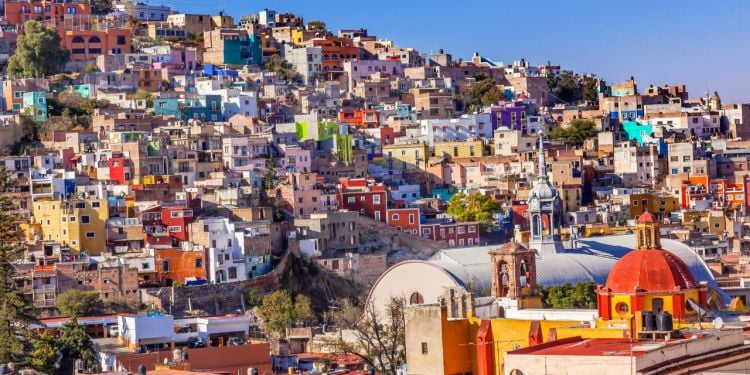
Accommodation in Mexico
If you are moving to Mexico for a long-term stay, it is important to take your time and find a place that you really like. So, the first step for ...
Moving to Mexico
An international move to Mexico requires meticulous preparation. From transporting your belongings to navigating customs processes and adapting to the local culture, planning can help you avoid surprises and make your transition smoother. Several key elements need to be taken care of beforehand:
- Compare different international moving companies and ensure they provide comprehensive insurance covering sea or air transport.
- Prepare your customs documentation: a detailed inventory in Spanish of your personal effects is mandatory. Used items are generally exempt from duties, but new items, vehicles, and recent appliances may incur taxes.
- Gather your official documents (birth certificate, diplomas, marriage certificate, driver's license, medical records) and, if required, have them translated into Spanish by a certified translator.
- Check the electrical compatibility: Mexico operates on 127 V / 60 Hz with type A and B (American) outlets. European devices often require a transformer, not just an adapter.
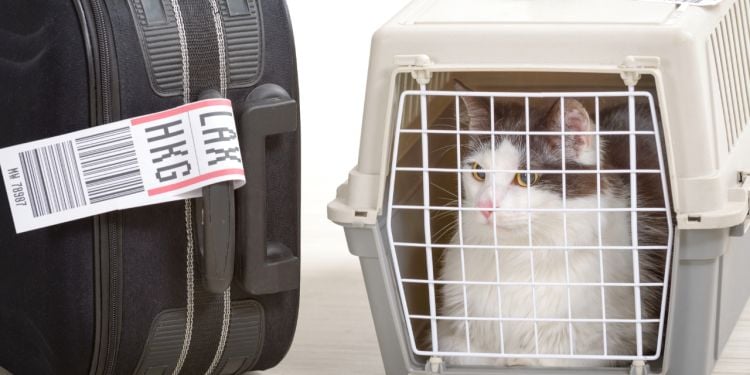
- Moving with a pet entails obtaining a veterinary health certificate (issued within the last 10 days), a current rabies certificate (more than 15 days but less than a year before entering), and a zoosanitary permit issued by SENASICA. Requirements vary by species.
- Notify your organizations in your home country (bank, insurance, social security) of your change of address and check the cancellation terms of your contracts.
- Digitize your important documents and store them in a secure online storage space.
📍 To go further

Leisure in Mexico
Mexico offers a wide variety of leisure activities that blend ancient traditions, urban modernity, and exceptional natural richness. Expats find an ideal balance of life between cultural, sporting, and social activities. With a favorable climate, the country allows for outdoor fun all year round, with costs generally affordable compared to Europe. Major cities offer a vibrant cultural life with theatres, cinemas, concerts, and exhibitions, while the coastal and mountainous regions provide diverse outdoor activities. This balance between professional and personal life for expats in Mexico usually leaves plenty of time to fully enjoy these leisure activities and explore the cultural richness of the country.
Must-see experiences:
- The local cuisine and traditional markets to immerse yourself in authentic Mexican culinary culture, well beyond tourist tacos, discovering moles, ceviches, and regional specialties.
- Water sports and beach activities, such as diving in the cenotes of the Yucatán, surfing on the Pacific coast, or sailing in the Sea of Cortés, are accessible all year round.
- Local festivals and traditions that mark Mexican life: Día de Muertos, village patron festivals, mariachi concerts, folk dances, and religious celebrations that foster social connections.
📍 Explore further

Leisure activities in Mexico
Mexico has activities for everyone: from exciting adventure to peaceful relaxation, high culture to rowdy street parties, national football matches ...
Everyday life in Mexico
Living in Mexico means embracing a warm and welcoming lifestyle, characterized by a more relaxed pace compared to Europe, along with a strong family culture. Major cities like Mexico City, Guadalajara, and Monterrey offer a cosmopolitan and vibrant urban environment, while medium-sized towns and coastal areas provide a more tranquil atmosphere. Safety can vary greatly between regions, states, and even neighborhoods: some areas are very safe and peaceful, while others require a bit more vigilance, especially at night.
Things to note:
- Meal times are shifted: breakfast is light, the comida (main meal) is typically between 2 PM and 4 PM, and dinner tends to be late, often after 8 PM.
- Punctuality is not as highly regarded as it is in Europe: the concept of hora mexicana (“Mexican time”) often implies socially accepted delays.
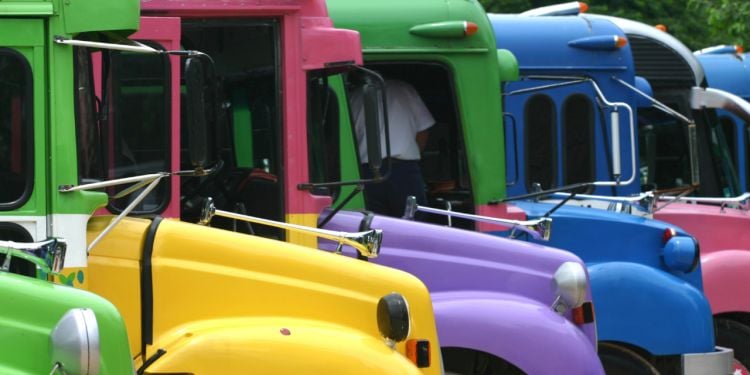
- Public transport varies across cities: Mexico City has an excellent metro and bus network, but in most regions, a personal car is necessary for comfortable travel.
- Enjoy reliable and affordable internet and mobile services, with plans starting at 200 pesos per month (approximately €10).
- WhatsApp is the preferred communication tool for both personal and professional exchanges, largely replacing SMS and informal emails.
- Social life is vibrant and centered around family gatherings, celebrations, and meetings with friends. Mexicans are welcoming, making it relatively easy to build connections, whether it’s friendships or romantic relationships.
- Moving abroad with family is common and facilitated by the openness of Mexicans towards children, who are often seen in public places and social events.
📍 Further reading
Travelling around Mexico
One of the best parts about living in Mexico is being able to travel across the country. Mexico may appear small on a map, but it is a big place with ...

Phones and Internet in Mexico
When you relocate to a foreign nation, you'll want to find a way to remain in touch with your friends and family back home. Mexico offers several ...

The Mexican lifestyle
Fiesta, mañanitas, music, friendliness, food, peace and tranquillity... This is what life is ...
Cost of living in Mexico
Mexico generally offers a cost of living that is lower than that of France, enabling expatriates to enjoy a comfortable standard of living on a moderate budget. Expenses can vary depending on the city you choose and the lifestyle you adopt. For a single person, you can expect to spend between 16,000 and 26,500 MXN/month (approximately €800 to €1,350). For a family of four, your budget should be between 40,000 and 85,000 MXN/month (approximately €2,000 to €4,300), depending on housing, education, and leisure activities.
For a single person | For a family of 4 | |
Groceries | 3,000 to 5,000 MXN (approximately €150 to €250) | 8,000 to 12,000 MXN (approximately €400 to €600) |
Public Services (water, electricity, internet, phone...) | 1,000 to 2,000 MXN (approximately €50 to €100) | 2,500 to 4,000 MXN (approximately €125 to €200) |
Health (excluding insurance) | 500 to 1,500 MXN (approximately €25 to €75) | 2,000 to 4,000 MXN (approximately €100 to €200) |
Leisure & Entertainment 2,000 to 4,000 MXN (approximately €100 to €200) | 4,000 to 7,000 MXN (approximately €200 to €350) | |
Education (if you have children) | / | 100,000 to 300,000 MXN/year per child (approximately €5,000 to €15,000/year) |
Rent | 8,000 to 15,000 MXN (approximately €400 to €750) for a 1-bedroom apartment in downtown Mexico City | 18,000 to 35,000 MXN (approximately €900 to €1,750) for a 3-bedroom apartment in downtown Mexico City |
Transport | 1,500 to 3,000 MXN (approximately €75 to €150) | 3,000 to 5,000 MXN (approximately €150 to €250) |
Subscriptions (gym, clubs, streaming services...) | 500 to 1,000 MXN (approximately €25 to €50) | 1,500 to 2,500 MXN (approximately €75 to €125) |
Imported Goods (organic products, cheeses, wines…) | 1,000 to 2,000 MXN (approximately €50 to €100) | 2,500 to 4,000 MXN (approximately €125 to €200) |
Domestic Help (common in Mexico, especially in large cities) | / | 4,000 to 6,000 MXN (approximately €200 to €300) |
Income Tax | Progressive rate from 1.92% to 35% | Progressive rate from 1.92% to 35% |
Key takeaways
Plan your administrative steps: choose the right visa for your project (temporary or permanent residency or a working holiday permit), open a local bank account, and secure private health insurance.
Take the time to read our articles, especially those covering employment, housing, healthcare, and taxation in Mexico.
Feel free to ask your questions on the Mexico forum, where the expat community shares helpful tips, advice, and experiences!
To truly integrate, learn Spanish, embrace the local traditions, and enjoy the Mexican lifestyle, which is warm, colorful, and culturally rich.
Moving to Mexico is a choice for a welcoming, vibrant country full of contrasts. To ensure your project is successful, good preparation is essential. We hope this Expat.com guide has provided you with the necessary keys to organize your relocation and fully enjoy your new life in Mexico.
We do our best to provide accurate and up to date information. However, if you have noticed any inaccuracies in this content, please contact us.


News & testimonies

From Italy to Mexico amid the pandemic
Aurora left her job in Italy a few months ago to embark on a long journey with her boyfriend. Mexico is their first stop since the country doesn't require quarantine on arrival. But this is just the beginning of Aurora's travel blogging adventure.

Our expat blog of the month: Jill's Journey
It's been nearly twenty years since Jill first moved to Mexico for a study abroad semester. There, she met the love of her life which brought about the irresistible desire to come back and settle in Mexico. Jill talks about her journey and her everyday life as an expat on her blog. If you have always wondered what life in Mexico is all about, here we go!

Testimony of an American expat and active mom of four in Mexico
Tina arrived in Mexico with her husband and her four children to experience the slower pace of life in the country. She shared with Expat.com her feelings about life in Mexico, as an American mother of four children.
Alfredo in Mexico: "The rhythm of our lives is definitely different, slower and more relaxed"
Cuban but lived in U.S most of his life, Alfredo decided to move to Mexico with his husband more than ten years ago. He gives us in this testimony his vision about the more latino country of North-America.
Essential services for your expat journey