

Living in Israel: the ultimate expat guide
Everything you need to know for a successful life in Israel.
Israel attracts thousands of expatriates every year, drawn by its dynamic economy, rich cultural heritage, and unique position bridging East and West. Known as the "Startup Nation", the country offers a vibrant entrepreneurial ecosystem, modern infrastructure, and a high standard of living. With its Mediterranean climate, diverse landscapes, and a rich cultural scene, Israel is a popular destination for both professionals and families.
Israel is home to approximately 10 million residents and boasts a cosmopolitan population that blends a variety of cultures. The country also hosts a significant foreign community, including an estimated 200,000 French nationals.
5 good reasons to choose Israel
- A global tech hub: Israel offers exceptional opportunities for innovation.
- Rich cultural diversity: the country merges ancient traditions with modernity.
- High-quality healthcare system: medical facilities are recognized for their excellence.
- A vibrant social life: the entrepreneurial spirit is particularly inspiring.
- A strategically located country: Israel provides easy access to Europe, Asia, and Africa.
The Expat.com guide is designed to help you prepare your relocation to Israel under the best conditions. Here, you will find all the essential information, including visas and regulations, the job market, the healthcare system, transportation options, and local integration.
Official languages: Hebrew | Local currency: New Israeli Shekel (ILS) | Time difference with France: +1 hour in winter, same hour in summer | Flight duration Paris - Tel Aviv: Approximately 4 hours and 30 minutes |
Formalities and visas in Israel
To come to or settle in Israel, certain formalities are mandatory, including for French nationals. The entry and residency requirements vary depending on your nationality, the duration, and the purpose of your stay.
French nationals can enter Israel without a visa for a tourist stay of up to 90 days. An entry stamp is placed on a separate document rather than in your passport. If you wish to settle permanently, obtaining a visa is essential. A work visa requires an Israeli employer to apply to the Ministry of Interior, a process that can take several months. There are also specific visas for students, volunteers, and professionals on temporary assignments.
The French Embassy in Tel Aviv and the French consulates in Jerusalem and Haifa can assist you with your administrative processes, but you must submit your visa and residency permit applications to the Israeli authorities.
💡 Useful tips
- Start your application process several months before your departure, especially for work visas
- Prepare your essential documents in Hebrew or English with certified translations if necessary
- Always keep both digital and paper copies of your travel documents and visas
- Check the specific requirements according to your situation on the Israeli Ministry of Interior's website
📍 For further information
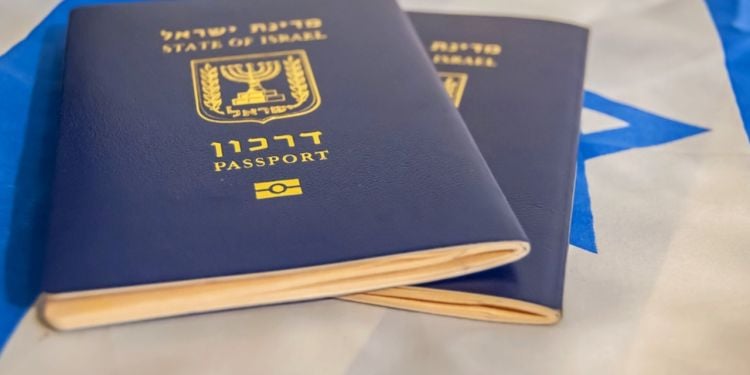
Visas for Israel
Those who want to move to Israel need to first obtain the right visa from the Israeli authorities. ...
Work permits for Israel
Navigating Israel's B1 work visa process can be intricate, especially for non-Jewish foreigners ...
Residence permits for Israel
The State of Israel was created in order to establish a Jewish homeland, and while everything is ...
Working in Israel
Israel boasts a vibrant and innovative economy, globally recognized as the "Startup Nation". The job market is competitive but offers excellent opportunities, particularly in the tech sectors. English is widely used in the international business community, although Hebrew is essential for many positions. Finding a job often requires networking and thorough preparation.
Starting a business is supported by a robust entrepreneurial ecosystem, complete with incubators, investors, and numerous support programs. Becoming a digital nomad in Israel is feasible for short periods, but a stay without a work visa is limited to a maximum of 90 days under a tourist visa, with no possibility of extension for this status.
In-demand profiles:
- Software engineers, developers, and cybersecurity specialists
- Digital marketing and growth professionals
- Artificial intelligence and data science experts
- Biotechnology and medical device specialists
- Business executives with international experience
💡 Key takeaways
- The job market is demanding, characterized by a fast-paced environment and a strong performance culture.
- The work week generally runs from Sunday to Thursday, with Friday often being a half-day in many sectors.
- Tech salaries are attractive, but the cost of living, especially in Tel Aviv, is very high.
- Entrepreneurship is highly encouraged, with a welcoming environment for startups and innovation.
Unemployment rate: 3% in 2025 | Legal work duration: 42 hours per week | Minimum wage: 6,247 ILS gross monthly (approximately 1,630 €) | Income tax: progressive from 10% to 50% | Corporate tax: 23%; VAT at 18% |
🔍 Further insights

Finding work in Israel
When seeking employment in Israel from a foreign location, preparing ahead of time can be ...

The job market in Israel
The job market in Israel is very active. By the close of 2022, the unemployment rate was 3.8%, ...
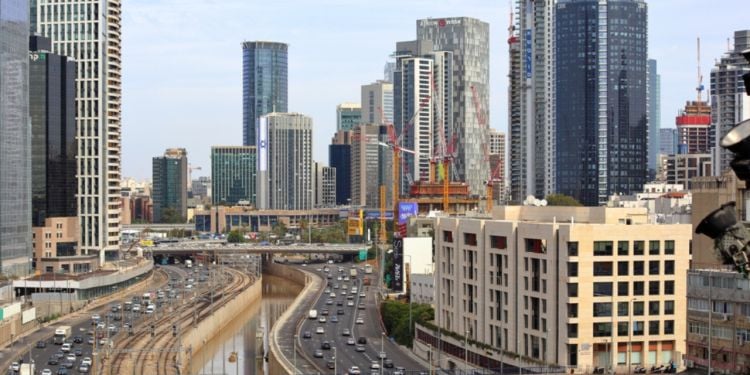
Starting a business in Israel
Entrepreneurship runs deep within the essence of the Hebrew State. In 2020, this state, with a ...
Studying in Israel
Israel attracts a large number of international students with its academic excellence and stimulating multicultural environment. The country is home to several world-renowned institutions, including the Hebrew University of Jerusalem, Technion in Haifa, Tel Aviv University, and Weizmann Institute.
Why study in Israel?
Israeli universities are particularly esteemed for their programs in science, technology, medicine, and social sciences. Many courses are offered in English, especially at the master’s and doctoral levels, making it easier for international students to enroll. Studying in Israel allows you to immerse yourself in a unique innovative ecosystem with strong connections between universities and industry, particularly in the tech sectors. The country also offers an exceptional cultural and historical experience. However, the cost of studies can be on the higher side, ranging from approximately 11,000 ILS (~ 2,700 €) to 40,000 ILS (~ 9,800 €) per year for international students at public universities, with some specialized programs being even more expensive. The cost of living, especially in Tel Aviv and Jerusalem, is high and requires a significant budget as well.
💡 Our tips
- Plan your applications early as spots are limited and competition is fierce.
- Check the equivalence of your degrees with the Council for Higher Education.
- Prepare a substantial housingbudget as university residences are rare and in high demand.
- Research scholarships available for international students through your host university.
📍 To learn more
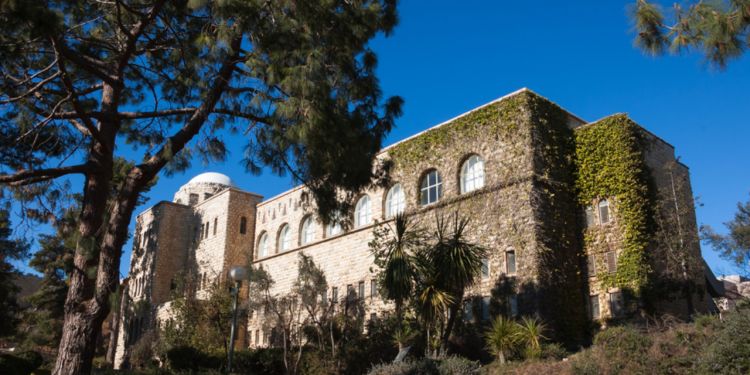
Study in Israel
Explore the reasons why this youthful and energetic country is a favored destination for higher education, offering a blend of academic distinction, ...
Retiring in Israel
Israel is not a typical retirement destination for French citizens, but it mainly attracts retirees with family or personal ties to the country. Most foreign retirees are former expats who have previously worked here. The country offers a dynamic lifestyle, a pleasant Mediterranean climate, and a high-quality healthcare system, but the high cost of living and security tensions require careful consideration before making the move.
3 major advantages
- Quality of healthcare: modern facilities and highly qualified medical personnel, with access to the latest medical technologies.
- Mediterranean climate: plenty of sunshine throughout the year, especially in the south of the country, making it great for outdoor activities.
- Vibrant cultural life: exceptional historical richness, active social life, and numerous museums, archaeological sites, and festivals year-round.
💡 Things to know
- The legal retirement age in Israel is set at 67 for men and is gradually increasing for women, currently ranging from 62 to 65 depending on the year of birth.
- To settle permanently as a retiree, you will need a renewable temporary residency visa, typically obtained through family reunification or an investment. Those eligible for Aliyah benefit from a simplified process and tax advantages during their first years of residency.
- The cost of living, especially in major cities like Tel Aviv and Jerusalem, is very high. For one person, it is recommended to budget around 14,000 to 30,000 ILS (approximately €3,500 to €7,300) per month, depending on the housing and lifestyle chosen.
- French pensions are not taxed in Israel according to the bilateral tax treaty, but they remain subject to tax in France. However, after several years of residency, it is possible to become an Israeli tax resident.
Finance and banks in Israel
Managing your budget effectively is crucial for a successful expatriation to Israel. The country boasts one of the highest costs of living in the world, particularly when it comes to housing and food. The Israeli banking system is modern and digital, but opening a bank account can be complex for newcomers. The Israeli tax system is progressive, with rates reaching 47% for the highest incomes, but there are benefits available for new immigrants eligible for Aliyah.
💡 Our tips
- Opening a local bank account is essential as soon as you arrive. Major banks (Bank Hapoalim, Bank Leumi, Discount Bank) generally require a valid visa, a passport, proof of address, and sometimes a letter of recommendation from your home bank. Expect to schedule multiple appointments and be patient.
- Familiarize yourself with the Israeli tax system before settling in. New immigrants eligible for Aliyah enjoy a tax exemption on their foreign income for ten years, which is a significant advantage. For others, the system is progressive with brackets ranging from 10% to 50%.
- Prepare for the high cost of living: rents often account for 40% to 50% of your monthly budget in major cities. Food, especially imported products, can be 30% to 50% more expensive than in France. Opt for local markets (shouks) for fruits and vegetables.
- Check the tax treaty between France and Israel to avoid double taxation. This treaty generally prevents you from being taxed twice on the same income, but the rules can be complex depending on your status.
- For international money transfers, compare traditional bank fees with specialized services (Wise, Western Union, etc.), which are often more competitive. Israeli banks tend to charge relatively high fees for international transactions.
- International bank cards are widely accepted, but having a local account greatly simplifies daily life, especially for paying rent, bills, and receiving your salary.
📍 To go further


Health care in Israel
The Israeli health care system is regarded as one of the best in the world, combining medical excellence, technological innovation, and accessibility. It operates on a mandatory universal health coverage administered by four health funds (Koupot Holim): Clalit, Maccabi, Meuhedet, and Leumit. All residents must join one of these funds and pay a monthly contribution, typically deducted automatically (usually between 3% and 5% of gross income).
The public system provides quality care, offering a basket of services defined by law. Although wait times for some treatments can be long, many choose to purchase supplementary insurance for access to premium services and to reduce waiting times. Costs for non-residents or private care can vary greatly: a private consultation may start at around 250 ILS (~65 €) for a general practitioner, and significantly more for specialists or hospitalization.
Expatriates should check their status: if they do not qualify for Aliyah or lack resident status, accessing the public system may require temporary private coverage.
💡 Key considerations
- No vaccinations are mandatory to enter Israel, but it is highly recommended to be up to date with universal vaccines (DT-Polio, hepatitis A and B, typhoid).
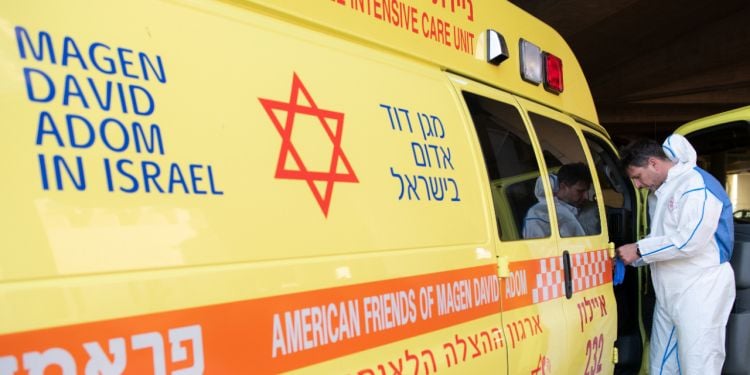
- The emergency number is 101 for Magen David Adom (Israel's ambulance service), 100 for the police, and 102 for the fire department.
- The four health funds offer slightly different services; Clalit is the largest and has widespread coverage in peripheral areas, while Maccabi and Meuhedet are known for their modern services and specialized clinics.
- The quality of care is excellent, with highly qualified doctors and hospitals equipped with the latest technologies. Israel is at the forefront of medical research, particularly in oncology, neurology, and reproductive medicine.
- Many doctors speak English, and in larger cities, some also speak French.
📍 Further reading

Education and schools in Israel
The Israeli education system is compulsory and free for children up to the age of 18, structured into three main cycles: kindergarten, primary, and secondary education. The public education system offers various streams: secular (Mamlakhti), religious (Mamlakhti Dati), ultra-Orthodox (Haredi), and Arab. Generally, the system is demanding, with a strong emphasis on science, mathematics, and technology. Expatriates often prefer international schools or French schools to maintain educational and linguistic continuity.
Choosing a school:
- Israeli public schools: free for residents, they provide instruction in Hebrew in either the secular or religious stream. Integration can be challenging for children who do not speak Hebrew, but there are language support programs (Oulpan) available. The quality of education is good, with a strong focus on scientific subjects.
- Local private schools: these often offer bilingual education (Hebrew-English or Hebrew-French) and may follow international programs. Fees range from 30,000 to 80,000 NIS per year (approximately 7,800 to 20,800 €), depending on the school and grade level.
- French schools: Israel has several OECD-accredited French institutions. Notable schools include the Lycée Français Marc Chagall in Tel Aviv and the Collège des Frères in Jaffa. These schools follow the French educational curriculum from kindergarten through to the baccalauréat, allowing students to continue their studies in France without interruption. Tuition fees are high, ranging from 23,000 to 40,000 ILS per year (approximately 6,000 to 10,500 €), with additional registration fees that can reach up to 3,000 to 8,000 ILS (approximately 780 to 2,100 €).
- International schools: very popular among expatriates, these schools offer IB (International BaccalaureateBritish, or American curricula. Among the most well-known are the Walworth Barbour American International School in Kfar Shmaryahu, the Tabeetha School in Jaffa, and the Jerusalem American International School. Annual fees range from 74,000 to 148,000 ILS (approximately 18,500 to 37,000 €), plus possible registration fees, and many schools have lengthy waiting lists.
💡 Practical tips
- Register early: it's crucial to sign up as soon as possible, especially for French and international schools. Spaces are limited, and waiting lists can exceed a year for some prestigious schools. Enrollment generally occurs between January and March for the September intake.
- Check the language requirements: some schools may require a minimum level of Hebrew, English, or French, depending on the program. Admission tests may also be conducted to assess the child's level and determine if they need language support.
- Plan for a substantial budget for additional costs: uniforms, supplies, transportation, extracurricular activities, and field trips may add 5,000 to 15,000 NIS per year (around 1,300 to 3,900 €) depending on the school.
- Look into available scholarships. The AEFE offers scholarships for French families residing in Israel, subject to income criteria. Applications are generally submitted between September and January for the following academic year.
📍 To learn more

Education in Israel
Education holds a crucial role within Israeli culture. The title “People of the Book” attributed to the Jewish community is not ...
Accommodation in Israel
Finding housing is one of the biggest challenges for expatriates in Israel. The Israeli real estate market is among the most expensive in the world, with rents potentially consuming up to 50% of the monthly budget in major cities. In Tel Aviv, a one-bedroom apartment in a desirable neighborhood generally rents for between 6,500 and 9,500 ILS (approx. €1,700 to €2,600) per month, while a three-bedroom unit can range from 11,000 to 18,000 ILS (approx. €2,900 to €4,900). Renting remains the most common option for newcomers, with renewable one-year contracts. Leases rarely include utilities, and a security deposit of one to two months' rent is often required. The market is very competitive, especially in Tel Aviv and Jerusalem, necessitating quick responses and flexibility.
Purchasing property is allowed for foreigners without any specific restrictions, but prices are prohibitive: expect to pay an average of 2 to 3 million ILS (€520,000 to €780,000) for a three-room apartment in the sought-after areas of Tel Aviv. Acquisition costs typically account for around 8 to 10% of the purchase price (including taxes, lawyer fees, and real estate agent fees). There are scams to be aware of, particularly concerning short-term rentals or unregistered sublets. It is highly recommended to work with a reputable agency or consult a lawyer to secure the transaction.
📍 For further reading
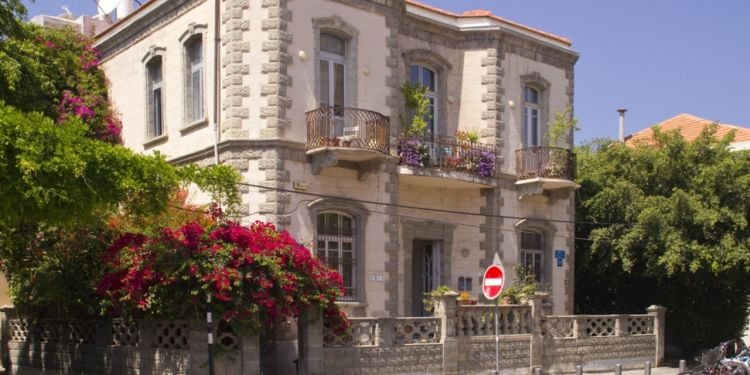
Accommodation in Israel
Looking for an apartment in the Holy Land can be quite a challenge, although not for everyone. It all depends on your budget and specific preferences.
Moving to Israel
An international relocation to Israel requires careful preparation. With the transport of your belongings, customs formalities, and adapting to a specific cultural context, it's best to anticipate every step to avoid complications.
- Compare quotes from international moving companies and ensure you include a comprehensive insurance policy for your personal belongings.
- Prepare a detailed inventory in English or Hebrew for customs. Generally, used personal effects are duty-free, but certain items may be taxed or banned (weapons, certain plants, specific types of furniture, etc.).
- Gather your essential documents translated into English or Hebrew by a certified translator: diplomas, civil status certificates, medical records, driver's licenses, and employment contracts.
- Check the electrical compatibility: Israel uses 230V/50Hz electricity with type C and H sockets. A universal adapter is recommended.
- Plan for administrative delays: obtaining an Israeli phone number, opening a bank account, and enrolling in a health insurance fund.
- If you're moving with a pet, plan at least four months in advance. An import permit is mandatory, along with a microchip, a recent veterinary health certificate, and a current rabies vaccination. No quarantine is required if all conditions are met.
- Remember to contact the French embassy or consulates in Israel to register in the list of French citizens living abroad as soon as you arrive.
📍 Going further

Relocating to Israel
Embarking on a journey to Israel brings forth a thrilling and challenging adventure. Whether you're a student seeking novel experiences or a ...
Leisure in Israel
Israel boasts a rich cultural heritage and offers exceptional leisure activities, blending millennia of history, stunning Mediterranean beaches, breathtaking deserts, and a vibrant nightlife. Expats enjoy a diversity of activities available year-round. Tel Aviv is famous for its trendy bars, international restaurants, and buzzing art scene. In contrast, Jerusalem captivates with its unique heritage and an atmosphere steeped in history.
The country offers a range of activities: enjoy beautiful hiking in the Negev Desert or along the stunning Ramon Crater, a true geological wonder. Dive in the Red Sea, surf the Mediterranean waves, or hit the slopes in Mount Hermon during winter, Israel's only ski resort. The cultural life is vibrant, featuring music festivals, contemporary art exhibitions, theaters, and cinemas showing films in their original language.
A must-see:
- Hiking in the Negev Desert and the Ramon Crater: extraordinary landscapes perfect for lovers of the wild outdoors.
- Local markets like the Carmel Market in Tel Aviv or the Mahane Yehuda Market in Jerusalem: true institutions of Israeli gastronomy.
- The beaches of the Mediterranean and the Red Sea, featuring renowned diving clubs and popular surfing spots favored by locals and expats alike.
📍 To explore further
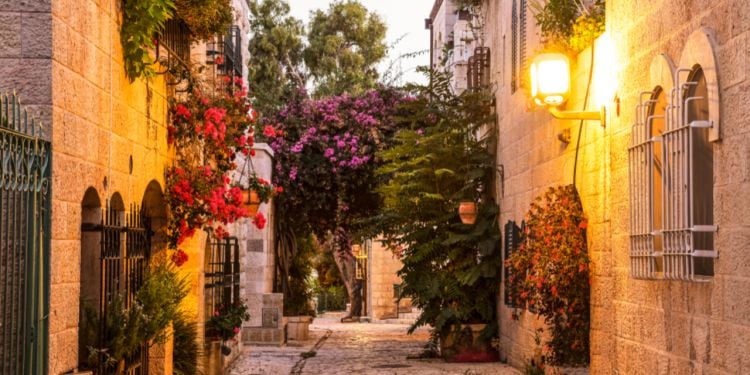
Leisure activities in Israel
Israelis have a strong enthusiasm for cultural and sports activities, and with the pleasant climate, there are numerous chances to enjoy both indoor ...
Everyday life in Israel
Living in Israel means adapting to a unique rhythm shaped by its cultural diversity, rich religious traditions, and a vibrant entrepreneurial spirit. The country is cosmopolitan, featuring a diverse and multicultural population that blends locals with expatriates from around the globe. This diversity creates a lively atmosphere, but it also calls for an open mind and a sensitivity to different customs.
What to note:
- The work week generally runs from Sunday to Thursday. The weekend consists of Friday afternoon and Saturday (Shabbat), during which public transport services are partially suspended in many areas, especially in religious neighborhoods and cities.
- The cost of living is high, particularly in Tel Aviv, which is one of the most expensive cities in the world. Housing, groceries, and entertainment can heavily impact your budget.
- Public transport is well-developed in major cities, including buses, a light rail system in Jerusalem, and trains connecting major urban areas. New infrastructure projects, including metro lines, are currently under development.
- Telephone and internet services are reliable and affordable. Mobile plans start at around 40 to 50 ILS (approximately 10 to 13 €) per month, while a high-speed fiber internet subscription averages around 109 ILS (about 28 €) per month for 300 Mbps.
- Hebrew is the primary language, but English is widely spoken in major cities and professional settings. Arabic is also spoken by a significant portion of the population.
- Childcare is a major concern for families. Private nurseries are expensive but of good quality, and many families hire nannies or use community services.
- Dating often takes place through apps, but also at social events, bars, and clubs. The expat community is vibrant and regularly organizes outings and meet-ups.
📍 To explore further
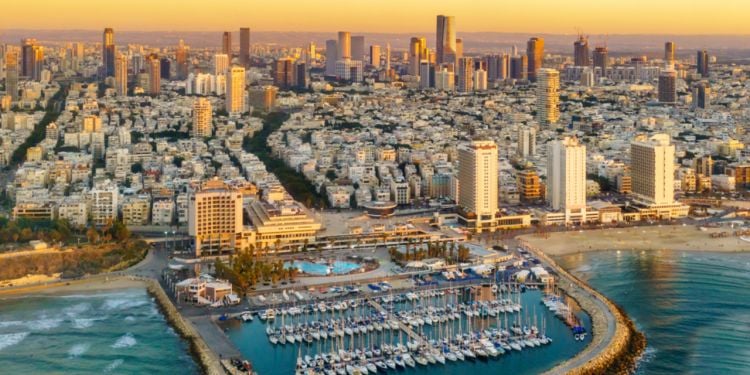
Essential things to know before moving to Israel
The country is situated along the Mediterranean Sea and shares its borders with Lebanon to the ...

Lifestyle in Israel
This hardworking nation has a vibrant work culture and thrives in its leisure activities, ...
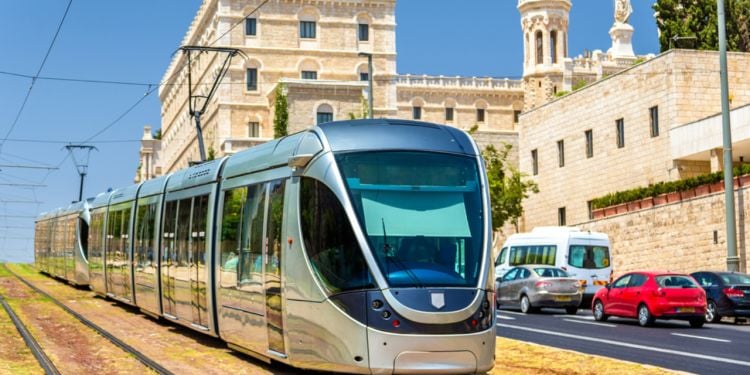
Travelling around Israel
Israel boasts a well-functioning public transportation system that allows people to travel and reach any destination they want, whether they have a ...
Cost of living in Israel
The cost of living in Israel is among the highest in the world, particularly in Tel Aviv, which is regularly ranked as one of the most expensive cities. Jerusalem and Haifa are slightly more affordable, but expenses remain significant. Depending on your lifestyle and location, expect a monthly budget of around 11,400 to 17,050 ILS (approximately 2,950 to 4,420 €) for one person, and 37,000 to 65,700 ILS (approximately 9,570 to 17,000 €) for a family of four.
Here are estimated monthly benchmarks to give you an idea of the cost of living in Israel:
For one person | For a family of 4 | |
Food | 1,200 to 2,000 ILS (approximately 310 to 520 €) | 3,500 to 5,500 ILS (approximately 910 to 1,430 €) |
Public services (water, electricity, internet, telephone...) | 400 to 650 ILS (approximately 105 to 170 €) | 800 to 1,300 ILS (approximately 210 to 340 €) |
Healthcare (excluding supplemental insurance) | 200 to 400 ILS (approximately 50 to 105 €) | 600 to 1,000 ILS (approximately 155 to 260 €) |
Leisure & outings | 800 to 1,500 ILS (approximately 210 to 390 €) | 1,500 to 2,500 ILS (approximately 390 to 650 €) |
Education (if you have children) | / | 6,000 to 12,500 ILS (approximately 1,560 to 3,250 €) / month/child |
Childcare services | / | 2,500 to 4,500 ILS (approximately 650 to 1,170 €) |
Rent | 6,500 to 9,500 ILS (approximately 1,690 to 2,470 €) | 11,000 to 18,000 ILS (approximately 2,860 to 4,680 €) |
Arnona (property tax) | 1,000 to 1,500 ILS (approximately 260 to 390 €) | 1,500 to 2,500 ILS (approximately 390 to 650 €) |
Transport | 300 to 500 ILS (approximately 80 to 130 €) | 800 to 1,500 ILS (approximately 210 to 390 €) |
Subscriptions (gym, clubs, streaming services...) | 200 to 400 ILS (approximately 50 to 105 €) | 500 to 900 ILS (approximately 130 to 235 €) |
Imported goods (organic, cheeses, wines...) | 400 to 700 ILS (approximately 105 to 185 €) | 1,000 to 1,800 ILS (approximately 260 to 465 €) |
Income tax | progressive system from 10% to 50% | progressive system from 10% to 50% |
Key takeaways
Prepare for your administrative steps: make sure you have the appropriate visa suited to your situation, register with a health insurance provider, and set up a local bank account.
Take the time to read our articles, particularly those covering employment, housing, the tax system, and health care in Israel.
Don’t hesitate to ask your questions on the Israel forum, where the expatriate community shares advice, insights, and experiences!
To integrate into your new environment, be curious, respect local traditions, explore the cultural diversity of the country, and enjoy the unique vibrancy of Tel Aviv, Jerusalem, and other Israeli cities. Learning some basic Hebrew will make your daily life easier, even though English is widely spoken.
Moving to Israel means choosing a vibrant, multicultural, and ever-evolving country. To make your transition successful, thorough preparation is key. We hope this Expat.com guide has provided you with the essential tools to facilitate your relocation and fully enjoy your new life in Israel.
We do our best to provide accurate and up to date information. However, if you have noticed any inaccuracies in this content, please contact us.


News & testimonies

How Tel Aviv became one of the world's most expensive cities
In the latest cost-of-living report by The Economist Intelligence Unit (EIU), Tel Aviv is now the world's 5th most expensive city. While the Israeli capital ranks behind Zurich, Paris, Hong Kong and Singapore, it is ahead of other large cities such as Osaka, Geneva, New York, Copenhagen and Los Angeles. What does this mean for expats?
David in Israel: "Haifa has a great diversity and climate"
Tired of his nomadic life, David, US citizen, moved to Haifa, in Israel, in 2006. Former mathematics teacher, he is now enjoying his early retirement along with his wife.

Between Antwerp and Tel Aviv
I am Marilyn and I am originally from Antwerp Belgium. I have a Polish grandfather and a Greek grandmother. I moved to Tel Aviv in 2007 for work and I fell in love with the city.
Essential services for your expat journey