Living in Bulgaria: the ultimate expat guide
Everything you need to know for a successful life in Bulgaria.
Bulgaria is a country in southeastern Europe that blends centuries-old history with a modern reality. Its landscapes range from Black Sea beaches to mountainous regions and green valleys. Cities offer a mix of historical architecture and evolving urban infrastructure. Living costs tend to be lower than in many Western European countries. For many expats, this combination—affordability, culture, climate, and opportunity—makes Bulgaria an attractive place to consider relocating to.
Five great reasons to move to Bulgaria
• Affordable cost of living: Compared with many parts of Europe, daily expenses — from groceries to rent — are lower in Bulgaria.
• International community: Although foreign-born residents are a small share of the population, numbers have increased significantly over the past decade.
• Access to work and education opportunities: Bulgaria issues residence permits for labor, family, and international student reasons.
• Integration into the European Union: As an EU member, Bulgaria provides EU-level rights for residents.
• Diverse landscapes and lifestyle choices: From coastal Black Sea towns to mountain regions and quieter rural areas, there are lifestyle options aplenty.
Facts and figures
Population (December 2024) | 6.4 million |
Expat population (mid-2024) | 299,100 |
Most common expat nationalities | Russia, Türkiye, Germany |
Long-term residency permits issued to non-EU nationals (2024) | 13,000 |
Data correct as of December 2025
Sources:
National Statistical Institute — population, statbase — immigrant population, and OECD — foreign-born population and permits
Formalities and visas in Bulgaria
If you’re moving to Bulgaria, the first step is to check whether you need a visa. Citizens of many countries can enter Bulgaria visa-free for short stays up to 90 days, while longer stays — for work, study, or retirement — require a visa or residence permit. To start, you usually apply at a Bulgarian embassy or consulate in your home country, as most long-term visas are still handled in person, not entirely online. Processing times can range from a few weeks to over a month, so it’s essential to plan ahead.
What you need to know
• Passport: Must be valid for at least three months beyond planned departure.
• Short stays: Citizens of many countries, including EU members, can enter Bulgaria visa-free for up to 90 days in a 180-day period.
• Application process: Mostly in-person; some forms are online.
• Plan ahead: Visa processing times can take several weeks, and delays are common if documents are incomplete.
• Residence permits: Applied for in person at the local Migration Directorate once you arrive in Bulgaria.
Useful link:
Ministry of Foreign Affairs — Visas
🔍To learn more
Visas for Bulgaria
Are you moving to Bulgaria? Find out in this article whether you have to apply for a visa and how ...

Resident and work permit in Bulgaria
Do you need a work permit to work in Bulgaria? What are the conditions to be met to be eligible for ...
Traveling to Bulgaria
If you intend to travel to Bulgaria, whether for a long or short-term stay, here is a summary of formalities you have to fill in.
Working in Bulgaria
Bulgaria attracts expats with its low cost of living, EU membership, and opportunities in growing sectors. However, the job market can be competitive for foreigners: many local-facing roles — especially in government, healthcare, education, and customer service — require Bulgarian language skills, local experience, or recognized professional certifications. While the national unemployment rate remains relatively low, opportunities vary by region and sector, with the highest demand in major cities.
Major employment sectors in Bulgaria include IT, manufacturing, tourism, healthcare, and finance, with particularly high demand for specialists with international experience and English proficiency. Expats with these skills often find the best opportunities in Sofia, Plovdiv, and Varna, as well as in rapidly growing tech and startup hubs, where companies actively seek foreign talent.
Sectors in Bulgaria looking for workers
• Information technology (IT) and software development: High demand for programmers, engineers, and tech specialists.
• Tourism and hospitality: Hotels, restaurants, and tour operators hire international staff.
• Healthcare and medical services: Doctors, nurses, and care professionals are in demand.
• Manufacturing and logistics: Especially in industrial hubs and export-oriented factories.
• Finance and business services: Accounting, consulting, and financial analysts are sought after.
Starting a business in Bulgaria
Bulgaria is considered a favorable location for start-ups and entrepreneurs. Corporate tax is low (10%), and business registration is straightforward. Expats can establish companies in sectors such as IT, tourism, export/import, e-commerce, and consulting. Major cities like Sofia, Plovdiv, and Varna are hubs for new business ventures, and the government supports small business initiatives and start-up accelerators.
Facts and figures
Unemployment rate (third quarter 2025) | 3.4% |
Private sector workers vs public sector workers | Private 73.7% vs public 26.3% |
Minimum monthly wage | €551 (USD 644.72) |
Working-age population (December 2024) | 3.765 million |
Data correct as of December 2025.
Sources:
National Statistical Institute — labour force, unemployment rate, European Union — minimum wage, and Bulgarian News Agency — workforce population
🔍To learn more
Work in Bulgaria
Find, in this article, an overview of the Bulgarian labor market and tips to help you find a job if ...

Setting up a business in Bulgaria
Are you looking forward to set up a business in Bulgaria? Here is an overview of conditions to be ...

Internship in Bulgaria
Looking for an internship in Bulgaria? Find information on the related conditions and procedures in ...
Studying in Bulgaria
Bulgaria offers a growing higher education sector with several universities recognized across the region. The quality is generally solid, especially in technical, medical, and business programs, and tuition fees are often lower than in Western Europe. International students are attracted to studying in Bulgaria for its affordable living costs, English-language programs, and opportunities to study in a culturally rich country.
Top universities in Bulgaria
• Sofia University – The oldest and largest university in Bulgaria, known for strong programs in sciences, humanities, and law.
• Technical University of Sofia – Highly regarded for engineering, IT, and applied sciences.
• Medical University of Sofia – Famous for medical and healthcare programs, attracting many international students.
International students in Bulgaria
International students in Bulgaria often enroll in programs such as medicine, engineering, business, IT, and language courses. Securing a student visa is relatively straightforward, and about 20,000 international students are enrolled in tertiary education in Bulgaria. Students come from several different countries, including Turkey, Greece, Germany, India, and Italy.
🔍To learn more
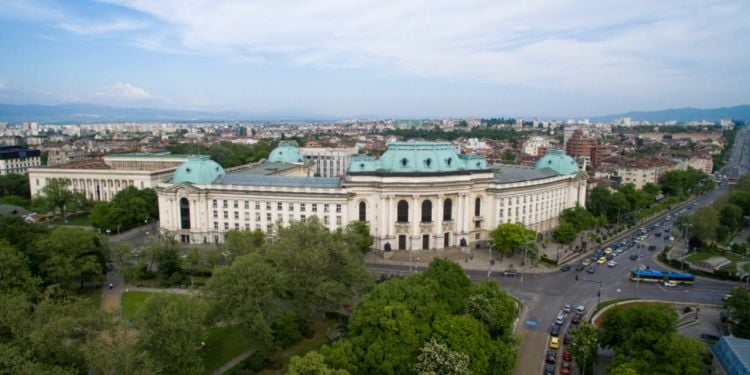
Study in Bulgaria
Do you dream of pursuing your higher studies in Bulgaria? Find out what you need to know on this country's higher education system in this ...
Retiring in Bulgaria
Bulgaria is a magnet for retirees thanks to its low cost of living, mild climate, affordable healthcare, and EU residency benefits. Expats mainly come from the UK, Germany, Russia, and other EU nations, drawn by the combination of relaxed lifestyle, cultural richness, and modern amenities.
Top retirement locations
• Varna and Burgas (Black Sea coast): Beaches, sunshine, and good healthcare.
• Sofia and Plovdiv: Urban conveniences, culture, and international connections.
• Bansko and Razlog (mountains): Outdoor lifestyle, scenic surroundings, and modern facilities.
• Veliko Tarnovo: Historic charm and quieter living.
Visas and residency
EU retirees:
- No visa needed to enter Bulgaria
- Can stay up to three months visa-free
- For stays longer than three months, register at the local Migration Directorate with: passport, proof of pension or sufficient funds, and health insurance coverage
- Can buy property freely
- Can enjoy full access to Bulgarian services
- Residence permit is usually for five years or longer and is renewable
Non‑EU retirees:
- Must apply for a long-stay (Type D) visa at a Bulgarian embassy or consulate in your home country
- Required documents: valid passport, proof of pension/income or savings, health insurance, proof of accommodation, clean criminal record certificate
- Upon arrival in Bulgaria, apply for a residence permit at the local Migration Directorate
- The permit is typically for one year and renewable annually
- Buy property freely and enjoy full access to local services once the permit is granted
Useful links:
Finance and banks in Bulgaria
Bulgaria’s banking system is modern and reliable, with a mix of local and international banks offering online banking, mobile apps, and digital payments. Most banks require a valid passport to open an account, and while proof of Bulgarian residence is often requested, some banks will allow expats to open basic accounts with only a temporary address or utility bill. Many banks in major cities provide services in English, making it easier for expats to navigate accounts, transfers, and everyday banking. ATMs are plentiful, and international cards are widely accepted.
For expats in Bulgaria, the following banks are generally considered the most expat-friendly due to English-language support, international services, and accessibility:
• UniCredit Bulbank: One of the largest banks in Bulgaria, it offers full online banking in English and good international transfer services.
• DSK Bank: Popular with expats for simple account options, English-speaking staff, and widespread branches.
• Raiffeisenbank Bulgaria: Offers accounts in multiple currencies and online banking in English.
• Postbank (Eurobank Bulgaria): User-friendly online banking, English support, and accessible ATMs throughout the country.
Most of these banks are headquartered in Sofia, with branches in major cities such as Plovdiv, Varna, and Burgas, making it easier for expats to manage their finances.
🔍To learn more


Health care in Bulgaria
Bulgaria has a mixed public-private healthcare system. Expats in Bulgaria can access public healthcare once they are registered as residents and contribute to Bulgaria's national health system. Public services are low-cost, but waiting times for specialists can be long, and quality is generally better in larger cities. Specialized fields like cardiology, orthopedics, and dentistry are strong, while many expats prefer private clinics for faster, English-speaking service. EU citizens may use their European Health Insurance Card (EHIC) temporarily, while non-EU expats must either contribute to the health system or rely on private health insurance.
Healthcare in Bulgaria: EU vs non-EU expats
EU expats:
• Can use the European Health Insurance Card (EHIC) for temporary stays.
• For stays longer than three months, you must register and show proof of income/pension and health insurance.
• Access to public healthcare as a resident.
• Can choose private insurance for faster or additional coverage.
Non-EU expats:
• Must have health coverage to get a long-term visa (Type D) or Bulgarian residence permit.
• Can contribute to the National Health Insurance Fund (NHIF) if eligible; rates depend on income or pension.
• Often rely on private health insurance, especially for short-term stays or if not yet contributing to NHIF.
• Private health coverage is required for visa/residence applications.
Useful links:
Republic of Bulgaria — Ministry of Foreign Affairs and National Health Insurance Fund.
🔍To learn more

Education and schools in Bulgaria
Bulgaria offers a mix of public, private, and international schools. Public schools are free for residents and follow the national curriculum, while private and international schools often provide programs in English or other languages. The quality of education in Bulgaria varies; urban schools in large cities tend to be better equipped, whereas rural schools may have limited resources.
What you need to know
• Children in Bulgaria start school in pre-school/kindergarten at age six or seven.
• Compulsory education runs from ages 6-16.
• Public education is free for Bulgarian residents, including EU and non-EU expats who are registered as residents.
Education for expat children in Bulgaria
Expat children are generally eligible for free education in public schools once family members become residents of Bulgaria. Many expat families choose international or private schools for English-language instruction, bilingual programs, international curricula, modern facilities, globally recognized diplomas, and smoother transitions to universities abroad. Popular cities for expat schooling include Sofia, Plovdiv, Varna, and Burgas.
🔍To learn more
Accommodation in Bulgaria
Bulgaria offers affordable housing compared with other parts of Europe, but the market varies widely by location. Sofia and Plovdiv have competitive rentals and modern apartments, while seaside towns like Varna and Burgas attract retirees with sunny beaches and lower prices. Mountain towns and smaller cities offer quiet, budget-friendly options. Overall, whether you’re after city life, coastal relaxation, or a mountain retreat, Bulgaria provides good value and diverse choices for expats.
Renting in Bulgaria is relatively straightforward. Most landlords ask for a one-year lease, one to three months’ rent for a deposit, and sometimes proof of income. Utilities are usually not included and should be clarified upfront. Rental prices in Bulgaria vary: Sofia and Plovdiv are more expensive, coastal towns like Varna and Burgas are mid-range, while smaller cities and mountain towns offer cheaper options.
Buying property in Bulgaria is straightforward for EU citizens, who can freely acquire apartments, houses, and land. Non-EU citizens can purchase apartments directly, but buying land usually requires forming a Bulgarian company.
Tips:
• Utilities: Often not included, so clarify upfront.
• Mortgages: Limited for non-residents; EU expats have easier access.
• Real estate agents: Recommended for contracts and language support.
Useful link:
🔍To learn more
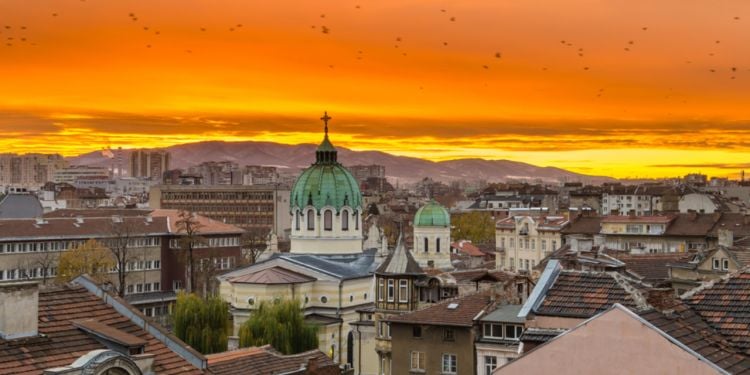
Accommodation in Bulgaria
Looking forward to settle in Bulgaria? Find out in this article how to proceed to find accommodation in the country.
Planning your move to Bulgaria
Bulgaria has professional logistics services and modern infrastructure, making it easier for expats to move their belongings from abroad. Shipping from other EU countries is generally smooth thanks to the EU customs system, while shipments from outside the EU require declarations and may incur duties. Delivery times vary depending on the shipping company, origin, and season, so planning is essential. With careful preparation, your possessions can arrive safely and securely at your new Bulgarian home.
Tips:
• Use a reputable international moving company with experience shipping to Bulgaria.
• Check customs requirements and declare any high-value items to avoid fines or delays.
• Label everything clearly for easy delivery to your new home.
• Consider insurance for valuable or fragile items to protect against loss or damage during transit.
Useful link:
🔍To learn more


Leisure in Bulgaria
Bulgaria offers a rich mix of leisure activities that appeal to both city dwellers and nature lovers. The country is known for its mountains, beaches, and cultural heritage, offering expats numerous ways to spend their free time. Outdoor enthusiasts can explore the Rila and Pirin mountains for hiking, skiing, and mountain biking, or relax on the Black Sea coast with its sandy beaches and seaside resorts. Urban areas such as Sofia, Plovdiv, and Varna feature museums, galleries, theaters, and lively nightlife, ensuring there’s always something to do regardless of the season.
Traditional Bulgarian culture also offers unique leisure experiences. Festivals, folk music, wine tasting, and local markets give expats the chance to immerse themselves in authentic Bulgarian life. Bulgaria’s affordable leisure options make it easy to enjoy dining out, cultural events, and sports without breaking the bank, whether you’re in the city or the countryside.
Popular activities in Bulgaria
• Hiking and skiing in the Rila, Pirin, and Balkan Mountains
• Sunbathing and water sports on the Black Sea coast
• Exploring historic towns like Plovdiv, Veliko Tarnovo, and Nessebar
• Visiting museums, galleries, and theaters in Sofia, Plovdiv, and Varna
• Wine tasting and food tours in the Thracian Valley and rural regions
• Attending traditional festivals, folk music, and cultural events
• Cycling, kayaking, and other outdoor sports across the country
🔍To learn more

Leisure in Bulgaria
Wondering how to keep yourself busy after work and during week-ends? Here is an overview of leisure activities available in the country.
Everyday life in Bulgaria
Daily life in Bulgaria is generally relaxed, with a friendly and welcoming culture. Bulgarians value family, hospitality, and social connections. Daily routines often include coffee breaks, shopping at the market, and spending time outdoors. It is important to respect local customs, such as greeting people with a handshake and showing politeness in public spaces.
Most cities and towns in Bulgaria are safe, but as in any country, expats should take standard precautions, particularly in larger urban areas and at night. Crime is relatively low; petty theft, such as pickpocketing, can occur in tourist hotspots, but violent crime is rare. Expats, including women living alone, generally feel safe, especially in well-populated areas.
Tips:
• Lifestyle and customs: Family-oriented, sociable, value politeness, coffee culture, and markets.
• Transport: Public transport is available in cities; car ownership is common in rural areas.
• Safety: Low violent crime; petty theft in tourist areas.
🔍To learn more
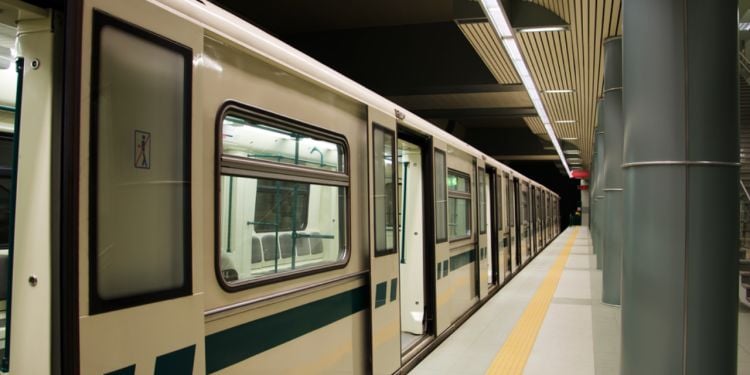
Transports in Bulgaria
To travel around in Bulgaria, you can choose among different means of transport. Find out about these in this article.

Phones and Internet in Bulgaria
Wondering how to make phone calls and access to Internet in Bulgaria? Find out in this article.

Lifestyle in Bulgaria
If you are planning to move to Bulgaria, it is best to be aware of its inhabitants' lifestyle beforehand. Here is an overview.
Cost of living in Bulgaria
Bulgaria is one of the most affordable countries in Europe, with living costs significantly lower than in Western Europe and many neighboring countries. Rent, groceries, dining out, and transportation are all comparatively cheap, making it attractive for expats, retirees, and digital nomads. However, imported goods, international brands, and luxury items can be more expensive than in neighboring countries, while utilities and internet prices are reasonable. Overall, Bulgaria offers a high quality of life at a fraction of the cost found in much of the EU, especially in smaller cities and rural areas.
Monthly expenses
Single expat (per month) | Family of four (per month) | |
Rent (city center) | 1 bedroom: лв 1,050 (USD 570) | 3 bedroom: лв 2,000–2,800 (USD 1,090–1,525) |
Rent (suburbs) | 1 bedroom: лв 700–900 (USD 380–490) | 3 bedroom: лв 1,500–2,200 (USD 815–1,195) |
Utilities (water, electricity, gas, Internet) | лв 220–300 (USD 120–165) | лв 400–550 (USD 220–300) |
Groceries | лв 450–650 (USD 245–355) | лв 1,200–1,800 (USD 650–980) |
Public transport | лв 50 (USD 27) | лв 200 (USD 108) |
Dining out and entertainment | лв 150–250 (USD 82–135) | лв 400–600 (USD 215–325) |
Data correct as of December 2025
Source:
Outro
Bulgaria offers an affordable, modern lifestyle with a rich mix of culture and scenery. Expats can explore opportunities in growing industries, enjoy quality healthcare, and choose life in cities, on the coast, or in the mountains. But moving here takes planning — visas, housing, work, schools, and leisure all need to be researched — but here at Expat.com, we make things a whole lot easier. Our dedicated Bulgaria forum and guides provide you with practical tips, firsthand experiences, and advice from people who’ve done it before you, helping to ease some of the pressure so that you can settle in and enjoy your new life in Bulgaria.
We do our best to provide accurate and up to date information. However, if you have noticed any inaccuracies in this content, please contact us.


News & testimonies

Bulgaria: Europe's new hotspot for expats
Thinking about where to relocate? The 2025-2026 expat trends highlight several emerging destinations, and Bulgaria is high on the list. Many expats now see it as one of the best places in Europe to begin a new chapter. Its growing popularity comes down to a few key advantages: a lower cost of living than most major expat hubs, a very competitive tax system, and a climate that easily rivals that of Mediterranean countries.

Tracey in Bulgaria: "Time is more fluid here"
English expat, Tracey moved permanently to rural Bulgaria with her partner Paul in March 2012. Nowadays, they keep themselves busy renovating their property and taking care of their garden and animals.
Essential services for your expat journey