


 Guide updated by Veedushi Bissessur on 16 October 2026
Brazil, the largest country in South America, is renowned for its rich cultural heritage, diverse landscapes, and vibrant cities. From the bustling streets of São Paulo to the serene beaches of Bahia, Brazil offers a unique blend of opportunities and experiences for expatriates. The nation's dynamic economy, combined with its warm climate and welcoming communities, makes it an attractive destination for those seeking a new chapter abroad.
5 good reasons to move to Brazil
Economic opportunities
As the largest economy in Latin America, Brazil presents numerous opportunities in sectors such as agriculture, mining, energy, and technology. Cities like São Paulo and Rio de Janeiro are hubs for multinational corporations and startups alike.
Affordable living
Compared to many Western nations, Brazil offers a lower cost of living. Housing, food, and transportation can be more affordable, particularly in smaller cities and rural areas.
Natural beauty
From the Amazon Rainforest to the Pantanal wetlands, Brazil boasts some of the world's most diverse ecosystems. The country's vast landscapes offer endless opportunities for eco-tourism and outdoor activities.
Warm climate and lifestyle
Brazil's tropical and subtropical climates provide year-round warmth, encouraging an outdoor lifestyle. The nation's emphasis on community and family fosters a welcoming environment for newcomers.
Cultural diversity
Brazil's cultural tapestry is woven from Indigenous, African, and European influences, creating a society rich in traditions, music, dance, and cuisine. Festivals like Carnival and regional celebrations offer a glimpse into the nation's vibrant cultural life.
Your setup journey
Guide in 14 steps. Click any step below to jump directly to the section you need.
01Where to live in Brazil
Selecting the right city or region in Brazil depends on various factors, including lifestyle preferences, employment opportunities, and climate. Major cities like São Paulo and Rio de Janeiro offer bustling urban environments with a plethora of job prospects, cultural activities, and amenities. However, they also come with higher living costs and increased traffic congestion.
For those seeking a more relaxed pace of life, cities such as Florianópolis, Curitiba, and Belo Horizonte provide a balance between urban amenities and a slower pace. These cities often feature lower living costs and a higher quality of life, making them attractive options for expatriates.
In contrast, rural areas and smaller towns offer a more tranquil lifestyle, a closer connection to nature, and lower expenses. However, access to healthcare, education, and employment opportunities may be limited in these regions.
Explore our city guides
02Formalities and visas in Brazil
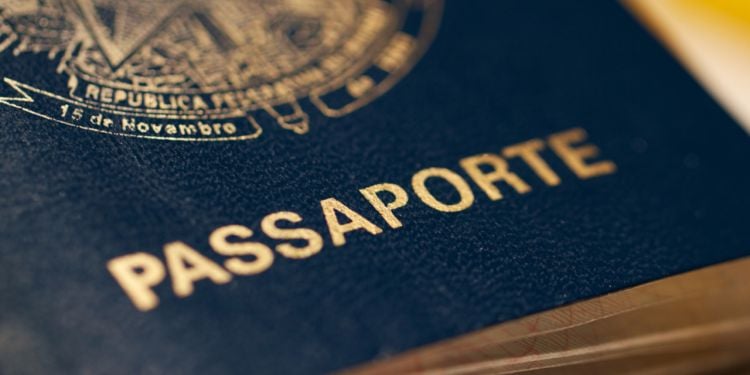
Expats planning to move to Brazil must apply for the appropriate visa before arrival. Applications are mostly completed online via Brazil's official visa portal, followed by document submission at a consulate.
Visas for Brazil
- Short-stay visa – for tourism, business trips, or short cultural exchanges under 90 days. Many nationalities (including those from Europe and the U.S.) can enter visa-free for up to 90 days in a 180-day period.
- Temporary work visa – for those with a valid job offer from a Brazilian employer; valid up to two years and renewable.
- Digital nomad visa – for remote workers earning at least USD 1,500/month; valid for one year.
- Student/volunteer/artist visa – allows longer stays for study, volunteering, or cultural work; duration depends on program length.
- Permanent visa – for skilled professionals, family reunification, or investors contributing to the Brazilian economy; offers full residency rights.
- Retirement visa – for retirees; initially valid for two years, after which permanent residency may be granted.
- Investment visa – for investors contributing a minimum of BRL 150,000 (USD 27,623) to a Brazilian business or real estate venture.
Discover more








Join the discussion on the forum
03Working in Brazil
Brazil's growing and diverse economy offers many opportunities for skilled expatriates, especially in sectors that support innovation, sustainability, and infrastructure. While competition can be high, professionals with specialized skills and Portuguese language proficiency are well placed to find rewarding roles.
Jobs in demand for expats
- Information technology: software development, cybersecurity, AI, and data analysis roles are expanding, especially in São Paulo's tech sector.
- Engineering: civil, mechanical, and environmental engineers are needed for infrastructure, energy, and mining projects.
- Education: qualified teachers and university lecturers, particularly those fluent in English, find opportunities in international and private schools.
- Healthcare: doctors, nurses, and medical researchers are in demand, particularly in private healthcare networks.Agribusiness: specialists in agricultural technology, logistics, and export operations support Brazil's vast farming industry.
- Finance and business services: demand remains steady for financial analysts, accountants, and consultants in multinational and domestic firms.
- Renewable energy: engineers and project managers are sought for wind, solar, and bioenergy expansion projects.
- Entrepreneurs benefit from Brazil's expanding domestic market and government incentives in innovation, sustainability, and technology. Foreign entrepreneurs are welcome, particularly in technology, sustainability, education, and digital services — sectors that align with Brazil's current development priorities. However, the business registration process can be bureaucratic.
Key employment facts and figures
Unemployment rate: | 6.2% (May 2025) |
Number of unemployed: | 6.8 million (May 2025) |
Largest employer: | Itaú Unibanco — the largest bank in Latin America |
Minimum monthly wage: | BRL 1,518 (USD 280) |
Data correct as of October 2025
Sources: IBGE News Agency, LeadIQ, Agencia Brasil



04Accommodation in Brazil
Finding housing in Brazil is generally straightforward, but availability and cost vary greatly depending on the city or region. Major urban centers offer a wide range of options, while smaller towns provide more affordable alternatives. Expats can choose to rent or buy, although purchasing property involves legal steps and fees.
Housing options in Brazil
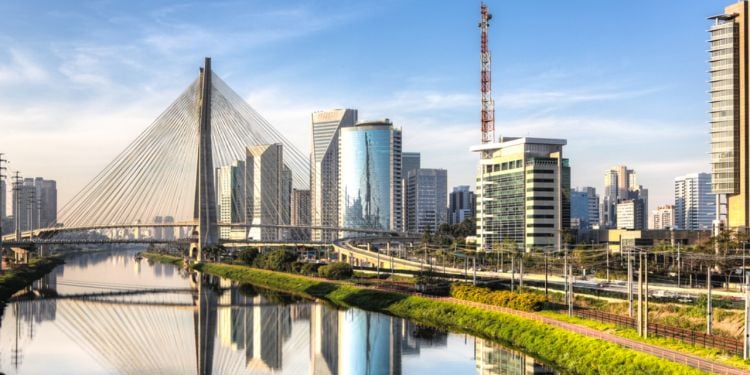
São Paulo – modern apartments and high-rise condos in city centers; townhouses and larger apartments in suburban areas.
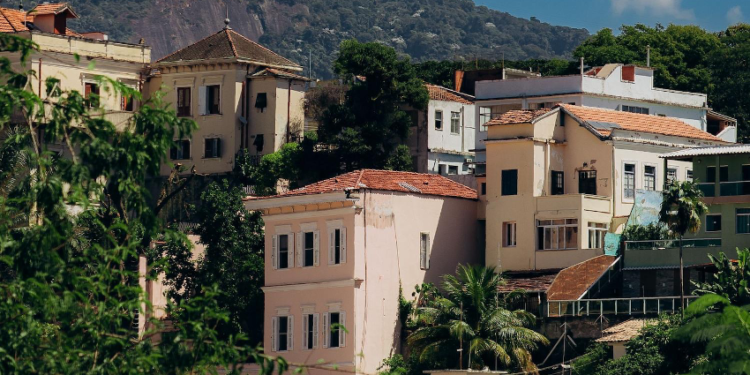
Rio de Janeiro – beachfront apartments, high-rise city apartments, and houses in suburban neighborhoods.
Florianópolis – coastal apartments and small houses, popular for expatriates seeking a relaxed lifestyle.
Belo Horizonte – affordable apartments and family homes in both city and suburban areas.
Brasília – apartments in planned residential sectors; houses in satellite towns surrounding the capital.Smaller towns/rural areas – spacious houses, farm properties, and apartments at lower rental costs.

05Cost of living in Brazil
The cost of living in Brazil can vary widely depending on the city and lifestyle you choose. São Paulo and Rio de Janeiro are the most expensive, while smaller towns and coastal areas are generally more affordable. Housing, healthcare, transport, and groceries differ between regions, but overall, expats can enjoy a comfortable lifestyle at lower costs than in many Western countries, particularly outside the major urban centers.
Monthly expenses | Single expat | Family of four |
Rent (city center) | 1 bedroom: R$ 3,582 (USD 711) | 3 bedroom: R$ 6,711 – 7,000 (USD 1,342 – 1,400) |
Rent (suburbs) | 1 bedroom: R$ 2,284 – 2,500 (USD 457 – 500) | 3 bedroom: R$ 4,346 – 4,800 (USD 876 – 970) |
Utilities (electricity, water, gas, Internet) | R$ 335 – 400 (USD 67 – 79) | R$ 670 – 800 (USD 134 – 158) |
Groceries | R$ 736 – 900 (USD 147 – 180) | R$ 1,472 – 2,000 (USD 294 – 400) |
Transportation (car, fuel, public transport) | R$ 353 – 500 (USD 71 – 100) | R$ 706 – 1,000 (USD 142 – 200) |
Dining out and entertainment | R$ 383 – 500 (USD 77 – 100) | R$ 766 – 1,200 (USD 153 – 240) |
Data correct as of October 2025
Source: Numbeo.
Join the discussion on the forum
06Health care in Brazil
Brazil's health care system is a mix of public and private services. The public system provides free care to residents, but it can be overcrowded and slow for non-emergency treatments. Private health care offers faster access, modern facilities, and international-standard care, making it popular among expats and wealthier Brazilians.
Expats don't automatically get access to free public health services in Brazil. Only those with temporary or permanent residency visas—such as work, student, retirement, or family visas—can use the public system. Short-term visitors or tourists must rely on private health insurance, and even residents often choose private coverage for faster access to doctors, hospitals, and treatments.


07Finance and banks in Brazil
You will need to wait until you arrive in the country before opening a bank account in Brazil. Having a CPF (tax identification number) is essential before opening any account and is required for virtually all financial, legal, and administrative transactions. Some banks may also need a Brazilian phone number, so using a reputable bank branch in a major city is the easiest way for expats to get started. Online banking is widely used, and many banks provide English-language support.
And when it comes to expats and tax, it is important to note that the country's tax system is complex and depends on your residency status.
Tax residency: expats become tax residents if they spend more than 183 days in Brazil within a 12-month period or hold a permanent visa. Tax residents are taxed on worldwide income, while non-residents are taxed only on Brazilian-source income.
Income tax (IRPF): personal income tax rates are progressive, and employers typically withhold income tax at source for employees.
Social security contributions: if employed or self-employed in Brazil, expats must contribute to the country's social security system.
Discover more


08Retiring in Brazil
Retiring in Brazil is an attractive option for many expatriates due to the country's warm climate, vibrant culture, and relatively affordable cost of living. Brazil offers a specific retirement visa for those who can demonstrate a stable income from pensions, social security, or other retirement funds.
Expats are free to buy property in Brazil, allowing them to settle permanently.
Popular retirement destinations include:
- Florianópolis: offers beaches, good infrastructure, and mild tropical weather.
- Natal: famous for pristine beaches, warm weather year-round, and a relaxed vibe.
- São Paulo: ideal for retirees seeking an active city lifestyle with top healthcare, museums, theaters, and dining.
- Fortaleza: affordable, cultural, and oceanfront
- Rio de Janeiro: offers city life alongside world-famous beaches, vibrant culture, and dining.
- Balneário Camboriú: a luxury beach destination in southern Brazil known for high-end real estate and a lifestyle favored by Brazil's affluent.
- Many retirees come from Portugal, the United States, and Argentina, drawn by both the culture and the relatively lower cost of living.
09Studying in Brazil
Brazil is an increasingly attractive destination for international students due to its diverse academic programs, growing research opportunities, and cultural experiences. The country offers competitive tuition fees, a vibrant student life, and the chance to study in one of Latin America's largest economies. Many universities now offer programs in English, particularly at the postgraduate level, making it more accessible for international students.
Brazil's top universities include:
University of São Paulo (USP) – São Paulo: the largest and most prestigious university in Brazil, strong in research and international partnerships.
University of Campinas (UNICAMP) – Campinas, São Paulo state: renowned for engineering, technology, and innovation programs.
Federal University of Rio de Janeiro (UFRJ) – Rio de Janeiro: offers programs across sciences, humanities, and arts.
Federal University of Minas Gerais (UFMG) – Belo Horizonte: known for research in science, technology, and medicine.
Discover more

10Education and schools in Brazil
Expat children can generally find schooling options without major difficulties in Brazil, especially in major cities. International schools cater specifically to foreign families, offering instruction in English or other languages and following international curricula such as the International Baccalaureate (IB) or American programs. These schools provide a smoother transition for children who may not speak Portuguese fluently.
Brazil also has a vast network of public and private schools. Public schools are free and available nationwide, but teaching is primarily in Portuguese, and resources can be limited in some areas. Private schools in Brazil often have smaller class sizes, additional extracurricular activities, and higher academic standards, making them a popular choice for expat families.
Discover more

Join the discussion on the forum
11Planning your move to Brazil
Relocating to Brazil requires careful planning, especially when it comes to shipping your belongings. Legal residents can import personal and household items duty-free, but there are restrictions on certain goods, and all shipments must meet strict deadlines. Working with an experienced international moving company and a local agent in Brazil can help navigate customs, ensure proper documentation, and prevent delays at ports of entry.
Before moving, expats need to prepare key documents, including a CPF (tax ID), residence card, passport copies, and a detailed inventory of items to be imported. Some items, such as electronics, furniture, clothing, and professional equipment, can be brought in easily, while others, like vehicles and foodstuffs, may face duties or require special permits. Insurance for shipped goods is highly recommended, and costs are typically paid in two instalments—half at loading and the remainder on delivery. Planning ahead and enlisting professional help makes moving to Brazil smoother and less stressful.



12Everyday life in Brazil
A strong sense of community and family characterizes daily life in Brazil. Social interactions often occur in public spaces such as parks, cafes, and plazas. The pace of life can vary; urban areas tend to be fast paced, while rural regions offer a more relaxed lifestyle.
Brazilian cuisine is diverse and flavorful, and meals are often shared with family and friends, reflecting the country's emphasis on social connections.
Safety is a consideration in certain areas, and expatriates should stay informed about local conditions. It's advisable to take standard precautions, such as avoiding poorly lit areas at night and securing personal belongings.
Discover more





Join the discussion on the forum
13Leisure in Brazil
Life in Brazil is full of energy, color, and movement. From golden beaches and lush rainforests to bustling city streets, there's always something to see, do, or try. Expats quickly discover that leisure here isn't just about relaxing—it's a chance to join vibrant local traditions, meet people, and stay active, whether on the sand, in the water, or on the sports field.
Popular leisure activities and sports in Brazil
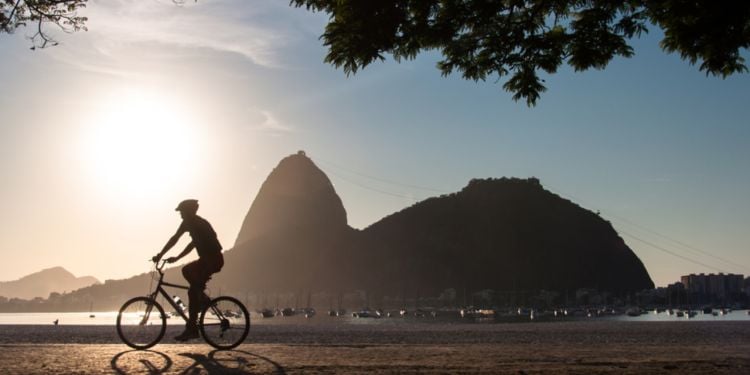
- Beaches and water sports: surfing, kitesurfing, sailing, scuba diving, and beach volleyball are widely practiced along Brazil's 7,500 km coastline.
- Football (soccer): Brazil's most beloved sport, with games played year-round; both watching and playing are popular pastimes.
- Futevôlei: a unique beach sport combining volleyball and soccer, played without using hands.
- Court sports: volleyball, basketball, futsal (indoor football), and tennis are popular, often organized through clubs or schools.
- Martial arts and Capoeira: Brazilian Jiu-Jitsu, mixed martial arts, and Capoeira— a combination of dance and martial arts—are practiced nationwide.
- Outdoor activities: hiking, golf, and running are common, with many trails and parks available.
- Gym and fitness classes: yoga, Pilates, and weight training are widely offered in local gyms.
- Formula 1 and motorsports: popular spectator sports with events in major cities.
Discover more

Join the discussion on the forum
14Outro
Living in Brazil is an adventure filled with color, culture, and opportunity. From the bustling streets of São Paulo and Rio de Janeiro to the sun-soaked beaches of Florianópolis and Natal, expats can find a lifestyle that suits their pace and interests. Whether you're drawn by career opportunities in thriving sectors, the chance to study at top universities, or the dream of retiring by the sea, Brazil offers a rich mix of experiences. With its welcoming people, vibrant leisure options, and diverse housing and schooling choices, life here can be both exciting and comfortable.
Success as an expat in Brazil comes down to preparation and curiosity. Understanding visas, taxes, healthcare, and the local way of life will help you settle in smoothly, while exploring neighborhoods, connecting with locals, and enjoying the country's natural beauty will make the experience truly rewarding. For those willing to embrace its energy and warmth, Brazil is not just a destination—it's a place to live fully and make lasting memories.
Join the Brazil community
Get regular tips and advice to make the most of your expat life
Essential services for your expat journey








Forum topics on living in Brazil
Discover forums topics on expat life in Brazil: join the conversation, ask your questions, get advice and share your experience.
- Having trouble with credit card and debit card working
- Best Supermarkets and/or Walmart equivalent
- How to check if CRNM is ready for pickup
- Moved to Brazil this year. Here's what I've learnt so far
- Prescription Eyeglasses
- Does Brazil tax Disabled US military benefits
- Residence Card Processing Time
- FAX fix - here's a solution to an old problem