

Living in Manama: the ultimate expat guide
Everything you need to know for a successful life in Manama.
Manama, the capital of the Kingdom of Bahrain, is a modern city that blends Arabian heritage with cosmopolitan living. Situated on the northeastern tip of Bahrain Island, this compact metropolis serves as the economic and cultural heart of an archipelago nation that has transformed from a pearl-diving hub into a thriving financial center. With a population of approximately 1.5 million inhabitants—over half of whom are expatriates—Manama offers newcomers a welcoming environment with established expat communities from around the globe.
Why Choose Manama?
The city consistently ranks among the easiest places in the Gulf for expatriates to settle. According to the InterNations Expat Essentials Index, Bahrain ranks second globally for ease of adjustment, citing streamlined bureaucracy, simple banking procedures, and accessible housing. English is widely spoken in business and daily life, removing a significant barrier for many newcomers.
5 Good Reasons to Move to Manama
- Tax-free income – Bahrain has no personal income tax, allowing you to keep your full salary.
- Lower cost of living – Living expenses are approximately 20-30% lower than Dubai or Doha.
- Strategic location – Connected to Saudi Arabia via the King Fahd Causeway and within easy reach of the entire GCC region.
- Welcoming culture – Bahrain is known as one of the most liberal and tolerant countries in the Gulf.
- Thriving expat community – A diverse, multicultural environment with established support networks.
Working in Manama: Opportunities and Work Permits
Manama offers robust employment opportunities across multiple sectors, driven by the government's Economic Vision 2030 diversification strategy. The city serves as a regional hub for finance, technology, and professional services, attracting multinational corporations and startups alike. With no personal income tax, your gross salary becomes your net take-home pay—a significant advantage over many global destinations.
Key Employment Sectors
The financial services sector remains Bahrain's strongest employer, with the country recognized as a leading center for Islamic banking and fintech innovation. The Central Bank of Bahrain regulates a stable banking environment that supports open banking, crowdfunding, and cryptocurrency ventures. Other thriving sectors include oil and gas, construction and engineering, information technology, healthcare, and hospitality. Digital transformation initiatives have created strong demand for IT specialists, data analysts, and cybersecurity professionals.
Work Permits and Visas
All non-GCC nationals require a work permit to be employed legally in Bahrain. Your prospective employer must sponsor your application through the Labour Market Regulatory Authority (LMRA) via the Expat Management System (EMS). Work permits are typically valid for 1 to 2 years and include automatic residency rights. Processing takes approximately 5-21 business days, depending on whether you are already in Bahrain or applying from abroad. Required documents include a valid passport, medical certificate, educational credentials, and employment contract. The standard work permit fee is approximately BHD 172 (~USD 456) for one year.
The following table summarizes key employment indicators for Bahrain:
Unemployment rate | ~1.1% (ILO estimate, 2024) |
Average monthly salary | BHD 791 (~USD 2,097) |
Top-paying sectors | Finance, Oil & Gas, IT, Healthcare |
Sources: The Global Economy, LMRA Bahrain
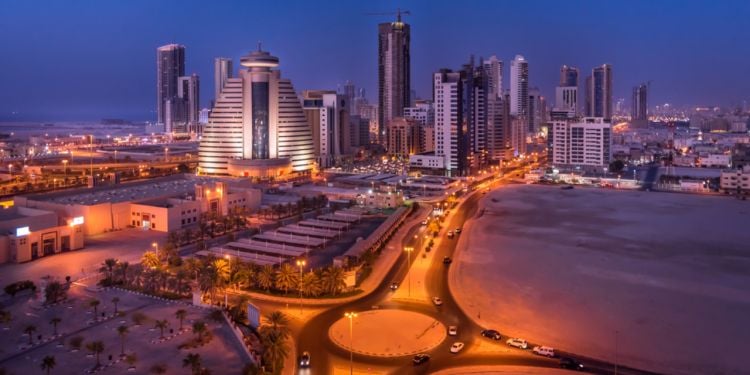
Working in Manama
It is obvious that the capital of Bahrain has come a long way in terms of growth and development, onboarding job seekers from all parts of the ...
Higher Education and Universities in Bahrain
Bahrain boasts the oldest public education system in the Arabian Peninsula and has developed a strong higher education sector. Manama and its surroundings host both public institutions and private universities offering internationally recognized programs. English is the primary language of instruction in most degree programs, making Bahrain accessible for international students seeking quality education in the Gulf.
Major Universities
The University of Bahrain (UoB), established in 1986, is the kingdom's largest public university with approximately 30,000 students. It offers associate diplomas through doctoral programs across multiple faculties. The university is ranked #951-1000 in the QS World University Rankings 2026. Other notable institutions include Bahrain Polytechnic (technical education), Arabian Gulf University (postgraduate medical and scientific programs), and the Royal College of Surgeons in Ireland – Medical University of Bahrain (RCSI Bahrain), which allows students to earn international medical degrees locally.
Private universities such as Ahlia University, AMA International University, and the American University of Bahrain (AUBH) offer programs in business, IT, engineering, and liberal arts with curricula aligned to Western educational standards.
Tuition Fees and Admission
Tuition fees for international students are considerably lower than in Europe or North America. At the University of Bahrain, undergraduate fees for international students start from approximately USD 1,000 per year, while private universities charge between BHD 2,000 and BHD 8,000 (~USD 5,300-21,200) annually depending on the program. Admission typically requires proof of secondary education completion, English proficiency (IELTS or TOEFL), and transcripts. The main intakes are Fall (September) and Spring (January/February). Some universities offer merit-based scholarships for high-achieving students.
Sources: University of Bahrain, QS Top Universities, American University of Bahrain
Schools and Education for Expat Children
Bahrain offers excellent schooling options for expatriate families, with over 35 international schools in and around Manama. These institutions follow various curricula including British, American, International Baccalaureate (IB), Indian, and other national programs. Most private schools teach primarily in English, making the transition easier for children from English-speaking backgrounds. Admission to top schools can be competitive, so applying well in advance is strongly recommended.
International School Options
St Christopher's School is one of the most prestigious institutions, offering British and IB curricula to over 2,300 students aged 3-18 from 70 nationalities. It has been recognized by The Guardian as one of the best international schools globally. The British School of Bahrain follows the National Curriculum for England, preparing students for IGCSEs and A-Levels. For American curriculum, Bahrain School and Al-Hekma International School offer programs accredited by US organizations including the Middle States Association. The International School of Choueifat – Manama, part of the global SABIS network, provides a rigorous international curriculum.
Fees and Enrollment
Annual tuition varies significantly by school and grade level. Entry-level fees (ages 3-5) typically range from BHD 2,000 to BHD 3,500 (~USD 5,300-9,300), while secondary education can cost BHD 4,500 to BHD 8,800 (~USD 11,900-23,300) per year. Additional costs include registration fees, uniforms, transportation, and extracurricular activities. Most schools require academic records, a completed application form, passport copies, and immunization records. Some schools conduct entrance assessments.
St Christopher's School | BHD 2,007 – 8,826/year |
British School of Bahrain | From BHD 3,416/year |
International School of Choueifat | BHD 2,178 – 4,743/year |
Bahrain Indian School | From BHD 990/year |
Sources: International Schools Database, Edarabia
Housing and Neighborhoods in Manama
Manama offers diverse housing options to suit different budgets and lifestyles, from modern high-rise apartments in bustling urban centers to spacious villas in quieter suburban compounds. Rental prices have remained competitive compared to other GCC capitals, making Bahrain attractive for expats seeking quality accommodation without excessive costs. Most rentals are unfurnished, though furnished options are available at a premium.
Popular Expat Neighborhoods
Juffair is the most popular area for young professionals and singles, known for its vibrant nightlife, restaurants, and proximity to the US Naval base. One-bedroom apartments range from BHD 375-850 monthly. Seef is a modern district near the financial center, featuring premium apartments, major shopping malls, and excellent amenities—ideal for professionals working in finance or tech. Rents here range from BHD 500-900 for apartments. Adliya attracts a bohemian crowd with its art galleries, cafes, and restaurants, offering a creative atmosphere with apartments from BHD 400-700. For families, Saar provides quiet, green surroundings with spacious villas near international schools, while Amwaj Islands offers a gated community lifestyle with beach access and marina facilities.
Rental Costs
The following table provides average monthly rental prices in Manama:
1-bedroom apartment (city center) | BHD 300 – 500 (~USD 795-1,325) |
1-bedroom apartment (outside center) | BHD 200 – 350 (~USD 530-930) |
3-bedroom apartment (city center) | BHD 500 – 900 (~USD 1,325-2,385) |
Villa (4-bedroom, suburbs) | BHD 800 – 1,500 (~USD 2,120-3,975) |
Rental contracts typically require one month's rent as a security deposit. Utilities (electricity, water, cooling) average BHD 50-100 monthly depending on usage and apartment size. Many newer buildings include amenities such as gyms, pools, and parking.
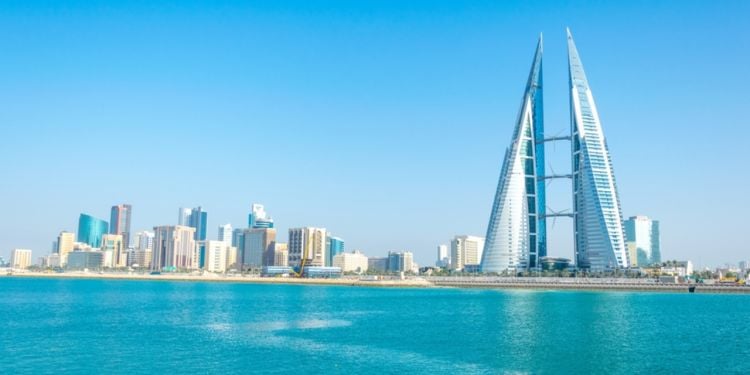
Accommodation in Manama
Manama, Bahrain's vibrant capital, offers a variety of housing options to suit different lifestyles and budgets. Whether you're relocating ...
Leisure, Culture, and Things to Do in Manama
Manama offers a rich cultural scene alongside modern entertainment options, ensuring residents have plenty to explore beyond work. From ancient archaeological sites to contemporary art galleries, the city reflects Bahrain's unique position as a crossroads between East and West. The social calendar features year-round festivals, sporting events, and culinary experiences that bring together the diverse expat community.
Museums and Cultural Sites
The Bahrain National Museum, opened in 1988, is the kingdom's premier cultural institution, showcasing 6,000 years of history across six halls covering the Dilmun civilization, pearling heritage, and traditional crafts. Admission is just BHD 1. The Qal'at al-Bahrain (Bahrain Fort), a UNESCO World Heritage Site, offers panoramic views and archaeological insights. Beit Al-Qur'an houses one of the world's largest collections of Quranic manuscripts and Islamic art (free admission). The Pearling Path in Muharraq tells the story of Bahrain's pearl-diving heritage through restored buildings and immersive experiences.
Entertainment and Recreation
For shopping and leisure, City Centre Bahrain, Seef Mall, and The Avenues offer international brands, cinemas, and family entertainment. The Al-Fateh Grand Mosque, one of the largest in the world, welcomes visitors for guided tours. Sports enthusiasts can attend the Bahrain Grand Prix at the Bahrain International Circuit or join clubs like The Dilmun Club and the Rugby Football Club in Saar. Amwaj Islands provides beach access and water sports. Nightlife thrives in Juffair and Adliya, with international restaurants, bars, and cafes open late. The annual Spring of Culture festival (January-March) brings world-class performances, art exhibitions, and cultural events to venues across the city.
Sources: Visit Bahrain, Time Out Bahrain
Daily Life in Manama: Transport and Lifestyle
Daily life in Manama combines the conveniences of a modern city with traditional Arabian culture. The pace is generally more relaxed than in neighboring Dubai or Doha, offering residents a comfortable work-life balance. English is widely spoken in shops, restaurants, and public services, making everyday tasks straightforward for newcomers. The city operates on a Sunday-to-Thursday work week, with Friday and Saturday forming the weekend.
Getting Around
Private vehicles remain the primary mode of transportation in Bahrain, with fuel prices among the lowest in the world. Most expats either purchase a used car (BHD 1,500-3,000) or receive a transportation allowance from their employer. Ride-hailing apps Uber and Careem are widely available and offer convenient, cashless travel. The Bahrain Public Transport Company (BPTC) operates a modern bus network with 26 routes, 600+ stops, and 140 air-conditioned buses connecting key areas including Manama, Muharraq, Isa Town, Riffa, and the international airport. A single bus trip costs BHD 0.275 (~USD 0.73) with a GO Card, or BHD 0.300 (~USD 0.80) cash. Daily fare caps of BHD 0.700 make buses an economical option. Buses feature free Wi-Fi and real-time tracking via the BPTC app.
Climate and Lifestyle
Bahrain has a hot desert climate with extremely warm summers (40-45°C / 104-113°F from June to September) and mild winters (15-25°C / 59-77°F from December to February). Air conditioning is essential during summer months. Social life centers around shopping malls, restaurants, and coffee shops during the hottest periods. Bahrain is known as one of the more liberal GCC states, with restaurants and hotels serving alcohol, and a relatively relaxed dress code for expats—though modest attire is appreciated in public. Grocery shopping is affordable at chains like Carrefour, Lulu Hypermarket, and Al Jazira, with both local and imported products available.
Sources: Bahrain Bus, Ministry of Transportation and Telecommunications
Cost of Living in Manama
Manama offers one of the most affordable cost of living among GCC capitals, typically 20-30% lower than Dubai or Doha. Combined with tax-free salaries, this makes Bahrain an attractive destination for building savings. Housing and transportation represent the largest expenses for most expats, while groceries, dining, and entertainment remain reasonably priced. The following estimates provide a realistic budget framework.
Monthly Budget: Single Person
The table below outlines typical monthly expenses for a single professional living in Manama:
Expense Category | Monthly Cost (BHD) | Monthly Cost (USD) |
Rent (1-bedroom, city center) | 300 – 450 | 795 – 1,193 |
Utilities (electricity, water, cooling) | 40 – 70 | 106 – 186 |
Groceries | 80 – 120 | 212 – 318 |
Transportation (car/fuel or rideshare) | 50 – 100 | 133 – 265 |
Health insurance | 15 – 30 | 40 – 80 |
Dining & entertainment | 80 – 150 | 212 – 398 |
Total (Single Person) | 565 – 920 | 1,498 – 2,440 |
Monthly Budget: Family of Four
Expense Category | Monthly Cost (BHD) | Monthly Cost (USD) |
Rent (3-bedroom, family area) | 600 – 1,000 | 1,590 – 2,650 |
Utilities | 80 – 120 | 212 – 318 |
Groceries | 200 – 300 | 530 – 795 |
School fees (2 children, mid-range) | 400 – 800 | 1,060 – 2,120 |
Transportation (car ownership) | 100 – 150 | 265 – 398 |
Health insurance (family plan) | 50 – 100 | 133 – 265 |
Dining, entertainment & misc. | 150 – 250 | 398 – 663 |
Total (Family of Four) | 1,580 – 2,720 | 4,188 – 7,209 |
In Short
Manama offers expatriates a compelling combination of career opportunities, affordable living, and genuine quality of life. With tax-free salaries, costs significantly lower than neighboring Gulf cities, and one of the region's most welcoming environments, Bahrain stands out as an accessible gateway to the Middle East. The city's compact size means shorter commutes and easy access to beaches, cultural sites, and regional travel. Whether you're drawn by finance sector opportunities, family-friendly neighborhoods, or the relaxed pace of daily life, Manama provides a solid foundation for your expatriate journey.
Ready to connect with others who've made the move? Join the Expat.com Manama forum to ask questions, share experiences, and become part of a supportive community of expats living in Manama and across the kingdom.
We do our best to provide accurate and up to date information. However, if you have noticed any inaccuracies in this content, please contact us.


Essential services for your expat journey