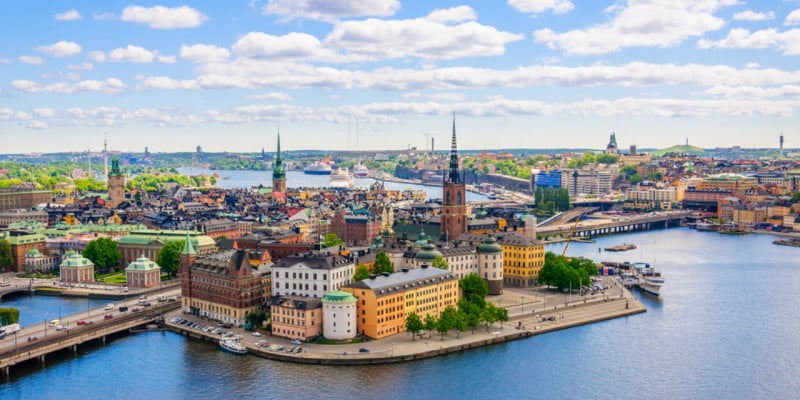
Moving to Stockholm comes with a learning curve. New arrivals quickly discover that understanding how the city functions day to day is an important part, even more than knowing where the main attractions are. From getting around to getting settled, it is mostly about observation and adjustment rather than sightseeing.
Stockholm is spread across islands, which makes orientation feel complicated at first, but daily movement is straightforward once you learn the basics. Public transport is reliable and well integrated. Buses, the metro (Tunnelbana), commuter trains, trams, and ferries all run on the same ticket system, making transfers easy. Most residents rely on public transport year-round.
Walking is often faster than expected, especially in the central districts, and most areas are designed with pedestrians in mind. Cycling is also common from spring through autumn, supported by dedicated bike lanes and clear signage. In winter, cycling continues but becomes more weather-dependent. Taxis are widely available but expensive and usually reserved for late nights or airport transfers.
Eating out in Stockholm is less spontaneous than in many other European cities. Restaurants tend to book up quickly, and dinner reservations are common, especially on weekends. Prices are high by international standards, but quality and consistency are generally reliable. You do not need to tip on your bill, but for good service, rounding up to the nearest 50 or 100 kr is done.
Traditional Swedish food still appears on many menus, but the city's dining scene is international and increasingly casual. Lunch is often the best value, with many restaurants offering fixed-price lunch menus on weekdays. Street food, food halls, and neighbourhood cafes provide more affordable options, while bakeries and coffee shops play a central role in daily life.
Alcohol is tightly regulated and expensive in restaurants, which shapes dining habits. Many locals meet for lunch, coffee, or early dinners rather than late nights out.
Join the Stockholm community
Get regular tips and advice to make the most of your expat life
Take a stroll across Stockholm
Take a stroll through Södermalm to experience some less-touristy areas of the city. Södermalm, or Söder, is a great neighbourhood to find trendy cafés and cute little coffee shops with limited but always full outdoor seating. The locals love it here, and it's not hard to understand why.
Head to nearby Tantolunden to get away from the city lights and see some of Stockholm's most creative gardens. Depending on the season, you can see everything from picnics and swimming to downhill sledging. If you're not in the area, don't worry ' Stockholm has 11 beautiful green areas for you to explore.
Neighbourhoods and green spaces in Stockholm
Stockholm's neighbourhoods each have a distinct character, and exploring them on foot is one of the easiest ways to understand the city. Areas like Södermalm are known for cafes, small shops, and a more relaxed pace. The central districts, meanwhile, feel more formal and commercial. Moving between neighborhoods often means crossing bridges or walking along waterfront paths, which naturally blends city walking with access to nature.
Green space is not an afterthought in Stockholm. Parks are spread throughout the city and used year-round. The two largest are Tantolunden and Djurgården, while smaller parks function as extensions of people's living space, especially in the summer.
Climate and seasons in Stockholm
Stockholm's climate has a direct impact on how people use the city. Summers are relatively warm (but not hot). The long daylight hours encourage outdoor dining, swimming, and evening walks. Rain is common later in the summer, but rarely stops people from outdoor activities.
Winters are cold, with temperatures often dropping below freezing. Snow and ice are part of normal life, and the city keeps transport and pedestrian routes functioning. Short daylight hours are difficult, but indoor social habits and continued exercise help offset the impact of the darkness.
Daily life and living costs in Stockholm
Stockholm is, of course, an expensive city. Although it's not the most expensive in the world, the cost of living is high, especially in the city centre. Prices might be intimidating, but once you get accustomed to the prices and earn wages that are on par with living costs, things get better. Salaries generally reflect the cost of living, and once income and expenses are aligned, budgeting becomes manageable.
Daily life in Stockholm is predictable, which many newcomers come to appreciate. Shops, services, and public institutions tend to operate on fixed schedules and the pace of life is steady but not hectic.
Swedish culture places a strong emphasis on work-life balance, privacy, and consideration for others. Social interactions tend to be polite and reserved, especially at first, but relationships become more relaxed over time. It might be difficult to make friends at first, but if you join sports clubs in the city or are proactive, you will make friends in time. Personal space is respected, and overt displays of status or wealth are uncommon and frowned upon.
Fika is an important part of daily life. Coffee breaks with pastries are built into workdays and social routines and are a low-pressure way to connect with colleagues or friends. Although English is widely spoken, learning some Swedish makes everyday interactions easier. An appreciation for the outdoors, regardless of weather, is another constant, and spending time outside is seen as a normal part of maintaining balance rather than a special activity.
We do our best to provide accurate and up to date information. However, if you have noticed any inaccuracies in this article, please let us know in the comments section below.
I've spent the past 15+ years living and working across different countries in Asia, Africa, Europe, and North America. I enjoy learning from new cultures, adapting to new environments, and connecting with people who share a curiosity about the world.