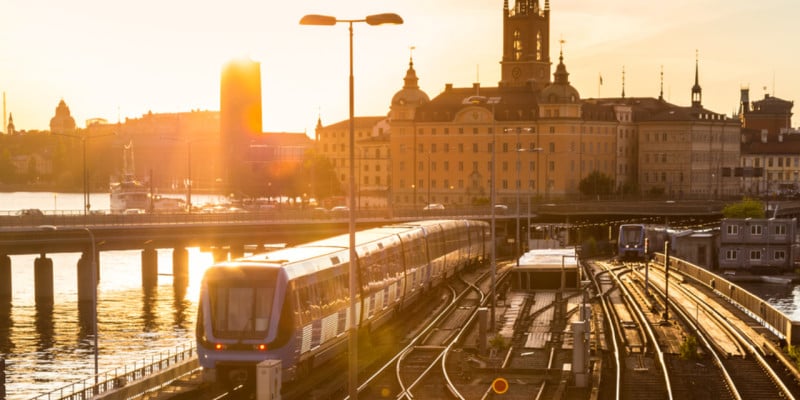
Stockholm's SL transport system
Stockholm Public Transport, also known as SL, operates Stockholm's extensive transportation system. It covers buses, the metro, commuter (local) trains, trams, and ferries. Journey and ticket planning are largely app-based, and paper tickets and the use of cash have been phased out. Tickets for all modes of transportation listed below, with the exception of taxis or the Arlanda Express, are purchased through the SL app.
Luggage and prams for children are permitted on all modes of transport at no extra cost. Bicycles are permitted only on certain services and outside of peak services, so check before you bring it.
Subway (T-bana)
The Stockholm metro connects the city's neighbourhoods and suburbs. The network consists of 100 stations across 7 lines. Many stations feature large-scale public artwork, and the metro is often described as an underground art gallery, making everyday travel a cultural experience.
Bus lines
Stockholm's bus network reaches the areas not covered by rail. Some routes, such as bus 69, provide scenic routes through central Stockholm. Tickets must be purchased via the app before boarding. Route maps and real-time updates are also available via the app.
Trams
Trams operate on a small number of routes. Tram line 7 runs year-round and connects the city center with Djurgården, passing several major museums and historic sites along the way.
Commuter trains
The commuter train (pendeltåg) network connects central Stockholm with surrounding towns and suburbs across the county. These trains are part of the local public transport system and use the same tickets as other city transport. Tickets must be purchased before boarding via the SL app.
Ferries
SL travel tickets can also be used on the commuter ferry lines. Ferries provide practical cross-water connections as well as a different perspective on the city, particularly between central Stockholm and nearby islands.
Ticketing
Tickets for Stockholm public transport are purchased digitally through the SL app. Physical SL centres still exist, but cash is not accepted anywhere on the system, and tickets must be bought before boarding.
Tickets are valid across all SL transport modes, and the main ticket options are: single ticket (valid for 75 minutes), 24-hour, 72-hour, and 7-day passes. Reduced fares apply for children, students, and seniors.