

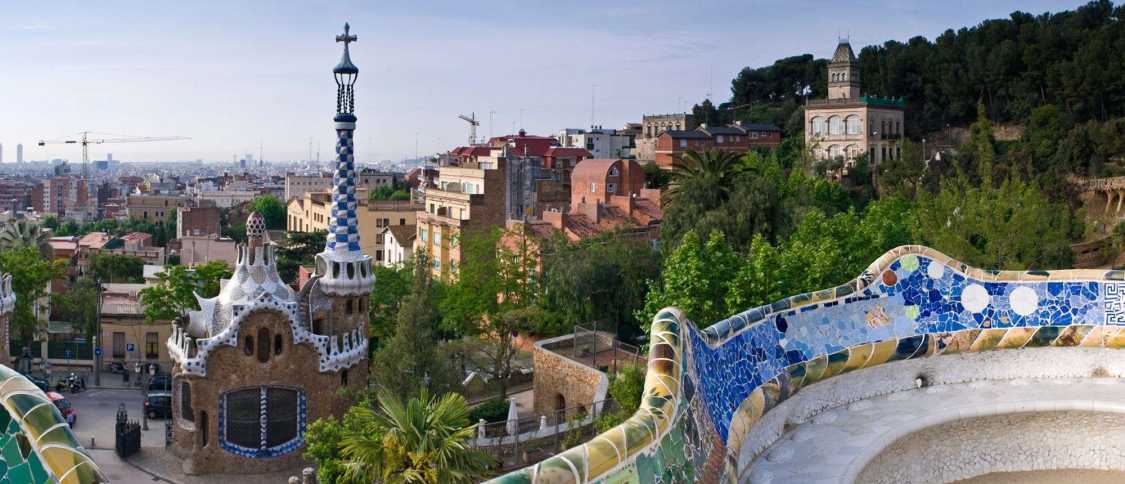
 Guide updated by Paul Arnold on 15 December 2025
Barcelona, the capital of Catalonia, is one of Europe’s most cosmopolitan and culturally rich cities. With a population of around 1.7 million, it combines a Mediterranean lifestyle with a thriving tech scene and a strong economy. Expats are drawn to its mild climate, world-class public transport, and thriving international community. Located between the sea and the mountains, the city offers both urban energy and a relaxed beach life.
5 good reasons to move to Barcelona
- Outstanding quality of life with a mild Mediterranean climate and plenty of sunshine.
- A growing job market in technology, tourism, and scientific research.
- A rich cultural scene and stunning UNESCO-listed architecture by Antoni Gaudí.
- Reliable public transport and an extensive network of bike lanes.
- A lively international community where English where you’ll find plenty of English-speaking people and newcomers feel welcome.
Source: Catalan News
Your setup journey
Guide in 9 steps. Click any step below to jump directly to the section you need.
01Working in Barcelona
Barcelona is one of Spain’s main economic engines, attracting talent in sectors like technology, tourism, design, and logistics. The city hosts the 22@ Innovation District, home to global companies and startups. Work permits depend on EU or non-EU status: EU citizens can work freely, while non-EU citizens need a residence and work permit issued by the Ministry of Inclusion, Social Security and Migration.
Key industries
Barcelona’s key industries include technology and digital services, biotechnology and life sciences, creative and design services, tourism, logistics, and international trade. The city is also emerging as a hub for finance, education, and renewable energy.
Work permits and procedures
EU and EEA citizens can live and work in Barcelona without a permit, but must register with local authorities if staying longer than three months. Non-EU citizens need both a residence permit and work authorization before starting a job. Once approved, workers have to obtain a foreigner identity number (NIE) and register with the Social Security system.
Unemployment rate (Catalonia) | 8.18% |
Average annual salary (Barcelona) | €35,402 |
Top sectors | Technology, tourism, logistics and trade |
Data correct as of November 2025.
Sources: Diari Ara, Ajuntament de Barcelona, Ajuntament de Barcelona - Barcelona in figures
02Housing & neighborhoods
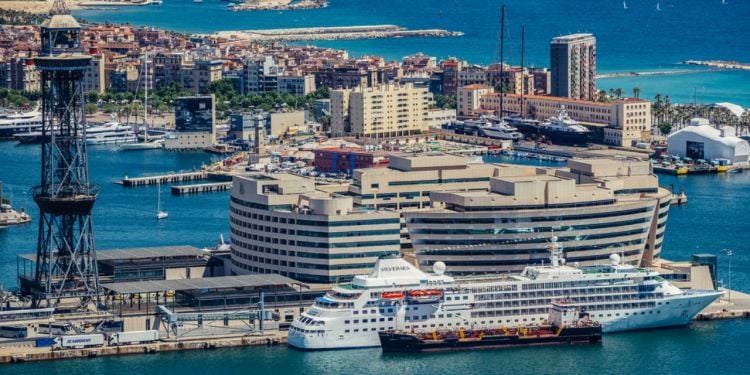
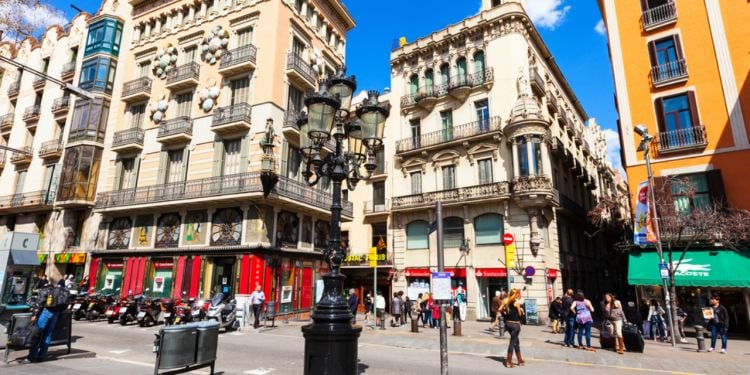
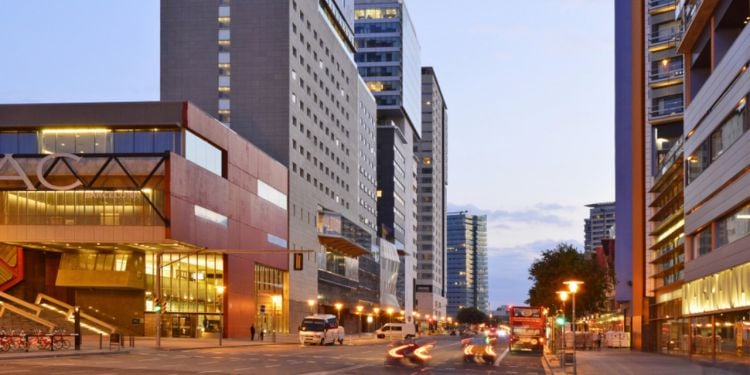
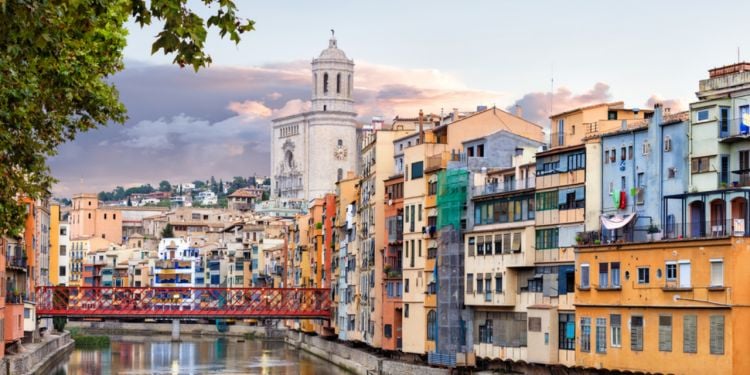
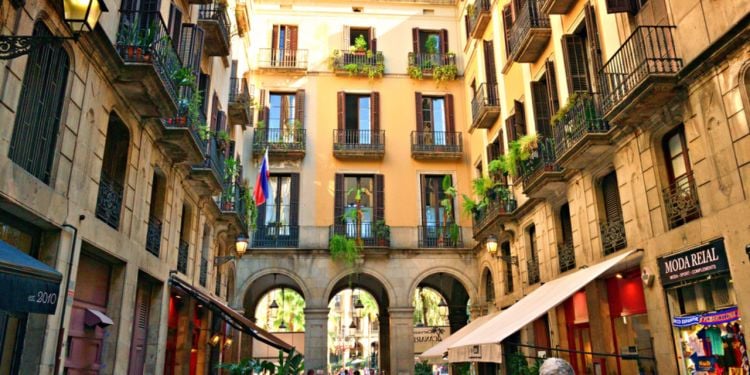
Barcelona’s housing market is varied, with everything from elegant historic flats in the city center to sleek modern apartments by the coast. Rental prices are regulated under Catalonia’s housing laws, and demand remains high, especially in central and seaside districts.
Where expats live
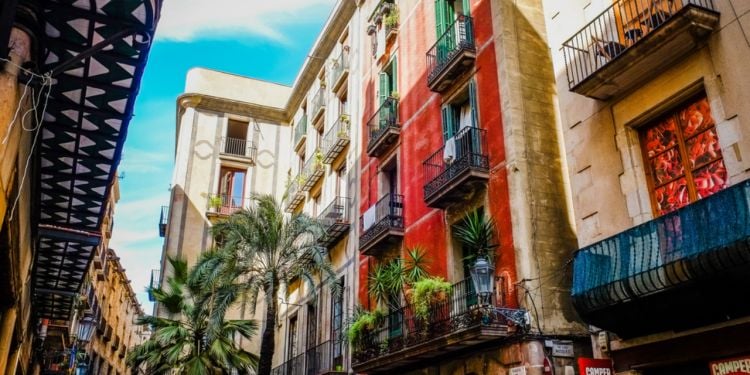
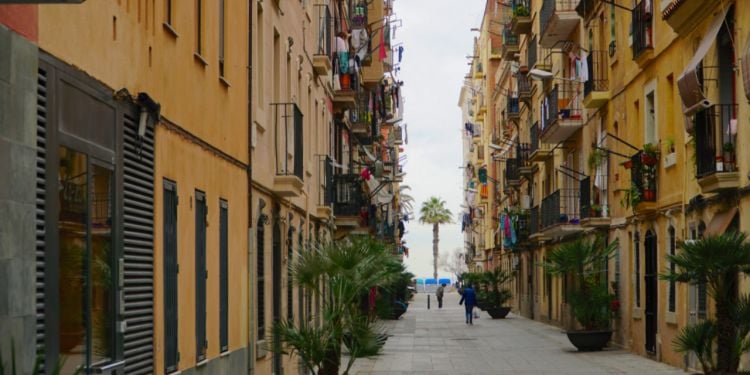
Many expats looking for accommodation in Barcelona settle in neighborhoods like Eixample, Gràcia, Poblenou, and Sarrià-Sant Gervasi. Each has its own character: Eixample offers grand apartments and central convenience, Gràcia is lively and village-like, Poblenou appeals to families and tech professionals, and Sarrià is calm and residential.
Rental prices and rental process
Rental prices vary by area, building age, and amenities. Expect higher rents in the city center and coastal districts, and lower prices as you move inland. Most leases run for a minimum of one year, and tenants usually pay a one- or two-month security deposit. It’s common to go through an agent, who handles viewings and contracts.
1-bedroom apartment (city center) | €950 - €1,800 |
3-bedroom apartment (city center) | €1,500 - €3,000 |
Data correct as of November 2025.
Sources: Numbeo, Ajuntament de Barcelona
Join the discussion on the forum
03Daily life & cost of living
The city is relatively affordable compared with other major Western European cities, with living costs in Barcelona around 25% lower than in London. Public healthcare is excellent, and the T-mobilitat card makes getting around by bus or metro simple and inexpensive.
Monthly expenses for a single person
Rent (1-bedroom apartment city center) | €950 - €1,800 |
Groceries | €300 |
Utilities | €150 - €200 |
Data correct as of November 2025.
Monthly expenses for a family of four
Rent (3-bedroom apartment city center) | €1,500 - €3,000 |
Groceries | €500 - €800 |
Utilities | €150 - €200 |
Data correct as of November 2025.
Source: Numbeo
04Retirement in Barcelona
Retirees are attracted to Barcelona’s mild climate, seaside setting and relaxed Mediterranean lifestyle. Those with sufficient income or savings can apply for Spain’s non-lucrative visa, which allows long-term residence without the need to work. The city’s efficient transport system, walkable neighborhoods, and vibrant cultural life make daily living both easy and enjoyable. The public healthcare system, CatSalut, provides high-quality coverage for residents and EU citizens with an EHIC card.
Healthcare and insurance
Residents can access the public system by registering at their local primary health center and obtaining a health card. Many retirees also choose private insurance, which offers shorter waiting times and English-speaking doctors, typically costing around €80–€150 per month (though these can vary).
Living costs and community
Retired expats often settle in quieter neighborhoods like Gràcia, Poblenou, or Sarrià, where amenities are close by and the pace is relaxed. Tax treatment of foreign pensions depends on your country of origin and the existence of a double‑taxation treaty with Spain. The country’s tax authority states all worldwide income must be declared, though treaties may provide relief.
Sources: Ministry of Inclusion, CatSalut
05Higher education & universities in Barcelona
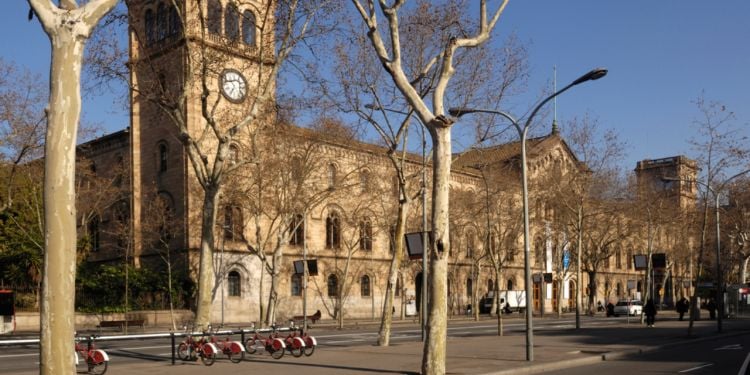
Barcelona is an academic hub with internationally recognized universities and research centers. It attracts students through Erasmus+ and English-taught programs. The city’s top institutions include the University of Barcelona (UB), Pompeu Fabra University (UPF), and Polytechnic University of Catalonia (UPC).
Universities and programs
Most universities in Barcelona offer bachelor’s, master’s, and PhD degrees in English and Spanish. For EU/EEA students tuition at public institutions typically ranges from about €2,800 to €3,600 per year; non‑EU fees and private institutions can exceed €12,000.
Research and innovation
Barcelona hosts major European research centres, including the Barcelona Supercomputing Center (BSC), and several major research organizations in the BioRegion of Catalonia that foster international research partnerships.
Sources: University of Barcelona, Universitats Gencat, Idealista
Discover more

06Schooling for children
Expat families in Barcelona have access to public, semi-private (concertadas), and private schools. In the public and subsidised sectors the primary language of instruction is Catalan (with Spanish also used), and bilingual or English‑medium options are growing. Education in Barcelona is compulsory from ages 6 to 16.
International schools
Popular institutions include the Benjamin Franklin International School, St. Peter’s School, and British School of Barcelona. These schools follow foreign curricula (British, American, IB etc) and charge higher fees. Annual tuition typically starts at around €8,000+ and for older years may exceed €20,000–€25,000, depending on the institution and programme.
Enrollment process
For state‑funded schools, families generally must pre‑register during the designated period and provide proof of residence (often via the municipal register). Private and international schools have their own admissions timelines and waiting lists, so it is a good idea to start the application process as soon as you can.
Sources: Ajuntament de Barcelona, Departament d’Educació, The Learn Academy
Discover more

07Everyday life in Barcelona
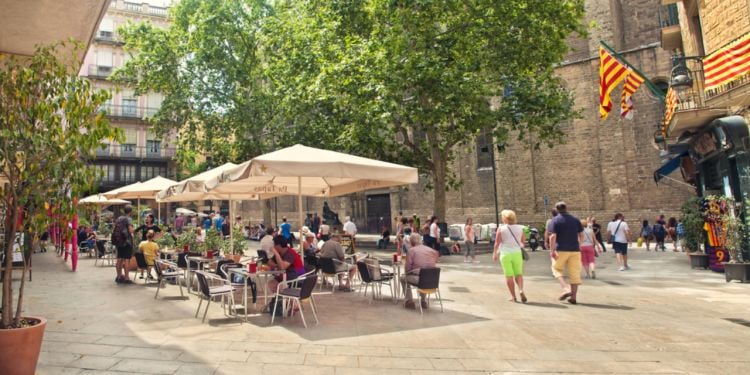
Life in Barcelona has a steady, unhurried rhythm that mixes work, leisure, and community. The city feels lively without being rushed—mornings begin with commuters on bikes, in cars or the metro, and evenings belong to the streets and plazas, where people gather to unwind. It’s a place where daily routines happen in public, and social life naturally blends into the rhythm of the city.
Living like a local
Locals make the most of the outdoors, whether it’s shopping at neighborhood markets, meeting for vermouth on Sundays, or heading to the beach after work. You’ll quickly learn that daily life revolves around food, family, and fresh air. Joining a local gym or language exchange is a great way to meet people and settle in.
Everyday essentials
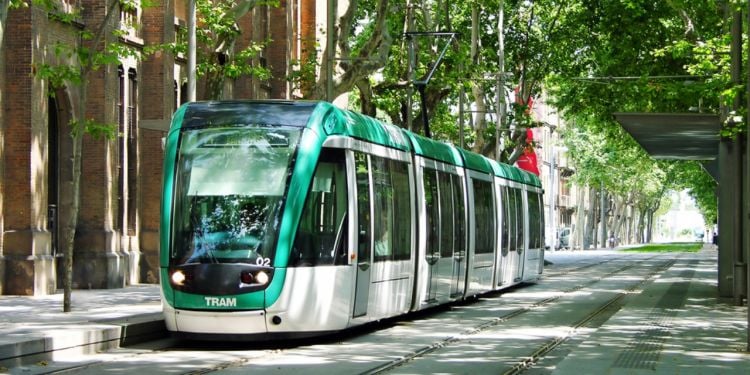
Getting around is easy thanks to reliable public transport, and neighborhoods are designed for convenience, with fresh produce markets, bakeries, and local bars at the heart of community life. You may find that some shops close mid-afternoon for a siesta, but will reopen again during the lat afternoon/early evening.
Discover more



08Leisure, culture & things to do
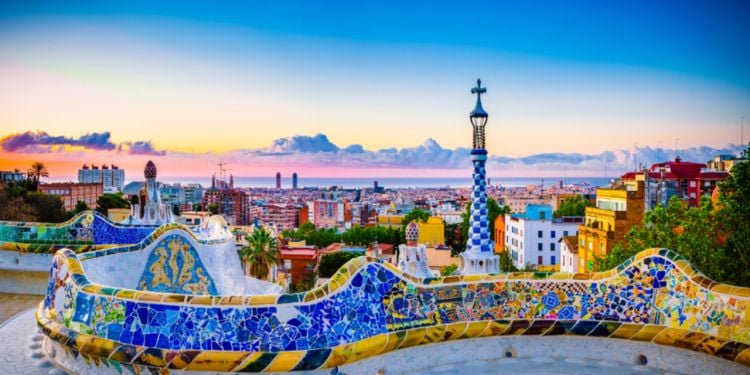
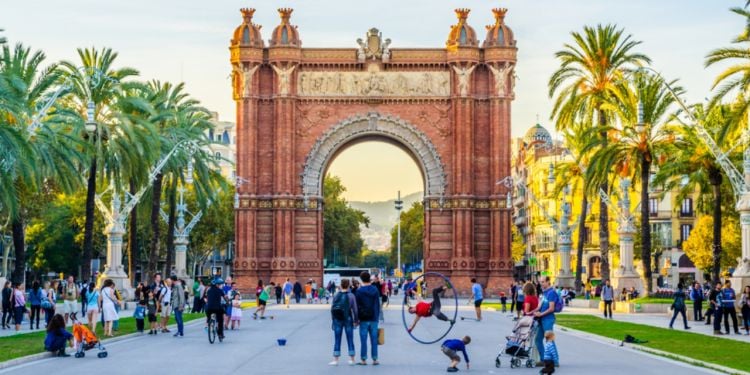
Barcelona is famous for its creativity and color, from Gaudí’s iconic Sagrada Família to lively street life, attractive beaches, and year-round festivals. Expats love how the city blends deep cultural heritage with an easygoing outdoor lifestyle. Whether it’s live music, neighborhood markets, or sunset walks along the seafront, Barcelona offers a balance that’s hard to beat.
Cultural highlights
Top attractions include Park Güell, the Picasso Museum, and the Palau de la Música Catalana. Throughout the year, the city buzzes with events such as La Mercè Festival, Primavera Sound, and Sant Jordi’s Day, when locals fill the streets with books and roses.
Outdoor life and leisure
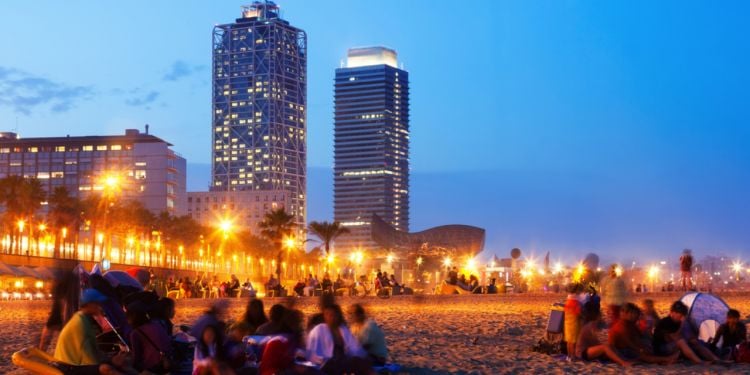
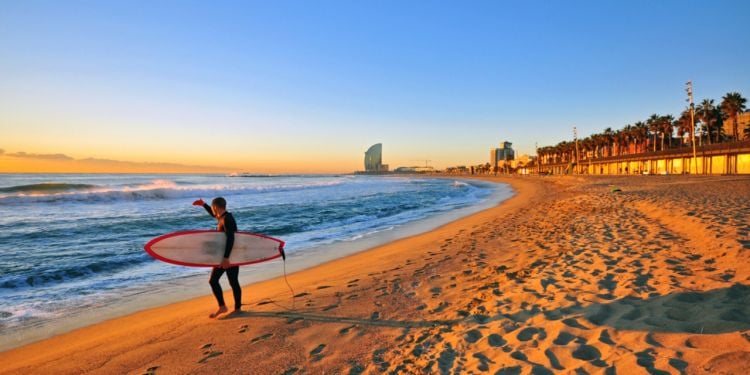
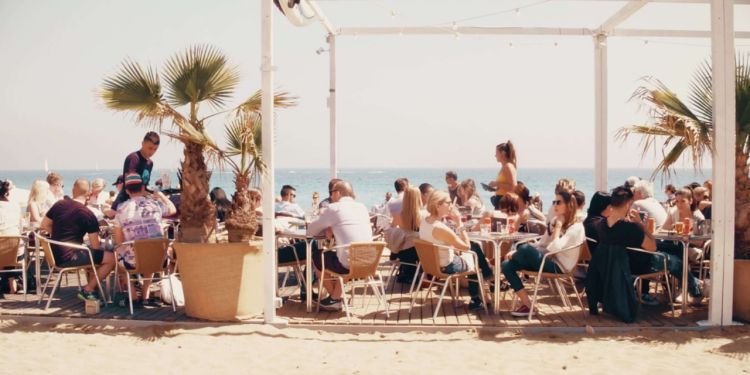
With miles of beachfront, tree-lined parks on Montjuïc, and hiking trails just outside the city, Barcelona makes it easy to stay active. Add sports clubs, outdoor cafés, and lively nightlife in the Gothic Quarter and Barceloneta, and you’ve got Barcelona’s social life in full swing.
Sources: Barcelona Turisme, Ajuntament de Barcelona
Discover more

09In short
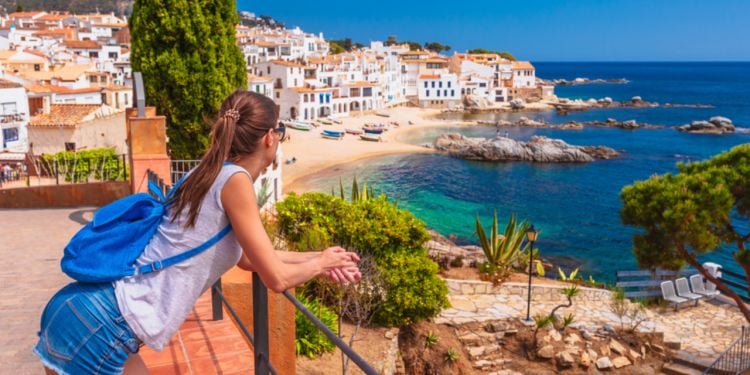
Barcelona pairs Mediterranean charm with urban sophistication. Its thriving economy, vibrant culture, and welcoming community make it one of Europe’s top choices for expats. Whether you come for work, study, or retirement, Barcelona offers reliable public services, quality education, and a lifestyle that makes settling in easy. Join the Expat.com Barcelona forum to connect with locals and fellow expats, share experiences, and get practical advice about life in the city.
Join the Barcelona community
Get regular tips and advice to make the most of your expat life
Essential services for your expat journey






Forum topics on living in Barcelona
Discover forums topics on expat life in Barcelona: join the conversation, ask your questions, get advice and share your experience.
- Spainonlinebooking
- Renting through Idealista
- Retired Gay American Expats in Spain?
- Buying a house in Spain
- Low water pressure in country house
- Most common scams in Spain
- Oviedo to live
- For international students
- Mid-Sized Spanish Cities with Strong Artists' Communities
- How to get NLV if you don't have an apartment yet
- NIE support number
- Not on property registry - safe to buy or not?
- I have a NIE but no card - just the number...
- Gay Married Couple Moving to Malaga, Valencia or Barcelona
- NLV application rejected
- Thinking of moving to Alicante/Valencia region