

Living in Oslo: the ultimate expat guide
Everything you need to know for a successful life in Oslo.
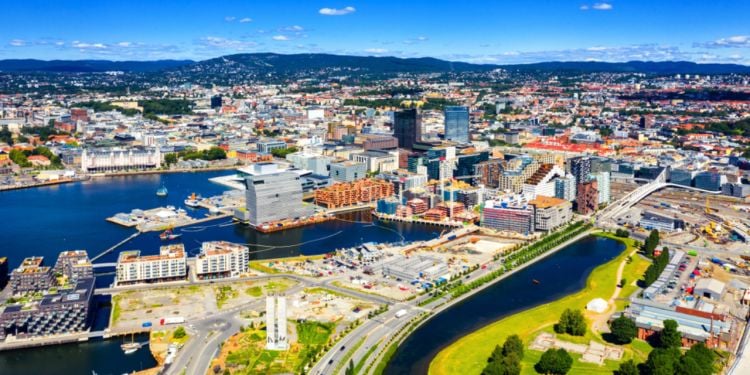
Oslo, Norway's capital and largest city, sits at the northern end of the Oslofjord surrounded by forests and hills. Home to approximately 700,000 residents in the city proper and over 1.1 million in the metropolitan area, Oslo combines Scandinavian design sensibility with stunning natural beauty accessible within city limits. Oslo consistently ranks among the world's most liveable cities, offering excellent public services, clean air, and a strong emphasis on work-life balance. While Norway's high cost of living is well-documented, residents benefit from comprehensive social services, high wages, and exceptional quality of life. Oslo's compact size makes it easy to navigate, with efficient public transport connecting urban amenities to hiking trails, ski slopes, and waterfront activities.
Five good reasons to move to Oslo
- Clean air, low crime rates, excellent healthcare, and abundant green spaces, with forests and fjords accessible within minutes from the city center.
- Norway's stable economy, driven by energy, technology, and maritime sectors, provides excellent career opportunities.
- Norwegian workplace culture emphasizes reasonable hours, generous parental leave (up to 49 weeks), five weeks of annual vacation, and flexible working arrangements as standard practice.
- Oslo is home to highly-regarded institutions like the University of Oslo and a public school system known for its high standards and focus on student well-being and equality.
- Norway consistently ranks as one of the world's safest countries. The city benefits from very low crime rates, high public trust in authorities, and a strong sense of social security supported by comprehensive welfare systems.
Source: World Population Review
Working in Oslo
Oslo is the financial and cultural core of Norway, providing residents with one of Europe's highest standards of living. Major employers include DNB (finance) and Telenor (telecommunications). Non-EU/EEA citizens require work permits tied to job offers, while EU/EEA citizens enjoy freedom of movement but must register with authorities.
Key sectors
Key growth sectors include renewable energy technology, software development, maritime services, and healthcare. The startup ecosystem has flourished, with Oslo becoming a European tech hub attracting international talent. Other top employment sectors include maritime industries, finance and business services.
Work permits
EU/EEA citizens can work in Norway without permits but must register with police within three months if staying longer. Non-EU/EEA citizens need employer-sponsored work permits, requiring job offers with salary and working conditions meeting Norwegian standards. Applications are processed by the Norwegian Directorate of Immigration (UDI), typically taking 2-4 months. Skilled workers are given priority, particularly in healthcare, technology, and engineering.
Unemployment rate (Norway) | 4.5% |
Average monthly salary (net) | NOK 39,224 |
Key sectors | Maritime, technology, energy, finance |
Data correct as of December 2025.
Sources: Trading Economics, Numbeo
🔍To learn more
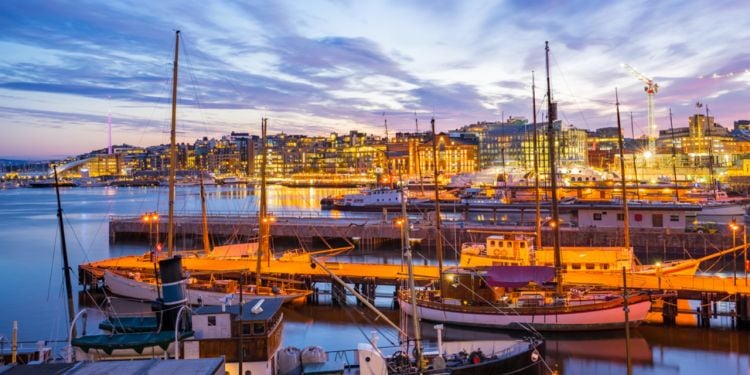
Finding a job in Oslo
Norway has strict immigration and work permit rules that make it difficult to find a job. In many ...
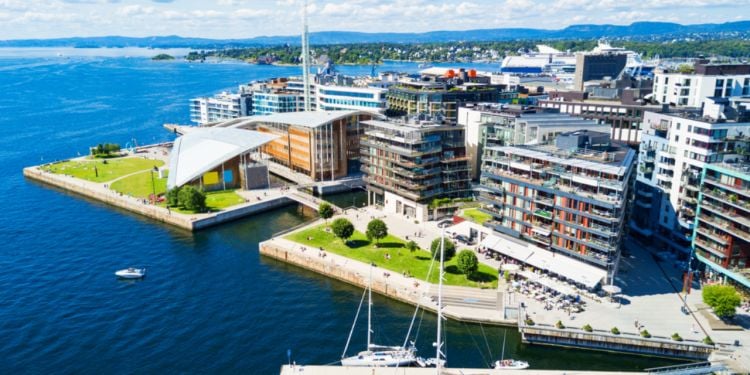
The labor market in Oslo
Oslo's high salaries and exceptional quality of life attract many expatriates to Norway's ...

The work culture in Oslo
Companies in Norway offer attractive work environments that provide a good work-life balance; it is ...
Higher education & universities
Oslo hosts several internationally recognized universities offering programs in both Norwegian and English. Norwegian higher education historically charged no tuition fees for all students regardless of nationality, though recent changes have introduced fees for non-EU/EEA students at some institutions.
Major universities and programs
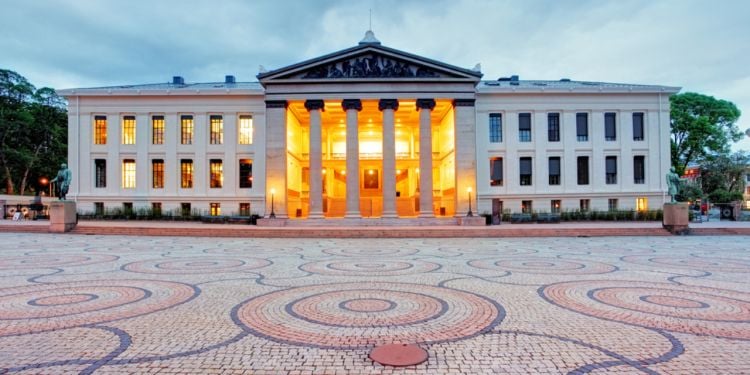
University of Oslo (UiO), founded in 1811, ranks among Europe's leading research universities and is known for its programs in medicine, law, and social sciences. Oslo Metropolitan University (OsloMet), Norway's third-largest university, specializes in professional programs including nursing, engineering, teacher education, and journalism. Norwegian University of Life Sciences (NMBU) in nearby Ås focuses on environmental sciences, veterinary medicine, and agriculture. BI Norwegian Business School, a private institution, offers internationally accredited business programs with tuition fees for all students. Norwegian School of Economics (NHH) in Bergen, while outside Oslo, attracts many Oslo-area students for its prestigious business education.
Admission and student life
Admission requirements typically include recognized bachelor's degrees for master's programs. English proficiency must be demonstrated through IELTS (minimum 6.5), TOEFL (minimum 90), or equivalent tests unless applicants completed prior education in English. Some programs require GRE or GMAT scores for business and graduate programs. Deadlines for applications to universities in Oslo generally fall around December 1st for autumn semester admission.
Sources: University of Oslo, Oslo Metropolitan University, BI Norwegian Business School

Schooling for children
Norway's education system provides free, high-quality public schooling for all children aged 6-16, encompassing primary (grades 1-7) and lower secondary (grades 8-10) education. Upper secondary school (ages 16-19) offers academic or vocational tracks preparing students for university or skilled trades. Public schools teach primarily in Norwegian. Many international schools operate in Oslo, following curricula from various countries and the International Baccalaureate program.
International schools
Oslo offers several options for international schooling, primarily focusing on English-language instruction and internationally recognized curricula. Oslo International School (OIS), established in 1963, serves students aged 3-18 with instruction mainly in English, following the International Baccalaureate (IB) curriculum. Other options include Norlights International School (NLIS), which also provides an IB education with the benefit of partial government funding, and the Deutsch-Norwegische Schule Oslo offering trilingual education in German, English, and Norwegian.
Enrollment process
Due to high demand, parents are advised to apply well ahead of time, ideally 12–18 months before. The standard process requires submitting prior school records, completing entrance assessments, and participating in interviews.
Sources: Oslo International School, Norlights International School
Housing & neighbourhoods
Oslo's housing market ranks among Europe's most expensive, though quality standards are generally high. Rental properties are the most popular as home ownership is expensive with very high property prices.
Popular neighbourhoods for expats
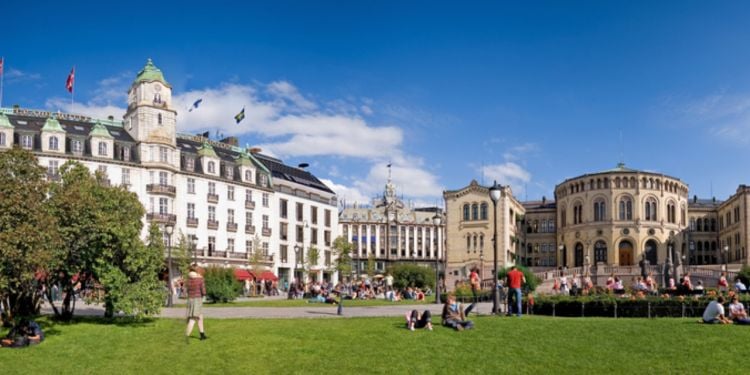
Frogner and Majorstuen are Oslo's most prestigious districts, featuring elegant streets, excellent shopping, proximity to parks, and easy access to downtown. These areas attract diplomats and professionals. St. Hanshaugen offers central location with parks and family-friendly atmosphere, while Tøyen provides more affordable options in a diverse, evolving neighborhood. Nordstrand and Holmenkollen appeal to families seeking quiet residential areas with good schools and access to nature.
Rental procedures and housing types
Landlords typically require proof of employment, references, and deposits of 1-3 months' rent. Rental contracts should clearly specify all terms including rent, deposit, utilities, maintenance responsibilities, and notice periods. Building maintenance fees (felleskostnader) may be included in rent or charged separately. Always clarify what utilities and services are included in advertised rental prices, as practices vary considerably.
1-bedroom apartment in the city center | NOK 15,000 - 20,000/month |
3-bedroom apartment in the city center | NOK 22,000 - 35,000/month |
Data correct as of December 2025.
Source: Numbeo
🔍To learn more
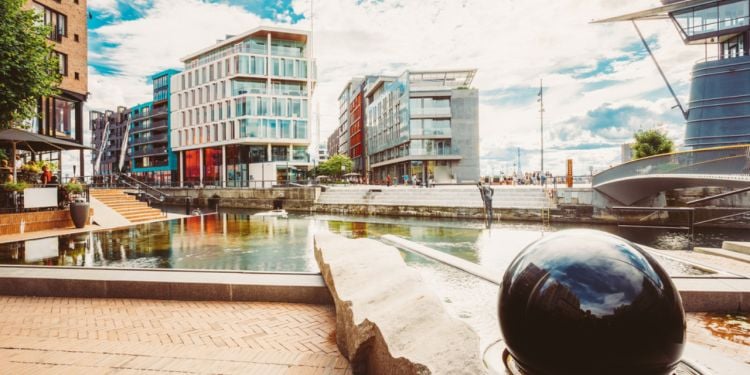
Buying property in Oslo
Oslo, the dynamic Norwegian capital, is increasingly attracting expatriates looking to settle in ...
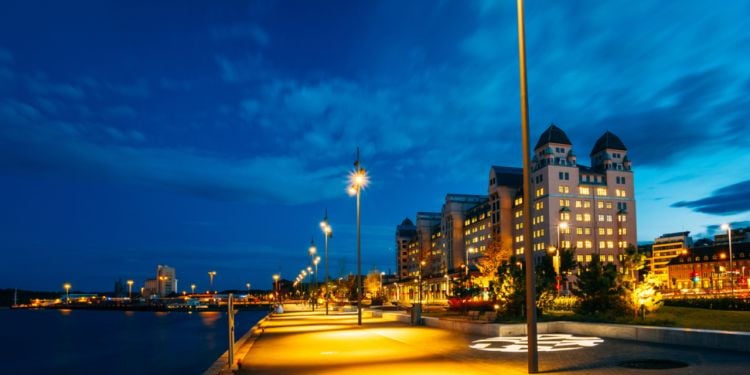
Popular neighborhoods in Oslo
Oslo may be smaller than international cities like London or Amsterdam, but it offers a blend of ...
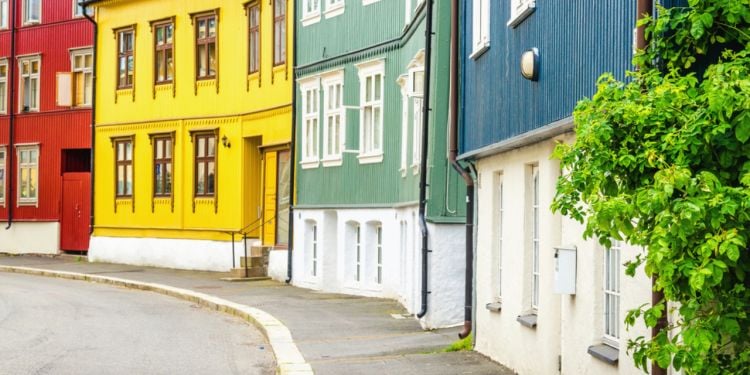
Accommodation in Oslo
Oslo, Norway's vibrant capital, seamlessly blends natural beauty with urban living, making ...
Leisure, culture & things to do
Oslo offers exceptional cultural amenities combined with unparalleled outdoor access. The city invested heavily in cultural infrastructure, opening world-class museums and performance venues in recent years. The Oslo Opera House, with its walkable roof offering fjord views, symbolizes the city's commitment to accessible culture. Outdoor recreation opportunities are extraordinary—cross-country skiing, hiking, and swimming are possible within city limits year-round.
Cultural highlights
Oslo is rich in cultural institutions, including the vast National Museum, one of Europe's largest art museums, which displays Edvard Munch's The Scream. The stunning Munch Museum holds the world's largest collection of his works. At Bygdøy, the Norwegian Museum of Cultural History features over 150 historic buildings, including the Gol Stave Church. Visitors can also explore the Nobel Peace Center, or learn about polar exploration at the Fram Museum and Kon-Tiki Museum. The Astrup Fearnley Museum showcases contemporary art in striking Renzo Piano-designed buildings. Many museums offer free or reduced admission during certain days.
Parks and outdoor activities
Nordmarka, the vast forest north of Oslo, offers hundreds of kilometers of marked trails for year-round recreation, including hiking, cross-country skiing, and cycling. The Oslofjord is ideal for summer swimming, sailing, and kayaking, with several popular beaches accessible by ferry. Within the city, Vigeland Sculpture Park displays over 200 sculptures by Gustav Vigeland. Winter brings outdoor ice skating and accessible cross-country skiing with routes directly accessible from many neighborhoods.
Sources: National Museum, Nobel Peace Center
🔍To learn more
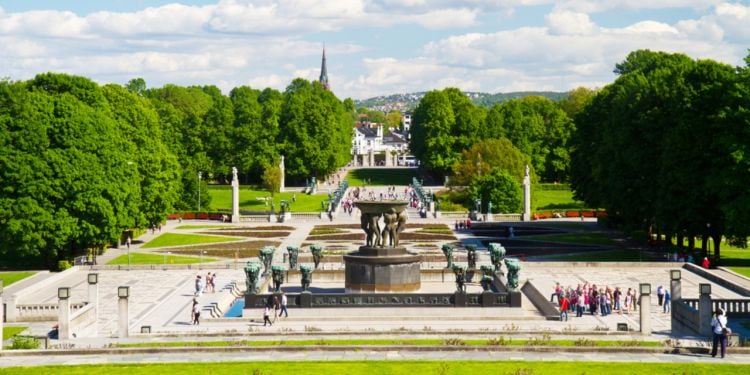
Things to do in Oslo alone, with your family or your partner
Whether you're exploring with family, friends, or your partner, you will find a wide array of ...

Eating out in Oslo
Oslo is quickly rising as a gastronomic hotspot, offering a vibrant culinary landscape of ...
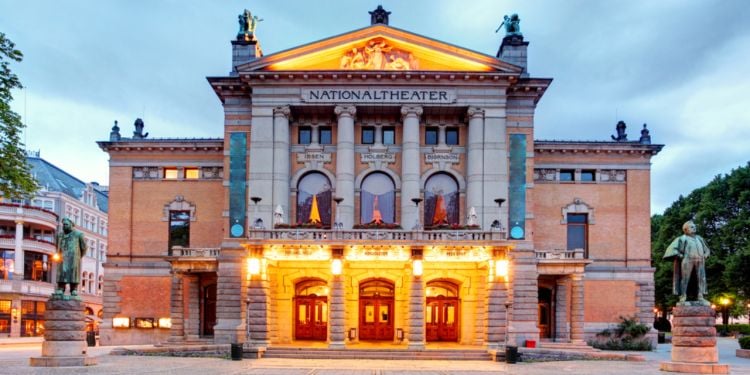
Things to do on weekdays in Oslo
Oslo, with its unique blend of nature, culture and urban charm, offers a variety of indoor and ...
Daily life
Oslo experiences dramatic seasonal variation, with summer sun setting after 10 PM and winter daylight limited to six hours. This affects lifestyle significantly, with Norwegians maximizing summer outdoor activities and embracing koselig (cozy) indoor culture during dark winters.
Getting around
Ruter operates Oslo's integrated public transport system covering metro (T-bane), trams, buses, and ferries throughout the city and surrounding municipalities. The metro features five lines radiating from the center. Services are frequent, reliable and clean.
Cycling is increasingly popular. The Oslo City Bike system offers seasonal subscriptions and short-term rentals, though winter cycling requires dedication. Many Norwegians bike even in snow and ice using studded tires. Electric vehicles dominate Norway's car market due to generous incentives.
Cultural particularities and lifestyle
Norwegian social norms differ markedly from other European countries. Punctuality is sacred—arriving even five minutes late is considered rude. Meetings and appointments start precisely on schedule. The Janteloven (Law of Jante) cultural concept discourages boasting or standing out, promoting modesty and equality. This manifests in relatively flat social hierarchies and informal dress codes, even in professional settings.
Norwegians take their five weeks of annual vacation seriously, with July seeing much of Oslo essentially close as residents scatter to cabins and holiday destinations. Work-life balance is genuine, not merely stated—leaving office at 4 PM is normal, and working late regularly suggests poor time management.
Source: Oslo City Bike
🔍To learn more
Discovering Oslo
Upon arriving in Oslo, the capital of Norway, newcomers are greeted with the stunning beauty of its ...
Adjusting to the culture in Oslo
From cultural attractions to a buzzing food scene and local sights and sounds, Oslo has a lot to ...

Developing your social circle in Oslo
Norwegians are often seen as reserved and less inclined to form quick friendships with newcomers. ...
Cost of living
The cost of living in Oslo consistently ranks among the world's highest, though high salaries somewhat offset costs for employed residents.
Monthly expenses for a single person
Rent of a 1-bedroom apartment in the city center | NOK 15,000 - 20,000 |
Utilities | NOK 1,500 - 6,000 |
Groceries | NOK 3,000 - 4,000 |
Data correct as of December 2025.
Monthly expenses for a family of four
Rent of a 3-bedroom apartment in the city center | NOK 22,000 - 35,000 |
Utilities | NOK 2,500 - 4,000 |
Groceries | NOK 8,000 - 12,000 |
Data correct as of December 2025.
Sources: Numbeo, Foyer Global Health
In short
Oslo offers expats an exceptional combination of natural beauty, cultural richness, and social equality rarely found elsewhere in the world. While the high cost of living presents initial challenges, the generous salaries, excellent public services, and outstanding quality of life create a balanced lifestyle where work supports living rather than dominating it. From hiking to museums, from midnight sun to cutting-edge architecture and Viking heritage, Oslo provides a unique urban experience deeply connected to nature and Norwegian values of equality and community. Ready to begin your Norwegian adventure? Join the conversation and connect with fellow expats on the Expat.com Oslo forum to learn from those already living the Oslo life.
We do our best to provide accurate and up to date information. However, if you have noticed any inaccuracies in this content, please contact us.


News & testimonies
Tuition fees for international students in Norway: How will this affect universities?
In March, the Norwegian parliament approved a policy to introduce tuition fees for international students from outside the European Union and European Economic Area. This will apply from Fall 2023. However, critics from within the higher education sector are protesting that it will damage the reputation of Norwegian universities and Norway's image as an egalitarian society.
The joys of being a French expat in Norway
Anne-Sophie comes from Ardennes, but she spent a few years in Paris before moving to Norway. Three years went by since she's living the dream with her companion in the beautiful town of Tønsberg. Looking back at her journey with mixed feelings – with sheer enthusiasm and nostalgia – here is what she has to say about Norway.

Ahmed: "Bergen is a very elegant and pretty city"
Ahmed originally comes from Egypt. He moved to Bergen more than three years ago following a job offer in an engineering firm. Ahmed particularly likes hiking, boat trips, fishing and trying out new restaurants.

My New Norwegian Home
My name is Evelyn. I'm from Kentucky, USA and I now live in Skien, Norway.