Living in Stuttgart: the ultimate expat guide
Everything you need to know for a successful life in Stuttgart.
Stuttgart, the capital of Baden-Württemberg, sits in a fertile valley surrounded by vineyards and hills in southwestern Germany. With a population of approximately 630,000 residents, it ranks as Germany's sixth-largest city and serves as the economic powerhouse of the south. The city consistently ranks among Europe's top metropolitan areas for quality of life, innovation, and prosperity. Known as the "cradle of the automobile", Stuttgart is where Karl Benz invented the car in 1886, and today it remains home to global automotive giants Mercedes-Benz and Porsche.
5 Good Reasons to Move to Stuttgart
- Strong job market – One of Germany's lowest unemployment rates at around 3%, with excellent opportunities in automotive, engineering, and IT sectors.
- High salaries – Stuttgart offers the second-highest median salaries in Germany at approximately €54,400 per year, behind only Munich.
- Green surroundings – Nestled among hills, forests, and vineyards, with easy access to the Black Forest and Swabian Alps for outdoor activities.
- Cultural richness – World-class museums, the Stuttgart State Opera, vibrant festivals like Cannstatter Volksfest, and a thriving wine culture.
- Central European location – Excellent connections to Switzerland, Austria, and France, making weekend trips easy and affordable.
Working in Stuttgart: Career Opportunities in Germany's Innovation Hub
Stuttgart's economy is driven by its world-renowned automotive industry, making it one of Germany's most prosperous regions. The city serves as the global headquarters for Mercedes-Benz Group, Porsche, and Robert Bosch GmbH, alongside hundreds of specialized suppliers and technology companies. Beyond automobiles, Stuttgart has emerged as a leading hub for IT, aerospace, mechanical engineering, and research institutions.
Key Industries and Employers
The automotive sector remains the dominant employer, with companies like Daimler Truck, Mahle, and ZF Friedrichshafen maintaining significant operations in the region. The city also hosts major IT employers including IBM, Hewlett-Packard, and Vector Informatik. Research institutions such as the German Aerospace Center (DLR) and Fraunhofer Institutes offer opportunities in cutting-edge fields. No other region in Germany registers as many patents as Stuttgart, with over 11% of all German R&D investments concentrated here.
Work Permits and Visas
Non-EU citizens typically require an EU Blue Card or a skilled worker visa to work in Stuttgart. The EU Blue Card requires a recognized university degree and a job offer with a minimum annual gross salary of €48,300 (2025), or €43,759.80 for shortage occupations like IT and engineering. Blue Card holders can apply for permanent residency after 27 months, or 21 months with B1 German proficiency. Germany's new Opportunity Card (Chancenkarte), launched in 2024, allows skilled workers to enter Germany for up to 12 months to search for employment without a prior job offer.
The following table provides key employment indicators for Stuttgart:
Unemployment Rate (Stuttgart Region) | ~3% (2023) |
Median Annual Salary | €54,400 |
Key Sectors | Automotive, IT, Engineering, Aerospace |
Sources: EURES, Make it in Germany
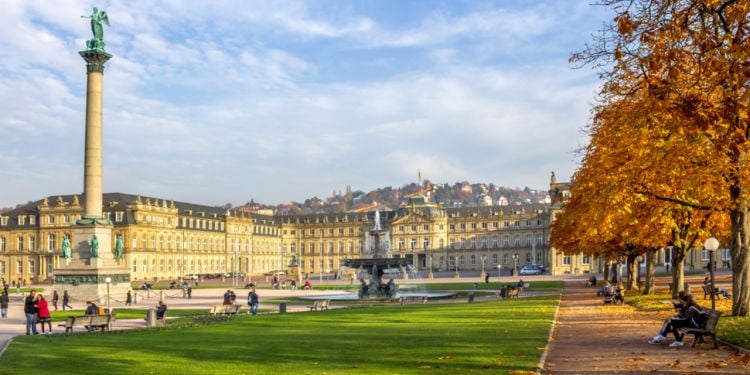
Working in Stuttgart
Stuttgart is one of the best cities to study or work in Germany due to the diversified labor job market. Stuttgart is the capital city of ...
Higher Education in Stuttgart: Universities and International Programs
Stuttgart offers excellent higher education opportunities, with several internationally recognized institutions known for engineering, technology, and natural sciences. The city's universities maintain strong ties with local industries, providing students with research opportunities and pathways to employment with major companies like Mercedes-Benz and Bosch.
University of Stuttgart
The University of Stuttgart is a leading public research university founded in 1829, now ranking #314 in the QS World University Rankings 2025. It is a member of the prestigious TU9 alliance of German technical universities and enrolls approximately 20,900 students. The university is particularly renowned for programs in mechanical engineering, aerospace engineering, computer science, and architecture. Several master's programs are offered entirely in English, making it accessible to international students.
Tuition Fees and Admission
Since 2017, Baden-Württemberg charges tuition fees for non-EU/EEA students. At the University of Stuttgart, international students pay €1,500 per semester plus a semester contribution of approximately €184. EU/EEA students and those with German secondary education are exempt from tuition fees. The semester contribution covers administrative costs and includes a public transport ticket. The acceptance rate is approximately 53%, making it moderately selective.
Other Institutions
The Stuttgart University of Applied Sciences (HFT Stuttgart) offers practice-oriented programs in architecture, civil engineering, and business, with similar fee structures for international students. The Stuttgart State Academy of Art and Design provides programs in fine arts and design. Additionally, the Dual University Baden-Württemberg (DHBW) offers unique programs combining academic study with integrated work placements at partner companies.
Sources: University of Stuttgart, HFT Stuttgart
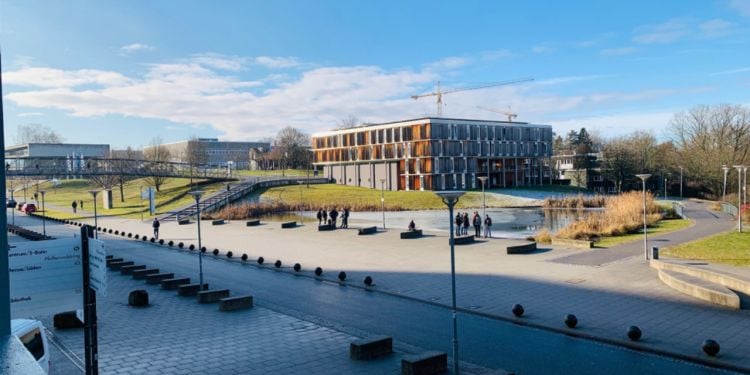

Schools in Stuttgart: Education Options for Expat Families
Stuttgart provides diverse educational options for expat families, ranging from the excellent German public school system to international schools offering curricula from around the world. Understanding the local system and available alternatives will help you make the best choice for your children's education.
German Public Schools
The German public education system is free and of high quality. Children typically attend Grundschule (primary school) from ages 6 to 10, after which they are placed in one of three secondary tracks: Gymnasium (academic, leading to the Abitur), Realschule (intermediate), or Hauptschule (vocational). While instruction is in German, many schools offer bilingual programs or intensive German language support for newcomers. Public kindergartens charge fees on a sliding scale based on family income.
International Schools
For families seeking English-language education, the International School of Stuttgart (ISS) is the leading option. Founded in 1985, ISS offers all three International Baccalaureate (IB) programs from early years through grade 12, operating on two campuses in Degerloch and Sindelfingen. The school enrolls approximately 900 students from around 50 nationalities. Annual tuition ranges from approximately $17,800 for kindergarten to $23,000 for grades 11-12, plus a one-time capital fee of around $9,600.
Bilingual and Alternative Options
The SIS Swiss International School Stuttgart-Fellbach offers bilingual German-English education from preschool through the Abitur and IB Diploma, with first-year fees starting around €9,400. The Ecole Franco-Allemande provides bilingual French-German instruction. Several private German schools also offer enhanced English programs and smaller class sizes for families preferring local integration with additional language support.
Sources: U.S. Department of State, International Schools Database
Housing in Stuttgart: Neighborhoods and Rental Guide
Finding accommodation in Stuttgart requires patience and early planning, as the city's strong economy creates high demand for housing. Rental prices are above the German average but remain more affordable than Munich. Understanding popular neighborhoods and the rental process will help you secure suitable housing.
Popular Neighborhoods for Expats
Stuttgart-Mitte is the central district, offering easy access to shops, restaurants, cultural venues, and excellent public transport. It suits professionals who want urban convenience. Stuttgart-West combines a relaxed residential atmosphere with tree-lined streets, parks, and proximity to the city center, making it popular with young professionals and families. Bad Cannstatt, the largest district, features historic cobblestone streets, the famous mineral springs spa, and the Mercedes-Benz Arena, attracting families and sports enthusiasts. Degerloch, situated on a hill with panoramic views, offers a quieter suburban feel with excellent schools and the International School of Stuttgart nearby. Stuttgart-Ost is an up-and-coming area known for affordable housing and a diverse, close-knit community.
Rental Prices and Process
The following table shows average monthly rents in Stuttgart:
1-Bedroom Apartment (City Center) | €1,100 – €1,500 |
1-Bedroom Apartment (Outside Center) | €700 – €1,200 |
3-Bedroom Apartment (City Center) | €1,765 – €2,900 |
3-Bedroom Apartment (Outside Center) | €1,300 – €1,800 |
Rentals in Germany typically require a security deposit (Kaution) of up to three months' rent, proof of income, a credit report (SCHUFA), and sometimes a reference from a previous landlord. Most listings distinguish between Kaltmiete (cold rent, excluding utilities) and Warmmiete (warm rent, including heating and some utilities). Popular platforms include ImmobilienScout24, WG-Gesucht, and Immowelt.
Sources: Numbeo
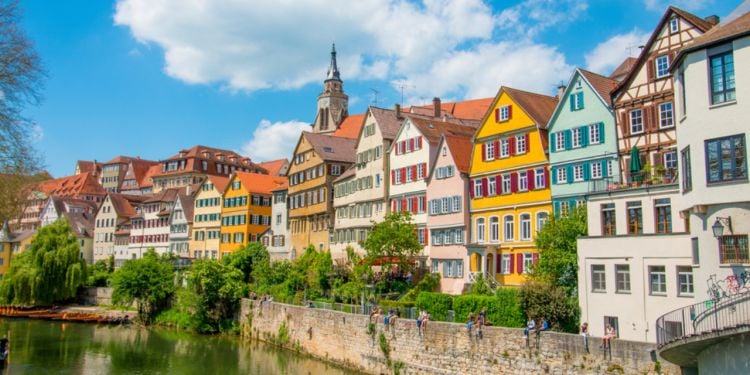
Accommodation in Stuttgart
Stuttgart, the capital city of the Baden-Württemberg region, is one of Germany's most diverse cities, with 40% of residents coming from a ...
Leisure and Culture: Things to Do in Stuttgart
Stuttgart offers a rich cultural scene that extends far beyond its famous automotive heritage. From world-class museums and performing arts to outdoor activities and lively festivals, the city provides diverse entertainment options for residents of all ages and interests.
Museums and Cultural Attractions
The Mercedes-Benz Museum showcases over 130 years of automotive history across nine floors, featuring more than 160 vehicles in a striking spiral-shaped building. Equally impressive, the Porsche Museum in Zuffenhausen displays over 80 legendary vehicles in an ultra-modern architectural setting. Art enthusiasts will appreciate the Staatsgalerie, one of Europe's leading art museums with collections spanning classical to contemporary works. The Landesmuseum Württemberg in the Old Castle presents regional history from the Stone Age to present day. The Wilhelma Zoo and Botanical Garden, housing over 1,200 animal species and 8,500 plant varieties, is one of Europe's most biodiverse facilities.
Parks and Outdoor Activities
The Schlossgarten stretches through the heart of the city, connecting the New Palace to the Neckar River and providing a green corridor for jogging, cycling, and relaxing. Killesberg Park features gardens, a miniature railway, and the 40-meter Killesbergturm observation tower with panoramic views. The surrounding vineyards offer scenic hiking trails with views over the city, and the Stuttgart TV Tower (Fernsehturm), the world's first reinforced concrete TV tower, provides observation decks at 150 meters. Day trips to the Black Forest and Swabian Alps are easily accessible within an hour.
Festivals and Entertainment
The Cannstatter Volksfest, held annually in late September, is one of the world's largest beer festivals, attracting over four million visitors with beer tents, rides, and traditional celebrations. The Stuttgart Wine Festival (Weindorf) in late August transforms the city center into an open-air wine village. The Stuttgart State Opera and Stuttgart Ballet are internationally acclaimed, while the Theaterhaus Stuttgart hosts diverse performances including occasional English-language shows. For sports fans, VfB Stuttgart plays Bundesliga football at the Mercedes-Benz Arena.
Sources: Mercedes-Benz Museum, Stuttgart Tourist
Daily Life in Stuttgart: Transportation and Lifestyle
Daily life in Stuttgart combines German efficiency with Swabian warmth. The city offers excellent public transportation, a strong café culture, and easy access to nature. Understanding local customs and practical aspects of daily living will help you settle in smoothly.
Public Transportation
Stuttgart's public transport is operated by VVS (Verkehrs- und Tarifverbund Stuttgart) and includes S-Bahn (suburban trains), U-Bahn (light rail/trams), buses, and even a historic rack railway and funicular. The network covers Stuttgart and surrounding districts including Böblingen, Esslingen, and Ludwigsburg. A single ticket within Stuttgart costs €3.20, while a monthly pass costs approximately €58. The DeutschlandTicket at €58 per month allows unlimited travel on all local and regional transport nationwide. Tickets can be purchased at machines, through the VVS app (with a 5% discount), or from bus drivers. The S-Bahn runs throughout the night on Fridays and Saturdays.
Lifestyle and Culture
Swabians are known for their industriousness, thriftiness, and directness. Stuttgart residents enjoy a high quality of life with clean streets, excellent infrastructure, and abundant green spaces. The city has a thriving wine culture, with vineyards visible from the city center and numerous Weinstuben (wine taverns) serving local varieties. Weekend activities often include hiking in the surrounding hills, cycling along the Neckar River, or visiting the thermal baths in Bad Cannstatt. Shopping centers on Königstraße, one of Germany's longest pedestrian shopping streets, and the historic Markthalle food hall provide retail therapy. Recycling is taken seriously, with separate bins for paper, glass, plastic, and organic waste.
Language
While many Stuttgart residents speak English, especially in international companies, learning German significantly improves daily life and social integration. The local Swabian dialect can be challenging, but standard German (Hochdeutsch) is widely understood. Language courses are offered by the Volkshochschule (VHS) and private schools throughout the city.
Sources: VVS Stuttgart, Stuttgart Tourist
Cost of Living in Stuttgart: Monthly Budget Breakdown
Stuttgart ranks among Germany's more expensive cities due to its strong economy and high demand for housing. However, salaries are correspondingly higher, and Numbeo ranks Stuttgart #1 in Germany and #4 globally for local purchasing power. The following tables provide realistic monthly budgets for different household types.
Monthly Budget for a Single Person
This estimate assumes renting a one-bedroom apartment outside the city center:
Category | Monthly Cost (EUR) |
Rent (1-bedroom, outside center) | €900 |
Utilities (electricity, heating, water) | €200 |
Groceries | €250 |
Public Transport (monthly pass) | €58 |
Mobile Phone & Internet | €60 |
Health Insurance (public) | €200 |
Leisure & Dining Out | €200 |
Total | €1,868 |
Monthly Budget for a Family of Four
This estimate assumes renting a three-bedroom apartment outside the city center with two school-age children in public school:
Category | Monthly Cost (EUR) |
Rent (3-bedroom, outside center) | €1,550 |
Utilities (electricity, heating, water) | €290 |
Groceries | €600 |
Public Transport (family passes) | €150 |
Mobile Phone & Internet | €80 |
Health Insurance (family) | €400 |
Childcare/School Fees (public) | €300 |
Leisure & Dining Out | €350 |
Total | €3,720 |
Note: International school fees (€15,000–€23,000/year) would significantly increase the family budget.
Sources: Numbeo, VVS Stuttgart
In Short
Stuttgart stands out as an exceptional destination for expats seeking career opportunities, quality of life, and cultural richness in southern Germany. With its strong job market in automotive, engineering, and IT sectors, high salaries, and relatively affordable cost of living compared to Munich, the city offers an attractive package for professionals and families alike. The blend of Swabian traditions, international influences, excellent public transport, and easy access to nature creates a balanced lifestyle. Whether you're drawn by the innovation hub atmosphere, the world-class museums, or the surrounding vineyards and hills, Stuttgart welcomes newcomers with opportunities and warmth.
Ready to connect with others who have made the move? Join the Stuttgart expat forum on Expat.com to ask questions, share experiences, and build your network in your new home city.
We do our best to provide accurate and up to date information. However, if you have noticed any inaccuracies in this content, please contact us.


Essential services for your expat journey