

 Guide updated by Asaël Häzaq on 11 December 2025
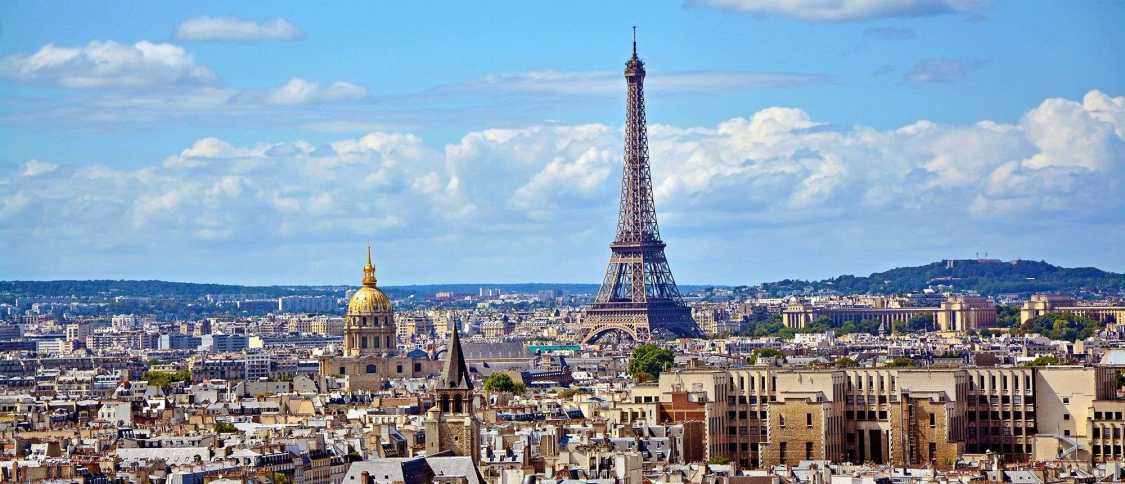
Paris is the capital of France and its cultural heart, home to over 2.1 million residents within the city proper and more than 11 million in the greater metropolitan area. Renowned globally for art, fashion, gastronomy, and architecture, Paris offers expatriates an exceptional quality of life steeped in history and elegance.
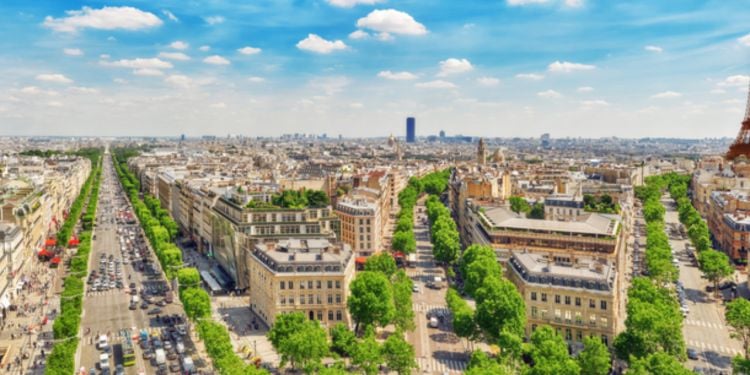
The city's 20 arrondissements spiral outward from the center, each with distinct character and charm. From the Eiffel Tower and Louvre Museum to charming cafés and tree-lined boulevards, Paris captivates residents and visitors alike. The comprehensive Metro system makes navigation effortless, while excellent healthcare, world-class education, and strong workers' rights create security for families.
5 good reasons to move to Paris
- Cultural richness: Over 130 museums, countless galleries, opera houses, theaters, and historic monuments provide endless cultural exploration and intellectual stimulation.
- Exceptional quality of life: World-renowned cuisine, beautiful parks, architectural splendor, and a slower pace emphasizing work-life balance create daily pleasures.
- Central European location: High-speed trains and affordable flights connect Paris to London, Brussels, Amsterdam, and major European cities within hours.
- Social safety nets: Universal healthcare, generous parental leave, paid vacation time, and robust worker protections provide security and stability.
- Educational excellence: Prestigious universities, grandes écoles, and international schools offer outstanding educational opportunities for students of all ages.
Source: World Population Review
Your setup journey
Guide in 8 steps. Click any step below to jump directly to the section you need.
01Working in Paris
Paris drives France's economy as its financial and business hub, hosting headquarters for numerous multinational corporations and European offices of global companies. The metropolitan area contributes approximately 30% of France's GDP.
Key sectors
Finance and business services employ thousands across banking, insurance, consulting, and professional services. Major employers include BNP Paribas, Societe Generale, AXA, and numerous international banks. Luxury and fashion industries thrive with LVMH, Kering, L'Oreal, and countless fashion houses headquartered here. Technology and startups have expanded significantly, with Station F hosting Europe's largest startup campus. Tourism and hospitality remain vital given Paris's status as the world's most visited city. Creative industries including advertising, media, and design offer opportunities for skilled professionals.
Work permits and visas
Non-EU nationals generally require an employer-sponsored work visa. France offers specific pathways for skilled individuals, including the Talent Passport (for highly skilled workers, researchers, and entrepreneurs) and Intra-Company Transfer permits (for multinational employee transfers). Young people from partner countries may also be eligible for a Working Holiday Visa. French labor law features strong employee protections, generous vacation time, and comprehensive benefits.
Unemployment rate (France) | 7.7% |
Average monthly salary (net) | €3,376 |
Top sectors | Finance, fashion, technology |
Data correct as of December 2025.
Sources: Trading Economics, Numbeo
Discover more




02Housing & neighbourhoods
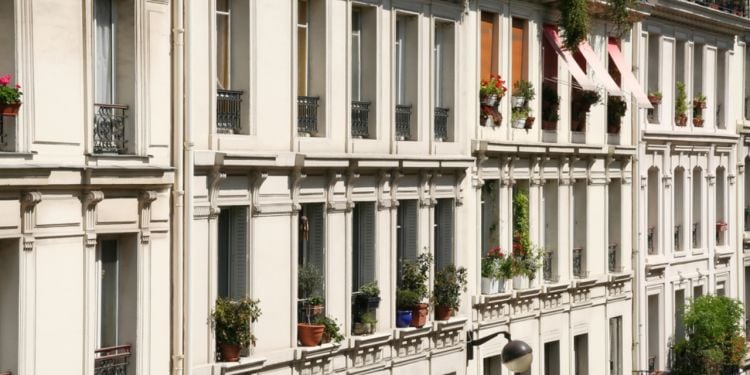
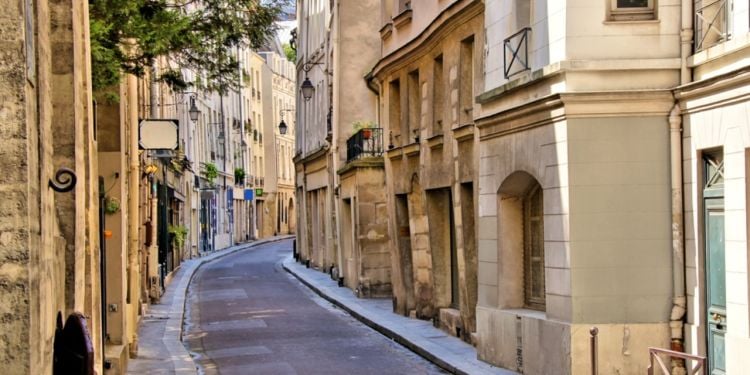
The rental market in Paris moves quickly, with desirable apartments securing tenants within days. Paris is divided into 20 arrondissements numbered in an outward spiral from the center. Each district has a distinct character, amenities, and atmosphere.
Popular expat neighbourhoods
The 7th arrondissement with its elegant Haussmannian architecture attracts diplomatic families who want to be near government buildings and museums. For families seeking a more residential feel with schools and parks, the 15th and 16th arrondissements are popular choices. The Marais (3rd and 4th) provides historic charm, cultural diversity, and a central location that is popular with young professionals. Meanwhile, Saint-Germain-des-Prés (6th) is known for its literary cafés, galleries, and intellectual atmosphere.
Rental process and rental prices
Applying for a rental property usually includes submitting a lot of documents: recent pay slips, tax returns, employment contracts, identification, and previous landlord references. Income must typically exceed three times the monthly rent. Non-French residents often require French guarantors.
Rent of a 1-bedroom apartment in the city center | €1,000 - €2,000/month |
Rent of a 3-bedroom apartment in the city center | €2,375 - €4,000/month |
Data correct as of December 2025.
Source: Numbeo
Discover more
Join the discussion on the forum
03Cost of living
Paris ranks among Europe's most expensive cities, though costs vary significantly by lifestyle choices and neighborhood.
Monthly expenses for a single person
Rent of a 1-bedroom apartment in the city center | €1,000 - €2,000 |
Groceries | €250 - €400 |
Utilities | €127 - €377 |
Data correct as of December 2025.
Monthly expenses for a family of four
Rent of a 3-bedroom apartment in the city center | €2,375 - €4,000 |
Groceries | €650 - €1,000 |
Utilities | €250 - €500 |
Data correct as of December 2025.
Sources: Numbeo, RelocateMe
04Higher education & universities
Paris hosts some of Europe's most prestigious universities and grandes écoles, attracting international students globally. Many programs now offer English-taught options, particularly at graduate levels. International students benefit from France's affordable public university system and vibrant academic environment.
Major universities and institutions
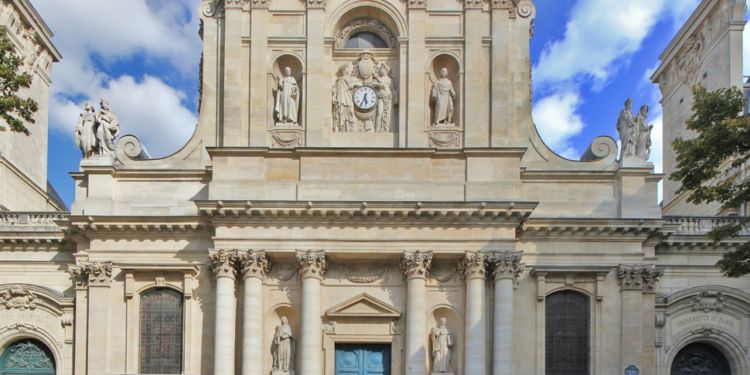
Sorbonne University, ranks among Europe's top universities. It offers comprehensive programs in humanities, sciences, and medicine, with a growing number of English-taught graduate programs. Sciences Po specializes in political science, international relations, economics, law, and sociology. The institution maintains multiple campuses across France, with its Paris headquarters welcoming students from over 150 countries. Universite Paris-Saclay is known for its science, technology, and engineering programs, while PSL (Paris Sciences et Lettres) comprises several elite institutions including Ecole Normale Superieure.
Application requirements
Undergraduate applications for universities in Paris require completion of secondary education equivalent to the French Baccalaureat. Graduate programs demand relevant bachelor's degrees, and students often have to sit entrance examinations. Non-French speakers must demonstrate French proficiency via DELF/DALF exams unless enrolling in English-taught programs, which require TOEFL or IELTS. Application deadlines vary by institution but typically fall between December and April for autumn admission.
Sources: Sorbonne University, Sciences Po
Discover more

05Schooling for children
France operates an excellent public education system known for its academic rigor. Public schools (écoles publiques) are free and follow the French national curriculum taught entirely in French. The system progresses from maternelle (preschool) through primaire (primary), college (middle school), to lycee (high school). Expat families may choose French public schools for immersion or international/bilingual schools for continuity. School is compulsory from age 3 to 16.
French public schools
The curriculum prioritizes mathematics, sciences, literature, and philosophy (in upper years). Parents should research individual schools as quality varies. Registration occurs at your local mairie (town hall).
International and bilingual schools
These schools in Paris cater to various educational systems. For instance, the International School of Paris (ISP) provides the International Baccalaureate (IB) programs for ages 3 to 18 and represents over 60 nationalities. For those seeking national curricula, the American School of Paris (ASP) in Saint-Cloud follows the American system, while the British School of Paris (BSP) in Croissy-sur-Seine offers a British education. Lycee International de Saint-Germain-en-Laye combines French education with international sections. Bilingual schools like Active Bilingual School and Marymount International School cater to younger students. The application process typically requires submitting previous school records and completing assessments. Candidates also usually attend an interview.
Source: French Ministry of Education
06Daily life
The French workweek typically spans 35 hours with generous vacation entitlements. Some shops close on Sundays and lunch breaks remain sacred. While learning French is a great idea, many Parisians speak English in tourist areas.
Public transportation
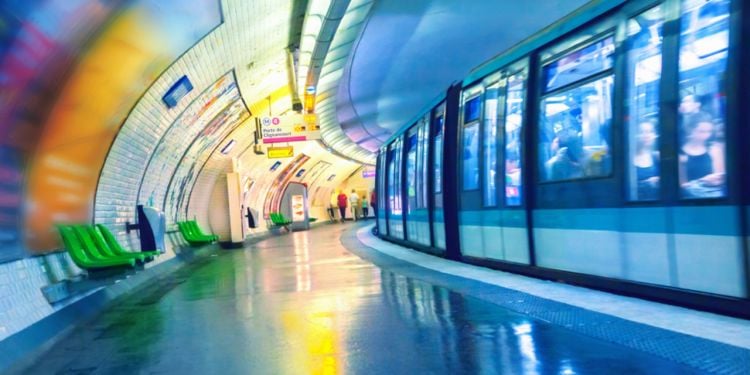
Paris operates one of Europe's most comprehensive transit systems. The Metro connects the city through 16 lines and over 300 stations, running 5:30 AM to 1:00 AM (later weekends). The RER regional trains link Paris with suburbs and airports. Buses provide extensive coverage including night services. Velib' Metropole bicycle-sharing offers thousands of bikes across the region. Monthly Navigo passes provide unlimited travel across zones.
Cultural habits and lifestyle
Parisians value politeness and formality in interactions. Always greet with "Bonjour" before requests and use "Monsieur/Madame" appropriately. Meal times are long and deliberate—expect leisurely lunches and dinners often starting at 8 PM or later. Cafés function as key social hubs for everything from morning coffee to evening apéritifs. Markets operate throughout the city, providing fresh produce, artisanal cheese, and specialty items. Be aware that French administrative processes (démarches) require patience and detailed documentation.


07Leisure, culture & things to do
Paris offers unparalleled cultural richness with over 130 museums, countless galleries, historic monuments, and performing arts venues. Some museums offer free admission on first Sundays monthly, while under-26 EU residents can often enter free.
Museums and cultural sites
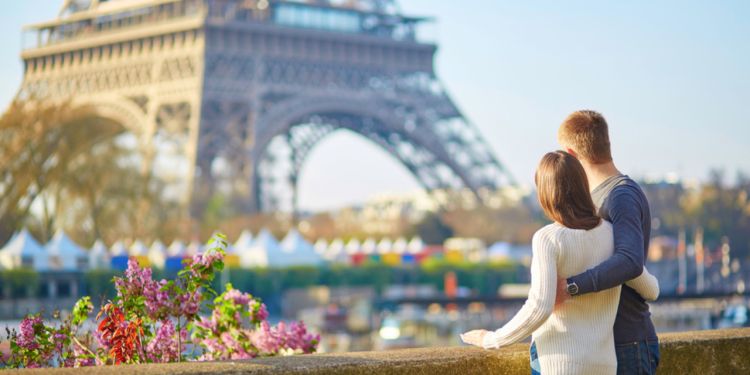
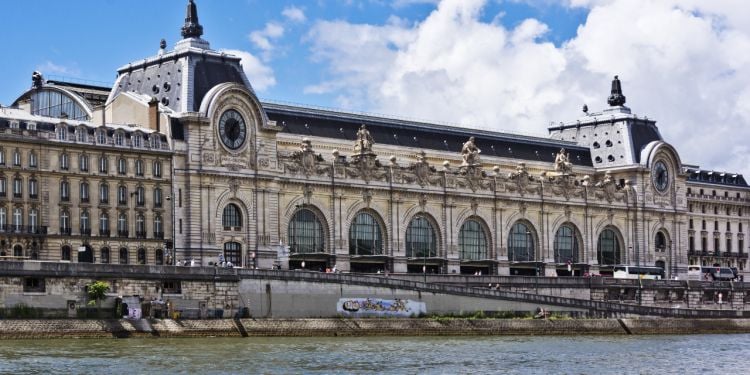
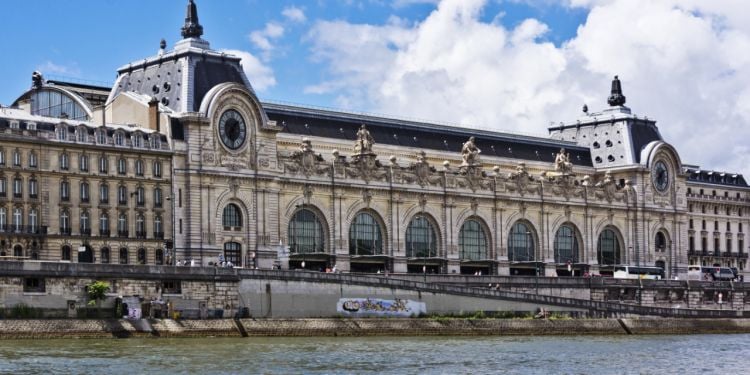
The Louvre houses over 35,000 works including the Mona Lisa and Venus de Milo. Musee d'Orsay showcases Impressionist masterpieces in a stunning Beaux-Arts railway station. Centre Pompidou features modern and contemporary art alongside innovative architecture. Musee Rodin displays sculptures in elegant gardens. Smaller museums like Musee Carnavalet (Paris history) and Musee Picasso offer more intimate experiences. For your evening's entertainment, consider Opera Garnier and Opera Bastille for world-class opera and ballet. Theaters throughout the city stage classic and contemporary productions. Concert venues range from prestigious Philharmonie de Paris to intimate jazz clubs in Saint-Germain.
Parks and outdoor activities
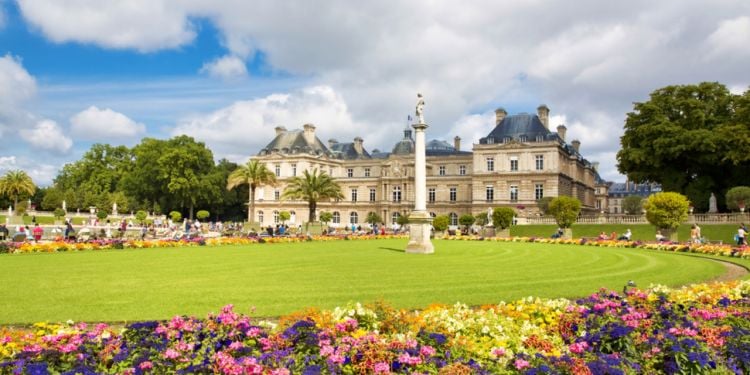
Paris boasts beautiful parks like the Luxembourg Gardens (picnics, fountains) and Tuileries Garden. Bois de Boulogne and Bois de Vincennes are popular spots for cycling, jogging, and rowing. In the summer, you can stretch out on the banks of the Seine, which host the Paris Plages summer beaches. If you are looking for something to do in Paris on the weekends, consider a trip to the Montmartre neighborhood, which is known for its village-like feel, or browse some of the city's markets.
Sources: Paris Tourism Office, City of Paris
Discover more




08In short
Paris is a wonderful city for so many reasons, from its museums and stunning architecture to its world-class cuisine and artistic heritage. Yes, costs run high and bureaucracy challenges patience, but the rewards of Parisian life—leisurely café mornings, Sunday market strolls, world-class culture at your doorstep—easily compensate. Whether drawn by career opportunities, educational excellence, or simply the dream of living in the City of Light, Paris welcomes those ready to embrace its rhythms and traditions. For more information, check out our informative articles and join fellow expats on the Expat.com Paris forum to connect with others navigating this remarkable city.
Join the Paris community
Get regular tips and advice to make the most of your expat life
Essential services for your expat journey








Forum topics on living in Paris
Discover forums topics on expat life in Paris: join the conversation, ask your questions, get advice and share your experience.