

 Guide updated by Asaël Häzaq on 03 December 2025
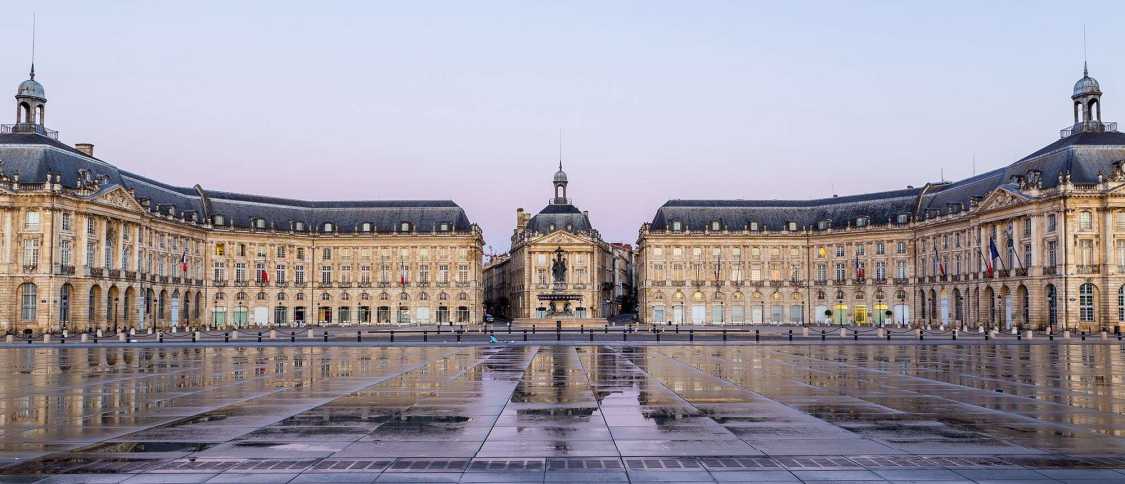
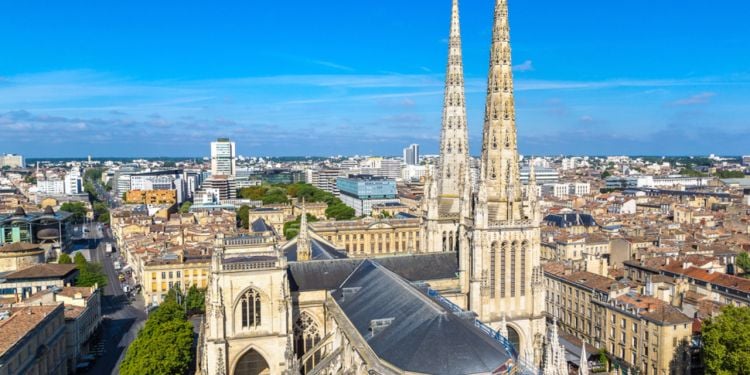
Bordeaux stands as one of France's most attractive cities for international residents. Located in the southwest of the country along the Garonne River, this UNESCO World Heritage city combines exceptional architecture, world-renowned wines, and a thriving economy. With a population of approximately 260,000 in the city proper and over 800,000 in the metropolitan area, Bordeaux offers the amenities of a major urban center while maintaining a relaxed quality of life. The city has transformed dramatically since the early 2000s, earning recognition as one of Europe's most desirable places to live and work.
5 Good Reasons to Move to Bordeaux
- World-class quality of life – Bordeaux consistently ranks among France's top cities for livability, with extensive pedestrian zones, green spaces, and a mild Atlantic climate.
- Strategic location – Just 2 hours from Paris by high-speed TGV train, 1 hour from Atlantic beaches, and close to Spain's border.
- Thriving job market – Major employers in aerospace, tech, digital industries, and wine create diverse career opportunities.
- Rich cultural scene – From the iconic Cité du Vin to the CAPC contemporary art museum, culture thrives alongside famous vineyards.
- Family-friendly environment – Excellent schools, safe neighborhoods, and abundant outdoor activities make it ideal for families.
Your setup journey
Guide in 8 steps. Click any step below to jump directly to the section you need.
01Working in Bordeaux: Opportunities in a Dynamic Economy
Bordeaux's economy has diversified significantly, offering employment opportunities across multiple sectors. The city serves as a major regional hub for trade, administration, services, and industry. International professionals will find a welcoming job market, particularly in high-demand fields like technology, aerospace, and healthcare.
Key Industries and Employment Sectors
The aeronautics, aerospace, and defense sector employs approximately 15,000 workers in Bordeaux, with major companies including Dassault Aviation, Thales, Safran, and ArianeGroup. The Dassault Falcon private jets and Rafale military aircraft are manufactured here. The wine industry remains central to the regional economy, with the Bordeaux wine-growing area spanning 116,160 hectares and producing approximately 960 million bottles annually. The tech and digital sector has grown rapidly, with companies like Ubisoft, Cdiscount, and numerous startups supported by the La French Tech Bordeaux initiative.
Work Permits and Employment
Non-EU citizens seeking employment in France typically require a Talent Residence Permit (formerly Passeport Talent). For qualified employees, the minimum gross annual salary requirement is approximately €42,406 (1.5 times the French minimum wage). The permit allows stays of up to 4 years and exempts holders from the labor market test. EU citizens have the right to work without a permit.
The following table summarizes key employment indicators for the Bordeaux region:
Unemployment rate (Nouvelle-Aquitaine) | 6.5–7.0% |
Average monthly net salary | €2,328 |
Main employment sectors | Aerospace, Wine, Tech, Tourism |
Sources: INSEE, Numbeo 2025
Discover more
02Housing in Bordeaux: Neighborhoods and Rental Prices
Bordeaux's housing market offers diverse options from historic city-center apartments to family homes in leafy suburbs. While rental prices have increased with the city's growing popularity, they remain significantly more affordable than Paris. Understanding the different neighborhoods helps newcomers find the right fit for their lifestyle and budget.
Popular Neighborhoods for Expats
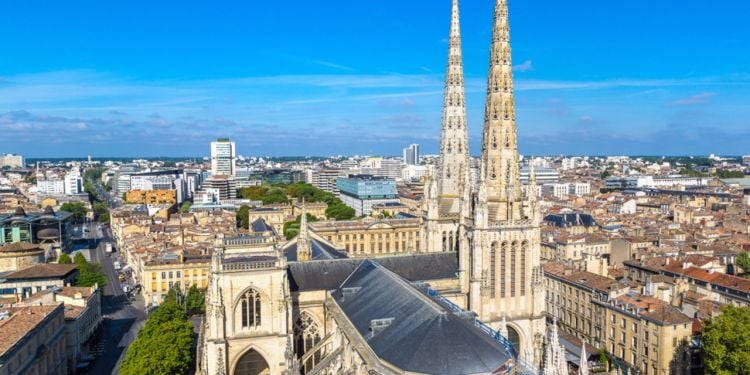
Chartrons is one of Bordeaux's most sought-after neighborhoods, offering a village-like atmosphere within the city. This former wine-trading district features antique shops, boutiques, and charming cafés along the riverside. La Bastide, on the right bank of the Garonne, has emerged as a trendy area following urban regeneration, attracting young professionals with modern housing and easy city-center access. Caudéran appeals to families with its quiet residential streets, the sprawling Parc Bordelais, sports facilities, and proximity to quality schools. Saint-Pierre sits at the historic heart but can be noisy due to its popularity with tourists and nightlife seekers.
Rental Prices and Procedures
Renting in Bordeaux typically requires a strong application file including proof of income (usually 3 times the monthly rent), a French guarantor or guarantee service, and identification documents. The Bordeaux-style échoppe – single-floor limestone houses – offers unique local housing heritage.
1-bedroom apartment (city center) | €756/month |
1-bedroom apartment (outside center) | €601/month |
3-bedroom apartment (city center) | €1,357/month |
3-bedroom apartment (outside center) | €1,007/month |
Sources: Numbeo 2025
Discover more
03Cost of Living in Bordeaux: Monthly Budget Breakdown
Bordeaux offers a lower cost of living than Paris while maintaining high quality of life standards. Based on current data, a single person needs approximately €1,400–1,700 monthly (including rent), while a family of four should budget around €3,500–4,500. Proper financial planning ensures a comfortable transition.
Monthly Budget: Single Person
Category | City Center | Outside Center |
Rent (1-bedroom) | €756 | €601 |
Utilities | €222 | €222 |
Groceries | €300 | €300 |
Transport (monthly pass) | €43 | €43 |
Internet + Mobile | €44 | €44 |
Total | €1,365 | €1,210 |
Monthly Budget: Family of Four
Category | City Center | Outside Center |
Rent (3-bedroom) | €1,357 | €1,007 |
Utilities | €280 | €280 |
Groceries | €700 | €700 |
Transport | €86 | €86 |
International School (1 child) | €1,000 | €1,000 |
Internet + Mobiles | €60 | €60 |
Total | €3,483 | €3,133 |
Sources: Numbeo 2025
04Higher Education in Bordeaux: Universities and Programs
Bordeaux hosts one of France's largest and most prestigious university systems, attracting over 130,000 students across its metropolitan area. International students benefit from quality education at affordable rates compared to many English-speaking countries, with numerous programs available in English.
University of Bordeaux
The University of Bordeaux ranks among France's top public universities and within the top 300 globally. It enrolls approximately 56,000 students, including 6,000 international students from around the world. The university offers programs in Health Sciences, Science and Technology, Law, Political Science, and Economics and Management. Tuition fees for French-taught programs at public universities remain highly affordable at approximately €170 for bachelor's degrees and €243 for master's programs annually. English-taught programs may have higher fees, typically around €2,850–€3,879 per year for international students.
Other Institutions
Beyond the main university, Bordeaux hosts 17 advanced engineering schools and specialized institutions. KEDGE Business School offers internationally recognized MBA and business programs. Sciences Po Bordeaux provides political science education, while Bordeaux Sciences Agro focuses on agricultural studies. The city also hosts France's first university chair for organic agriculture. International students should apply through the Etudes en France platform for most programs. French language proficiency (typically B2 level) is required for French-taught programs, while English programs accept IELTS scores of 5.5–6.5 or equivalent.
Sources: University of Bordeaux, Campus France
05Schools for Children: International and Bilingual Options
Families relocating to Bordeaux will find several quality schooling options for their children. France offers excellent public education, but international and bilingual schools provide continuity for children transitioning from other educational systems.
International Schools
The Bordeaux International School (BIS) is the region's only Council of International Schools (CIS) accredited institution offering bilingual French-English education. Located in the city center at 252 rue Judaïque, BIS serves students aged 3 to 18 and follows the British curriculum leading to IGCSEs and A Levels. Class sizes are limited to a maximum of 16 students, ensuring individual attention. The school welcomes over 40 nationalities and accepts new students throughout the academic year. The Lycée International de Bordeaux – Alain Dubreuil in Saint-Médard-en-Jalles offers both the French Baccalaureate and the International Baccalaureate Diploma Programme (IBDP).
Bilingual and French Schools
For families seeking French integration with English support, Lycée François Magendie offers an American OIB section alongside multiple language options. Assomption Sainte Clotilde provides bilingual education from ages 3 to 18 using the Cambridge English method. Public French schools are free and generally of high quality. Enrollment for public schools typically happens through the local mairie (town hall) based on your residence address. The French school year runs from September to early July.
International Primary School (annual) | €12,000 |
Private Preschool (monthly) | €708 |
Public School | Free |
Sources: Bordeaux International School, Numbeo 2025
06Daily Life in Bordeaux: Transport and Lifestyle
Daily life in Bordeaux revolves around the city's exceptional livability. With France's largest pedestrian zone, extensive cycling infrastructure, and a mild Atlantic climate, the city encourages an outdoor lifestyle. The pace is noticeably more relaxed than Paris while still offering urban conveniences.
Getting Around
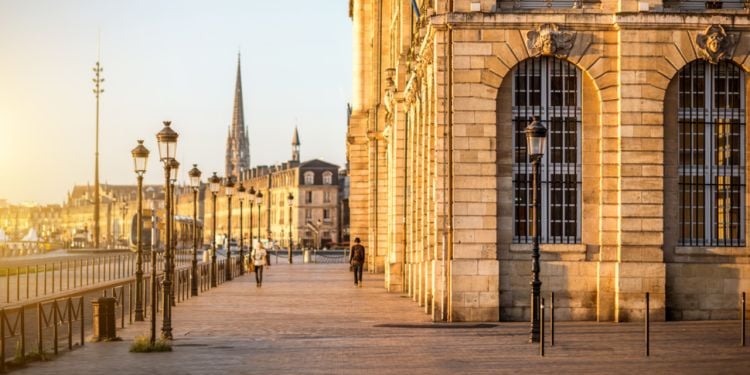
The TBM (Transports Bordeaux Métropole) network operates 4 tram lines and approximately 60 bus routes covering the metropolitan area. Single tickets cost €1.80 and are valid for one hour of travel. A monthly pass costs around €42.75, making public transport affordable for daily commuters. Since 2023, Tram Line A connects the airport directly to the city center in about 30 minutes. The V3 bike-sharing system provides over 2,000 bicycles at more than 180 stations throughout the city. Bordeaux's flat terrain makes cycling practical for daily errands. The Bat3 river shuttle offers scenic crossings of the Garonne between Bordeaux, Bègles, and Lormont.
Lifestyle and Culture
Bordeaux residents embrace the French tradition of apéro – after-work drinks with friends along the riverbanks or in neighborhood cafés. The city's Miroir d'Eau (Water Mirror) on Place de la Bourse becomes a gathering spot during warm evenings. Markets like the Marché des Capucins operate throughout the week, offering fresh produce, seafood, and local specialties. The Atlantic coast, with beaches around Arcachon and the famous Dune of Pilat, lies approximately one hour away by car or train.
Sources: TBM, Bordeaux Tourism
Discover more
07Leisure, Culture and Things to Do in Bordeaux
Bordeaux offers an exceptional cultural scene alongside world-famous wine experiences. From cutting-edge contemporary art to centuries-old vineyards, the city caters to diverse interests. The surrounding region provides opportunities for beach visits, hiking, and wine tourism year-round.
Museums and Cultural Venues
The Cité du Vin is Bordeaux's landmark cultural attraction, housed in a striking curved building that evokes wine swirling in a glass. This interactive museum explores wine culture from around the world through 18 themed areas and concludes with a tasting at the panoramic Belvedere. Entry costs approximately €22. The CAPC Musée d'Art Contemporain occupies a renovated 19th-century colonial warehouse in Chartrons, featuring nearly 300 contemporary artworks and rotating exhibitions. The Musée des Beaux-Arts displays works spanning from the Renaissance to modern times. Les Bassins des Lumières, located in a former WWII submarine base, hosts immersive digital art exhibitions in a uniquely atmospheric setting.
Wine Tourism and Outdoor Activities
The Bordeaux wine region encompasses 57 appellations and approximately 10,000 wine-producing estates (châteaux). Popular wine routes include Saint-Émilion (a UNESCO site), the Médoc, and Entre-Deux-Mers. The Parc Bordelais offers green space with lakes and playgrounds within the city. Cycling routes extend along the Garonne and into the surrounding countryside. The Arcachon Bay and Dune of Pilat – Europe's tallest sand dune at over 100 meters – provide day-trip destinations for beach lovers and nature enthusiasts.
Sources: Cité du Vin, Bordeaux Tourism
Discover more
08In Short
Bordeaux combines French elegance with modern dynamism, making it an outstanding choice for international residents. The city delivers excellent quality of life through its UNESCO-listed architecture, pedestrian-friendly streets, and proximity to both the Atlantic coast and world-famous vineyards. A diversified economy spanning aerospace, technology, wine, and tourism provides solid career opportunities, while affordable public universities and quality international schools serve families at every stage. The cost of living remains reasonable compared to other major European cities, and the efficient TBM transport network makes daily commuting straightforward. Whether you're drawn by professional opportunities, educational pursuits, or simply the promise of French joie de vivre, Bordeaux welcomes newcomers with open arms. Connect with other expatriates and get personalized advice by joining the Bordeaux forum on Expat.com.
Join the Bordeaux community
Get regular tips and advice to make the most of your expat life
Essential services for your expat journey




Forum topics on living in Bordeaux
Discover forums topics on expat life in Bordeaux: join the conversation, ask your questions, get advice and share your experience.