

Living in Helsinki: the ultimate expat guide
Everything you need to know for a successful life in Helsinki.
Helsinki, the capital of Finland, is a modern Nordic city where design, nature, and innovation meet. With a population of around 660,000 in the city proper and over 1.5 million in the metropolitan area, Helsinki offers a high quality of life, excellent public services, and a safe environment for newcomers. The city consistently ranks among the world's most livable capitals, thanks to its efficient infrastructure, clean air, and access to nature even within urban areas.
5 Good Reasons to Move to Helsinki
- World-class education – Finland's education system is globally recognized, and Helsinki hosts top universities including the University of Helsinki (ranked #116 worldwide by QS).
- Thriving tech ecosystem – Home to unicorns like Supercell, Wolt, and Rovio, Helsinki is a European startup hub with over 3,800 startups.
- Exceptional work-life balance – Finnish working culture prioritizes flexibility, parental leave, and employee well-being.
- Safe and clean environment – Helsinki consistently ranks as one of the safest and cleanest capitals in the world.
- Access to nature – With the Baltic Sea, numerous parks, and forests within city limits, outdoor activities are part of daily life year-round.
Working in Helsinki: Opportunities and Requirements
Helsinki is Finland's economic powerhouse, hosting the headquarters of major companies and a dynamic startup scene. The city offers diverse employment opportunities, particularly in technology, gaming, healthcare, and professional services. Understanding the local job market and visa requirements is essential for a successful relocation.
Key Industries and Job Market
Helsinki's economy is driven by technology and ICT, gaming (Supercell, Rovio, Remedy), cleantech, healthcare, and professional services. The city hosts over 3,800 startups and 11 Finnish unicorns, most headquartered in the capital. Major employers include Nokia, KONE, Wärtsilä, and numerous international companies with Nordic headquarters. Shortage occupations in 2024-2025 include healthcare professionals, software developers, early childhood educators, and engineers.
Work Permits and Visas
EU/EEA citizens can work freely in Finland without a permit. Non-EU citizens need a residence permit for an employed person from the Finnish Immigration Service (Migri). As of 2025, the minimum gross salary requirement is EUR 1,600 per month. Highly skilled workers may qualify for an EU Blue Card (minimum EUR 5,209/month) or a Specialist visa with fast-track processing. Processing times range from 4-12 weeks for standard applications.
The table below shows key employment indicators for the Helsinki region (Uusimaa):
Unemployment rate (2024) | 8.4% |
Average gross monthly salary | EUR 4,000 |
Average net monthly salary | EUR 2,936 |
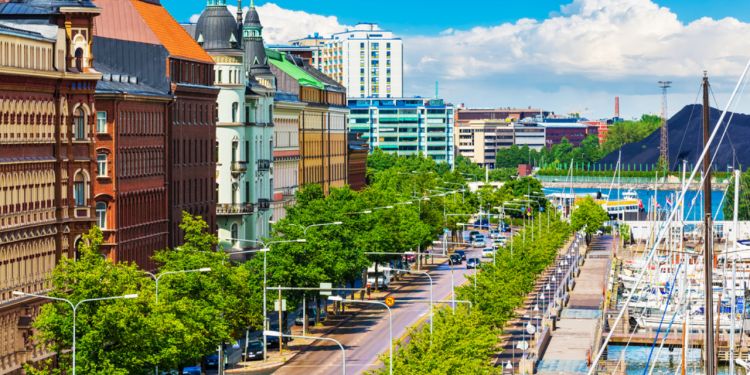
Working in Helsinki
The statistics don't lie. By looking at them, one can presume that in Finland, and in Helsinki, ...

The labour market in Helsinki
The labour market in Helsinki can be described as unbalanced, a bit schizophrenic even. ...

The work culture in Helsinki
If there is one thing you should know about the work environment in Helsinki (or indeed Finland), ...
Higher Education and Universities in Helsinki
Helsinki is an excellent destination for international students, with several world-class universities offering programs in English. The Finnish higher education system combines academic rigor with practical experience and strong industry connections.
Major Universities
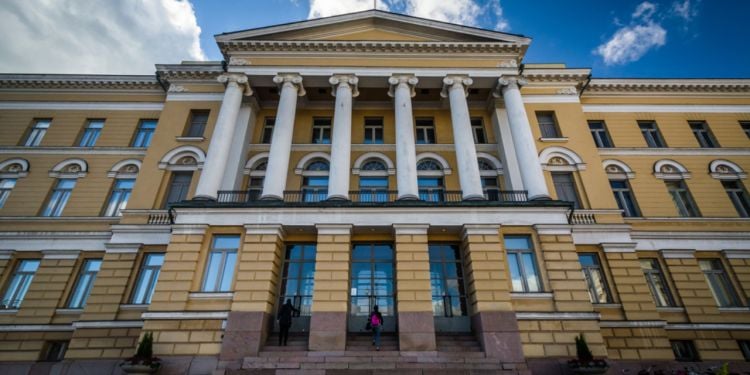
The University of Helsinki is Finland's oldest and highest-ranked university, placed #116 globally by QS Rankings 2026. It offers over 35 Master's programs in English across faculties including science, arts, medicine, and social sciences. Aalto University, formed from a merger of three leading institutions, is renowned for technology, business, and design. Located primarily in Espoo, it ranks among the world's top universities for engineering and art. Other institutions include Hanken School of Economics and several universities of applied sciences (polytechnics).
Tuition Fees and Admissions
EU/EEA students pay no tuition fees. Non-EU/EEA students pay between EUR 6,000 and EUR 18,000 per year depending on the program. The University of Helsinki charges EUR 13,000-18,000 annually for international Master's programs. Merit-based scholarships covering 50-100% of tuition are available for high-achieving applicants. From January 2025, non-EU applicants must pay a EUR 100 application fee. Applications are submitted through the national Studyinfo.fi portal, typically in January for autumn intake. English proficiency (IELTS 6.5+ or TOEFL 92+) is required for English-taught programs.
Sources: University of Helsinki, Aalto University, Studyinfo.fi

Schooling for Children in Helsinki
Finland's education system is world-renowned for its quality, and Helsinki offers excellent options for expat families. The choice between Finnish public schools and international schools depends on your family's long-term plans and language preferences.
Finnish Public Schools
Finnish public education is free of charge, including materials, meals, and transportation when needed. The system emphasizes equal opportunities, child well-being, and learning through play in early years. Classes are small, and teachers are highly qualified (Master's degree required). Children can attend Finnish-speaking or Swedish-speaking schools. Some public schools offer bilingual programs (Finnish-English) with competitive admission, such as Kulosaari Secondary School.
International Schools
For families seeking English-medium education, the International School of Helsinki (ISH) is the leading option. Founded in 1963, ISH offers the full International Baccalaureate (IB) curriculum from Kindergarten through Grade 12. The school is accredited by NEASC and the Council of International Schools. Annual tuition fees for 2024-2025 are approximately: EUR 12,067 (K1-K2), EUR 13,341 (Grades 1-5), EUR 14,143 (Grades 6-8), and EUR 16,121 (Grades 11-12). A registration fee of EUR 3,150 applies. Other options include Kielo International School (Grades 1-6, EUR 6,000/year) and the European School of Helsinki for EU institution employees.
Sources: International School of Helsinki, City of Helsinki Education
Housing and Neighbourhoods in Helsinki
Finding accommodation in Helsinki requires planning, as the rental market is competitive, particularly for smaller apartments. Housing quality is generally high, but prices reflect the city's popularity. Understanding different neighborhoods helps identify the best fit for your lifestyle and budget.
Popular Neighbourhoods for Expats
Töölö features Nordic Classicist architecture, trendy cafés, and excellent transport links near the city center—ideal for professionals. Kallio is a creative, densely populated district popular with young professionals and artists, offering a lively bar scene and more affordable rents. Eira provides upscale living with sea views and embassy residences in a quiet, prestigious setting. Punavuori attracts young professionals with its boutiques, restaurants, and design shops. Families often prefer Lauttasaari (island living with good schools), Espoo (more affordable, excellent schools near Aalto University), or Kartanonkoski in Vantaa (near international schools).
Rental Prices and Process
Rentals typically require a written lease (often 12 months minimum), a security deposit (1-2 months' rent), and proof of income. At the start of 2024, the average rent per square meter in Helsinki was EUR 22.20 in the free market. Many apartments are unfurnished, sometimes lacking light fixtures and curtains. Popular rental platforms include Vuokraovi, Oikotie, and Lumo.
1-bedroom apartment (city center) | EUR 1,050/month |
1-bedroom apartment (outside center) | EUR 793/month |
3-bedroom apartment (city center) | EUR 1,935/month |
3-bedroom apartment (outside center) | EUR 1,390/month |
Sources: Numbeo, InfoFinland
Buying property in Helsinki
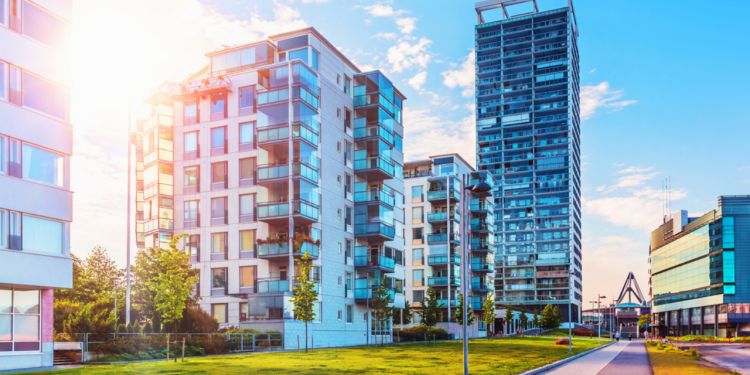
Wish to live in downtown Helsinki? In principle, and in practice, buying a property in Helsinki is ...
Accommodation in Helsinki
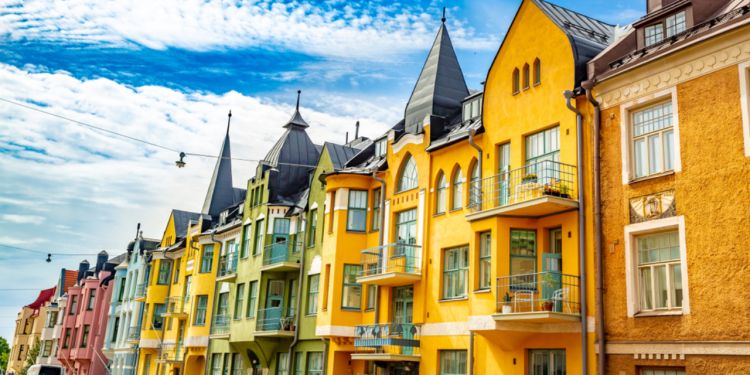
Moving to Helsinki and wish to rent out an apartment in a block of flats? First, decide the ...
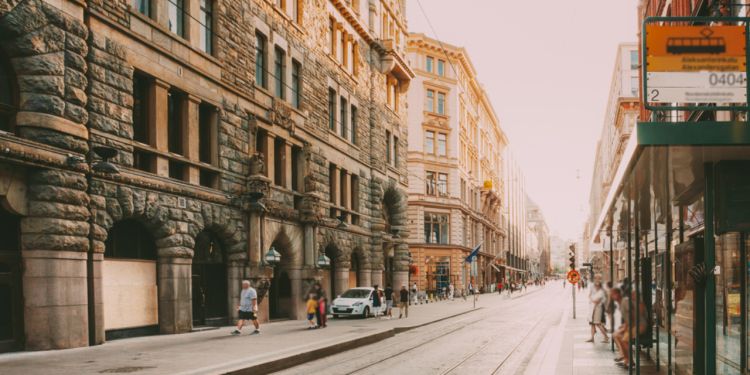
Popular neighbourhoods in Helsinki
In Finland, urbanisation is accelerating, and people are flooding to the south and particularly ...
Leisure, Culture and Things to Do in Helsinki
Helsinki offers a rich cultural scene, abundant green spaces, and diverse leisure activities throughout the year. From world-class museums to unique Nordic experiences like sauna culture, there's always something to discover.
Museums and Cultural Attractions
Helsinki boasts over 80 museums. The Ateneum houses Finland's most comprehensive collection of classic art, including works from the Finnish Golden Age. Kiasma showcases contemporary art in a striking building designed by architect Steven Holl. Amos Rex features immersive exhibitions in dramatic underground galleries. The National Museum of Finland covers Finnish history from the Stone Age to present day. For design enthusiasts, the Design Museum and Helsinki Design District are must-visits. Suomenlinna, a UNESCO World Heritage sea fortress, is accessible by a 15-minute ferry from the Market Square. Many museums offer free admission on certain days or with the Helsinki Card.
Parks, Outdoor Activities and Nightlife
Esplanadi Park and Kaivopuisto are popular green spaces in the city center, while Central Park (Keskuspuisto)—nearly three times the size of New York's Central Park—offers forests and trails within city limits. Summer activities include island hopping, swimming at beaches like Hietaniemi, and cycling. Winter brings cross-country skiing, ice skating, and embracing the cozy "talvi" (winter) lifestyle. Helsinki's nightlife centers on Kallio (alternative bars, live music) and Kamppi/Punavuori (clubs, cocktail bars). Annual events include Flow Festival (music), Helsinki Design Week, Lux Helsinki (light art festival), and Christmas markets at Senate Square.
Sources: My Helsinki, Visit Finland
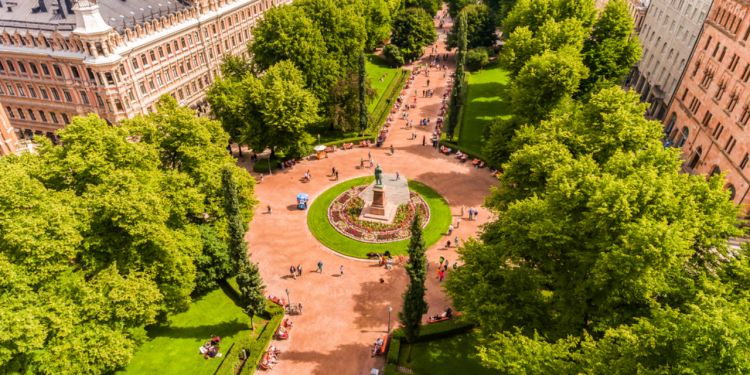
Things to do on weekdays in Helsinki
It is the middle of the working week, and you need an evening out just to carry on the rest of the ...
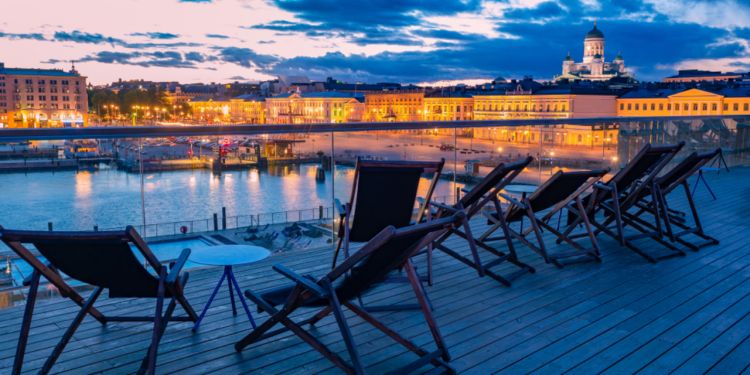
Things to do in Helsinki
There is not only one Helsinki, but two. Or even three or four. There is winter, and there is ...
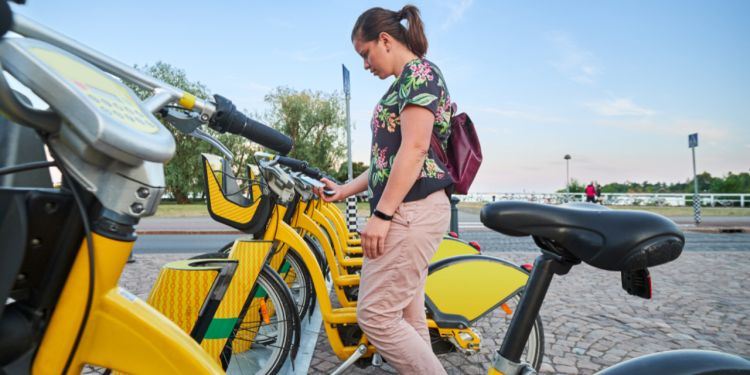
Sports in Helsinki
It is not an exaggeration to claim that Helsinki is an excellent city for practising various sports ...
Daily Life in Helsinki
Daily life in Helsinki combines modern convenience with access to nature and a relaxed Nordic pace. The city's compact size, efficient public transport, and walkable neighborhoods make everyday tasks straightforward for newcomers.
Getting Around
Helsinki's public transport system, operated by HSL (Helsinki Region Transport), is efficient and reliable. The network includes buses, trams, metro, commuter trains, and ferries. The city is divided into zones (A, B, C, D), with most of central Helsinki in zones A-B. A single adult ticket (AB zones) costs EUR 3.20, valid for 80 minutes across all transport modes. A monthly season ticket for zones AB costs EUR 72.10 (or EUR 60.10 with an annual subscription). Contactless payment is available but costs slightly more. The HSL app is the most convenient way to buy tickets. Cycling is popular year-round, with over 1,500 km of cycling paths and a city bike-sharing system available April-October.
Lifestyle and Culture
Finnish culture values personal space, honesty, and punctuality. Newcomers may find Finns initially reserved, but relationships deepen over time. Sauna is an essential part of Finnish life—public saunas like Löyly and Allas Sea Pool are great places to experience this tradition. Summer brings the midnight sun and a burst of outdoor activity, while winter features cozy indoor culture, Christmas markets, and opportunities for ice skating or cross-country skiing. English is widely spoken, especially among younger generations and in professional settings, though learning basic Finnish is appreciated. Grocery shopping is done at chains like S-Market, K-Market, and budget-friendly Lidl.
Sources: HSL Helsinki Region Transport, My Helsinki

Developing your professional network in Helsinki
Helsinki may be situated on the outskirts of Europe, but it has managed to create a handful of high ...

Developing your social circle in Helsinki
How do you build a social circle and make new friends as an expat in Helsinki? The same basic rule ...

The networking etiquette in Helsinki
There is an enduring saying when it comes to Finnish people and their social skills. It was first ...
Cost of Living in Helsinki
Helsinki is among the more expensive European capitals, though costs are generally lower than London, Amsterdam, or Paris. Understanding typical expenses helps with financial planning before your move.
Monthly Budget for a Single Person
A single person can expect monthly costs (excluding rent) of approximately EUR 980-1,100. Including rent for a one-bedroom apartment outside the center, total monthly expenses typically reach EUR 1,800-2,100. Key expenses include groceries (EUR 300-400), public transport (EUR 72 monthly pass), utilities (EUR 115 for an 85m² apartment), mobile phone (EUR 25), and internet (EUR 22).
Expense | Single Person | Family of Four |
Rent (outside center) | EUR 793 | EUR 1,390 |
Groceries | EUR 350 | EUR 800 |
Transport | EUR 72 | EUR 144 |
Utilities | EUR 115 | EUR 150 |
Mobile + Internet | EUR 47 | EUR 70 |
International school fees | — | EUR 1,100/child |
Health insurance (private) | EUR 50-100 | EUR 200-300 |
Estimated Total | EUR 1,450-1,550 | EUR 3,850-4,000 |
Additional Cost Considerations
Dining out is expensive: a meal at an inexpensive restaurant costs around EUR 15, while a mid-range three-course dinner for two runs EUR 90. A cappuccino costs approximately EUR 4.50. Cinema tickets are EUR 17, and a gym membership averages EUR 43/month. Finnish public healthcare is available to residents at subsidized rates; private health insurance costs EUR 50-150/month depending on coverage. Note that student healthcare for university students costs only EUR 35.60/semester.
Sources: Numbeo (December 2025), HSL
In Short
Helsinki combines Nordic efficiency with creative energy, offering newcomers a high quality of life in a compact, safe, and well-connected city. Whether you're drawn by career opportunities in its thriving tech and startup ecosystem, world-class education, or the unique Finnish lifestyle, Helsinki welcomes expats with excellent public services and a strong international community. The adjustment to long, dark winters and Finnish reserve may take time, but the rewards include exceptional work-life balance, pristine nature, and a society built on trust and equality. Start connecting with fellow expats and locals today by joining the Helsinki forum on Expat.com to ask questions, share experiences, and build your network before and after your move.
We do our best to provide accurate and up to date information. However, if you have noticed any inaccuracies in this content, please contact us.


News & testimonies
Melanie in Helsinki: "Finns are warm, funny, generous people"
Melanie, Kiwi expat, moved to Helsinki ten months back with her husband and three year old son. She is currently a freelance writer and she enjoys discovering her new city's parks, cafes, etc.
Finland tightens permanent residence rules
Since January 8, 2026, stricter requirements have been in place for obtaining permanent residence in Finland. Among the key changes are tougher language requirements and a longer mandatory residence period.
Why Finland wants skilled expats and their families
Will countries ever escape the cycle of labor shortages? It's a question that continues to haunt nations struggling with workforce gaps. Waves of retirement and falling birth rates are draining the labor pool, leaving governments once again turning to foreign talent. But attracting expatriate families is no easy task. Finland, however, is experimenting with a new approach to win them over.

Finland tightens work permit rules for expats
Finland is introducing stricter rules for foreign workers. If you're an expat with a residence permit tied to your job, and you lose that job, you'll now have just three months to find new employment. Otherwise, you could lose your right to stay in the country.
Essential services for your expat journey