

Living in Sofia: the ultimate expat guide
Everything you need to know for a successful life in Sofia.
Sofia, the capital of Bulgaria, sits at the foot of Vitosha Mountain and offers a compelling mix of ancient history, modern development, and affordable European living. With a population of approximately 1.4 million, this dynamic city has become increasingly attractive to international residents seeking quality of life without the high costs of Western European capitals. As an EU member state since 2007, Bulgaria provides straightforward residency options for European citizens while offering competitive visa pathways for non-EU nationals.
Why Choose Sofia?
Sofia combines the charm of a historic European capital with the energy of a rapidly developing tech hub. The city's strategic location provides easy access to both beach resorts on the Black Sea coast and ski destinations in the Bulgarian mountains, all within a few hours' drive.
5 Good Reasons to Move to Sofia
- Affordable cost of living – one of the lowest in the EU while maintaining a high quality of life.
- Thriving tech sector – growing IT industry with numerous international companies and startups.
- Excellent connectivity – direct flights to major European cities and a modern metro system.
- Natural beauty – hiking and skiing on Vitosha Mountain just 20 minutes from the city center.
- Rich cultural heritage – ancient Roman ruins, Orthodox churches, and a vibrant arts scene.
Working in Sofia: Opportunities in Bulgaria's Economic Hub
Sofia dominates Bulgaria's labor market, concentrating 43% of the country's employed population. The city has established itself as a regional center for IT, finance, and business services, attracting both multinational corporations and innovative startups. English proficiency is widespread in professional settings, making integration into the workforce accessible for international professionals.
Key Industries and Employment
The IT and technology sector leads Sofia's job market, with demand for software developers, data analysts, and cybersecurity specialists. Major international companies including HP, SAP, and VMware maintain significant operations here. The financial services sector continues to expand, alongside growing opportunities in logistics, manufacturing, and business process outsourcing. Salaries in Sofia are notably higher than the national average, with the average salary in the capital reaching BGN 3,386 (EUR 1,731) per month in early 2025.
Work Permits and Visas
EU/EEA citizens can live and work freely in Bulgaria without a visa, though registration with local authorities is required for stays exceeding 90 days. Non-EU nationals must obtain both a work permit and a long-stay visa (Type D). The most common pathways include the Single Residence and Work Permit (valid up to 3 years) and the EU Blue Card for highly skilled workers with a salary at least 1.5 times the national average. Employers typically initiate the work permit application process with the Bulgarian Employment Agency.
Employment Overview
Unemployment Rate (Q2 2025) | 3.6% |
Average Monthly Salary (Sofia) | BGN 3,386 (EUR 1,731) |
Top Sectors | IT, Finance, Logistics, BPO |
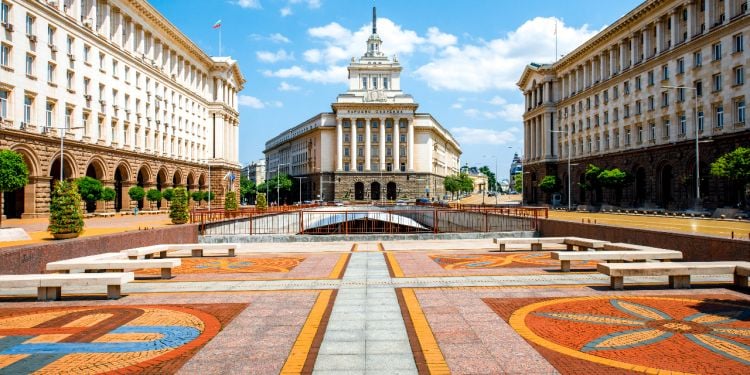
Work in Sofia
There are various ways to find a job in Sofia. Here are some tips to guide you through your job search.
Higher Education and Universities in Sofia
Sofia is Bulgaria's academic center, home to the country's oldest and most prestigious universities. International students benefit from EU-recognized degrees, affordable tuition fees compared to Western Europe, and an increasing number of English-taught programs. The city's growing reputation as a tech hub creates strong links between academia and industry.
Leading Universities
Sofia University St. Kliment Ohridski, founded in 1888, is Bulgaria's largest and most respected institution, offering programs across humanities, sciences, and professional fields. The university provides numerous English-language courses and has a dedicated international student office. Technical University of Sofia specializes in engineering and technology disciplines, while the University of National and World Economy (UNWE) focuses on business, economics, and administration. For medical studies, the Medical University of Sofia attracts students from across Europe and beyond.
Tuition Fees and Admission
Tuition fees for international students from non-EU countries typically range from EUR 2,800 to EUR 7,700 annually for undergraduate and master's programs at Sofia University, depending on the field of study. Medical programs command higher fees, approximately EUR 7,700 to EUR 9,000 per year. A specialized preparatory language course costs around EUR 3,500. Admission generally requires proof of previous education, language proficiency (TOEFL/IELTS for English programs), and sometimes entrance examinations.
University Tuition Overview (Non-EU Students)
Undergraduate Programs | EUR 2,800 – 6,000/year |
Master's Programs | EUR 3,000 – 7,700/year |
Medicine | EUR 7,700 – 9,000/year |
Sources: Sofia University, Bulgarian Universities Guide
Schooling for Children: International and Local Options
Sofia offers diverse educational options for expatriate families, from international schools following British, American, or IB curricula to bilingual institutions blending Bulgarian and international approaches. While Bulgarian public schools are free and follow a 12-grade national curriculum, instruction is conducted entirely in Bulgarian, making international schools the preferred choice for most expat families.
International Schools
The Anglo-American School of Sofia (AAS) serves students aged 4 to 18, offering a curriculum combining US and UK best practices along with the IB Diploma program. With approximately 600 students from around 50 nationalities, it's one of the most established international schools. Yearly fees range from BGN 29,054 to BGN 54,447 (approximately EUR 14,850 to EUR 27,840). The British School of Sofia follows the British curriculum for ages 2 to 18, with fees between EUR 7,000 and EUR 12,500 per year. The American College of Sofia, founded in 1860, offers an American curriculum with IB Diploma for secondary students, with annual fees around BGN 42,438 (EUR 21,700).
Enrollment and Admission
International schools typically require application forms, previous academic records, recommendation letters, and sometimes entrance assessments. The academic year generally runs from late August to late June. Early application is recommended, particularly for popular schools like AAS, as spaces can be limited. Most international schools offer bus services, extracurricular activities, and support for students transitioning from other educational systems.
International School Fees (2025/2026)
Anglo-American School of Sofia | EUR 14,850 – 27,840/year |
British School of Sofia | EUR 7,000 – 12,500/year |
American College of Sofia | EUR 21,700/year |
Sources: Anglo-American School of Sofia, British School of Sofia
Housing and Neighborhoods: Finding Your Home in Sofia
Sofia's rental market offers diverse options across distinct neighborhoods, each with its own character and price point. The market has seen significant price increases in recent years, but remains considerably more affordable than most Western European capitals. Most rental apartments come furnished, and landlords typically require a deposit of one to two months' rent.
Popular Neighborhoods for Expats
Lozenets is one of Sofia's most sought-after residential areas, known as the "Green Pearl" of the city. Located south of the center near South Park, it offers a mix of historic charm and modern amenities, attracting young professionals and families. Rent for a one-bedroom apartment ranges from EUR 600 to EUR 900 monthly. Oborishte, with its tree-lined streets and artistic atmosphere, offers proximity to the center and excellent restaurants. Boyana and Dragalevtsi, at the foot of Vitosha Mountain, host the largest expat communities, particularly diplomatic personnel and international business executives, with access to international schools and cleaner mountain air. Mladost offers more affordable modern apartments with excellent metro connections to the business park area.
Rental Process
Finding accommodation typically involves working with local real estate agents or browsing online platforms. Always sign a formal rental contract, document the apartment's condition with photos, and clarify deposit return conditions in writing. Most landlords prefer bank transfers for rent payments, and utilities are often paid separately.
Average Monthly Rent
1-Bedroom (City Center) | EUR 620 – 770 |
1-Bedroom (Outside Center) | EUR 465 – 615 |
3-Bedroom (City Center) | EUR 1,130 – 1,600 |
3-Bedroom (Outside Center) | EUR 800 – 1,125 |
Sources: Numbeo
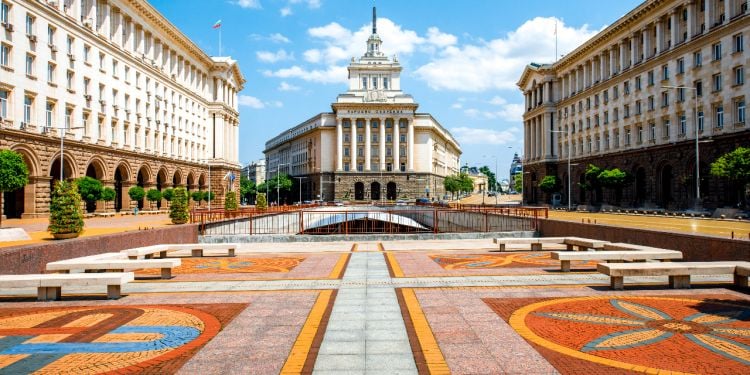
Accommodation in Sofia
Sofia is very welcoming towards foreigners. Find out in this article how to find accommodation there.
Leisure, Culture and Things to Do in Sofia
Sofia offers a rich cultural scene spanning ancient history, religious heritage, and contemporary arts. The city's compact center makes it easy to explore on foot, while the surrounding mountains and parks provide ample opportunities for outdoor activities year-round.
Museums and Cultural Attractions
The National Historical Museum, one of the largest in the Balkans, houses treasures from ancient Thracian civilization through modern times. The St. Alexander Nevsky Cathedral, with its distinctive gold domes, stands as one of the largest Orthodox churches in the world and a symbol of Bulgaria. The UNESCO-listed Boyana Church, dating to the 10th century, contains remarkably preserved medieval frescoes. For a unique perspective on recent history, the Museum of Socialist Art displays monuments and propaganda from the communist era in an outdoor sculpture park.
Parks and Outdoor Activities
Vitosha Mountain, accessible by public transport in just 20 minutes, offers hiking trails in summer and skiing in winter, with the peak reaching 2,290 meters. Borisova Gradina, Sofia's oldest and largest park, provides a green escape with lakes, playgrounds, and café terraces. The South Park (Yuzhen Park) and NDK Park surrounding the National Palace of Culture host outdoor events, concerts, and festivals throughout the year.
Nightlife and Entertainment
Sofia's nightlife centers around Vitosha Boulevard and the surrounding streets, with a mix of trendy bars, traditional tavernas (mehanas), and nightclubs. The Ivan Vazov National Theatre presents Bulgarian and international productions, while the National Palace of Culture hosts concerts, exhibitions, and cultural events. During summer, open-air cinemas and music festivals add to the city's entertainment options.
Cultural Highlights
Alexander Nevsky Cathedral | Free entry |
National Historical Museum | BGN 10 (EUR 5) |
Boyana Church | BGN 10 (EUR 5) |
Cinema Ticket | BGN 17 (EUR 8.70) |
Sources: Visit Sofia Official Tourism Portal
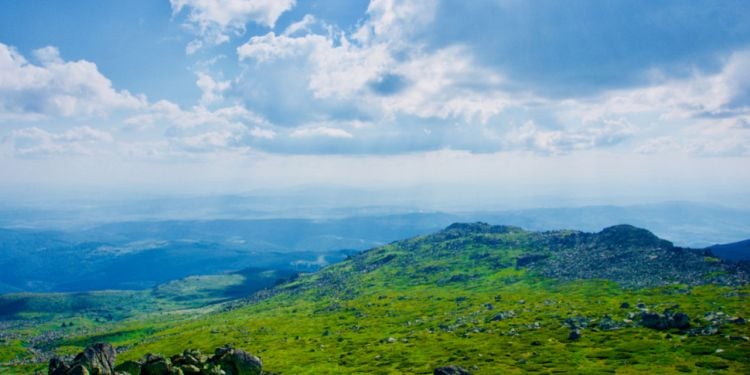
Leisure in Sofia
Getting bored in Sofia? No way! Find out in this article what you can do during your leisure time in the Bulgarian capital city.
Daily Life in Sofia: Getting Around and Settling In
Daily life in Sofia blends European convenience with Balkan character. The city offers reliable public transportation, walkable neighborhoods, and an increasingly international atmosphere in central districts. While Bulgarian is the official language, English is widely spoken among younger generations and in business settings, particularly in the tech sector.
Public Transportation
Sofia's public transport network includes four metro lines with 47 stations, along with extensive bus, tram, and trolleybus routes. The metro is the fastest way to navigate the city, connecting the airport (M4 line) directly to the center. A single ticket costs BGN 1.60 (EUR 0.82), while a monthly pass is BGN 50 (EUR 25). The system has gone largely digital, with contactless payment options including bank cards and mobile apps. Using your bank card for more than two trips daily automatically converts to a day pass for BGN 4 (EUR 2).
Lifestyle and Culture
Sofia residents enjoy a café culture influenced by both Ottoman and Central European traditions. The city center remains walkable, with pedestrianized Vitosha Boulevard serving as the main shopping and social hub. Weekend activities often include hiking on Vitosha Mountain, just a short bus ride from the center, or exploring the numerous parks scattered throughout the city. Bulgaria uses the Cyrillic alphabet, which can present an initial challenge, though signage in tourist areas and metro stations includes English translations. Shops and services typically operate from 10:00 to 20:00, with supermarkets open longer hours.
Transportation Costs
Single Ticket (30 min) | BGN 1.60 (EUR 0.82) |
Day Pass (all modes) | BGN 4.00 (EUR 2.00) |
Monthly Pass | BGN 50 (EUR 25) |
Taxi Start | BGN 2.60 (EUR 1.30) |
Sources: Sofia Metro, Sofia Urban Mobility Center
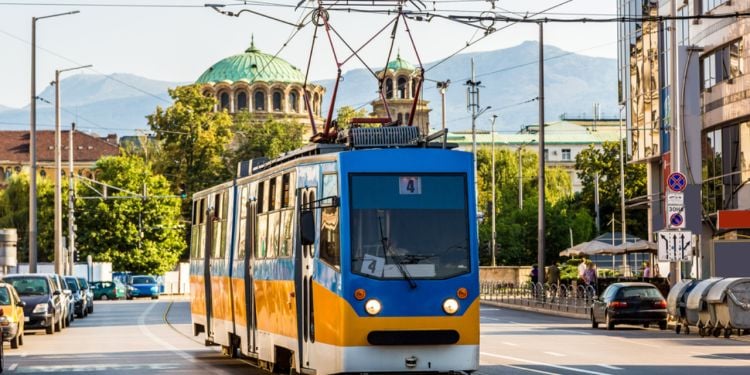
Transports in Sofia
Foreigners staying in Sofia can choose from various means of transport. Here is an overview of the transport network.
Cost of Living in Sofia: Budget Planning
Sofia remains one of the most affordable capitals in the European Union, though prices have increased significantly in recent years. The city offers excellent value for those earning in stronger currencies or working in well-paying sectors like IT. Bulgaria is expected to adopt the euro in January 2026, which may impact prices in the short term.
Monthly Budget: Single Person
A single person can live comfortably in Sofia on approximately EUR 1,100 to EUR 1,400 per month, including rent. Budget-conscious individuals can manage on less, while those seeking a more comfortable lifestyle should plan for EUR 1,600+. Dining out remains relatively affordable, with a meal at an inexpensive restaurant costing around BGN 20 (EUR 10) and a mid-range restaurant dinner for two around BGN 85 (EUR 43).
Monthly Budget: Family of Four
A family of four should budget approximately EUR 2,500 to EUR 3,500 monthly, depending on housing choices and whether children attend international schools. International school fees represent a significant expense, ranging from EUR 7,000 to EUR 28,000 annually per child. Healthcare costs are moderate, with private health insurance available at competitive rates.
Monthly Costs: Single Person
Category | Budget | Comfortable |
Rent (1-bedroom) | EUR 465 | EUR 700 |
Utilities | EUR 100 | EUR 135 |
Groceries | EUR 250 | EUR 350 |
Transport | EUR 25 | EUR 50 |
Dining/Leisure | EUR 150 | EUR 300 |
Total | EUR 990 | EUR 1,535 |
Monthly Costs: Family of Four
Category | Budget | Comfortable |
Rent (3-bedroom) | EUR 800 | EUR 1,300 |
Utilities | EUR 150 | EUR 200 |
Groceries | EUR 500 | EUR 700 |
Transport | EUR 50 | EUR 100 |
International School (2 children, monthly) | EUR 1,170 | EUR 2,500 |
Leisure/Dining | EUR 250 | EUR 500 |
Total | EUR 2,920 | EUR 5,300 |
In Short
Sofia offers a compelling combination of affordable living costs, growing career opportunities, and rich cultural heritage that makes it increasingly attractive for international residents. The city's thriving tech sector provides strong employment prospects, while its location at the foot of Vitosha Mountain ensures easy access to nature and outdoor activities. With EU membership facilitating residency, competitive international schools, and a cost of living significantly lower than Western European capitals, Sofia presents a practical and rewarding option for expatriates seeking European quality of life without premium prices. The city continues to develop its infrastructure and international amenities while maintaining its distinctive Balkan character.
Ready to start your Sofia adventure? Connect with fellow expatriates and get practical advice from those already living in Bulgaria by joining the Sofia forum on Expat.com.
We do our best to provide accurate and up to date information. However, if you have noticed any inaccuracies in this content, please contact us.


Essential services for your expat journey



