

Living in Liège: the ultimate expat guide
Everything you need to know for a successful life in Liège.
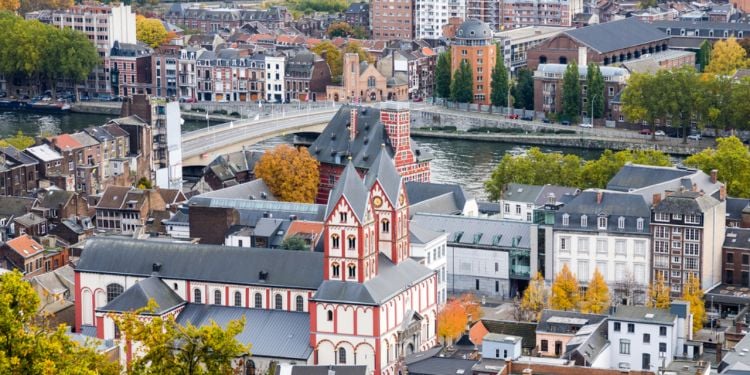
Liège is the largest city in Belgium's Wallonia region, positioned along the scenic Meuse River and home to approximately 1.1 million residents in its greater metropolitan area. Known as the "Ardent City" for its spirited character, Liège blends rich industrial heritage with a dynamic cultural scene and warm hospitality. The city serves as an important economic hub, with excellent rail connections to Brussels, Paris, and Cologne via the iconic Liège-Guillemins station designed by architect Santiago Calatrava.
5 Good Reasons to Move to Liège
- Affordable living costs – Housing and daily expenses are significantly lower than in Brussels or Flanders, offering excellent value for expatriates.
- Strategic location – Positioned at the crossroads of Belgium, Germany, and the Netherlands, with high-speed rail access to major European cities.
- Rich cultural heritage – World-class museums, historic architecture, and a vibrant arts scene make Liège a cultural destination.
- Renowned university – The University of Liège attracts international students and researchers, creating a cosmopolitan atmosphere.
- Quality of life – Green spaces, riverside walks, excellent gastronomy, and a famous nightlife scene contribute to an enjoyable lifestyle.
Working in Liège: Opportunities and Key Sectors
Liège's economy has evolved from its industrial roots into a diversified landscape offering opportunities across multiple sectors. While traditional industries remain important, the city has developed strong positions in healthcare, education, logistics, and technology. Expatriates will find a welcoming job market, particularly in roles requiring international experience or specialized skills.
Key Employment Sectors
The Wallonia region's employment is concentrated in six major sectors: health and social work, education, trade, public administration, industry, and administrative services. The University of Liège and its associated research centers create opportunities in academia and life sciences. The city's logistics sector benefits from Liège Airport, one of Europe's largest cargo hubs, and the presence of multinational companies. The technology and aerospace industries also offer skilled positions.
Work Permits and Employment Conditions
Citizens of EU/EEA countries and Switzerland can work freely in Belgium without a permit. Non-EU nationals must obtain a Single Permit combining residence and work authorization, which their employer applies for on their behalf. Highly skilled workers may qualify for an EU Blue Card. Belgium offers strong employee protections, automatic wage indexation, and one of the highest minimum wages in Europe at EUR 2,112 per month (2025).
The following table presents key employment indicators for the Liège region:
Unemployment rate (Wallonia, Q2 2025) | 7.8% |
Average gross monthly salary (Belgium) | EUR 4,076 |
Key sectors | Healthcare, education, logistics, technology |
Finding a job in Liège
Liège, a dynamic French-speaking city resolutely focused on innovation, offers many professional opportunities in various sectors. Whether ...
Higher Education: Universities and International Programs
Liège hosts one of Belgium's most prestigious universities and several specialized higher education institutions, making it an attractive destination for international students. The academic environment is characterized by strong research output, affordable tuition, and programs taught in multiple languages including English.
University of Liège (ULiège)
Founded in 1817, the University of Liège is the only comprehensive public university in French-speaking Belgium. With approximately 25,000 students, including 20% international students, it offers programs across 11 faculties including medicine, engineering, sciences, law, and humanities. The university ranks among the world's top 400 institutions according to QS World University Rankings 2025. ULiège operates multiple campuses across the city and at Sart Tilman, a modern campus set in parkland south of the city center.
Tuition Fees and Admission
Belgian universities offer remarkably affordable education compared to other Western European countries. EU students pay EUR 835 per year in registration fees. Non-EU students pay the registration fee plus an additional contribution of EUR 4,175, totaling approximately EUR 5,010 per year for undergraduate and master's programs. Students from developing countries may qualify for reduced fees. English-taught master's programs are available in fields such as international law, computer science, and aerospace engineering. Admission typically requires proof of previous qualifications, language proficiency (IELTS 6.0 or equivalent for English programs), and relevant transcripts.
Schooling for Children: Local and International Options
Belgium provides high-quality education with schooling compulsory for children aged 6 to 18. In Liège, the education system operates primarily in French, reflecting the city's position in Wallonia. Expatriate families have several options ranging from local Belgian schools to international institutions offering curricula from other countries.
Belgian Public Schools
Public education in Belgium is largely free of charge, funded through taxes. Parents typically pay only for books and materials. The Belgian system includes nursery school (2.5-6 years), primary school (6-12 years), and secondary school (12-18 years). Classes are taught in French, which can benefit children seeking full immersion. Public schools maintain high standards and are an excellent choice for families planning a long-term stay.
International and Bilingual Schools
For families seeking English-language or international curricula, options in the broader region include schools offering the International Baccalaureate (IB), British, or American programs. Most international schools are concentrated in Brussels, approximately one hour from Liège by train. The European School system may be accessible for children of EU institution employees. Tuition at international schools typically ranges from EUR 10,000 to EUR 25,000 per year depending on the institution and grade level. Enrollment usually requires application well in advance, as spaces can be limited.
Housing and Neighborhoods: Where to Live in Liège
Finding accommodation in Liège is considerably easier and more affordable than in Brussels or Flanders. The city offers diverse housing options from historic apartments in the center to modern developments and family homes in suburban areas. Rental contracts in Belgium are typically for nine years, though shorter terms can be negotiated with notice requirements.
Popular Neighborhoods for Expats
City Center – The areas around Place Saint-Lambert and Place du Marché offer convenient access to shops, restaurants, and cultural attractions. Historic buildings provide charming apartments, though parking can be challenging. Outremeuse – A lively island neighborhood with a bohemian atmosphere, popular with students and young professionals. Guillemins – Near the iconic train station, this area offers modern apartments and excellent transport links. Cointe – A residential hillside district with green spaces, family homes, and proximity to schools. Laveu – A quieter neighborhood within walking distance of the center, offering a mix of housing types.
Rental Prices
Liège offers some of the most affordable rental rates among major Belgian cities. Furnished apartments are available from approximately EUR 500 to EUR 900 per month. The following table provides average monthly rent estimates:
1-bedroom apartment (city center) | EUR 650 – EUR 800 |
1-bedroom apartment (outside center) | EUR 500 – EUR 650 |
3-bedroom apartment (city center) | EUR 1,000 – EUR 1,300 |
3-bedroom apartment (outside center) | EUR 850 – EUR 1,100 |
Sources: Numbeo, Global Property Guide

How to find accommodation in Liège
Are you looking for accommodation in Liège? Whether you are a student, a worker, or in transition, this dynamic French-speaking city offers ...
Leisure, Culture, and Things to Do in Liège
Liège offers a rich cultural scene and diverse leisure opportunities that make everyday life enjoyable. From world-class museums to vibrant nightlife and beautiful green spaces, the city provides entertainment for all tastes and ages. The warm, sociable character of its residents adds to the welcoming atmosphere.
Museums and Cultural Attractions
The city boasts several outstanding museums. La Boverie is an elegant fine arts museum set in a riverside park, featuring works from the 16th century to present day and hosting international exhibitions in partnership with the Louvre. The Grand Curtius, housed in a 16th-century mansion, displays collections of archaeology, decorative arts, weapons, and Mosan art. The Museum of Walloon Life offers insights into regional history and traditions, including a traditional puppet theatre. For architecture enthusiasts, the Liège-Guillemins station by Santiago Calatrava is a must-see destination in itself.
Parks, Sports, and Nightlife
The Parc de la Boverie provides a green oasis along the Meuse, perfect for jogging, cycling, or relaxing. The Coteaux de la Citadelle offers over 90 hectares of hillside walks with panoramic city views, accessed via the famous Montagne de Bueren staircase of 374 steps. Football fans can catch Standard Liège, one of Belgium's most successful clubs, at Stade Maurice Dufrasne. The Carré district is renowned for its dense concentration of bars and clubs, making Liège one of Belgium's top nightlife destinations. Throughout the year, festivals including the Les Ardentes music festival bring international acts to the city.
Sources: Maison du Tourisme de Liège, Visit Wallonia
Daily Life in Liège: Transport and Lifestyle
Daily life in Liège combines the convenience of a major city with a relaxed, welcoming atmosphere. The city is compact enough to navigate easily, with excellent public transport and a growing network of cycling infrastructure. French is the primary language, though you will encounter multilingual residents, particularly around the university.
Getting Around
Public transport in Liège is operated by TEC, offering an extensive network of buses. A brand new tram line launched in April 2025 connects key points across the city, including the Guillemins station and city center. A single ticket costs approximately EUR 2.50, while monthly passes are available for around EUR 35. Students aged 18-24 benefit from annual passes at just EUR 12. The Liège-Guillemins station provides direct high-speed rail connections to Brussels (50 minutes), Paris (2.5 hours), and Cologne (1 hour). Cycling is increasingly popular, with dedicated paths along the Meuse River.
Everyday Lifestyle
Liège is renowned for its gastronomy, including the famous Liège waffle, boulets à la Liégeoise (meatballs in sweet-sour sauce), and excellent local beers. The city has a vibrant nightlife scene, particularly in the Carré district, earning its reputation as Belgium's party capital. Sunday markets, including the famous La Batte market stretching along the Meuse, are local traditions. Shops typically open Monday to Saturday, with some Sunday hours. Banking, healthcare, and administrative services are readily accessible, and English is often spoken in professional settings.
Sources: TEC – Le nouveau réseau liégeois, Visit Wallonia
Cost of Living: Monthly Budgets and Expenses
Liège offers an attractive cost of living compared to other Western European cities, making it an affordable choice for expatriates. Housing costs are particularly favorable, and everyday expenses such as groceries and dining remain reasonable. Belgium's high wages and strong social protections further enhance purchasing power.
Monthly Budget for a Single Person
A single professional can live comfortably in Liège on a moderate budget. The following table outlines typical monthly expenses excluding rent:
Category | Estimated Cost (EUR) |
Rent (1-bedroom, city center) | 700 |
Utilities (electricity, heating, water) | 180 |
Groceries | 250 |
Public transport | 35 |
Health insurance | 100 |
Leisure and dining | 150 |
Total (single person) | 1,415 |
Monthly Budget for a Family of Four
Families benefit from Liège's affordable housing and access to free public education. The following estimates reflect typical monthly expenses:
Category | Estimated Cost (EUR) |
Rent (3-bedroom, city center) | 1,150 |
Utilities | 250 |
Groceries | 600 |
Public transport (family passes) | 80 |
Health insurance (family) | 200 |
School supplies and activities | 100 |
Leisure and dining | 300 |
Total (family of four) | 2,680 |
Sources: Numbeo, HousingAnywhere
In Short
Liège stands out as an excellent destination for expatriates seeking an affordable, culturally rich, and well-connected city in the heart of Europe. With its lower cost of living compared to Brussels, prestigious university, diverse employment opportunities in healthcare, logistics, and technology, and warm Walloon hospitality, the Ardent City offers a high quality of life. The new tram network, excellent rail links to major European cities, world-class museums, and famous nightlife scene add to its appeal. Whether you are moving for work, study, or a fresh start, Liège welcomes you with open arms. Connect with fellow expatriates, ask questions, and share experiences on the Expat.com Liège forum – your community awaits!
We do our best to provide accurate and up to date information. However, if you have noticed any inaccuracies in this content, please contact us.


Essential services for your expat journey