

Living in Guatemala: the ultimate expat guide
Everything you need to know for a successful life in Guatemala.
Guatemala is home to 18.69 million people with a steady population growth of 1.50% annually. The capital, Guatemala City, houses 3.23 million residents, making it Central America's largest urban center. The country's ethnic composition reflects its rich heritage: 41% Mestizo (Ladino), 39% Indigenous (primarily Maya), 18.5% White/Criollo, and 1.5% other groups. Spanish is the official language spoken by 93% of the population, complemented by 21 Mayan languages still actively used. The national currency is the Guatemalan Quetzal (GTQ), and the country operates on UTC-6 year-round with no daylight saving time changes.
5 compelling reasons to move to Guatemala
- Exceptional affordability: Guatemala's cost of living is 39.5% lower than Germany, allowing expats to maintain a comfortable lifestyle on a modest budget while enjoying modern amenities.
- Territorial tax system: Only income generated within Guatemala is taxed. Your foreign income—pensions, rental income, dividends—remains untaxed by Guatemalan authorities, a significant advantage for retirees and remote workers.
- World-class Mayan heritage: Multiple UNESCO World Heritage sites, ancient ruins, and a living Maya culture provide unparalleled historical and cultural experiences right on your doorstep.
- Year-round spring weather: Known as the "Land of Eternal Spring," Guatemala's highlands enjoy temperate weather throughout the year, perfect for those seeking a mild climate.
- Strategic location: Just 2 hours from Miami by air, Guatemala offers easy access to North America while providing Central American living costs and lifestyle.
The table below summarizes key indicators to help you understand what Guatemala offers as your potential new home.
Indicator | Value |
Total population | 18.69 million (2025) |
Capital city | Guatemala City (3.23 million) |
Official language | Spanish (93%) + 21 Mayan languages |
Currency | Guatemalan Quetzal (GTQ) |
Time zone | UTC-6 (no daylight saving) |
Population density | 174 people/km² |
Annual growth rate | 1.50% |
Sources: Worldometers, Statistics Times, PopulationStat
Visa Options and Residency Pathways: Your Complete Guide
Understanding Guatemala's visa and residency system is crucial for planning your move. The country offers several pathways depending on your circumstances—from short tourist stays to permanent residency and eventual citizenship. Processing times can be unpredictable, so early planning is essential. Here's what you need to know about each option.
Tourist entry and short-term stays
Citizens of the United States, Canada, the European Union, United Kingdom, Australia, and New Zealand can enter Guatemala without a visa. You'll receive a 90-day tourist permit upon arrival with just a valid passport and completion of an electronic immigration form. This initial stay can be extended for an additional 90 days through local immigration authorities.
Overstaying your permitted time results in a fine of GTQ 15 per day (approximately USD 2). While "border runs" are technically allowed to reset your tourist status, they don't work with El Salvador, Honduras, or Nicaragua due to the CA-4 agreement, which treats these four countries as a single territory for immigration purposes.
Visa Ordinaria: 6-month temporary option
The Visa Ordinaria provides a 6-month renewable stay suitable for those testing the waters before committing to longer-term residency. Application costs GTQ 115.35 and requires your passport with validity certification, a clean criminal background check, certification from a Guatemalan guarantor, and all documents translated into Spanish and apostilled.
Processing takes approximately 2 months. This visa allows you to apply for work authorization through the Ministry of Labor, making it viable for those who've secured employment but aren't ready for permanent residency. The guarantor requirement can be challenging—many expats connect with locals through business relationships or expat networks.
Temporary residence permits
Temporary residence permits last up to 2 years and come in several categories. Workers pay USD 200 for one year, USD 300 for two years, or USD 500 for three to five years. Students pay USD 100 annually. Investors must submit a detailed application for review. Religious workers qualify for a reduced USD 50 fee.
After maintaining temporary residence for 2 years, you become eligible to apply for permanent residency. This stepped approach works well for expats who want to establish themselves gradually before making a full commitment to Guatemala.
Permanent residency: Rentista and Pensionado programs
The Rentista and Pensionado programs target retirees and individuals with passive income. You'll need to demonstrate USD 1,250 monthly income, plus USD 300 for each dependent. Application fees differ: USD 700 for Rentista and USD 400 for Pensionado.
Key advantages include no Guatemalan guarantor requirement and the ability to establish a business, though salaried employment isn't permitted. The major drawback is processing time—the US Embassy reports delays ranging from 1 to 4 years in recent cases, though some applicants complete the process within 12 months. Once approved, you'll pay an annual foreign resident tax of USD 40 and must renew your immigration status certificate yearly. Every 5 years, you'll need to provide updated proof of continued income.
After 5 years of permanent residence, you qualify for Guatemalan citizenship. The process requires Spanish language proficiency and knowledge of Guatemalan history and culture. Guatemala allows dual nationality, so you can maintain your original citizenship.
Practical considerations for US citizens
US citizens should be aware that Guatemala has no tax treaty with the United States. However, Guatemala's territorial tax system means your US income isn't taxed locally. You'll still need to file US taxes (FATCA reporting applies to foreign accounts exceeding USD 10,000), but you can claim the Foreign Earned Income Exclusion on Guatemala-sourced income. Consult a cross-border tax professional to optimize your situation.
UK citizens post-Brexit notes
UK passport holders maintain visa-free tourist access to Guatemala post-Brexit. The residency application process remains unchanged from pre-Brexit procedures. If you're claiming pension income for Pensionado status, ensure your documentation clearly shows stable, recurring payments in a major currency.

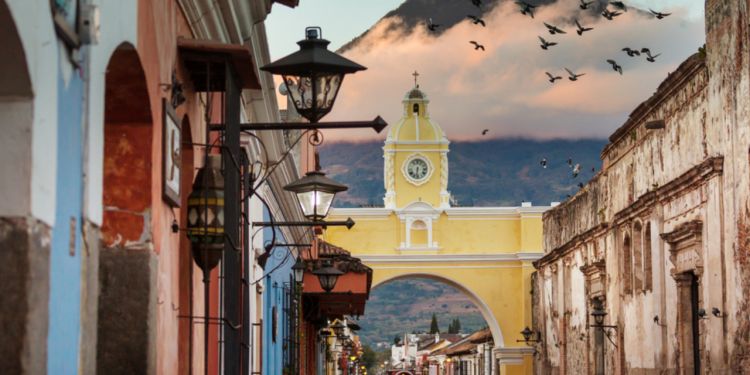
Visas for Guatemala
The nationals of 86 countries can stay in Guatemala for a maximum period of 90 days without a visa ...
Residence permits for Guatemala
Although a legal loophole allows foreigners to legally stay in Guatemala beyond the 90-day period ...

How to drive in Guatemala
The majority of public means of transportation in Guatemala is notoriously uncomfortable, so being able to drive is essential and offers much-needed ...
Working in Guatemala: Jobs, Business, and Opportunities
Guatemala's job market differs significantly from developed economies. The unemployment rate sits at just 2.30% (2023), with an employment rate of 60.04%. However, average wages remain modest at GTQ 4,134.94 monthly (approximately USD 535), with the minimum wage set at GTQ 3,723.05 (around USD 480) for non-agricultural sectors in 2025. Understanding this context helps set realistic expectations for employment and business opportunities.
Job sectors for expats
International education represents one of the strongest sectors for foreign workers, with consistent demand for qualified teachers, administrators, and education specialists at bilingual and international schools. Salaries typically range from USD 1,500 to USD 3,500 monthly depending on qualifications and experience.
The tourism and hospitality industry actively seeks experienced professionals, particularly in Antigua and around Lake Atitlán. Management positions in hotels, restaurants, and tour operations offer competitive packages, often including accommodation.
Technology and IT sectors are expanding rapidly in Guatemala City, where both local and international companies recruit developers, project managers, and cybersecurity specialists. English-speaking tech professionals can command salaries of USD 2,000 to USD 5,000 monthly.
Managerial roles in international corporations provide premium compensation packages, particularly for those with specialized expertise or deep knowledge of international markets. These positions cluster in Guatemala City and typically require work authorization.
Expat services—including relocation consulting, real estate services for foreigners, translation, and legal advisory—represent a growing niche. Many expats successfully build businesses serving other international residents.
Starting a business: simplified regime
Guatemala's Small Taxpayer Regime offers an attractive entry point for entrepreneurs and freelancers. This system applies to businesses with annual revenue below GTQ 465,381.25 (approximately USD 60,030). You'll pay a flat 5% tax on gross monthly revenue without complex VAT or income tax declarations.
Registration is straightforward through the SAT (Superintendencia de Administración Tributaria), Guatemala's tax authority. You must issue invoices for transactions exceeding GTQ 50. This regime suits consultants, freelancers, small shop owners, and service providers perfectly, minimizing administrative burden while maintaining legal compliance.
General business regime
Businesses exceeding the simplified regime thresholds fall under the general system. Corporate tax rates stand at 25%, with a proposed 2025 reform potentially raising this to 28% for revenues above GTQ 100 million. You'll choose between two tax systems: Lucrative Activities or Simplified Optional.
Guatemala's territorial tax system creates significant opportunities for international business models. If you establish a Guatemalan company that invoices foreign clients, that income isn't subject to local taxation. This makes Guatemala particularly attractive for service businesses, consulting firms, and digital agencies serving international markets.
The following table compares the two business tax regimes to help you determine the best fit for your venture.
Criteria | Simplified Regime | General Regime |
Maximum annual revenue | GTQ 465,381.25 (~USD 60,030) | No limit |
Tax rate | 5% of gross monthly revenue | 25% (proposed 28% if revenue >GTQ 100M) |
VAT/Income tax declarations | Not required | Regular filing required |
Invoice requirements | Transactions >GTQ 50 | All transactions |
Best for | Freelancers, small businesses, consultants | SMEs, established companies, larger operations |
Success in Guatemala's job market or as an entrepreneur requires Spanish proficiency, cultural adaptability, and patience with bureaucratic processes. Network actively within expat communities and local business groups to uncover opportunities that rarely appear in formal job listings.
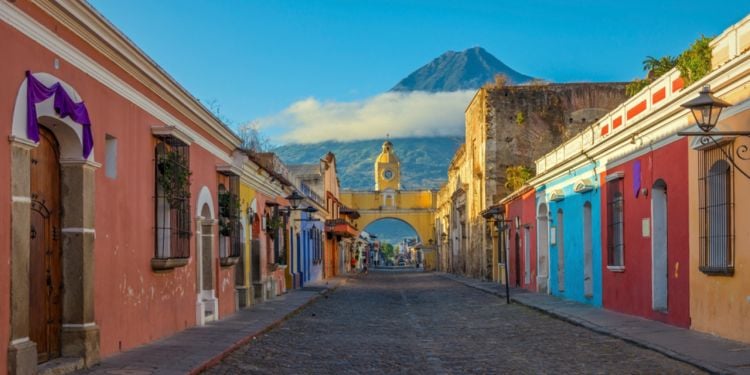
Finding work in Guatemala
Guatemala has a stable economy driven by the primary and tertiary sectors. Although foreigners are only rarely employed in agriculture and industry, ...
Studying in Guatemala
Universities, training courses, student visas, registration procedures: all you need to know about being an international student in Guatemala.
Study in Guatemala
Facing one of the lowest adult literacy rate in Central America, Guatemala's higher education system has many challenges to tackle, and its ...
Understanding Guatemala's Tax System: A Territorial Advantage
Guatemala's tax system operates on a fundamental principle that significantly benefits expats: territorial taxation. Unlike countries that tax worldwide income, Guatemala only taxes income generated within its borders. Your foreign pension, rental income from properties abroad, dividends from foreign companies, or capital gains on overseas assets remain completely untaxed by Guatemalan authorities. This structure makes Guatemala particularly attractive for retirees and investors with international income streams.
Personal income tax structure
The ISR (Impuesto Sobre la Renta) applies to employment income through a progressive system. You'll pay 5% on income from GTQ 0.01 to GTQ 30,000, then 7% on amounts exceeding GTQ 30,000. A standard deduction of GTQ 48,000 annually applies automatically, meaning monthly salaries below GTQ 4,000 generate no income tax liability.
Additional deductions are available for social security contributions (4.83% of gross salary), life insurance premiums, and charitable donations to recognized organizations. These deductions can substantially reduce your taxable base.
Non-resident taxation
If you earn Guatemala-sourced income without being a tax resident, withholding taxes apply automatically. Salaries face a 10% withholding, while dividends are taxed at 5% and interest at 10%. Professional fees and royalties incur a 15% withholding, with other income types taxed at 25%.
Corporate income tax
The standard corporate tax rate sits at 25% of net profits. A 2025 reform proposal suggests increasing this to 28% for companies with revenues exceeding GTQ 100 million, though this hasn't been enacted yet. As with personal taxation, only Guatemala-sourced income is taxable, creating opportunities for international business structures.
VAT and indirect taxes
Guatemala's VAT (IVA - Impuesto al Valor Agregado) applies at a standard 12% rate on most goods and services. Small taxpayer regime businesses benefit from a reduced 5% rate for revenues below GTQ 465,381.25. Essential products including basic foods, medicines, and hygiene items are currently exempt, though reform proposals aim to eliminate these exemptions.
Capital gains taxation
Capital gains on Guatemala-sourced assets are taxed at 10%. However, gains realized on foreign assets aren't taxed in Guatemala, consistent with the territorial principle. This applies to both securities and real estate located outside Guatemalan territory.
Social security contributions
The Guatemalan social security system splits contributions between employer and employee. Employees contribute 4.83% of gross salary, while employers pay 12.67%. These contributions provide basic health coverage and retirement benefits through the IGSS (Instituto Guatemalteco de Seguridad Social).
Tax considerations for US citizens
US citizens must navigate both Guatemalan and US tax obligations. While Guatemala doesn't tax your foreign income, the US taxes worldwide income regardless of residence. You'll file US tax returns annually and report foreign bank accounts exceeding USD 10,000 (FATCA requirements). The Foreign Earned Income Exclusion allows you to exclude up to USD 126,500 (2025 figure) of Guatemala-sourced income from US taxation. Work with a cross-border tax specialist to structure your finances optimally.
Tax planning for Commonwealth citizens
UK, Canadian, Australian, and other Commonwealth citizens should verify their home country's residency rules. Many Commonwealth countries use physical presence tests to determine tax residency. Spending sufficient time outside your home country may allow you to cease being a tax resident there, avoiding double taxation entirely. Professional advice is essential for proper structuring.
Guatemala's territorial tax system, while simpler than worldwide taxation regimes, still requires understanding and compliance. The significant advantage of untaxed foreign income makes proper planning worthwhile, particularly for those with diverse international income sources.


Healthcare in Guatemala: Private Quality at Affordable Prices
Guatemala's healthcare system operates on two distinct levels: a resource-limited public system and a high-quality private sector offering international-standard care at prices well below Western countries. Most expats rely exclusively on private healthcare, where a doctor's visit costs a fraction of what you'd pay in the US, UK, or Australia, and medical tourism is growing rapidly for dental and elective procedures.
Public healthcare system
The public system centers on the IGSS (Instituto Guatemalteco de Seguridad Social), covering employed workers and their families through mandatory contributions. The government is currently investing in infrastructure improvements with a historic program aimed at enhancing medical services for 6.6 million Guatemalans. However, the public system struggles with limited resources, long wait times, and variable quality depending on location.
Expats rarely use public facilities, preferring private providers that deliver faster service and modern equipment. Your mandatory social security contributions (4.83% employee, 12.67% employer) theoretically grant access to public services, but most expats purchase supplementary private insurance.
Private healthcare excellence
Private hospitals in Guatemala City and Antigua rival the best facilities in Central America. Centro Médico and Hospital Privado Hermano Pedro in Antigua, along with Hospital Centro Médico and Hospital Herrera Llerandi in Guatemala City, feature modern equipment and internationally-trained physicians, many of whom speak English.
Costs remain remarkably affordable by international standards. A general practitioner consultation runs GTQ 200-400 (USD 26-52), while specialist appointments cost GTQ 400-800 (USD 52-103). Medications are significantly cheaper, though verify provenance and expiration dates carefully.
International and local health insurance
Several insurance options suit different expat profiles. International policies from providers like IMG, Cigna Global, or Allianz Worldwide Care offer comprehensive coverage including medical evacuations and repatriation, with networks spanning Central America. Monthly premiums typically range from USD 100-300 depending on age, medical history, and coverage level.
Local insurance companies including Seguros G&T, Seguros Universales, and El Roble provide more economical alternatives, with monthly premiums between USD 50-150. These policies cover care at Guatemalan private facilities but generally exclude international evacuations.
Many expats choose high-deductible international policies for catastrophic coverage while paying out-of-pocket for routine care, which remains affordable. A typical strategy involves maintaining a USD 5,000-10,000 deductible plan for emergencies while self-funding regular appointments and prescriptions.
Dental and vision care
Guatemala has become a dental tourism destination thanks to exceptional quality and competitive pricing. A root canal costs approximately GTQ 1,200 (USD 155), while dental implants run GTQ 4,000-6,000 (USD 517-775)—a fraction of US, UK, or Australian prices. Ophthalmology services follow similar patterns, with cataract surgery and vision correction procedures available at accessible rates.
Pharmacies and medications
Pharmacies are ubiquitous in urban areas. Major chains like Farmacia Cruz Verde and Farmacia Galeno stock a wide range of medications, many available without prescriptions. Counterfeit medications do circulate, so purchase from reputable establishments only. Many prescription drugs from Western countries are available under different brand names at significantly lower costs.
Medical evacuation considerations
While Guatemala City hospitals handle most medical situations competently, serious trauma or highly specialized conditions may require evacuation to the US or another country with advanced facilities. International insurance policies typically include evacuation coverage, a valuable benefit for peace of mind. Air ambulance evacuation to Miami runs approximately USD 20,000-30,000, making evacuation insurance worthwhile for those with pre-existing conditions or higher health risks.
Healthcare in Guatemala requires a proactive approach: secure appropriate insurance, identify quality facilities in your area, and budget for out-of-pocket expenses even with coverage. The combination of affordable private care and optional comprehensive insurance creates a flexible system that works well for most expats.

The healthcare system in Guatemala
Guatemala's public health system benefits from a well-established legal framework, a long-standing institutional history, and dedicated and ...
Education Options: Schooling Your Children in Guatemala
Choosing the right education for your children in Guatemala means deciding between local immersion and international curricula. The country offers several high-quality international schools, primarily in Guatemala City and Antigua, while the local system provides cultural integration for families planning long-term stays. Your choice depends on your length of stay, budget, and educational priorities.
The Guatemalan school system
Public education in Guatemala is free but faces challenges including limited resources and significant quality differences between urban and rural areas. The system divides into primary (6 years), basic secondary (3 years), and diversified secondary (2-3 years depending on specialization). Instruction occurs entirely in Spanish, with English classes beginning in secondary school.
Private local schools, more common in urban areas, provide better facilities and instruction for moderate fees ranging from USD 500-1,500 per trimester. These represent a middle ground for families seeking Spanish immersion while ensuring adequate educational standards.
International schools
Guatemala City and Antigua host the country's international schools, offering curricula from various systems (American, British, International) with instruction in English or bilingual Spanish-English formats, modern facilities, and programs aligned with international standards.
The American School of Guatemala (CAG), founded in 1945, leads American-system education. It serves students from pre-kindergarten through high school, offering both the US high school diploma and IB (International Baccalaureate) program. Annual tuition ranges from USD 7,500 for kindergarten to USD 14,000 for high school, plus approximately USD 2,000 in registration fees.
Colegio Maya offers bilingual Spanish-English programming particularly valued by families wanting to maintain strong connections to local culture while ensuring high English proficiency. The school emphasizes Guatemalan values and Maya identity while delivering international-quality education. Tuition runs slightly below CAG rates.
Colegio Interamericano also provides bilingual education preparing students for both Guatemalan and international diplomas. It balances academic rigor with cultural integration at mid-range tuition levels. LIFE School Guatemala, a newer institution, takes an innovative pedagogical approach focused on 21st-century skills and personal development, with English-language instruction.
Bilingual and alternative schools
Several institutions offer Spanish-English bilingual programs without following strict international curricula, providing a quality-cost compromise. Tuition at these schools typically ranges from USD 3,000-7,000 annually, making them more accessible than major international schools while maintaining solid educational standards.
Antigua hosts smaller schools offering alternative pedagogical approaches (Montessori, Waldorf) for families seeking specific educational methods. These schools attract diverse international communities and maintain small class sizes enabling personalized attention.
Extracurricular activities and services
International schools generally offer extensive extracurricular activities: sports (soccer, basketball, swimming), arts (music, theater, visual arts), academic clubs, and educational excursions. Some activities are included in tuition, others require separate fees. Most schools provide bus transportation for an additional monthly fee of USD 100-200.
Meal services vary by school. Some operate cafeterias offering balanced menus for approximately USD 3-5 per meal, while others expect students to bring lunches from home.
Practical considerations
International school enrollment requires advance planning, with popular institutions reaching capacity months ahead, particularly for sought-after grade levels. New students typically undergo assessment processes including academic testing and interviews. Waiting lists exist for the most reputable schools.
The Guatemalan school year generally runs from January to October, with vacations in July-August and shorter breaks in April (Holy Week) and December. This calendar differs significantly from Northern Hemisphere schedules, a factor to consider when planning family visits or temporary returns to your home country.
Finding Your Home: Rental and Real Estate Options
Guatemala's housing market offers diverse options from modern apartments in gated communities to restored colonial houses and lakeside bungalows. Prices vary dramatically by location and amenities but remain generally affordable compared to Western standards. Understanding each area's characteristics helps you make the right choice for your lifestyle and budget.
Types of available housing
Gated community apartments represent the most popular choice among expats in Guatemala City. These complexes provide 24/7 security, parking, often pools and gyms, plus maintenance services. In Guatemala City's Zones 10, 14, or 15—the areas most favored by expats—expect to pay USD 400-1,000 monthly for a one-bedroom apartment.
Standalone houses with gardens are found primarily in the capital's residential suburbs or medium-sized towns. In Antigua, a 2-3 bedroom colonial house rents for USD 800-1,500 monthly. These properties offer more space and character but often require additional maintenance and may necessitate private security arrangements.
Studios and small apartments in tourist areas like Antigua or around Lake Atitlán offer very affordable rents of USD 200-400 monthly, perfect for digital nomads or retirees seeking simplicity. These accommodations often come furnished and include utilities, facilitating quick setup.
Prime residential areas
In Guatemala City, expat-preferred zones are clearly defined. Zone 10 concentrates upscale shopping, international restaurants, and private medical centers. A one-bedroom apartment costs approximately USD 667 monthly, while a three-bedroom reaches USD 1,200. Zone 14 offers a more residential environment at slightly lower costs, with numerous green spaces and good connectivity. Zones 15 and 16 (Carretera a El Salvador) attract families thanks to proximity to international schools and their residential character.
Antigua, the quintessential colonial town, sees prices vary by proximity to the historic center. A downtown apartment runs USD 400-600, while Antigua's outskirts offer more spacious rentals for USD 300-500. Security is excellent, and the established expat community eases integration.
Lake Atitlán particularly appeals to digital nomads and retirees seeking tranquility and natural beauty. Villages like San Pedro, San Marcos, Panajachel, and Santa Cruz offer housing between USD 150-400 monthly, often with lake and volcano views. The atmosphere is relaxed and multicultural, though services and infrastructure remain more limited than in Guatemala City or Antigua.
Rental procedures
Guatemalan rentals typically operate on one-year leases, though shorter arrangements are possible, particularly in tourist areas. Landlords usually require a security deposit equal to one or two months' rent plus one month's advance payment. Some landlords request references or proof of income, especially for premium properties.
Utilities (electricity, water, internet) generally aren't included in rent and vary by consumption. Budget USD 50-150 monthly for a standard apartment. Fiber optic internet costs approximately USD 30-50 monthly in well-served areas. Bottled drinking water, essential in Guatemala, represents a monthly budget of about USD 20-30 per person.
Purchasing property
Foreigners can legally purchase property in Guatemala without major restrictions. Prices per square meter remain attractive: in Guatemala City, expect USD 1,000-2,000/m² in desirable zones, while in Antigua, a restored colonial house sells for USD 150,000-400,000 depending on size and location.
The purchase process requires a notary and meticulous title verification, as some rural areas have complex land tenure situations. Strongly recommended: hire a specialized real estate attorney and obtain title insurance. Notary and registration fees represent approximately 3-5% of purchase price.
Practical tips
Always visit properties in person before signing leases and verify the condition of installations (plumbing, electricity, security). Discuss maintenance and repair responsibilities clearly. In residential buildings, inquire about homeowner association fees and included services. Prioritize neighborhoods recommended by other expats and consult online groups for experience-based feedback before committing.
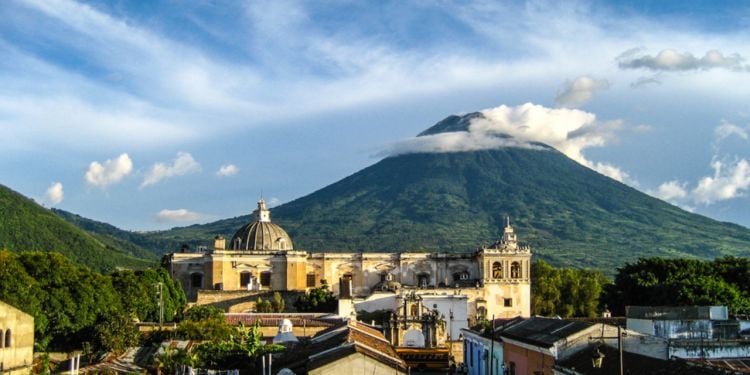
Accommodation in Guatemala
Guatemala being a country of stark contrasts, the choice of a place to live deserves careful thinking. The accommodation in Guatemala is plentiful, ...
Planning Your Move: Complete Relocation Checklist
Relocating to Guatemala involves careful planning and organization. Between administrative formalities, transporting your belongings, and adapting to a new context, each step matters for ensuring a smooth transition. This comprehensive guide walks you through the preparation process and helps you avoid common international moving pitfalls.
Pre-departure checklist
- Document verification (3-6 months before): Ensure your passport remains valid for at least 6 months beyond your planned arrival date. Begin visa or residence procedures if necessary. Have all official documents you might need apostilled (birth certificates, diplomas, criminal background checks).
- Medical consultation (2-3 months before): Complete a comprehensive health checkup and update vaccinations. Request your medical records and prescriptions for regular medications, with Spanish translations if possible.
- International health insurance (2 months before): Compare offerings and select coverage appropriate to your needs. Check waiting periods and potential exclusions.
- Organizing transport of belongings (2-3 months before): Decide what you'll bring, sell, donate, or store. Obtain multiple quotes from international moving companies specializing in Central American destinations. A 20-foot maritime container typically costs USD 2,000-4,000 depending on departure port.
- Contract cancellations (1-2 months before): Notify your employer respecting notice periods. Cancel lease, subscriptions (electricity, internet, phone), local insurance, and memberships. Arrange transfer or closure of bank accounts according to your needs.
- Tax authority notification (1 month before): Inform tax services of your residence change. Verify implications for your pension and social security rights.
- Financial preparation (1 month before): Open an international bank account allowing fee-free foreign withdrawals. Notify your bank of departure to prevent card blocking. Convert some savings to US dollars, widely accepted in Guatemala.
- Initial accommodation booking (1 month before): Even without knowing your ideal neighborhood, book temporary accommodation (Airbnb, hotel, short-term rental) for your first weeks. This allows unhurried local searching.
- Spanish language learning (as soon as possible): If you don't speak Spanish yet, begin learning now. Even basic proficiency will significantly ease your arrival and administrative procedures.
- Emergency fund establishment (before departure): Set aside reserves equivalent to at least 3 months' expenses to handle unexpected costs and initial investments (security deposit, furniture, various installations).
Shipping options for your belongings
Sea freight remains the most economical option for large volumes, with 4-8 week transit times depending on your departure port. Air freight, faster (5-10 days), costs 3-5 times more and suits emergencies or small volumes best. International postal services via UPS or DHL work well for documents and small packages, with 3-7 day delivery times.
Many expats choose to travel light and purchase furniture and appliances locally, readily available in Guatemala City and Antigua at reasonable prices. This approach dramatically reduces moving costs and complications.
Customs formalities
Guatemala permits duty-free import of personal belongings for new residents. You'll need to provide a detailed Spanish-language inventory, a copy of your visa or residence permit, and your passport. Customs authorities may inspect your container or packages. Avoid importing prohibited or regulated items (weapons, certain foods, large quantities of medications) without prior authorization.
First weeks on the ground
Once arrived, focus on essentials: finding permanent housing, opening a local bank account, obtaining a Guatemalan phone line, and familiarizing yourself with your neighborhood. Join online and offline expat groups to benefit from practical advice and build your social network. Take time to discover nearby shops, markets, restaurants, and services that will facilitate your daily life.
Remember that adaptation takes time. Allow yourself several months to find your bearings, understand local cultural codes, and establish your routine. Patience and open-mindedness will be your best allies in this transition to your new Guatemalan life.

Relocating to Guatemala
Bringing your personal belongings as well as your furry or feathery friends to Guatemala is a key part of your expatriation project. Entry ...
Culture and Adventure: Experiencing Guatemala's Rich Heritage
Guatemala delivers exceptional diversity in cultural, outdoor, and tourism activities that ensure stimulating daily life for expats. From millennia-old Maya ruins to active volcanoes, colorful markets to nature reserves, the country provides endless opportunities for adventure and cultural discovery. This wealth of heritage and natural beauty ranks among the primary reasons expats choose to settle here permanently.
Archaeological sites and cultural heritage
The Tikal archaeological site, a UNESCO World Heritage location, represents one of the most impressive Maya civilization remnants. Lost deep in the Petén jungle, this temple and pyramid complex spans 16 km² and can be visited on day trips or as part of longer stays including jungle nights. Climbing Temple IV at sunrise delivers an unforgettable experience, with howler monkey calls echoing among the ruins.
Antigua, the former colonial capital, functions as an open-air museum with baroque churches, ruined convents, and cobblestone streets lined with colorful facades. The city houses numerous museums, art galleries, and artisan workshops, particularly renowned for traditional textiles and jade objects. Holy Week processions, among Latin America's most spectacular, attract thousands of visitors annually.
Yaxhá, less crowded than Tikal but equally fascinating, allows exploration of Maya structures in a more intimate atmosphere. Quiriguá, known for monumental carved stelae, and Iximché, former capital of the Kaqchikel kingdom, complete the panorama of major archaeological sites.
Volcanoes and outdoor activities
Climbing Pacaya volcano, located just 90 minutes from Guatemala City, constitutes the most popular excursion among expats and visitors. This active volcano allows observation of lava flows (depending on activity periods) and offers spectacular views across the Guatemalan highlands. The excursion typically completes in half a day and requires no particular fitness level.
Acatenango volcano presents a more demanding two-day trek with overnight high-altitude camping, rewarded by stunning views of neighboring Fuego volcano, whose regular eruptions illuminate the night sky. This experience ranks among Guatemala's most memorable offerings.
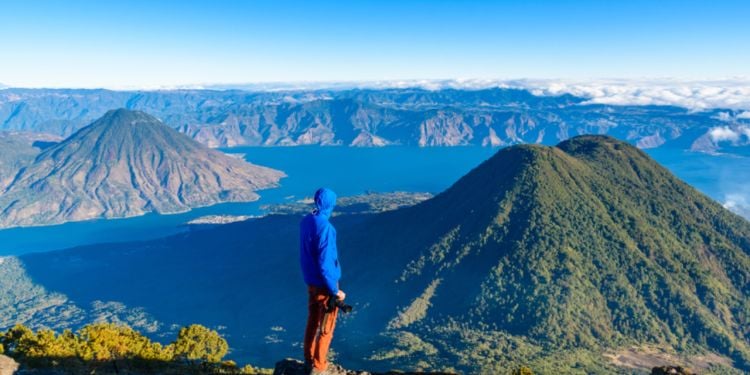
The Lake Atitlán area offers numerous hiking trails connecting the Maya villages dotting its shores. San Pedro volcano (3,020m) can be summited in 3-4 hours and provides panoramic views over the lake and surrounding volcanoes. Water activities (kayaking, stand-up paddleboarding, sailing) are also popular on this lake considered among the world's most beautiful.
Traditional markets and handicrafts
The Chichicastenango market, held Thursdays and Sundays, constitutes one of Central America's largest and most colorful indigenous markets. Stalls overflow with Maya textiles featuring complex geometric patterns, ceremonial masks, pottery, and handicrafts. Santo Tomás church, where Catholic and Maya rituals blend, demonstrates the religious syncretism characteristic of Guatemala.
Santiago Atitlán village, on the eponymous lake's shore, perpetuates ancestral traditions and hosts worship of Maximón, a unique Guatemalan syncretic religious figure. Visitors can attend ceremonies and discover weaving cooperatives maintaining traditional techniques alive.
Nature reserves and wildlife observation
Semuc Champey National Park, in the mountainous Alta Verapaz region, offers tiered natural turquoise pools amid jungle, creating a fairytale landscape. Access requires 4x4 travel on difficult tracks, but the spectacle proves well worth the effort.
The Maya Biosphere Reserve, in Petén, protects one of Central America's largest tropical forests and shelters jaguars, tapirs, howler monkeys, and over 400 bird species. Wildlife and flora observation tours are organized by local guides.
The Río Dulce region combines lush jungle, hot springs, and a Caribbean Sea outlet. Boat excursions allow exploration of the river canyon and visits to the colonial San Felipe de Lara fort.
Urban cultural life
Guatemala City offers a dynamic cultural scene with the National Museum of Archaeology and Ethnology, housing the country's most important Maya artifact collection, and the Popol Vuh Museum, dedicated to pre-Columbian and colonial art. Zone 4 concentrates contemporary art galleries, theaters, and concert halls.
Festivals punctuate the Guatemalan year: the Festival de Barriletes Gigantes (giant kites) in Sumpango on November 1st, Holy Week processions in Antigua, independence festivities in September, or the Quema del Diablo (burning of the devil) celebrations on December 7th, marking the beginning of Christmas festivities.
This cultural and natural wealth guarantees expats a stimulating living environment where opportunities for discovery and adventure never run short. Whether you prefer culture, nature, sports, or relaxation, Guatemala satisfies your leisure desires year-round.
Everyday life in Guatemala
Want to know what life in Guatemala is really like? Here's a taste: explore the country, find tips to use transportation, to set up internet and phone services, and everything you need to live like a local.
Travelling around Guatemala
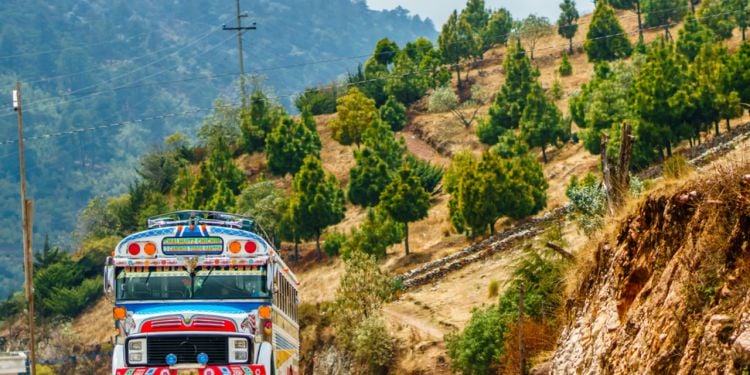
Without passenger trains running on the national railways, air and road transport are the main means of transportation available to get around ...

Phones and internet in Guatemala
Guatemala enjoys extensive and modern telecommunications networks, encompassing cellular and land lines, broadband internet and cable TV. Still, ...

Childcare and family activities in Guatemala
Guatemalans tend to have large families, especially in rural areas, so your children will not lack company, and moving there as a family can even ...
Cost of Living: Monthly Budget Breakdown
Guatemala stands out for its notably affordable cost of living, approximately 39.5% lower than Germany according to recent data. This significant difference allows expats to maintain a comfortable lifestyle on a reasonable monthly budget, whether retirees, remote workers, or entrepreneurs. Primary expense categories include housing, food, transportation, and healthcare, with substantial variations depending on city and chosen lifestyle. The data presented below comes from Numbeo and reflects August 2025 conditions.
Single person budget
A single person living in Guatemala can maintain a comfortable standard of living on a monthly budget ranging from USD 500 to USD 1,200 depending on housing type and lifestyle. Tourist areas like Antigua or Lake Atitlán villages allow living on approximately USD 700-900 monthly, while Guatemala City in residential neighborhoods requires a more substantial budget of USD 1,000-1,500 monthly.
Expense category | Monthly amount |
Rent 1-bedroom apartment (city center) | USD 667 |
Rent 1-bedroom apartment (outside center) | USD 428 |
Utilities (electricity, water, internet) | USD 90-120 |
Food (groceries + occasional dining out) | USD 200-300 |
Transportation (fuel or public transit) | USD 50-80 |
Phone and internet | USD 40-60 |
Private health insurance | USD 50-150 |
Entertainment and leisure | USD 100-200 |
Total monthly | USD 1,197-1,987 |
Source: Numbeo Guatemala (August 2025)
Family of four budget
A family with two children can live comfortably in Guatemala on a monthly budget between USD 2,000 and USD 3,500, depending on desired comfort level and school type chosen for children. International school tuition represents the most significant budget item for families, potentially reaching USD 1,200-2,500 monthly for two children.
Expense category | Monthly amount |
Rent 3-bedroom apartment/house (residential area) | USD 1,000-1,500 |
Utilities (electricity, water, internet, gas) | USD 150-200 |
Food (family groceries) | USD 400-600 |
School tuition (2 children, international school) | USD 1,200-2,500 |
School transportation (2 children) | USD 200-400 |
Vehicle (fuel, maintenance, insurance) | USD 200-300 |
Health insurance (family of 4) | USD 200-400 |
Extracurricular activities and entertainment | USD 200-300 |
Total monthly | USD 3,550-6,200 |
Source: Numbeo Guatemala (August 2025)
Detailed common prices
To provide a clearer picture of daily living costs, here are some reference prices. A meal at an inexpensive restaurant costs approximately USD 7, while dinner for two at a mid-range restaurant runs about USD 30. A cappuccino at expat-frequented establishments costs USD 3.
Basic food products remain very affordable: a liter of milk costs USD 1.10, a dozen eggs USD 2.50, a kilogram of chicken USD 5, and a kilogram of rice USD 1.20. Fruits and vegetables at local markets are particularly cheap, with prices potentially two to three times lower than Western supermarkets.
Gasoline sells for around USD 1.20 per liter, making car travel relatively economical. A monthly public transportation pass in Guatemala City costs approximately USD 40, though most expats prefer services like Uber for comfort and security reasons.
Personal services also display attractive rates: a haircut at a standard salon costs USD 8, a cinema ticket USD 7, and a monthly gym membership USD 40.
City-by-city variations
Living costs vary noticeably depending on your residence location. Guatemala City, as the capital, displays the highest prices, particularly in residential zones favored by expats (Zones 10, 14, 15). Antigua presents slightly lower housing costs but similar prices for food and services due to its tourist popularity.
Lake Atitlán villages and Quetzaltenango (Xela) offer the best value, with rents potentially half those of Guatemala City and more affordable food prices at local markets. However, access to specialized services and international infrastructure is more limited there.
In conclusion, Guatemala allows comfortable living on a monthly budget between USD 1,000-1,500 for a single person, and between USD 2,500-4,000 for a family, depending on desired comfort level and lifestyle choices. This financial accessibility, combined with the quality of life the country offers, largely explains its growing attractiveness among expats worldwide.
In Brief
Guatemala emerges as a particularly attractive expatriation destination for those seeking affordable living costs, an advantageous territorial tax system, and exceptional cultural wealth. Between Guatemala City's professional opportunities, Antigua's colonial charm, and Lake Atitlán's tranquility, the country offers varied options suited to all expat profiles.
Administrative procedures, while sometimes lengthy, remain accessible with proper guidance. The private healthcare system provides quality care at reasonable rates, and international schools guarantee world-class education for your children. The active, welcoming expat community greatly facilitates integration and experience sharing.
Considering making the move? Join the Expat.com Guatemala community to connect with already-established expats, ask questions, and benefit from practical advice. The forum brings together hundreds of members ready to share their experience and support you in your plan to settle in the Land of Eternal Spring.
We do our best to provide accurate and up to date information. However, if you have noticed any inaccuracies in this content, please contact us.


Essential services for your expat journey



