San José punches well above its weight as a sports city. Sitting at the heart of the Central Valley, it benefits from a mild climate that keeps outdoor activity going year-round, a deeply rooted football culture, and a fast-growing wellness scene that has embraced everything from padel to trail running. Whether you are arriving with a weekly five-a-side habit, a gym routine you are not willing to drop, or kids who need a football academy, you will find solid options here.
Sports culture in San José, Costa Rica
Sports in San José are inseparable from the broader "Pura Vida" mindset that shapes daily life across Costa Rica. That philosophy, built around community, wellness, and an easy relationship with the outdoors, translates directly into how residents move, play, and socialize. The city's Central Valley location delivers an average temperature of around 24°C year-round, which means there is no off-season. People run, cycle, and play football on any given Tuesday with the same energy they bring to a weekend tournament.
Fútbol sits at the center of it all. The sport is not merely entertainment here; it is a shared language that cuts across neighborhoods, income levels, and generations. The national team, universally known as "La Sele," commands the kind of devotion that brings the entire country to a standstill on match days. Beyond football, newer fitness trends have taken hold with remarkable speed. Padel and pickleball have moved from niche curiosities to mainstream activities in a very short time, driven largely by the expanding expatriate community but increasingly adopted by locals as well. Yoga, group hiking, and organized outdoor retreats have also become regular fixtures in the weekly routines of many expats living in the metropolitan area, blending sport with the kind of nature access that makes San José genuinely distinctive.
Major spectator sports in San José
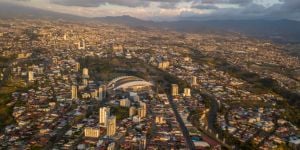
For anyone arriving in San José with an interest in watching live sport, the starting point is always football. The Estadio Nacional, positioned within La Sabana Metropolitan Park in the heart of the city, holds over 35,000 spectators and comes alive most intensely during La Sele matches, particularly during FIFA World Cup qualifying campaigns. The atmosphere is notably welcoming compared to many European stadiums, with a relaxed, family-friendly energy that makes attending a match a straightforward and enjoyable experience even for first-time visitors. Tickets for major international fixtures are generally available online.
Domestic club football also commands serious passion. The rivalry between Deportivo Saprissa, based in Tibás within the San José metropolitan area, and Liga Deportiva Alajuelense from nearby Alajuela is one of the most storied in Central American football. A Saprissa home match at the Estadio Ricardo Saprissa is a worthwhile cultural experience for any new arrival.
For North American expats, American football viewing is well catered to. Sports bars concentrated in the western suburbs of Escazú and Santa Ana, both of which have large expat populations, regularly host NFL and college football viewing parties with game-day food and drink specials, according to local expat reporting on the subject.
Team sports in San José
Joining a team in San José is more straightforward than in many other expat destinations, largely because the infrastructure for casual play is so widespread. Canchas sintéticas, the synthetic turf pitches found across the metropolitan area, can be rented by the hour and are the default setting for amateur football throughout the city. These five-a-side venues operate most evenings and weekends, and it is common for mixed groups of locals and expats to share a pitch with minimal formality.
Finding teammates is primarily a social media exercise. Local Facebook groups dedicated to expat life in San José and networking communities for internationals in Costa Rica organize regular casual football meetups, basketball sessions, and other recreational sports throughout the week. These groups are an effective first step for anyone who has just arrived and wants to build a sporting social life quickly.
Beyond football, small amateur American football leagues operate in the San José area, organized largely by North American expats who want to stay connected to the sport. Basketball and volleyball are played recreationally at community centers and private gyms across the Central Valley, providing additional options for those whose interests lie outside football.
Gyms and fitness in San José
San José has a well-developed gym scene that covers the full range from budget chains to boutique studios. The average monthly gym membership in the city's business districts runs to around CRC 35,256 (USD 65), which is a reasonable benchmark for mid-range facilities.
The most accessible entry point for many expats is Smart Fit, a regional chain with locations across San José, including Tibás, San Pedro, and Rohrmoser. Membership plans start at USD 37.99 for the basic "Fit" tier and USD 40.99 for the premium "Black" plan. These prices are subject to change, so it is advisable to check directly with the venue before signing up.
At the higher end of the market, boutique fitness is growing steadily. Orangetheory Fitness operates studios in San José, offering heart-rate-monitored group training sessions for those who prefer a more structured, coached environment. For one-on-one work, personal training sessions typically range from CRC 6,000 to CRC 27,000 or more per hour (roughly USD 11 to USD 50), depending on the trainer's experience and the facility.
Running and cycling in San José
Parque Metropolitano La Sabana is the undisputed center of urban running in San José. Known as the lungs of the city, the park features paved pathways and a highly popular 10K grass loop that draws runners at every level, from early-morning joggers to serious athletes in structured training. The park's central location and open green space make it the most practical and enjoyable running route available to city residents.
San José also hosts the BCR San José Marathon, one of the country's major annual road races. The event starts from Central Park and offers distances of 5K, 10K, 21K, and 42K, making it accessible to runners at all levels. Entry fees for the full marathon are around USD 59, with the 5K priced at roughly USD 29.
Urban cycling in downtown San José is challenging. Traffic congestion and narrow streets make the city center difficult to navigate by bike safely. However, dedicated cyclists regularly head to the surrounding mountains in Escazú or to routes near the Poás Volcano, where the terrain is more manageable and the scenery considerably more rewarding. These mountain routes also attract trail runners looking to go beyond the park circuit.
Swimming in San José
San José is not a city with an abundant supply of public swimming pools. Standalone municipal aquatic facilities are uncommon, and most residents rely on private options to swim regularly. For expats living in residential condominium complexes in areas like Escazú, Santa Ana, or Curridabat, access to a pool is often included as part of the building's amenities, making it a practical consideration when choosing where to live, as local property specialists note.
For structured lap swimming or aquatic lessons, the most reliable option is joining a private club or a premium fitness center. The Costa Rica Tennis Club in Sabana Sur is one of the better-known venues that combines pool access with broader sports facilities. Members gain access to a full range of amenities under one membership, though entry to these clubs requires a formal application process.
Racquet sports in San José
Padel has become one of the fastest-growing sports in San José, and the city now has a genuinely active scene with dedicated clubs, regular tournaments, and a growing base of players drawn from both the local and expat communities. In 2025, the Volea Padel Club in Escazú hosted the Need4Padel Fest, the largest padel tournament in Costa Rica's history, which gives a clear indication of how seriously the sport is now taken here.
The Costa Rica Tennis Club, located in Sabana Sur, is one of the most established racquet sports venues in the country. The club refers to itself as "La Catedral del Pádel" and offers three dedicated padel courts, two indoor and one outdoor, alongside weekly tournaments and private lessons. It represents a strong option for expats who want structured play and coaching in a high-quality environment.
For more casual bookings, the Playtomic app has become the standard tool for reserving padel courts at venues like Padel Zone in Guachipelín. The app makes it easy to find available slots at short notice, which is particularly useful for expats still building a regular playing group. Pickleball is also rapidly gaining ground, particularly among North American expats in the western suburbs of Escazú and Santa Ana, where informal games and organized sessions are increasingly common.
Outdoor sports in San José
San José's position at the center of the Central Valley makes it an excellent base for outdoor adventure sports. The city itself is surrounded by mountains, and within a short drive, the landscape shifts dramatically, offering everything from cloud forests to volcanic craters. Hiking is among the most popular activities for both locals and expats, with trails in the Escazú mountains accessible in under an hour from most parts of the city. For those willing to travel a bit further, the craters of Irazú Volcano and the slopes around Arenal make for compelling weekend destinations.
White-water rafting on the Sarapiquí River is another popular option, accessible within a few hours of San José and suitable for a full-day excursion. For those drawn to the coast, the Pacific is considerably closer than many expats initially expect: the beach town of Jacó sits roughly 1.5 to 2 hours from the city by road, making surfing a genuine day-trip option rather than a distant weekend getaway. This combination of mountains, forests, and accessible coastline gives San José a range of outdoor activity options that few similarly sized cities can match.
Sports for kids in San José
Families moving to San José will find a solid range of youth sports programs, with football academies at the top of the list. The Liga Deportiva Alajuelense Academy offers structured training pathways for children in the greater metropolitan area, providing a high-quality environment for young players at various stages of development. For many expat families, enrolling a child in a football academy is also one of the most effective ways to build local friendships quickly.
During school holidays, sports camps organized by local centers and expat-friendly organizations run programs that combine outdoor activities, physical sport, and educational elements. These are practical for working parents who need supervised, engaging activities during vacation periods.
Beyond football, the options for children are expanding. Gymnastics is growing through institutions like the Gimnasio Nacional de Gimnasia, and a range of martial arts and dance academies operate specifically in the Escazú area. These tend to cater well to international families, and English is often spoken by instructors at clubs that have experience with expat children. Costs and registration requirements vary by program, so contacting venues directly is the best approach to get accurate, up-to-date information.
Sports facilities in San José
The flagship venue for sport in San José is the Estadio Nacional de Costa Rica, located inside La Sabana Metropolitan Park. With a capacity of over 35,000, it hosts major football matches, athletics events, and occasional concerts, functioning as the country's primary multipurpose sports arena. Its position inside the park, which is also the city's main running and recreational green space, makes the surrounding area a natural hub for sport at every level.
For members, elite private clubs like the Costa Rica Tennis Club bring together tennis, padel, swimming, and gym access under one roof. These clubs require a formal membership and are a significant investment, but they offer a comprehensive sporting environment that suits expats who want consistent access to multiple facilities in one location.
For more casual needs, the network of canchas sintéticas scattered across the city provides the most accessible and affordable option for team sports. These privately owned artificial turf fields can typically be booked by the hour through WhatsApp or a phone call, making them the practical backbone of amateur sport in San José for anyone who simply wants to show up and play.
Frequently asked questions about sports in San José
What is the most popular sport in Costa Rica?
Soccer, or fútbol, sits at the heart of Costa Rican sports culture. The national team, "La Sele," commands passionate support across the country, and casual five-a-side matches on synthetic pitches are a daily fixture throughout San José. The sport works as a social entry point for expats as much as a competitive one.
Where can expats watch American football games in San José?
Sports bars in expat-heavy western suburbs like Escazú and Santa Ana regularly broadcast NFL and college football games during the season, often with game-day food specials and a reliable crowd of fellow fans. Some downtown venues also show major games, so it is worth asking around in expat Facebook groups for current recommendations.
How much does a gym membership cost in San José?
The average monthly cost for a gym membership in San José's business districts is around CRC 35,256 (USD 65), according to Expatistan. Budget-friendly options like Smart Fit bring that cost down significantly, with plans starting at USD 37.99 per month according to the Smart Fit Costa Rica website. Prices are subject to change.
Are there good places to run in downtown San José?
Parque Metropolitano La Sabana is the best urban running spot in the city, featuring a popular 10K grass loop and well-maintained paved pathways. It is safe, well-lit in key areas, and used by a large community of regular runners, making it easy to find company or simply enjoy the green space on your own.
Can I easily find padel courts in San José?
Padel courts are now widely available across the city, particularly in Escazú, Santa Ana, and Curridabat. The Playtomic app is the most practical way to check availability and book a court at short notice at venues like Padel Zone in Guachipelín. Clubs like the Costa Rica Tennis Club also offer structured play and lessons.
Does San José have public swimming pools?
Standalone municipal pools are rare in San José. Most expats swim through access to private residential condominium pools, which are common in upscale suburban neighborhoods, or by joining a private club or premium fitness center with aquatic facilities. It is worth factoring pool access into your housing search if swimming is a priority.
How can I find amateur sports teams to join as an expat?
Local Facebook groups and expat networking communities are the most effective starting points. These groups organize casual football matches, basketball sessions, and other recreational sports throughout the week. Showing up consistently at a cancha sintética in your neighborhood is another reliable way to get picked up by a regular group.
Is there a major marathon in San José?
The BCR San José Marathon is the city's main annual road race, offering distances from 5K to the full 42K starting from Central Park. Entry fees for the full marathon are around USD 59, with the 5K priced at roughly USD 29.
Are you settling into life in San José and looking to find your sporting community? Join Expat.com to connect with expats who have already navigated the local gym scene, football leagues, and outdoor trails firsthand.
We do our best to provide accurate and up to date information. However, if you have noticed any inaccuracies in this article, please let us know in the comments section below.