

Living in San Jose: the ultimate expat guide
Everything you need to know for a successful life in San Jose.
San José, the capital of Costa Rica, sits in the heart of the Central Valley at an elevation of 3,800 feet (1,160 meters), surrounded by lush mountains and active volcanoes. Home to approximately 2.2 million people in the metropolitan area, the city serves as the country's economic, political, and cultural hub. With its spring-like climate year-round, temperatures averaging between 60°F and 80°F (15°C to 27°C), San José offers a comfortable lifestyle that attracts expats from around the world.
Why Choose San José?
The city combines modern amenities with easy access to Costa Rica's famous natural wonders. From world-class healthcare to a stable democracy and a welcoming expat community, San José provides an ideal base for those seeking the renowned "Pura Vida" lifestyle.
5 Good Reasons to Move to San José
- Affordable healthcare – Access to both public (Caja) and private medical facilities at a fraction of North American costs.
- Strategic location – 20 minutes from Juan Santamaría International Airport with direct flights to major cities worldwide.
- Year-round pleasant climate – No extreme temperatures, no heating or cooling costs required.
- Strong expat community – Over 500,000 expats call Costa Rica home, many concentrated in the San José area.
- Lower cost of living – Approximately 37% cheaper than the United States overall, with rent 51% lower on average.
Working in San José: Opportunities in a Growing Economy
San José has transformed from an agrarian economy into a thriving hub for technology, shared services, and advanced manufacturing. The city accounted for over 60% of Costa Rica's foreign direct investment in 2024, with the IT sector projected to grow by 55% between 2023 and 2028. For expats seeking employment, understanding the job market and work permit requirements is essential.
Key Employment Sectors
The services sector dominates employment at approximately 67%, followed by industry (21%) and agriculture (13%). Major multinational companies including Intel, Amazon, Microsoft, and Cisco have established operations in San José and the nearby city of Heredia. The shared services sector particularly values bilingual professionals in customer service, IT, finance, and accounting.
Work Permits and Salaries
Foreign nationals require a work permit to be employed legally in Costa Rica. The most common pathway is through employer sponsorship or obtaining permanent residency after three years of temporary residency. Digital nomads can apply for the Digital Nomad Visa, which requires proof of USD 3,000 monthly income (USD 4,000 for families) and allows remote work for international clients.
Average Monthly Salary (University Graduate) | USD 1,523 |
Minimum Wage (Unskilled Workers) | USD 687/month |
Employment Rate (Central Region) | 59.3% |
GDP Growth (2024) | 4.3% |
Sources: OECD Regional Database 2024, Costa Rica Ministry of Labor 2024
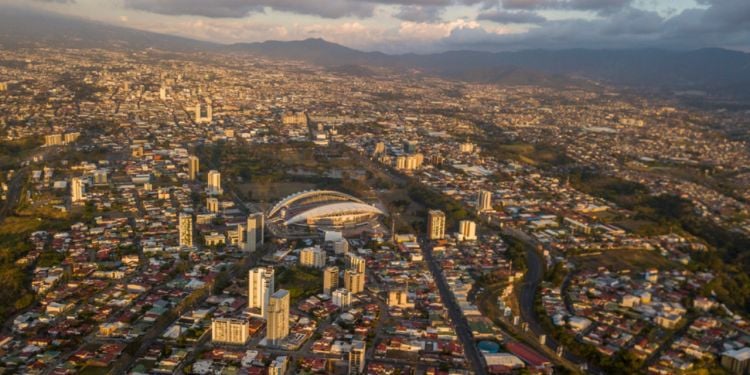
Working in San Jose
San Jose sits at the center of Costa Rica's economy, and its job market reflects a city that has moved well beyond its agricultural roots. Today, ...
Higher Education: Universities and International Programs
San José hosts Costa Rica's most prestigious universities, offering programs in both Spanish and English. The city's educational institutions attract international students seeking quality education in a tropical setting, with tuition fees significantly lower than in North America or Europe.
Public Universities
The University of Costa Rica (UCR), founded in 1843, is the country's oldest and largest institution with approximately 40,000 students. Located in the San Pedro district, UCR is a leading research institution with over 25 research units. The National University (UNA) in nearby Heredia specializes in life sciences and offers programs for international students.
Private Universities and International Options
For English-language instruction, ULACIT (Universidad Latinoamericana de Ciencia y Tecnología) offers bilingual programs in business, economics, and international relations. The UN University for Peace (UPEACE), established by the UN General Assembly in 1980, provides master's programs in peace studies and sustainable development on a beautiful campus near San José. Veritas University, ranked among Costa Rica's top 10 universities, specializes in creative industries and sustainability.
Admission and Tuition
International students typically need a student visa, proof of enrollment, and financial means. Public university tuition for international students ranges from USD 300 to USD 1,500 per semester, while private universities charge between USD 3,000 and USD 8,000 per semester. Spanish proficiency is required for most programs at public universities.
Sources: Universidad de Costa Rica, ULACIT, University for Peace
Retiring in San José: A Popular Choice for Expat Retirees
Costa Rica consistently ranks among the world's best retirement destinations, and San José's Central Valley offers retirees an ideal combination of modern healthcare, comfortable climate, and lower costs. The World Economic Forum has named Costa Rica one of the safest countries for expat retirees.
Pensionado Visa for Retirees
The Pensionado (Retiree) Visa requires proof of a minimum monthly pension of USD 1,000 from a government or private source. There is no age requirement—you simply need to demonstrate permanent pension income. This temporary residency is valid for two years and renewable. After three years, you may apply for permanent residency. Pensionado residents cannot work for Costa Rican employers but may own businesses.
Healthcare for Retirees
Legal residents can enroll in Caja (CCSS), Costa Rica's universal healthcare system, for USD 75–450 per month based on income. This provides comprehensive coverage including doctor visits, prescriptions, surgeries, and hospital stays. Many retirees also maintain private health insurance (USD 60–250/month) for faster access to specialists at facilities like Hospital CIMA and Clínica Bíblica.
Why Retirees Choose San José
The Central Valley offers proximity to excellent medical facilities, international airports, and an established English-speaking community. Suburbs like Escazú, Santa Ana, and Atenas (often cited for having "the world's best climate") attract retirees seeking security, amenities, and social connections with fellow expats.
Sources: U.S. Embassy Costa Rica, Dirección General de Migración y Extranjería
Schools for Children: International Education Options
San José offers over 20 international schools following American, British, International Baccalaureate (IB), and other curricula. Costa Rica maintains a 97% literacy rate, one of the highest in Latin America, reflecting its strong commitment to education since making schooling free and compulsory in 1869.
International and Bilingual Schools
The most sought-after schools include Country Day School (Nord Anglia), offering US-accredited education; Blue Valley School in Escazú, providing IB and American diplomas; and the American International School of Costa Rica (AIS), serving students from preschool through grade 12. The British School of Costa Rica follows the International Primary Curriculum and IB program. Lincoln School and Pan-American School are also highly regarded options.
School Calendar and Enrollment
Costa Rican public schools follow a February to November/December calendar. However, many international schools operate on the Northern Hemisphere calendar (August to June). Admission typically requires passports, vaccination records, previous school reports, and sometimes entrance exams or interviews. Waiting lists are common for top schools.
American International School (Grades 1-12) | USD 11,380/year |
Country Day School (Annual Fees) | USD 12,000–15,000/year |
Berkeley Academy (Annual Fees) | USD 7,000–10,000/year |
Preschool (Private, Full-Day) | USD 569/month |
Sources: U.S. Department of State Office of Overseas Schools, International Schools Database 2024
Housing and Neighborhoods: Where to Live in San José
San José's housing market offers options ranging from modern high-rise condominiums to traditional homes in gated communities. The western suburbs of Escazú and Santa Ana are particularly popular with expats, offering international amenities while maintaining proximity to downtown.
Expat-Friendly Neighborhoods
Escazú, often called "Little America," features upscale shopping at Multiplaza Mall, top medical facilities at Hospital CIMA, and numerous international restaurants. Expect to pay premium prices here. Santa Ana offers a more suburban feel with gated communities, green spaces, and slightly lower costs than Escazú. Rohrmoser is centrally located with easy access to public transportation and embassies. San Pedro near the university attracts students and young professionals with its nightlife and affordable housing. Curridabat offers quiet residential areas at more accessible prices.
Rental Prices and Procedures
Rental agreements typically require a one-month security deposit and first month's rent upfront. Furnished apartments are common in expat areas. Most landlords request proof of income and sometimes references.
1-Bedroom Apartment (City Center) | USD 600–800/month |
1-Bedroom Apartment (Escazú) | USD 630–900/month |
3-Bedroom Apartment (City Center) | USD 1,080–1,440/month |
3-Bedroom Apartment (Outside Center) | USD 900–1,100/month |
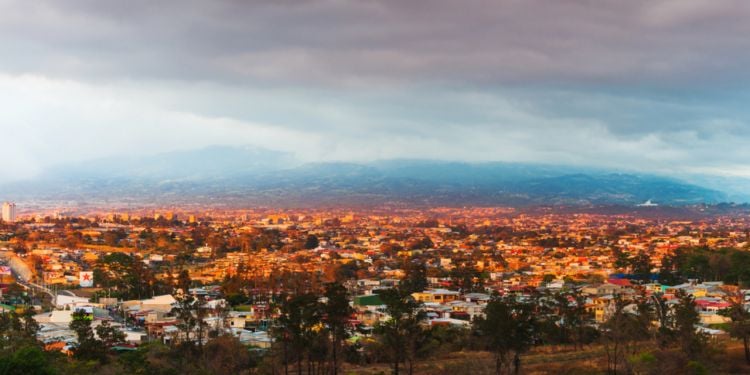
Renting accommodation in San Jose
San Jose is the beating heart of Costa Rica, economically, culturally, and socially. For expats, it is also the most common first stop, offering a ...
Leisure, Culture, and Things to Do
San José serves as Costa Rica's cultural capital, offering world-class museums, performing arts venues, and easy access to the country's spectacular natural attractions. The city rewards those willing to explore beyond the surface.
Museums and Cultural Attractions
The Museo del Jade houses the world's largest collection of pre-Columbian jade artifacts across five floors of interactive exhibits (USD 16 admission). The underground Pre-Columbian Gold Museum beneath Plaza de la Cultura displays over 1,600 gold artifacts (USD 15). The National Museum, housed in the historic Bellavista Fortress, features a butterfly garden and offers rooftop city views (USD 11). Don't miss the magnificent National Theatre, built in 1897 and considered Central America's finest example of neoclassical architecture.
Parks and Recreation
Parque La Sabana, the city's largest park, occupies the site of San José's original airport and includes the National Stadium, jogging trails, and the Museum of Costa Rican Art. The charming downtown parks—Parque Morazán, Parque España, and Parque Nacional—offer green spaces for relaxation.
Nightlife and Entertainment
The Barrio Escalante neighborhood has emerged as San José's gastronomic hub, packed with trendy restaurants and cafés. San Pedro near the university offers lively nightlife with bars, clubs, and live music venues. The Jazz Café in San Pedro hosts regular live performances. For traditional Costa Rican cuisine with valley views, Restaurante Tiquicia in Escazú offers dinner shows on Thursday evenings.
Sources: Costa Rica Tourism Board, Museo del Jade
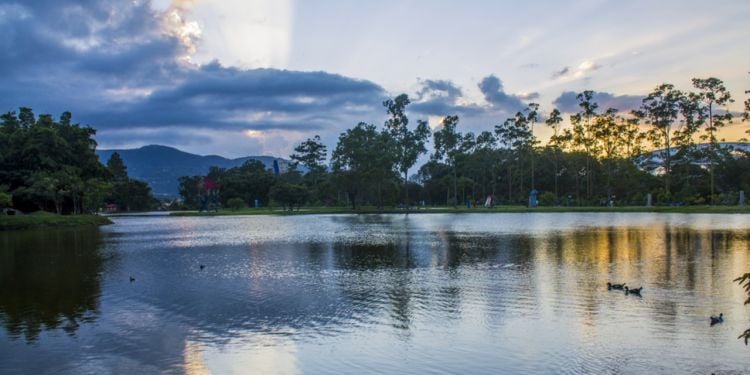
Leisure in San Jose
San José, affectionately known as Chepe, is Costa Rica's largest city and capital and has a multidimensional appeal thanks to an array of ...
Daily Life: Transportation and Practical Tips
Life in San José blends modern conveniences with a relaxed Central American pace. The city offers reliable infrastructure, though navigating transportation and understanding local customs will help you settle in smoothly.
Getting Around
San José's public bus system is extensive and affordable, with fares rarely exceeding USD 1–2 for city routes. However, there is no centralized bus terminal—different companies operate from various hubs throughout the city. A commuter train connects San José to Heredia, offering a cheap and efficient alternative. Uber operates widely and is the safest option for visitors. Official red taxis are metered—always ensure the driver activates the meter (called "la maria"). The Juan Santamaría International Airport is approximately 20 minutes from downtown without traffic.
Lifestyle and Culture
Costa Ricans, known as "Ticos," are generally warm and welcoming. Spanish is the official language, though English is widely spoken in tourist areas and international businesses. The city operates at a slower pace than North American or European cities—patience is essential. Tap water is safe to drink throughout most of San José. Banking hours are typically 9:00 AM to 4:00 PM, Monday through Friday. Most shops close for lunch and on Sundays. Mobile phone coverage is excellent, with affordable prepaid plans available from providers like Kolbi, Movistar, and Claro.
Sources: Costa Rica Tourism Board

How to build a professional and social network in San José
San José sits at the heart of Costa Rica's Central Valley, and it has developed into one ...
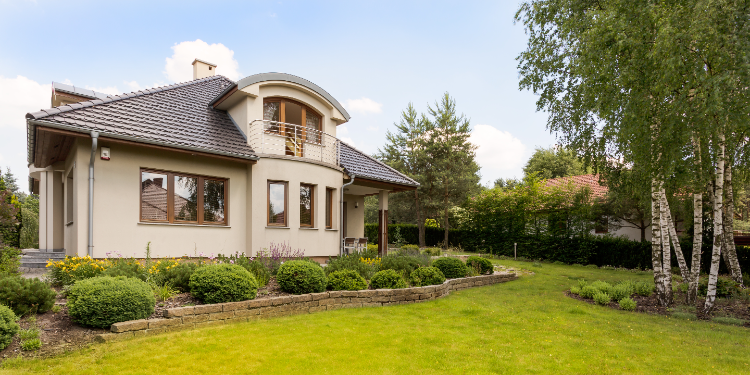
Buying property in San Jose
San Jose, Costa Rica's capital, has become one of Central America's most active residential ...

Sports and fitness in San José
San José punches well above its weight as a sports city. Sitting at the heart of the Central ...
Cost of Living: Monthly Budgets for Singles and Families
San José offers a significantly lower cost of living compared to most North American and European cities, though it remains the most expensive city in Central America. Your actual expenses will depend heavily on lifestyle choices—embracing local habits can reduce costs substantially.
Monthly Budget: Single Person
A single expat can live comfortably in San José on USD 1,500–2,000 per month. Those willing to adopt a more local lifestyle can manage on USD 1,000–1,400.
Expense | Monthly Cost (USD) |
Rent (1-bedroom, city center) | 600–800 |
Utilities (electricity, water, gas) | 60–95 |
Internet (60 Mbps+) | 50–60 |
Groceries | 250–350 |
Transportation | 40–100 |
Health Insurance (Caja voluntary) | 75–150 |
Total (excluding entertainment) | 1,075–1,555 |
Monthly Budget: Family of Four
Families typically need USD 3,000–4,000 per month to live comfortably, with international school fees representing the largest expense.
Expense | Monthly Cost (USD) |
Rent (3-bedroom apartment) | 1,100–1,500 |
Utilities | 100–150 |
Internet + Mobile | 80–100 |
Groceries | 500–700 |
Transportation | 100–200 |
International School (2 children) | 1,500–2,500 |
Health Insurance (family) | 200–450 |
Total | 3,580–5,600 |
Sources: Numbeo 2024, International Citizens
In Short
San José offers expats a compelling blend of affordable living, excellent healthcare, and a welcoming community in one of the world's most politically stable countries. Whether you're drawn by career opportunities in the growing tech sector, seeking quality education for your children, or planning a peaceful retirement, the Central Valley provides a comfortable base to embrace the "Pura Vida" lifestyle. The city's spring-like climate, proximity to both Pacific and Caribbean coasts, and access to Costa Rica's extraordinary biodiversity make everyday life feel like an extended vacation. Ready to start your San José adventure? Join the Expat.com San José forum to connect with fellow expats, ask questions, and get firsthand advice from those already living the Pura Vida dream.
We do our best to provide accurate and up to date information. However, if you have noticed any inaccuracies in this content, please contact us.


Essential services for your expat journey