Heredia sits at the heart of Costa Rica's Central Valley, and its food scene reflects that position perfectly. Known as the "City of Flowers," the city blends deep agricultural roots with a lively, modern dining culture shaped by university students, a growing expat community, and some of the country's finest coffee-growing land. Whether you are hunting for a hearty traditional lunch at a family-run soda, browsing fresh produce at a century-old market, or sitting down to farm-to-table cuisine in the cooler mountain foothills, Heredia offers more variety than its modest size might suggest. This article covers everything expats need to know to eat well, shop smart, and feel at home at the table in Heredia.
Food culture overview in Heredia
The food culture in Heredia is firmly grounded in the agricultural traditions of Costa Rica's Central Valley. Fresh, locally sourced ingredients form the backbone of everyday cooking: black beans, rice, corn, plantains, and an abundance of tropical fruits are staples that appear across meals at every price point. Most of these ingredients are purchased directly from vibrant community markets, keeping the connection between producer and table short and direct.
The most visible expression of this culture is the soda, a small, family-owned eatery that serves affordable, homestyle Costa Rican meals in a no-frills environment. Sodas are where locals eat, and they remain the most authentic and accessible entry point into Heredian cuisine for any newcomer. Alongside them, the city's coffee heritage adds another layer to daily food life. Heredia province is one of Costa Rica's premier coffee-growing regions, and that identity shows up everywhere, from the historic plantations on the city's outskirts to the independent cafes lining its streets.
Traditionally, lunch is the heaviest meal of the day for locals, a rhythm that shapes the pace of the entire midday period. More recently, the presence of a large university population and an established expat community has pushed the dining scene in new directions, with contemporary restaurants blending local flavors with international techniques. The result is a city where tradition and modern gastronomy coexist comfortably.
Local specialties in Heredia
Understanding the key dishes of Heredia means understanding Costa Rican cuisine at its most honest. These are not restaurant inventions but everyday foods that locals have eaten for generations, and most of them appear on soda menus throughout the city.
Gallo pinto is the dish most visitors encounter first. This iconic breakfast combines rice and black beans mixed with onions, sweet peppers, and cilantro, and is typically served alongside eggs, fried plantains, sour cream (known locally as natilla), and a splash of Salsa Lizano, the tangy brown condiment that is as Costa Rican as the dish itself.
At lunchtime, the casado takes center stage. The name translates loosely as "married," and the dish lives up to it: a full plate marrying rice, beans, plantains, salad, and a protein of your choice, whether chicken, beef, pork, or fish. It is practical, filling, and genuinely good value at any soda in the city.
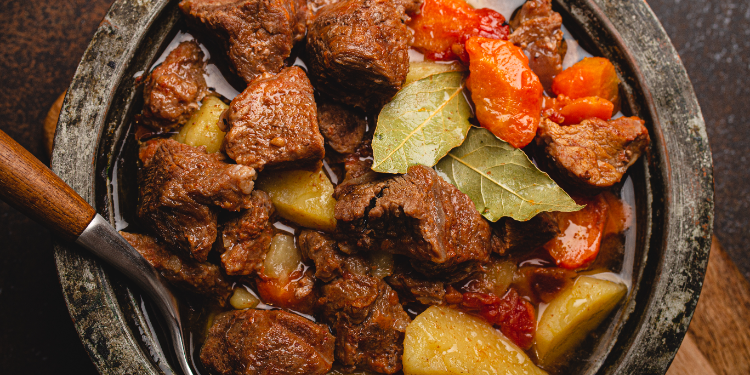
For something heartier, olla de carne is a slow-cooked beef stew loaded with local root vegetables, including cassava (yuca), taro, chayote, and potatoes. It is the kind of dish that reflects the Valley's farming heritage and is best found in traditional sodas rather than modern restaurants.
Corn anchors several other local favorites. Chorreadas are sweet or savory corn pancakes made from freshly ground corn, naturally gluten-free, and often sold at local markets or served at breakfast with a spoonful of natilla. Tamales ticos, seasoned corn dough stuffed with meat and vegetables and wrapped in banana leaves, are strongly associated with holiday celebrations but remain a beloved snack year-round.
No overview of Heredia's specialties would be complete without highlighting its coffee. Café chorreado, the traditional Costa Rican brewing method, involves pouring hot water through a cloth filter called a chorreador. The result is a smooth, clean cup that showcases the quality of the local beans. Drinking café chorreado in Heredia is not a tourist experience; it is simply how coffee is made here, and any independent café worth visiting will serve it this way.
Types of dining in Heredia
The dining options in Heredia span a wider range than the city's size might suggest. At one end of the spectrum, sodas remain the heartbeat of the local food scene. These modest, family-run establishments offer the most authentic meals at the lowest prices, and their menus rarely stray from the classics. They are informal by nature, and that informality is part of the appeal.
Cantinas occupy a distinct niche as traditional neighborhood bars where cold domestic beers arrive alongside hearty bar snacks known as bocas, typically tacos, empanadas, or burgers. They are convivial, unpretentious spaces that give a real sense of everyday Heredian social life.
The Mercado Central de Heredia sits at the center of the city's communal food culture. Inside its walls, dozens of stalls serve fresh juices, local snacks, and inexpensive hot meals in a bustling indoor market atmosphere. It is one of the best places in the city to eat cheaply and well while absorbing the rhythm of daily life.
Cafes and independent coffee shops are a natural extension of Heredia's coffee-growing identity. Many roast their own beans and pair them with fresh pastries, making them ideal for a slow morning or a working afternoon. Moving up the scale, the cooler mountain areas surrounding the city have seen a rise in upscale farm-to-table restaurants that attract both tourists and expats looking for a more refined experience. Finally, modern shopping complexes across the city house food courts that bring together local fast-food chains and familiar international brands under one roof, a practical option for quick meals between errands.
Neighbourhoods for food in Heredia
Where you eat in Heredia often depends on what you are looking for, and the city's neighborhoods each have a distinct food personality worth knowing before you explore.
Central Heredia, the area immediately surrounding the central park and the Mercado Central, is the place to go for authentic, inexpensive local eating. Traditional sodas and historic cantinas cluster here, and the market itself provides everything from fresh juice to a full hot lunch. This is the most traditionally Costa Rican part of the city's dining scene.
Cariari and Belén, located closer to the international airport, draw a dense expat population and the restaurants that follow them. International cuisine, sports bars, and fine dining options concentrate here, making this the part of the city most familiar to newcomers arriving from North America or Europe.
Higher up in the mountains, San Rafael and San Isidro offer a cooler, more scenic dining experience. Charming cafes, traditional steakhouses, and high-end farm-to-table restaurants have found a natural home in these scenic districts, where the climate and landscape make for a noticeably different atmosphere than the city below.
For contemporary dining, Plaza Bratsi and Paseo de las Flores are the commercial hubs to know. These modern complexes bring together trendy bistros, international fast-food chains, and contemporary dining concepts, and they are well-connected enough to draw diners from across the greater Heredia area.
International cuisine in Heredia
Heredia's combination of a large university and a well-established expat population has created genuine demand for international food in Heredia, and the city has responded. The widest concentration of international options sits in the modern shopping plazas and the expat-heavy neighborhoods of Cariari and Belén.
Asian cuisine is well represented, with sushi restaurants, Thai spots, and traditional Chinese eateries spread across the city. Nacion Sushi in Plaza Bratsi, for example, offers contemporary Asian fusion in a modern setting that fits the surrounding commercial environment.
Expats from North America and Europe will find familiar ground in the form of American-style sports bars, Italian pizzerias, and Mediterranean cafes scattered throughout the city. The most mainstream international fast-food chains are also present, particularly in the food courts of the larger shopping centers.
For something less expected, Caribbean Corner in downtown Heredia brings the flavors of Costa Rica's Atlantic coast to the Central Valley. Dishes like spicy rondon soup and coconut chicken offer a genuine contrast to the local Central Valley cuisine and a reminder of how diverse Costa Rican food traditions actually are.
Grocery shopping in Heredia
Expats in Heredia have access to a well-developed network of supermarkets, specialty stores, and traditional markets covering every budget and shopping style. Knowing which store suits which need makes weekly shopping considerably easier.
Auto Mercado is the chain most expats gravitate toward first. It carries high-quality fresh produce, a wide selection of imported international goods, and well-organized aisles in air-conditioned comfort. The trade-off is price: it sits at the top end of the market. For standard weekly groceries at more accessible prices, Walmart, Masxmenos, and Mega Super offer a comprehensive and reliable range of everyday products.
Budget-conscious shoppers tend to rely on Pali and Maxi Pali, both owned by Walmart, for affordable staples, dry goods, and cleaning supplies. For bulk buying, PriceSmart, a membership-based warehouse club with a location in Heredia, is popular among expat households stocking up on groceries, household items, and electronics in larger quantities. Vindi and Fresh Market fill the gap for quick premium shopping trips, offering ready-to-eat meals and fresh produce in a convenient format.
For the freshest and most affordable produce, the Mercado Central de Heredia remains the city's best option. This nearly hundred-year-old traditional market is the place to buy fresh fruits, vegetables, local cheeses, and meats at prices that undercut most supermarkets. According to the Municipalidad de Heredia, the market operates Monday to Friday from 6:00 a.m. to 6:30 p.m., Saturday from 6:00 a.m. to 6:00 p.m., and Sunday from 7:00 a.m. to 1:00 p.m.
Eating out costs in Heredia
Dining costs in Heredia are generally well below what expats from North America or Western Europe are used to paying, though prices vary significantly depending on where and what you eat. The figures below are drawn from Numbeo's cost of living data for Heredia and are subject to change.
- Budget meal at a local soda: A typical casado costs around CRC 5,500 (USD 10.80)
- Mid-range restaurant, three courses for two: Approximately CRC 29,197 (USD 57.30)
- International fast-food combo meal: Around CRC 5,150 (USD 10.10)
- Domestic draft beer (1 pint): Roughly CRC 973 (USD 1.90)
- Cappuccino: Around CRC 1,748 (USD 3.40)
Dietary requirements in Heredia
Expats with specific dietary needs will find Heredia reasonably accommodating, though the experience varies depending on where you choose to eat. Vegetarian dining in Heredia is straightforward. Costa Rican cuisine relies heavily on rice, black beans, plantains, and fresh tropical produce, which means the base of most local meals is already plant-based. At any soda in the city, you can request a vegetarian casado by simply asking for the plate without meat, and this is a well-understood request.
Gluten-free eating in Heredia is also relatively manageable. Traditional Costa Rican cooking relies heavily on corn rather than wheat, so dishes like chorreadas and corn tortillas are naturally gluten-free. That said, expats with celiac disease or severe gluten intolerance should always confirm preparation methods, particularly in busier or less specialized kitchens.
Vegan options in Heredia are growing but remain more limited than in major coastal tourist towns. International cafes and some modern restaurants in the city offer dedicated vegan menus or can adapt dishes on request. At traditional sodas, the options narrow to the plant-based staples of the local cuisine, which can still form a satisfying meal but may feel repetitive over time.
For anyone managing severe food allergies, one practical note deserves attention: staff at smaller local eateries may not have formal training in cross-contamination protocols. Communicating allergies clearly and in Spanish is strongly advisable; when in doubt, choosing a restaurant with greater kitchen visibility or a more international menu reduces the risk of miscommunication.
Food delivery in Heredia
Food delivery in Heredia is well established within the city's urban areas, with several active platforms competing for the market. Uber Eats is the dominant service, partnering with over eighty local restaurants and also facilitating grocery delivery from chains including Vindi, Mega Super, and Fresh Market. Coverage within the main urban zones is reliable, and the app accepts international payment methods, which makes it a practical first choice for newly arrived expats.
PedidosYa and DiDi Food are also widely used across the Central Valley market, offering alternative restaurant selections and comparable delivery times in most neighborhoods. Rapido is another active option in the area, notable for its compatibility with international credit cards and PayPal, which can matter during the early weeks of settling in before local banking is fully set up. Delivery fees across all platforms vary based on distance, and digital tipping features are integrated directly into each app, making it easy to tip the delivery driver without needing cash on hand.
Dining etiquette in Heredia
Dining culture in Heredia is relaxed and informal by most standards, which makes it easy to adapt to. A few local customs are worth knowing from the start, particularly around billing and service.
The most important practical point is the mandatory 10% service charge (propina), required under Costa Rican law (Law No. 4946) and automatically included in every restaurant bill. This is separate from the 13% value-added tax, which also appears on the final amount. When reviewing your bill, look for the phrase "impuestos no incluidos" on the menu, which signals that both charges will be added at the end rather than already being built into the listed prices. Leaving an additional tip beyond the propina is entirely optional, though expats often leave an extra 5% to 10% when service has been particularly good.
Dress codes are rarely a concern in Heredia. The vast majority of restaurants operate on a casual basis, and smart-casual attire is only expected in the most upscale establishments or private clubs in the Cariari district. In all other settings, comfort is perfectly appropriate.
One small but meaningful local custom is worth adopting early. Costa Ricans, known affectionately as Ticos, say "buen provecho" (enjoy your meal) both when they receive food and when passing someone who is eating. It is a simple, warm gesture that locals appreciate when visitors and newcomers use it in kind.
Frequently asked questions about food and dining in Heredia
Is it safe to drink the tap water in Heredia?
Yes, tap water in urban areas of the Central Valley, including Heredia, is treated and generally safe to drink and use for brushing teeth. Expats with sensitive stomachs may initially prefer filtered or bottled water as they adjust to the local mineral content. As conditions can vary by neighborhood, it is worth checking current guidance on water safety in Costa Rica when you first arrive.
What is a "soda" in Costa Rica?
A soda is a small, family-run traditional Costa Rican restaurant serving affordable local meals in an informal setting. They are the best places in Heredia to find authentic dishes like gallo pinto and casado at prices that are hard to beat anywhere else in the city.
Do I need to tip my waiter in Heredia?
A 10% service charge is legally required and automatically included in all restaurant bills in Costa Rica. You are not obligated to leave anything beyond this, though adding an extra 5% to 10% for genuinely good service is appreciated and has become customary among expats and tourists in the city.
Do restaurants in Heredia accept US dollars?
Many restaurants, especially in expat-heavy areas like Cariari and Plaza Bratsi, accept US dollars. Smaller sodas and market stalls strongly prefer Costa Rican colones, however, and any change given back will almost always be in colones regardless of which currency you use to pay.
What are the main supermarket chains in Heredia for expats?
Auto Mercado is the most popular choice for premium and imported products. Walmart and Masxmenos cover standard weekly needs at mid-range prices. For bulk shopping, PriceSmart's membership warehouse in Heredia is a go-to for many expat households stocking up on large quantities of groceries and household supplies.
When is the Mercado Central de Heredia open?
The market operates Monday to Friday from 6:00 a.m. to 6:30 p.m., Saturday from 6:00 a.m. to 6:00 p.m., and Sunday from 7:00 a.m. to 1:00 p.m., according to the Municipalidad de Heredia. Hours are subject to change on public holidays, so it is worth checking ahead during festive periods.
Are vegan options easily available in Heredia?
Costa Rican cuisine is naturally vegetable-forward, so rice, black beans, plantains, and fresh salads are always accessible at traditional sodas. Dedicated vegan menus are increasingly available at international cafes and modern restaurants across the city, though options are more limited here than in major coastal tourist destinations.
What are the most popular food delivery apps in Heredia?
Uber Eats is the leading platform, covering the widest range of restaurants and also offering grocery delivery from local chains. PedidosYa and DiDi Food are both active across the Central Valley market and provide strong alternatives. Rapido is another local option that works well with international payment methods, which can be useful when first getting settled.
Have questions about eating and living in Heredia? Join the Expat.com community to connect with expats who know the local food scene firsthand.
We do our best to provide accurate and up to date information. However, if you have noticed any inaccuracies in this article, please let us know in the comments section below.