Costa Rica runs on a philosophy as much as a schedule. The concept of Pura Vida, which translates literally as "pure life," shapes how locals and expatriates alike approach their days, whether that means hiking through a cloud forest at dawn, sharing a meal at a roadside soda, or catching an open-air concert on a Saturday night. For expats settling in, understanding how leisure works here, what it costs, where to find it, and how seasons shape it, goes a long way toward feeling at home. Costa Rica is also, it should be noted, the most expensive country in Latin America for everyday living and leisure, according to Bloomberg Línea, so knowing where to find value matters just as much as knowing where to have fun.
Daily life in Costa Rica revolves far more around the outdoors than around screens or shopping centers. The country's extraordinary range of microclimates, from Pacific beaches and volcanic highland trails to Caribbean jungle coastlines, means that nature is never far away, and most residents treat it as their primary playground. Expatriates who arrive expecting a pace similar to North American or European urban life often find that Costa Rica gently pushes back, encouraging slower mornings, longer lunches, and weekends spent in nature rather than at the office.
Seasons define the rhythm of leisure here in a very practical way. The dry season, running from December through April, is peak time for beach trips, outdoor festivals, hiking, and socializing. The rainy season, from May through November, brings heavy afternoon downpours that locals call "temporal," and most outdoor activities shift to early mornings as a result. Afternoons during this period tend to favor indoor options: cafés, museums, gyms, and cinemas. Far from being a drawback, the green season offers lush landscapes, emptier parks, and lower prices on accommodation and tours.
San José anchors the country's formal cultural life. The Museo Nacional de Costa Rica is the premier institution for pre-Columbian history and national heritage, with admission set at USD 11 for non-resident adults and USD 6 for foreign students. Expatriates who hold legal residency pay the local rate of CRC 2,500 (USD 4.80), and on Sundays, residents and nationals enter completely free, making it one of the best-value outings in the capital.
For performing arts, the Teatro Nacional and the Teatro Popular Melico Salazar, both located in downtown San José, host classical music, ballet, and major theatrical productions throughout the year. The Centro Nacional de la Cultura (CENAC) frequently stages art exhibitions and serves as a hub for state-sponsored arts programs managed by the Ministry of Culture and Youth.
Expats looking for something beyond mainstream multiplex offerings can head to Sala Garbo, San José's beloved independent cinema, which screens international, cult, and arthouse films rarely found elsewhere. Tickets there generally range from CRC 3,000 to CRC 4,000 (USD 5.80 to USD 7.70).
Join the Costa Rica community
Get regular tips and advice to make the most of your expat life
Annual events and festivals in Costa Rica
Costa Rica's festival calendar offers something across nearly every month of the year, with the Ministry of Culture and Youth having expanded its programming with new regional cultural events, including the "Costa Rica Canta" choir festival and the "Volcánica" National Dance Festival. The Festival Internacional de las Artes (FIA), the country's largest state-sponsored cultural event now in its 37th edition, takes place at La Sabana Park in San José each March, with Mexico serving as the most recent guest country. The ministry guarantees that ninety-five percent of its seventy-plus activities are free to the public, making it one of the most accessible cultural events in Central America.
For contemporary music, PicNic Fest has become the largest music festival in Central America, held at the Pedregal Events Center and featuring major international acts across pop, rock, and reggaeton. The lineup typically draws both expats and locals in large numbers.
Traditional celebrations anchor the social calendar at either end of the year. The Fiestas de Zapote, running from late December into early January, and the Fiestas de Palmares in mid-January are massive national events featuring "toros a la tica" (a uniquely Costa Rican style of bull running where participants dodge but do not harm the bulls), carnival rides, and large outdoor concerts. Attending either event is one of the fastest ways for a newcomer to experience authentic Costa Rican popular culture.
Outdoor activities in Costa Rica
Outdoor leisure is the backbone of daily life in Costa Rica, and the country's extensive network of national parks and protected reserves gives residents an almost unmatched range of options. Entry fees to these parks vary significantly by residency status, which makes obtaining legal residency genuinely worthwhile for frequent visitors. At Manuel Antonio National Park, non-residents pay USD 16, while legal residents pay just CRC 1,600 (USD 3.10). At Volcán Arenal, the non-resident fee is USD 16.95, compared to CRC 1,130 (USD 2.20) for residents.
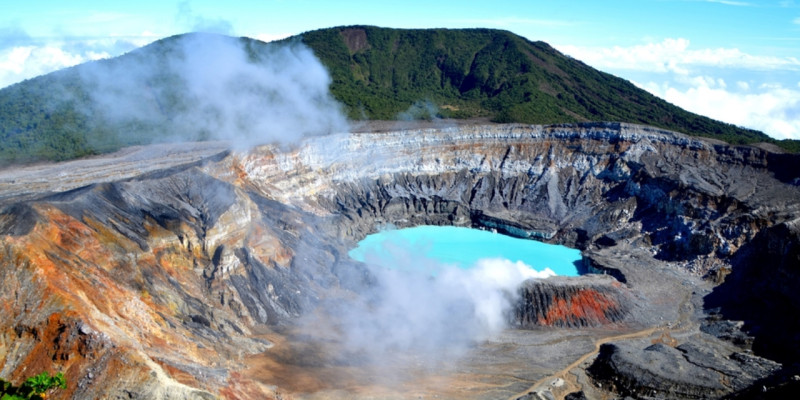
Volcán Poás National Park operates on a mandatory online reservation system, with parking fees set at CRC 1,250 (USD 2.40) for motorcycles and CRC 2,750 (USD 5.30) for light vehicles.
Beyond hiking, the most popular outdoor pursuits include surfing along Guanacaste and the Nicoya Peninsula, zip-lining through cloud forests, white-water rafting on rivers like the Pacuare, and birdwatching in reserves recognized as some of the world's best. The dry season offers the most reliable conditions for reaching remote beaches and traversing unpaved roads, which can wash out significantly during the rainy months.
Nightlife and entertainment in Costa Rica
Nightlife in Costa Rica is casual by nature, though it ranges from laid-back neighborhood bars to polished rooftop lounges, depending on where you are. A domestic beer, such as an Imperial or a Pilsen, in a typical neighborhood bar costs between CRC 1,500 and CRC 1,850 (USD 2.90 to USD 3.60), making an evening out relatively affordable at the local end of the market.
High-end nightclubs and upscale lounges concentrate in San José's affluent western suburbs of Escazú and Santa Ana, where the crowd tends to be cosmopolitan and the venues well-maintained. Coastal towns offer a very different atmosphere: Tamarindo, Jacó, and Puerto Viejo are known for open-air beach bars, reggae nights, and a loose, spontaneous social scene that draws both travelers and long-term expats.
Commercial cinema is a reliable evening option across the country. At major chains, standard tickets cost CRC 6,950 (USD 13.50). A practical tip on safety: in downtown San José specifically, expats are strongly advised to use ridesharing apps or official red taxis when moving between venues at night rather than walking, particularly in unfamiliar neighborhoods.
Restaurants and dining out in Costa Rica
Eating out in Costa Rica spans an enormous range. At the budget end, sodas, the informal local diners that serve the traditional "casado" plate of rice, beans, meat or fish, and plantains, offer filling meals for between CRC 4,500 and CRC 8,000 (USD 8.50 to USD 15.50). A three-course dinner for two at a mid-range restaurant averages CRC 20,000 to CRC 26,000 (USD 38 to USD 50). Fine dining in upscale areas like Escazú can easily exceed CRC 50,000 (USD 97) per person, reflecting the country's position as the priciest dining market in Latin America.
One rule every newcomer needs to know: by national law under Ley 9116, a ten percent service charge is obligatorily included in all restaurant, bar, and café bills, alongside a thirteen percent value-added tax (VAT). This means tipping beyond the included charge is entirely voluntary. That said, it is common practice among both locals and expats to leave an additional five to ten percent in cash directly with the server when the service has been genuinely good.
Shopping in Costa Rica
The historic Mercado Central in San José remains the cultural heart of local shopping, open Monday through Saturday from 6:30 AM to 6:00 PM, and closed on Sundays except during major holidays like Easter and Christmas. For a more modern retail experience, the Greater Metropolitan Area offers large Western-style shopping centers, with Multiplaza Escazú, Multiplaza Curridabat, and Oxígeno Human Playground in Heredia among the most popular.
The biggest commercial event of the year is "Viernes Negro," Costa Rica's enthusiastic adoption of Black Friday in late November, which triggers widespread promotions across retail, electronics, and services. For day-to-day value, the weekly "ferias del agricultor," or farmers' markets, held in nearly every town on Friday afternoons and Saturday mornings, are where expats find the best prices on fresh tropical fruits, vegetables, and artisanal cheeses. High-quality Costa Rican coffee and traditional "chorreadores" (local pour-over coffee makers) are among the most sought-after local products worth bringing home or gifting.
Fitness and wellness in Costa Rica
The fitness market in Costa Rica is well-developed, with international chains and local gyms competing across all price points. Smart Fit dominates the mid-range segment, with its basic "Plan Fit" priced at USD 34.99 per month plus thirteen percent IVA, and its all-access "Plan Black" at USD 40.99 per month plus IVA. Premium facilities such as World Gym Costa Rica in Escazú charge around USD 80 per month plus IVA, with access to larger free-weight areas, pools, and spa services. At the more affordable end, regional gyms in cities like Cartago offer promotional packages that work out to roughly CRC 20,000 (USD 38) per month.
Wellness culture is arguably as strong as gym culture. Boutique yoga studios, wellness retreats, and spiritual centers are heavily concentrated in coastal communities such as Nosara, Santa Teresa, and Uvita, which have built international reputations as destinations for mindfulness and holistic health. These areas attract both visitors and expats who settle specifically for access to this lifestyle.
Hobbies and classes in Costa Rica
For expats looking to build skills or find community through shared interests, Costa Rica offers a wide range of options. Spanish language immersion schools are widespread, particularly in the Central Valley towns of Heredia and in popular beach destinations like Tamarindo and Manuel Antonio. Learning the language is widely recognized as the single most effective step toward genuine integration with the local "Tico" population.
Coastal areas offer surf camps and scuba diving certifications as top active pursuits, while inland, many expatriates take up organic gardening, permaculture, or wildlife photography, all of which connect naturally to the country's environmental identity. Online platforms like Meetup are active in Costa Rica, helping newcomers find niche groups spanning hiking clubs, tech and digital nomad meetups, and book clubs.
Volunteering is also a common and deeply rewarding hobby. Younger expats frequently contribute to wildlife rescue centers or sea turtle conservation projects, while retirees often join structured programs like the Retired Senior Volunteer Program (RSVP). These activities offer a genuine connection to both the land and the local community.
Family activities in Costa Rica
Family leisure in Costa Rica leans heavily on eco-tourism and wildlife interaction rather than large-scale manufactured entertainment. Butterfly conservatories, hanging bridge parks in the Monteverde cloud forest, and sloth sanctuaries are among the most popular family-friendly outings. La Paz Waterfall Gardens Nature Park stands out as a premier destination, combining accessible trails with exhibits featuring rescued jungle cats, toucans, and insects in a way that engages children and adults equally.
When rainy season afternoons make outdoor plans impractical, large malls like Oxígeno Human Playground in Heredia fill the gap with trampoline parks, arcades, and child-safe climbing walls. For weekend family escapes from the Central Valley, hot springs in the Arenal area, particularly Baldi and Tabacón, and accessible Pacific beaches like Jacó and Punta Leona are deeply embedded traditions for Costa Rican families and expatriates alike.
Day trips and getaways from Costa Rica's Central Valley
One of the practical advantages of living in the Central Valley is the speed at which entirely different environments become accessible. The Irazú Volcano and the Orosi Valley are easy half-day excursions by car. Guided half-day tours from San José to Irazú typically cost between USD 42 and USD 45 per person. Full-day guided excursions to the Arenal Volcano and La Fortuna, which often bundle coffee tours and zip-lining into the itinerary, start at around USD 150 per person.
For independent travel, renting a 4x4 vehicle is strongly recommended, especially for destinations that involve unpaved roads. Budget-conscious travelers can use public buses run by operators such as Tracopa or MEPE, which are inexpensive but significantly slower. Shared tourist shuttles, such as those offered by Interbus, provide a reliable middle-ground option in terms of both comfort and cost.
Meeting people and socializing in Costa Rica
The expatriate community in Costa Rica is well-organized and highly visible. The largest concentrations settle in the Central Valley, particularly in Escazú, Santa Ana, and Atenas, which have established infrastructure and English-speaking services. On the coasts, Tamarindo and Playas del Coco in Guanacaste, as well as Dominical and Uvita in the Southern Zone, host their own active expat communities with regular social events.
Newcomers commonly use location-specific Facebook groups and expat forums to navigate bureaucracy and make local connections in the early months. Over time, most expats find that community involvement provides deeper integration than online groups alone. Participating in beach cleanups, helping at local schools, or joining neighborhood improvement projects are widely recognized as among the fastest paths to genuine friendships with local Ticos, who tend to be warm and welcoming once a real connection is established.
The most impactful discount available in Costa Rica is not a loyalty card or a coupon app; it is legal residency. Expatriates who hold a DIMEX residency card pay local rates at state-run attractions, which can reduce national park entry fees from USD 15 to USD 16 down to the equivalent of around USD 2 to USD 3. That difference, multiplied across regular visits, adds up quickly.
The Museo Nacional de Costa Rica offers completely free admission to nationals and legal residents every Sunday. For cinema, national chains run regular mid-week promotions where standard tickets of CRC 6,950 (USD 13.50) drop to CRC 5,900 (USD 11.45). The annual "Fiesta del Cine," a multi-day promotional event typically held in October, brings cinema tickets across the country down to just CRC 1,780 (USD 3.45), making it one of the best-value cultural events of the year for film lovers.
At the market level, the weekly farmers' markets consistently offer the best prices on fresh produce compared to supermarkets, and shopping locally during peak promotional periods like "Viernes Negro" can yield genuine savings on electronics and household goods.
Frequently asked questions
No, a ten percent service charge is required by Costa Rican law to be included in your bill, along with a thirteen percent value-added tax. Leaving an additional five to ten percent in cash is appreciated for exceptional service, but is entirely voluntary. This rule applies to restaurants, bars, and cafés across the country.
Yes, if you hold legal residency. Expatriates with a DIMEX card pay the local entrance fee, which is significantly lower than the non-resident tourist rate. At Manuel Antonio, for example, residents pay CRC 1,600 (USD 3.10) compared to the standard USD 16 non-resident fee. Obtaining residency makes a meaningful financial difference for anyone who visits parks regularly.
Memberships at major chains like Smart Fit range from USD 34.99 to USD 40.99 per month, before a thirteen percent IVA tax. Premium gyms or specialized wellness clubs can cost USD 80 or more per month. Regional gyms in smaller cities offer more affordable packages that can work out to around USD 38 per month.
Yes. Costa Rica ranks as the most expensive country in Latin America for everyday living and leisure. A mid-range meal for two typically costs between USD 38 and USD 50, and most paid leisure activities reflect pricing closer to southern Europe than to regional neighbors like Panama or Colombia. Knowing where to find local options and resident discounts makes a significant difference.
The Museo Nacional de Costa Rica offers free admission to Costa Rican citizens and legal residents with a DIMEX card every Sunday. Non-resident foreign tourists pay the standard USD 11 entrance fee regardless of the day. Foreign students without residency pay USD 6.
Sala Garbo is San José's established independent cinema, screening international, cult, and arthouse films not available at mainstream multiplexes. Tickets generally cost between CRC 3,000 and CRC 4,000 (USD 5.80 to USD 7.70), making it one of the most affordable cultural outings in the capital.
The Mercado Central is open Monday through Saturday from 6:30 AM to 6:00 PM. It is typically closed on Sundays but opens during major holidays such as Easter and Christmas, often with extended hours. It is best visited on weekday mornings to avoid crowds.
The Festival Internacional de las Artes (FIA) is the largest state-sponsored cultural event, with the vast majority of its seventy-plus activities free to the public. PicNic Fest is the largest contemporary music festival in Central America. Traditional celebrations like the Fiestas de Zapote and Fiestas de Palmares, held in late December and mid-January, respectively, are unmissable for anyone wanting to experience authentic Costa Rican popular culture.
ℹ️
We do our best to provide accurate and up to date information. However, if you have noticed any inaccuracies in this article, please let us know in the comments section below.
A journalist, holder of the DALF C1 and C2 and a diploma from the University of Mauritius, I have nearly twenty years of writing experience. After six years in the Mauritian press, I joined Expat.com, where I have been working for over a decade, including five years as editorial assistant, and now as editorial manager.