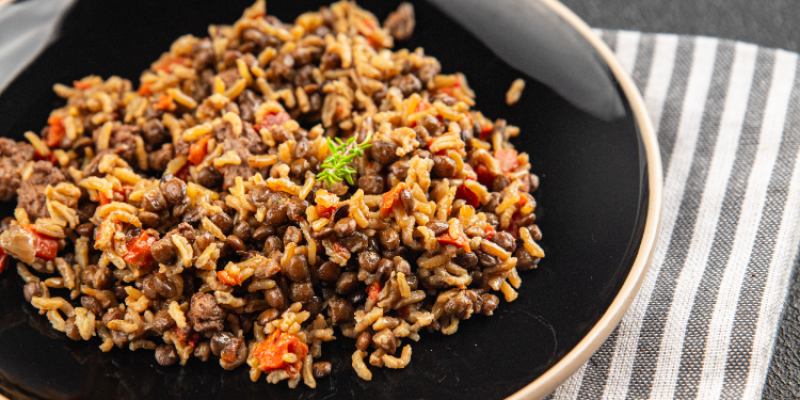
San José is a city where food tells the story of a country. From the steaming plates of rice and beans served at a neighbourhood soda to the farm-to-table menus drawing on Costa Rica's extraordinary biodiversity, the capital offers a dining experience that is both deeply rooted in tradition and quietly evolving. For expats settling in, understanding how locals eat, where they shop, and what to expect when the bill arrives will make daily life significantly easier and more enjoyable.
Eating in San José is shaped by the Pura Vida philosophy that defines Costa Rican life more broadly. Meals are rarely rushed, and the table is treated as a place to slow down and connect. Lunch is the main meal of the day, generous and structured around a balanced plate, while dinner tends to be lighter and simpler. This rhythm takes some adjustment for expats arriving from cultures where the evening meal takes centre stage.
One of the most embedded daily rituals in the city is la hora del café, a mid-morning or mid-afternoon coffee break during which locals pause their day to share a cup and conversation. Coffee is not just a beverage in San José; it is a social institution, and the quality of what ends up in the cup reflects Costa Rica's reputation as one of the world's premier coffee-producing countries.
Communal eating matters here. It is customary to say buen provecho to dining companions and even to strangers at nearby tables before starting a meal. When you finish, a simple gracias to those around you is standard practice. These small gestures signal respect and belonging, and adopting them quickly signals cultural awareness to locals.
The broader San José food scene is in a period of genuine transition. Traditional family-run eateries still anchor the city's culinary identity, but a growing wave of chefs is reinterpreting local ingredients through modern techniques, creating a bridge between the familiar and the innovative.
Any meaningful introduction to Costa Rican cuisine starts with gallo pinto, the national breakfast dish of mixed rice and beans, typically accompanied by eggs, fried plantains, a corn tortilla, and sometimes a dollop of natilla, the local sour cream. It is filling, affordable, and found on virtually every breakfast table in the city.
Lunch revolves around the casado, a balanced plate that brings together rice, beans, a protein of your choice (chicken, beef, pork, or fish), a simple salad, and fried plantains. The casado is the cornerstone of the working day in San José, and the sodas serving it are packed between midday and early afternoon.
For something more specific to the city's culinary heritage, chifrijo deserves a mention. This dish, said to have originated in the suburbs of San José, layers pork rinds (chicharrones), beans, rice, pico de gallo, avocado, and tortilla chips into a single bowl. It is popular in casual bars and sodas and makes for a satisfying afternoon snack. Heartier options include olla de carne, a slow-cooked beef soup packed with local root vegetables like yucca and taro, and sopa negra, a black bean soup seasoned with garlic, onion, and cilantro, usually served alongside a hard-boiled egg and white rice.
Street-level snacking centres on fresh empanadas and copos, the local version of shaved ice topped with sweet fruit syrups, typically found in and around the city's traditional markets. For beverages, batidos are hard to miss: fresh tropical fruit smoothies blended with water or milk, available from market stalls, sodas, and street carts throughout the day. And while batidos quench the heat, it is Costa Rica's world-famous local coffee that earns the deepest loyalty, served strong and often sweet at every hour of the day.
Join the San Jose community
Get regular tips and advice to make the most of your expat life
Types of dining in San José
The soda sits at the heart of everyday eating in San José. These small, informal, family-run eateries are where most Costa Ricans eat their daily lunch, drawn by generous portions of traditional food at prices that remain accessible to working households. A casado or gallo pinto at a soda will rarely feel like a compromise; the cooking is honest, the atmosphere is lively, and the experience is authentically local.
At the other end of the spectrum, San José has developed a credible fine dining scene, particularly concentrated in affluent western districts. These restaurants combine international culinary techniques with native Costa Rican ingredients, producing menus that reflect both ambition and a genuine sense of place. They tend to operate in renovated spaces and cater to a mixed crowd of wealthy locals and expats.
Between these two poles sits a wide range of cafes and bistros, especially in the trendier neighbourhoods, where organic menus, specialty coffee, and sustainable sourcing are the main draws. The city's traditional food markets, particularly the historic Mercado Central, offer another mode entirely: dozens of stalls under one roof, serving ceviche, traditional sweets, and local snacks in a bustling, unpretentious environment that has barely changed in character over decades.
International fast food chains are well represented throughout the city, and local street food vendors fill gaps throughout the day with quick snacks like patacones and meat skewers. The variety means expats can find something suited to their budget and appetite at almost any hour.
Neighbourhoods for food in San José
Barrio Escalante is widely considered the city's most dynamic culinary destination. This district has evolved rapidly into a cluster of modern cafes, craft beer bars, vegan eateries, and international fusion restaurants, drawing both locals and expats looking for something beyond traditional Costa Rican cooking. If you are new to the city and want to understand the direction its food scene is heading, Barrio Escalante is the place to start.
A short distance away, Barrio Amón offers a more historic atmosphere. Elegant dining rooms set inside beautifully restored colonial mansions serve elevated takes on traditional Costa Rican cuisine, making it a popular choice for a more formal evening out.
The western suburbs of Escazú and Santa Ana function as the primary expat dining hub. With their upscale shopping malls and concentration of international restaurant chains, these areas are designed with a cosmopolitan palate in mind. Residents here can access a wide range of cuisines without travelling far, though prices reflect the demographic.
The areas around San Pedro and Barrio La California, both shaped by the nearby University of Costa Rica, offer a livelier, more affordable experience. Late-night sodas, casual eateries, and a vibrant bar scene make these districts well-suited to expats who want social options that don't come with a fine dining price tag.
Finally, the city's downtown area and Mercado Central remain the most authentic and affordable corners of San José for eating out. The market stalls here have been operating for over a century, and the food they serve represents the city's culinary foundation.
San José'sinternational food scene is more developed than many first-time visitors expect, driven largely by the city's sizable and diverse expatriate population. The western suburbs of Escazú and Santa Ana host the greatest concentration of upscale international restaurants, including high-end Indian, Mediterranean, and European options catering to a well-travelled crowd.
Quality Asian food is particularly prominent in the downtown and eastern areas of the city. Tin Jo is one of the most consistently recommended restaurants in San José for Pan-Asian dining, covering Thai, Indian, Japanese, and Chinese dishes with a level of authenticity that stands out in the Central American context.
In Barrio Amón and Barrio Escalante, French bistros and Italian trattorias are readily available, often occupying attractive historic buildings that add to the experience. It is worth noting that international cuisine in San José typically costs more than local food, a gap explained largely by the import taxes applied to foreign ingredients. Expats who eat predominantly international food will notice the difference in their monthly spending compared to those who integrate more local meals into their routine.
Grocery shopping in San José
The main supermarket chains serving San José are Auto Mercado, Masxmenos, Walmart, and Palí / Maxi Palí, each occupying a distinct position in the market. Auto Mercado is the go-to option for expats seeking imported products and specialty items from abroad, stocking a broader range of international brands than any other chain in the city. However, as local property specialists note, Costa Rica's import taxes add a significant premium to these goods, a surcharge sometimes referred to informally as the "gringo tax," meaning that a familiar brand from home may cost two or three times what it would elsewhere.
For everyday staples and household basics at the lowest possible prices, Palí and Maxi Palí are the most budget-friendly options, focused on local products and practical goods. Masxmenos occupies the middle ground, offering a solid range of local and international products with an online ordering platform for home delivery. Maxi Palí also offers online shopping, making it easy to manage a weekly grocery run without visiting the store.
For fresh produce, the Feria Verde in Barrio Aranjuez is the most popular option among expats and health-conscious locals. This weekly farmers market, held on Saturday mornings, brings together organic growers, artisanal food producers, and specialty vendors in a relaxed outdoor setting. It is genuinely one of the better places in the city to find high-quality seasonal fruit and vegetables at reasonable prices. Beyond the Feria Verde, Uber Eats also operates grocery delivery in San José, pulling from multiple retail partners for those who need quick access to household items without a dedicated supermarket trip.
Eating out costs in San José
San José offers a wide range of dining options depending on where and what you choose to eat. At the most affordable end, a full plate at a traditional local soda or market stall, typically a casado or gallo pinto, costs between CRC 2,600 and CRC 3,700 (USD 5 to USD 7), according to local property specialists tracking the cost of living in Costa Rica. This makes everyday eating at sodas genuinely accessible, even for expats on modest budgets.
A meal at a mid-range restaurant will typically run between CRC 7,800 and CRC 13,000 (USD 15 to USD 25) per person, covering most of the casual international and contemporary Costa Rican options found across the city. For fine dining in upscale areas like Escazú, expect to start at around CRC 21,000 (USD 40) per person, with the total rising considerably depending on the menu and wine selection.
One important detail every expat needs to know before dining out in San José: a mandatory 10% service charge (propina) and a 13% Value Added Tax (IVA) are automatically included in every restaurant bill under Costa Rican law. This means the price you see on the menu is not the price you will pay, and the gap can be significant on larger bills. Any additional gratuity beyond the included service charge is entirely optional, but leaving an extra 5% to 10% for genuinely excellent service is a common and appreciated gesture.
Dietary requirements in San José
Expats with vegetarian or vegan diets will find San José genuinely accommodating, particularly in Barrio Escalante and Barrio Amón, where dedicated plant-based restaurants have become a fixture. Árbol de Seda, Huacamole Vegan Food, and Café Rojo are among the most consistently recommended vegan restaurants in the city, offering creative menus that go well beyond simple substitution cooking.
For a more traditional approach, virtually every soda in the city will serve a casado vegetariano on request, replacing the meat portion with extra vegetables, beans, rice, and plantains. It is a filling, affordable, and genuinely satisfying option that fits naturally into the local menu.
The situation for those avoiding gluten is more nuanced. San José has the highest concentration of dedicated gluten-free restaurants in Costa Rica, with fully gluten-free establishments and specialty bakeries operating in the capital. Many classic Costa Rican staples, including gallo pinto, plain fried plantains, and corn tortillas, are naturally gluten-free by composition. That said, expats managing celiac disease should be cautious when eating at informal sodas, where cross-contamination risks are harder to assess and kitchen practices around allergens may not be formally managed. Verifying directly with staff is always advisable. Note that the specific restaurant listings available for gluten-free dining should be confirmed locally before relying on them, as the market changes regularly.
Food delivery in San José
The dominant food delivery appsoperating in San José are Uber Eats, PedidosYa, DiDi Food, and Rappi. All four platforms cover large portions of the city and deliver not only restaurant meals but also orders from supermarkets, pharmacies, and convenience stores, making them useful for everyday errands as well as meal planning.
In terms of cost, pricing across platforms varies and shifts with promotions. A pricing comparison carried out by Costa Rican financial newspaper El Financiero found that DiDi Food tends to be slightly cheaper for multi-item orders because it generally does not apply the variable service fee that competitors like Uber Eats charge. However, this comparison is based on earlier analysis, and fees change frequently, so it is worth comparing active promotions on each app before committing to a single platform. Uber Eats and PedidosYa remain popular choices for their restaurant variety and reliability of delivery.
Tipping your delivery driver is standard practice in San José and is handled conveniently through each app at the time of ordering.
The overall atmosphere when dining out in San José is relaxed and informal. Dress codes are casual at the vast majority of venues across the city, with the exception of upscale fine-dining restaurants in Escazú and a handful of other affluent areas, where smart-casual attire is expected, and jeans or athletic wear may attract a second look at the door.
One habit that trips up many expats is the local convention around requesting the bill. Waitstaff in Costa Rica will not bring the check to your table unprompted; doing so is considered impolite, as it implies the guest is being rushed. When you are ready to leave, simply catch your server's attention and ask clearly: la cuenta, por favor. The bill will arrive with the mandatory 10% service charge and 13% IVA already included in the total, so there is no need to calculate an additional tip unless you wish to leave one.
Greeting the staff when you enter a restaurant is considered good manners, and the phrase buen provecho, directed at dining companions before the meal begins, is a standard courtesy. Splitting the bill is accepted without issue at most mid-range and fine-dining restaurants, particularly when paying by card, which is widely accepted across the city.
Frequently asked questions about dining in San José
Yes. Costa Rican law requires a 10% service charge and a 13% tax to be automatically included in your restaurant bill, which serves as the base gratuity for staff. You are not obligated to leave more, but adding an extra 5% to 10% for excellent service is customary and appreciated.
Yes. The tap water in San José and the broader Central Valley is treated and filtered, making it safe to drink in the capital. You do not need to rely exclusively on bottled water when dining out, though practices may vary outside the city.
Auto Mercado offers the widest selection of imported international goods in San José. Be prepared for significant price increases caused by Costa Rica's import taxes, which can make familiar international brands considerably more expensive than local alternatives.
A soda is a traditional, casual, family-run Costa Rican eatery serving authentic local meals like casados and gallo pinto. They are the most affordable and common option for a full meal in the city, with plates typically costing between CRC 2,600 and CRC 3,700 (USD 5 to USD 7).
Earlier pricing comparisons suggest DiDi Food is often slightly cheaper for multi-item orders because it tends not to charge an extra service fee. However, Uber Eats and PedidosYa remain widely used for their restaurant variety. Fees and promotions change regularly, so comparing apps before ordering is worth the effort.
Reservations are generally not needed for sodas and most mid-range restaurants. However, they are strongly recommended for upscale fine-dining establishments in Escazú and popular spots in Barrio Escalante, particularly on weekends when tables fill up quickly.
Yes, San José has dedicated gluten-free restaurants and specialty bakeries, making it the most accessible city in Costa Rica for people avoiding gluten. Many traditional Costa Rican staples are also naturally gluten-free. Those with celiac disease should verify cross-contamination practices directly with staff, especially at informal sodas.
Requesting a casado vegetariano is the simplest approach. Most sodas and traditional restaurants will substitute the meat on a standard casado plate with extra vegetables, beans, rice, and plantains without hesitation. It is a genuinely filling option that fits the local menu naturally.
ℹ️
We do our best to provide accurate and up to date information. However, if you have noticed any inaccuracies in this article, please let us know in the comments section below.
A journalist, holder of the DALF C1 and C2 and a diploma from the University of Mauritius, I have nearly twenty years of writing experience. After six years in the Mauritian press, I joined Expat.com, where I have been working for over a decade, including five years as editorial assistant, and now as editorial manager.