

Living in Kenya: the ultimate expat guide
Everything you need to know for a successful life in Kenya.
Kenya stands as one of Africa's most dynamic economies, attracting professionals and entrepreneurs from around the globe. Home to 57.9 million people, this East African nation combines robust economic growth, favorable climate, and exceptional natural beauty. English and Kiswahili serve as official languages, making integration straightforward for international arrivals. The local currency is the Kenyan shilling (KES), and the economy recorded 4.7% growth in 2024, demonstrating strong momentum across multiple sectors.
5 compelling reasons to move to Kenya
- Regional business hub: Kenya serves as East Africa's economic engine, with the services sector accounting for 69% of GDP, creating abundant opportunities in finance, technology, and international trade.
- Year-round pleasant climate: Average temperatures range from 20°C to 30°C throughout the year, offering comfortable living conditions without extreme weather.
- Affordable cost of living: Living expenses run approximately 56.3% lower than Germany, providing strong purchasing power for expatriates.
- Rapidly developing infrastructure: Major investments in roads, railways, and international air connections facilitate both business and travel.
- Extraordinary natural environment: From Big Five national parks to pristine Indian Ocean beaches and Rift Valley lakes, Kenya delivers unmatched lifestyle quality for nature enthusiasts.
The table below captures essential country data to help frame your relocation decision.
Total population | 57.9 million |
Official languages | English, Kiswahili |
Currency | Kenyan shilling (KES) |
GDP growth 2024 | 4.7% |
Cost vs Germany | 56.3% lower |
Sources: Nations Geo, Kenya National Bureau of Statistics, Numbeo
Work permits and immigration essentials
Kenya operates a structured work permit system divided into categories labeled Class A through R, each designed for specific professional situations. Whether you're coming as an employee, entrepreneur, retiree, or digital nomad, there's a permit category matching your profile. Applications are processed through the online eFNS (Foreign Nationals Service) portal managed by the immigration department. Processing times typically range from 2 to 6 months depending on the permit class.
Main work permit categories
The Class D permit covers employees hired by Kenyan companies, government agencies, or approved organizations like the UN. To qualify, you must demonstrate that your skills aren't readily available in the local labor market. This permit is valid for 2 years and renewable, with processing taking 2 to 6 months on average.
Entrepreneurs and investors should apply for Class G, which covers business operations, consultancy, and professional services in Kenya. Like Class D, this permit runs for 2 years renewable and suits individuals establishing or expanding commercial ventures in the country.
Class K targets individuals over 35 seeking residence without local employment. Eligibility requires demonstrating annual income of at least USD 24,000 from sources outside Kenya. This permit prohibits local employment but works well for retirees or those with passive income streams.
Introduced in 2024, the Class N Digital Nomad permit addresses remote workers' needs. Requirements include minimum annual income of USD 24,000 from external sources, proof of accommodation in Kenya, and a clean criminal record. Note that this permit doesn't authorize working for Kenyan employers, only for clients or companies based abroad.
Professionals in regulated sectors like medicine, law, engineering, architecture, or accounting need Class C permits. This requires prior registration with the relevant Kenyan professional regulatory body. The permit is valid for 2 years renewable.
Specialized permit categories
Class A covers mining prospecting and operations, while Class B applies to agriculture and livestock activities, requiring a land lease in Kenya. Class F is reserved for specific manufacturing activities, and Class I covers religious or charitable work. All these permits run for 2 years renewable.
Two categories were added in 2024. Class Q serves professionals working for religious or charitable organizations (excluding preachers). Class R benefits East African Community citizens, who are exempt from permit fees.
For temporary assignments not exceeding 6 months, the Special Pass allows work for an initial 3-month period, renewable once. Processing times vary case by case.
Application procedure and required documents
Start by securing a job offer from your prospective Kenyan employer. Submit your application through the eFNS portal, providing all required documentation. The Permit Determination Committee, an inter-ministerial body, reviews applications.
Standard documentation includes a passport valid for at least 6 months, completed Form 25, educational certificates and professional qualifications, employment contract, recent passport photos, and possibly a bank guarantee or insurance. If you're already in Kenya, include proof of your current immigration status.
Once your permit is approved and issued, you must register with authorities within 3 months of arrival in Kenya to obtain your Alien Card. Total processing time for standard work permits averages 2 to 4 months. Submit renewal applications at least 3 months before your current permit expires.
The understudy requirement
Kenya enforces an understudy requirement policy. Employers hiring expatriates must train a Kenyan citizen to eventually assume the position held by the foreign worker. This policy aims to facilitate skills transfer to the local workforce.

Work permits in Kenya
All overseas workers are legally required to have a work permit to work in Kenya. There are seven ...

General visa requirements for Kenya
With few exceptions, most travellers to Kenya will need a visa, whether they are visiting for the ...

Marriage in Kenya
If you are planning a marriage in Kenya, the Registrar of Marriages in Nairobi is the best starting point for information and current requirements. ...
Employment and business opportunities
Kenya's job market presents solid prospects for qualified expatriates, particularly in high-growth sectors. The unemployment rate stands at 5.4% in 2024, down from 5.6% in 2023, reflecting a healthy economy. Average net salary reaches approximately KES 46,000 monthly (around USD 355), though compensation varies significantly by sector and qualifications. Kenya has no unified national minimum wage, with salary scales typically negotiated sector by sector.
Growing sectors for 2024-2025
Financial services and insurance experienced remarkable expansion with 7.6% growth in 2024. Nairobi has established itself as a major financial center in East Africa, attracting major banking institutions and insurance companies. Demand remains strong for financial analysts, risk managers, and insurance specialists.
Transport and storage grew 4.4%, driven by massive infrastructure investments. Development of Mombasa port, railway network expansion, and growing regional trade create opportunities for logistics specialists, engineers, and supply chain managers.
The real estate sector posted 5.3% growth, fueled by rapid urbanization and increasing demand for residential and commercial spaces. Property developers, architects, and asset managers find Kenya's market highly dynamic.
Agriculture, forestry, and fishing represent 22.5% of GDP with 4.6% growth in 2024. Kenya is a major exporter of tea, coffee, cut flowers, and horticultural products. Agronomists, irrigation experts, and agricultural trade specialists remain in high demand.
The technology and telecommunications sector has earned Kenya the nickname "Silicon Savannah." Nairobi hosts numerous tech startups, innovation hubs, and telecom companies. Developers, data scientists, and fintech experts find a vibrant and innovative ecosystem.
Tourism and hospitality remains an economic cornerstone, particularly along the coast. Hospitality professionals, tour guides, and property managers benefit from numerous opportunities in this iconic sector.
The table below summarizes key growth sectors with recent expansion rates.
Sector | 2024 Growth | Opportunities |
Financial services & insurance | 7.6% | Analysts, managers |
Transport & storage | 4.4% | Logistics, engineering |
Real estate | 5.3% | Development, architecture |
Agriculture & fishing | 4.6% | Agronomy, exports |
Technology | Strong growth | Development, fintech |
Tourism & hospitality | Major sector | Hotels, tourism |
Sources: Kenya National Bureau of Statistics, Trading Economics
Starting a business in Kenya
Kenya encourages entrepreneurship and facilitates company formation for foreign investors. Register your company primarily through the eCitizen platform or directly with the Registrar of Companies. Costs and timelines vary by legal structure.
To operate commercially as a foreigner, you'll need a Class G permit, specifically designed for investors and entrepreneurs. This permit covers business activities, consultancy, or any professional practice. The Kenya Investment Authority provides a dedicated portal detailing procedures and supporting foreign investors through the setup process. Consider engaging a local business attorney to optimize your company formation process.


Studying in Kenya
Universities, training courses, student visas, registration procedures: all you need to know about being an international student in Kenya.

Study in Kenya
Kenya has a strong university system, offering a range of courses and degrees. The country attracts international students from East Africa as well ...
Navigating Kenya's tax system
Kenya's tax system comprises income tax, social contributions, and VAT. The Kenya Revenue Authority (KRA) administers all tax collection. Every tax resident must register with KRA and obtain a PIN (Personal Identification Number). You're considered a tax resident if you spend more than 183 days in Kenya during a fiscal year.
Income tax (PAYE)
Kenya applies a progressive tax system called PAYE (Pay As You Earn). Current rates, effective since July 2023, range from 10% to 35% based on income levels. The first bracket up to KES 24,000 monthly (KES 288,000 annually) is taxed at 10%. The second bracket, from KES 24,001 to KES 32,333 monthly, incurs 25% tax. Income from KES 32,334 to KES 500,000 monthly is taxed at 30%. Beyond that, income from KES 500,001 to KES 800,000 monthly faces 32.5%, and all income exceeding KES 800,000 monthly is taxed at the top marginal rate of 35%.
A personal relief of KES 2,400 monthly (KES 28,800 annually) is deducted from calculated tax for all taxpayers. For employees, tax is withheld at source by employers monthly. Self-employed individuals and entrepreneurs must file and pay quarterly.
Mandatory social contributions
The NSSF (National Social Security Fund) serves as Kenya's national pension fund. Since 2023, contribution rates have increased progressively. In 2025, employees contribute 6% of gross salary capped at KES 1,080 monthly (for salary of KES 18,000). Employers match with 6% at the same cap, bringing total contributions to 12%. These contributions build retirement pensions and provide disability benefits.
The SHA (Social Health Authority) replaced NHIF in 2024. This health contribution amounts to 2.75% of gross salary with no cap. It provides access to Kenya's public healthcare system, including consultations, hospitalizations, and treatments at contracted facilities.
The Housing Levy, recently introduced, funds affordable housing programs. The rate is 1.5% of gross salary for employees and 1.5% for employers, totaling 3%. This levy has sparked debate but remains in force in 2025.
VAT and other taxes
Kenya's standard VAT (Value Added Tax) rate is 16%. Certain goods and services benefit from zero-rating, notably basic food items, medical supplies, and exports. Other goods are fully VAT-exempt. Businesses with annual turnover exceeding KES 5 million must register for VAT and file monthly returns.
A capital gains tax applies when selling real estate assets or securities. The rate is generally 5% on realized gains. Property transactions also incur stamp duty at 4% of property value for residential properties and 6% for commercial properties.
Kenyan residents working abroad may claim tax credits to avoid double taxation, subject to tax treaties between Kenya and their home countries. Non-residents are taxed in Kenya only on Kenya-source income at a flat rate of 30%.

Healthcare and medical insurance
Kenya's healthcare system combines a developing public sector with a dynamic private sector offering quality care. Expatriates can choose between joining the public system through the new Social Health Authority (SHA) or purchasing private health insurance. Most opt for comprehensive international insurance guaranteeing access to top private facilities in the country and coverage during international travel.
The public system: SHA
The Social Health Authority (SHA) replaced NHIF in 2024 to modernize public health coverage. Funded by a 2.75% gross salary contribution, SHA covers medical consultations, hospitalizations, examinations, and some medications at public facilities and certain contracted private clinics. Enrollment is mandatory for all employees.
The public network includes community dispensaries for basic care, health centers in rural areas, and referral hospitals in major cities. Kenyatta National Hospital in Nairobi is the country's largest public hospital. However, public facilities often suffer from staff shortages, inadequate equipment, and long waiting times, explaining why many expatriates prefer private care.
Private health insurance
The private sector delivers care comparable to international standards. Major insurance companies offer plans tailored to expatriates, with local, regional, or worldwide coverage options. Premiums vary by age, coverage extent, and chosen deductibles. Expect to pay between KES 50,000 and KES 200,000 annually for comprehensive family coverage with a local insurer.
International insurers like Allianz Care, Cigna, or April International offer plans specifically designed for expatriates, including Kenya coverage, emergency medical evacuation, care outside the country, and repatriation. These plans cost more but provide complete peace of mind.
Recommended healthcare facilities
In Nairobi, Nairobi Hospital is the leading private facility, offering comprehensive services with specialists in all fields. Aga Khan University Hospital also enjoys an excellent reputation for care quality and modern facilities. Karen Hospital, located in the Karen residential area, provides premium services in a pleasant setting.
In Mombasa, Mombasa Hospital and Aga Khan Hospital Mombasa are the main options for quality private care. In other cities like Kisumu, Nakuru, or Eldoret, mid-sized private hospitals offer satisfactory services for routine care.
Vaccinations and health precautions
Before departure, ensure your routine vaccinations are current. Yellow fever vaccination is mandatory for entering Kenya if arriving from a country where the disease is endemic. Hepatitis A and B, typhoid, and meningitis vaccines are highly recommended. Antimalarial treatment is advised, particularly if visiting coastal areas or Lake Victoria region.
Tap water isn't potable everywhere. Use filtered, boiled, or bottled water. Exercise caution with raw foods and choose reputable establishments to avoid gastrointestinal issues.

The healthcare system in Kenya
Kenya is a country of great disparity, especially when it comes to healthcare. Access to clean drinking water, proper sanitation, and basic health ...
Education and schooling options
Kenya offers multiple schooling options for expatriate children, from the local education system to prestigious international schools following foreign curricula. Your choice depends on future mobility plans, budget, and preferred language of instruction. International schools are concentrated primarily in Nairobi and Mombasa, with high tuition fees but globally recognized academic standards.
The Kenyan education system
The local system follows the 8-4-4 model: 8 years of primary, 4 years of secondary, and 4 years of university. Instruction occurs in English from primary level, facilitating integration for expatriate children. The Kenya Certificate of Primary Education (KCPE) marks primary completion, while the Kenya Certificate of Secondary Education (KCSE) concludes secondary education.
Public schools are free but often overcrowded with classes of 40 to 60 students. Private local schools offer better conditions with smaller classes and superior facilities. Fees range from KES 50,000 to KES 300,000 annually depending on the institution.
International schools in Nairobi
The International School of Kenya (ISK) is the country's most renowned international institution. Located in Nairobi, ISK follows the American curriculum and International Baccalaureate (IB) program. Tuition fees for 2025-2026 range from KES 3,180,000 for kindergarten to KES 4,890,000 for high school. Add one-time enrollment fees of KES 490,000 and annual development fees of KES 500,000.
Nairobi International School (NIS) also offers American and IB curricula. Fees vary from KES 2,800,000 for early years to KES 4,200,000 for high school. This school features excellent sports and arts facilities.
The Braeburn Schools network follows the British curriculum. Fees range from KES 1,500,000 to KES 3,200,000 annually depending on age and campus. These schools prepare students for IGCSE and A-Level examinations.
Lycée Denis Diderot is Nairobi's accredited French school, following the French national education program. Tuition is more accessible than Anglo-Saxon schools, ranging between KES 800,000 and KES 1,500,000 annually, with discounts for multiple children.
International schools in Mombasa
In Mombasa, Braeburn School Mombasa follows the British curriculum with fees similar to Nairobi campuses. Aga Khan Academy Mombasa offers a quality IB program with competitive fees.
Enrollment guidance
International schools often reach capacity, particularly for kindergarten and primary grades. Start the enrollment process at least 6 months before your desired entry date. Prepare previous report cards, assessment reports, and vaccination certificates. Some schools conduct admission testing for children, especially from primary level upward.
Finding your home in Kenya
Kenya's property market offers diverse housing options, from modern city center apartments to spacious villas in secure residential areas. Rental costs vary significantly by city, neighborhood, and property standard. In Nairobi, expatriates typically favor Westlands, Karen, and Lavington neighborhoods for their security, proximity to international schools, and amenities.
Types of available housing
Apartments represent the most common option in urban areas. Studios and one-bedroom units are readily available in city centers, while family apartments with 2 to 4 bedrooms are more prevalent in residential neighborhoods. Recent buildings often feature amenities like swimming pools, gyms, and 24-hour security.
Detached houses appeal to families seeking more space and privacy. They're typically located in gated communities, secure residential estates with permanent guards. These complexes sometimes offer communal green spaces, children's play areas, and sports facilities.
Luxury villas are found primarily in upscale neighborhoods like Karen, Runda, or Kitisuru in Nairobi. They feature extensive gardens, multiple bedrooms, sometimes private pools, and staff quarters.
Popular Nairobi neighborhoods
Westlands is the premier business and entertainment district. Highly vibrant, it concentrates offices, shopping centers, restaurants, and nightlife. Rents for a 2-bedroom apartment range from KES 80,000 to KES 150,000 monthly. Proximity to commerce and services makes it a popular choice for young expatriates and singles.
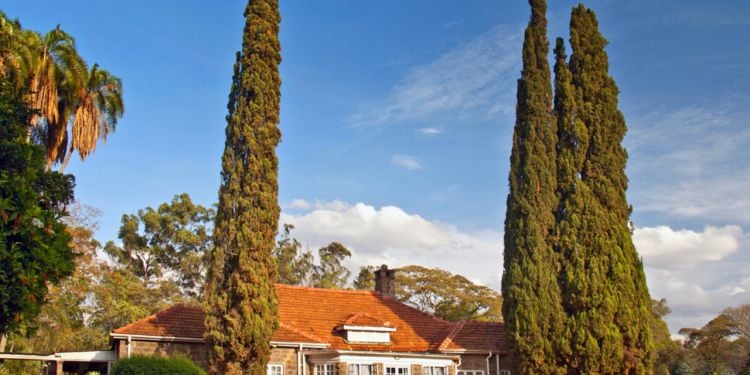
Karen attracts families with its expansive tree-lined properties, tranquility, and green spaces. Located southwest of Nairobi, this leafy neighborhood hosts Lycée Denis Diderot and several international schools. Rents for a 3-bedroom house vary from KES 150,000 to KES 300,000 monthly. The Giraffe Manor and Karen Blixen Museum add to the area's charm.
Lavington offers balance between accessibility and tranquility. This upper-middle-class residential neighborhood provides apartments and houses at slightly lower prices than Karen, with rents of KES 100,000 to KES 200,000 for a 3-bedroom house. Local shops and public transport are easily accessible.
Kilimani draws a young, dynamic population with its modern apartments and numerous restaurants. More central than Karen, this neighborhood allows quick access to the business district. Rents for a 2-bedroom apartment sit between KES 60,000 and KES 120,000 monthly.
Runda and Kitisuru are Nairobi's most exclusive neighborhoods, featuring sumptuous villas in ultra-secure estates. Embassies and diplomatic residences are numerous here. Rents often exceed KES 300,000 monthly for large properties.
Rental procedures
Renting property in Kenya typically requires paying several months upfront. Standard practice demands 3 months' security deposit plus 1 or 2 months' rent in advance, totaling 4 to 5 months' rent initially. Some landlords also request one month's agency fees.
Standard leases run 1 year renewable. Ensure the contract clearly specifies which charges are included or excluded from rent: water, electricity, common area maintenance, security. Most leases stipulate that tenants cover water and electricity bills.
Inspect the property personally and verify installations before signing. Establish a detailed inventory with photos to avoid disputes when recovering your deposit. Landlords typically require professional references and proof of stable income.
Buying property in Kenya
Although many expats moving to Kenya may prefer the convenience of renting property, expats and non-Kenyan citizens are legally able to purchase ...
Planning your international move
Preparing a move to Kenya requires anticipation and solid organization. Between shipping personal effects, customs formalities, and settling in, allow several months to coordinate everything smoothly. Here's a detailed checklist of steps to ensure a successful relocation.
- Choose your shipping method: Sea freight remains most economical for large volumes, with transit times of 4 to 8 weeks from Europe or North America. Air freight, faster but costlier, suits essential or urgent items. Obtain detailed quotes from international moving companies specializing in Kenya relocations.
- Prepare your documentation: Your passport, visa or work permit, detailed inventory of goods in English with estimated values, purchase receipts for valuable items, and change of residence certificate are essential for customs clearance.
- Understand customs regulations: New residents generally receive duty exemption on used personal effects, provided goods arrive within 90 days before or after the owner's arrival in Kenya. New or recently purchased items may be taxed.
- Know the restrictions: Certain items are prohibited or require special authorization, including weapons, certain medications, antique art objects, and food products. Verify the complete list with Kenyan customs before packing.
- Purchase shipping insurance: All-risk insurance covers your belongings against breakage, theft, and loss during international transport. Cost typically represents 1 to 3% of the declared value of insured goods.
- Arrange temporary accommodation: Book accommodation for your first weeks while finding permanent housing. Many hotels and serviced residences offer attractive monthly rates for extended stays.
- Plan for storage: If you arrive before your belongings, research temporary storage solutions in Nairobi or Mombasa. Some moving companies offer this service while you secure permanent housing.
- Facilitate customs clearance: Engage a local customs agent or use your international mover who typically has local partners. They'll handle administrative formalities and expedite collection of your goods.
- Set your budget: Expect USD 4,000 to USD 10,000 for a complete sea shipment from Europe or North America, depending on volume and included services. Budget additionally for potential customs fees and contingencies.
- Coordinate your arrival: Time your arrival with your shipment or plan to arrive earlier to finalize your setup. Ensure you have your mover's and local agent's contact information readily accessible.
A well-organized move will help you start your new life in Kenya under the best conditions, without unnecessary stress.

Moving with your pet to Kenya
Pets are considered an important part of the family, and many expats wish to bring their cat or dog with them when relocating to Kenya. Provided your ...
Leisure, culture, and outdoor adventures
Kenya delivers exceptional cultural and natural wealth that expatriates truly appreciate. Between safaris in world-renowned national parks, relaxation on dream beaches, and vibrant urban life, the country allows balancing professional quality of life with diverse leisure activities. The variety of experiences ensures everyone finds their passion, from nature lovers to culture enthusiasts.
National parks and reserves
Nairobi National Park presents a unique curiosity: located just 7 kilometers from downtown, it allows observing lions, giraffes, rhinos, and zebras with skyscrapers in the background. Perfect for a half-day safari without leaving the capital.
Maasai Mara remains the country's most celebrated reserve. From July to October, the Great Migration sees millions of wildebeest, zebras, and gazelles cross the Mara River, offering an unforgettable natural spectacle. Luxury lodges provide guided safaris and hot air balloon flights at sunrise.
Amboseli, at the foot of Kilimanjaro, offers spectacular views of Africa's highest mountain. Elephant herds moving before the snow-capped summit create extraordinary photographic scenes.
Lake Nakuru was famous for its millions of flamingos, though numbers have declined in recent years. The park nevertheless hosts rich wildlife including black and white rhinos, leopards, and buffalo.
Tsavo East and West, Kenya's largest parks, offer varied landscapes ranging from semi-arid savanna to lush riverine forests. Less crowded than Maasai Mara, they allow more intimate safari experiences.
The coast and beaches
Kenya's coastal beaches rival the world's finest tropical destinations. Diani Beach, south of Mombasa, stretches 17 kilometers of white sand bordered by palms and turquoise waters. Water sports reign supreme: diving, snorkeling, kitesurfing, and sailing. Coral reefs protect against sharks and harbor exceptional marine life.
Watamu, further north, attracts divers and snorkelers to its protected marine park. Sea turtles come ashore to nest between March and July. The village maintains an authentic, laid-back atmosphere.
Malindi combines paradise beaches with historical heritage through its Swahili and Portuguese ruins. The old town testifies to centuries of trade between Africa, Arabia, and India.
Lamu, a UNESCO World Heritage site, represents Swahili culture in its purest expression. This car-free island is explored on foot or by traditional dhow. Swahili architecture, carved doors, and timeless ambiance make it a unique destination.
Urban activities and nightlife
Nairobi offers a dynamic cultural scene with art galleries, theaters, and concert venues. The Nairobi National Museum traces Kenya's history from prehistory onward, while the Karen Blixen Museum immerses visitors in the "Out of Africa" author's world. Contemporary art enthusiasts appreciate Rosslyn galleries and regular exhibitions at the GoDown Arts Centre.
Nightlife centers primarily in Westlands with its numerous bars, restaurants, and clubs. The neighborhood particularly comes alive on weekends with a cosmopolitan vibe. Restaurants serve cuisines from around the world, from Indian to Japanese to Italian and Continental.
Village Market and Sarit Centre are expatriates' favorite shopping malls, combining retail, multiplex cinemas, and restaurants. They regularly host family events and artisan markets.
Sports and outdoor activities
Kenya features numerous quality golf courses, including Muthaiga Golf Club and Karen Country Club in Nairobi. Hiking enthusiasts can explore Mount Kenya, Africa's second-highest peak, or Rift Valley trails. Cycling is developing with clubs organizing rides and competitions.
Rift Valley lakes like Naivasha enable sailing, kayaking, and birdwatching. Hell's Gate National Park, near Naivasha, allows visitors to walk or cycle among wildlife, a rare experience in Africa.

Daily life essentials
Daily life in Kenya blends urban modernity with local traditions. Adapting to the country's specifics facilitates integration and enhances your expatriate experience. Between transportation, food, security, and services, here's what you need to know to navigate smoothly in your new Kenyan life.
Getting around Kenya
In major cities, matatus (colorful minibuses) are the most popular and economical transport. Crowded and chaotic, they follow fixed routes but can be confusing for newcomers. Urban buses offer a more comfortable alternative. In Nairobi and Mombasa, Uber and Bolt work perfectly and represent the most practical option for expatriates with reasonable fares.
The SGR (Standard Gauge Railway) connects Nairobi to Mombasa in approximately 5 hours, offering modern, comfortable service. Tickets cost between KES 1,000 and KES 3,000 depending on class. This train provides an excellent alternative to long road journeys.
If driving, note that traffic flows on the left. An international driver's license is temporarily accepted, but you'll need to obtain a Kenyan license after a few months. Road conditions vary considerably: excellent in city centers and major highways, they may feature numerous potholes elsewhere. Traffic jams in Nairobi and Mombasa during rush hours are legendary; allow extra time for travel.
Shopping and dining
Local markets offer fresh fruits, vegetables, and meats at very affordable prices. They provide an authentic experience and allow discovering local products. Major supermarkets like Naivas, Carrefour, and Tuskys are well-stocked with international products, easing the transition for expatriates.
Kenyan cuisine deserves discovery. Nyama choma (grilled meat, usually goat or beef) is the national dish, often served with ugali (maize porridge). Sukuma wiki (sautéed kale) and chapati accompany most meals. Restaurants serve cuisines from around the world: Indian, Chinese, Italian, Japanese, and Continental. Westlands and Karen neighborhoods concentrate the best addresses.
Security considerations
Kenya requires reasonable vigilance without becoming paranoid. Residential neighborhoods where expatriates live are generally very secure, often organized as gated communities with 24-hour guards. Within these complexes, you can move freely and safely.
In tourist areas and city centers, pickpockets and snatch thefts occur. Avoid displaying valuables, phones, and jewelry. Don't walk alone late at night in less-frequented neighborhoods. Use taxis or ride-hailing services for evening travel.
Terrorism risk exists, linked to Al-Shabaab group activities based in Somalia. Attacks remain rare but have occasionally affected Nairobi and the Somali border region. Border areas with Somalia are formally discouraged. In crowded public places (shopping malls, hotels), stay alert to your surroundings.
Essential services
Major Kenyan banks include KCB, Equity Bank, Co-operative Bank, plus international subsidiaries like Barclays and Standard Chartered. Opening a bank account requires passport, residence permit, and proof of address. The M-Pesa system, mobile money pioneer, is omnipresent in Kenya. This app allows paying for practically everything, from groceries to bills, directly from your phone.
Electricity operates at 240V. Occasional outages occur, particularly during rainy season. Many residences have backup generators. Tap water isn't potable everywhere. It's recommended to filter, boil, or consume bottled water.
Internet is generally reliable in urban areas. Fiber optic is available in most residential neighborhoods in Nairobi and Mombasa. 4G mobile covers the country extensively. Main operators are Safaricom and Airtel, offering competitive voice and data packages.
Culture and society
Kenya is a mosaic of over 42 ethnic communities, with Kikuyu, Luhya, Luo, Kamba, and Kalenjin being the largest. Each group has its own language, traditions, and customs. English and Kiswahili serve as common languages, facilitating communication.
The population is predominantly Christian (83%), with 47.7% Protestant and 23.4% Catholic. Muslims represent 11.2% of the population, mainly along the coast. This religious diversity coexists harmoniously.
Kenyans are generally welcoming and warm toward expatriates. The pace of life is more relaxed than in Western countries. The expression "pole pole" (slowly, slowly in Kiswahili) summarizes this philosophy. Patience and flexibility will help you adapt smoothly to the local rhythm.


Cost of living breakdown
Kenya displays a substantially lower cost of living than Western standards, allowing expatriates to enjoy comfortable purchasing power. Expenses vary considerably depending on lifestyle, chosen neighborhood, and service usage. The data presented below comes from Numbeo and reflects average prices observed in August 2025. Overall, Kenya's cost of living runs approximately 56.3% lower than Germany, with particularly advantageous rental rates.
Monthly budget for a single person
The following table details typical monthly expenses for a person living alone in Nairobi, including rent in a central or mid-range residential neighborhood.
Expense category | Amount (KES) | Equivalent (USD) |
1-bedroom apartment city center | 70,000 | 540 |
Utilities (electricity, water, internet) | 12,000 | 93 |
Groceries and food | 25,000 | 193 |
Restaurants and dining out (5-10 meals) | 15,000 | 116 |
Transportation (taxi/Uber + fuel) | 18,000 | 139 |
Leisure and gym membership | 10,000 | 77 |
Mobile phone | 2,500 | 19 |
MONTHLY TOTAL | 152,500 | 1,177 |
Sources: Numbeo Kenya (August 2025 data)
Monthly budget for a family of four
Families with children enrolled in international schools must budget considerably higher, primarily due to substantial tuition fees. The table below presents an estimate for a family of four (2 adults and 2 children) living in a residential neighborhood like Karen or Westlands.
Expense category | Amount (KES) | Equivalent (USD) |
3-bedroom house residential area | 180,000 | 1,389 |
Utilities (electricity, water, gas, internet) | 25,000 | 193 |
Groceries and food | 60,000 | 463 |
Tuition 2 children (international schools, monthly) | 650,000 | 5,016 |
Transportation (2 vehicles, fuel, maintenance) | 45,000 | 347 |
Household help and security | 35,000 | 270 |
Private health insurance family | 15,000 | 116 |
Restaurants and family outings | 25,000 | 193 |
Children's activities (sports, cultural) | 20,000 | 154 |
Phone and internet | 5,000 | 39 |
MONTHLY TOTAL | 1,060,000 | 8,180 |
Sources: Numbeo Kenya (August 2025 data), international school estimates
Practical price benchmarks
To provide concrete insight into daily living costs, here are some average prices: a meal at an inexpensive restaurant costs approximately KES 800, while a meal for two at a mid-range restaurant runs KES 4,000. A local beer at a bar costs KES 300 and a cappuccino KES 350. A liter of milk is KES 150, a dozen eggs KES 350, and a kilogram of chicken KES 650. A cinema ticket is KES 1,000 and monthly gym membership ranges from KES 5,000 to KES 10,000.
These figures provide a general overview, but your actual expenses will depend on your lifestyle choices and priorities. Kenya enables a comfortable lifestyle with a reasonable budget compared to Western standards.
In brief
Moving to Kenya offers a unique experience combining professional opportunities in a dynamic economy, advantageous cost of living, and exceptional quality of life between wilderness and paradise beaches. Whether you're coming to work in Nairobi's financial sector, launch a venture in the flourishing Silicon Savannah tech ecosystem, or simply enjoy the climate and landscapes while working remotely, Kenya will win you over. Infrastructure is developing rapidly, the private healthcare system offers quality care, and international schools guarantee excellent education for your children. Adaptation requires some adjustments and reasonable vigilance, but expatriates quickly fall under this multifaceted country's spell. To connect with fellow expats, share experiences, and ask questions, join the community on expat.com's Kenya forum. Karibu Kenya, welcome to Kenya!
We do our best to provide accurate and up to date information. However, if you have noticed any inaccuracies in this content, please contact us.


News & testimonies

Protests and deaths following Kenya's Finance Bill raise international concern
The latest tax reform in Kenya has sparked intense protests and unrest. The BBC and France 24 report that at least 39 people were killed during the protests, while local news outlets say the death toll rose to 19 people. The situation has escalated and is drawing international attention and concern.

Going to highschool in Africa: A young Costa Rican blogger in Kenya
We have always given the floor to adults, but never to teenagers. She is in high school, she can't buy alcohol or cigarettes and yet, Adri, 17, has already lived abroad over some years, and seen more countries than many adults. In January 2016, she moved with her parents to Kenya, and discovered Africa for the first time. She shares with Expat.com her thoughts about being an expat and a teenager in Kenya.

Frances in Nairobi: "It's an extremely exciting place to live at the moment with a tech boom"
With her husband in love with East Africa, Frances decided to leave England for Tanzania. Now, she is living in Nairobi, Kenya's capital city. She gives us her feelings about how's expat life is in this beautiful country.

A Kenyan-Texan family
My name is Rachel. I am from all over Texas in the US. I am now living in a town on the coast in Kenya, called Kilifi.
Essential services for your expat journey



