

For a first-time applicant, understanding how to get a passport early can make the process easier to organize. As a third-party passport-preparation service, MyPassportHub's role is to help applicants prepare forms, organize the information required, and identify inconsistencies before submission. It does not issue passports or make decisions on applications. That distinction matters when planning an international move: preparation services can help with the paperwork, while the traveler remains responsible for meeting the requirements that apply to the application and destination.
Moving abroad from the U.S.? Your essential identity and travel documents checklist
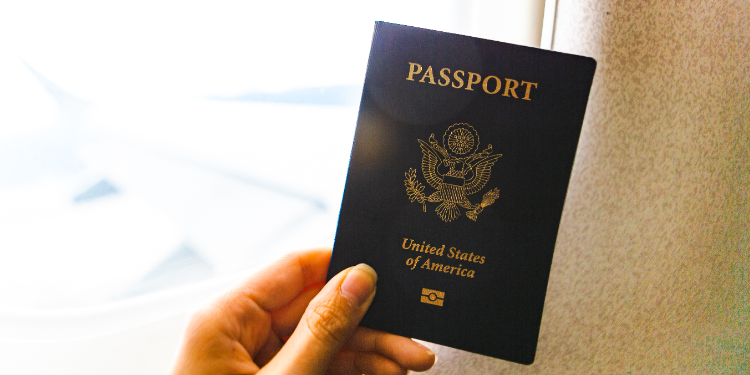 © jennimareephoto / Envato Elements
Moving abroad as a U.S. citizen involves much more paperwork than taking an international vacation. Before departure, you may need to prove your identity, immigration status, employment, qualifications, finances, health coverage, and family relationships—sometimes several times during your first months in a new country. Passport preparation should therefore be one of the first items on the relocation timeline. Giving yourself enough time to prepare the correct form and supporting documents can help prevent avoidable delays before your travel plans depend on them.
In this article
- 1. Check Your Passport Before You Build the Move Around It
- 2. Treat Passport Preparation as a Consistency Check
- 3. Keep Your Passport Separate From Your Right to Live Abroad
- 4. Gather Civil and Family Records Before Departure
- 5. Prepare Employment and Education Documents
- 6. Build a Financial and Administrative File
- 7. Organize Health and Insurance Records
- 8. Keep Arrival Documents Within Reach
- Turn Your Paperwork Into a Timeline
1. Check Your Passport Before You Build the Move Around It
Do not look only at whether your passport is valid today. Check how long it will remain valid after your planned arrival and whether your destination imposes additional passport-validity conditions.
Requirements differ by country and itinerary. The IATA Travel Centre provides passport, visa, and health-document information based on factors such as nationality and destination.
If you are moving with a spouse or children, check each person's passport separately. Different expiration dates are easy to overlook when one person is organizing the household's relocation.
Also compare the name printed on the passport with the name being used for flight reservations and other important travel documents.
What if you have recently married or changed your surname?
For married women—and anyone else considering a surname change—marriage itself does not mean every document changes automatically. If you continue using the same surname after getting married, there is no passport-name change to make simply because your marital status has changed.
Taking a spouse's surname nevertheless remains common in the United States. Research from Pew Research Center found that most women in opposite-sex marriages surveyed had taken their spouse's last name, although keeping or hyphenating a surname are also established choices.
If you do adopt a new surname, include your passport in the wider list of records that need attention. Timing is especially important when flights have already been booked. Until the passport has been updated, reservations should generally be made in the name shown on the passport you intend to travel with. British Airways' guidance for travelers using a maiden name after marriage, for example, states that passport and ticket details must correspond.
Do not assume that carrying a marriage certificate will automatically resolve a mismatch at check-in. Airline procedures for corrections vary, so confirm the policy before booking or changing either the passport or an existing ticket.
For someone relocating rather than taking a short holiday, the same consistency is worth checking across visas, residence documents, employment records, insurance paperwork, and other records that will be used after arrival.
Join the community
Get regular tips and advice to make the most of your expat life
2. Treat Passport Preparation as a Consistency Check
One practical lesson from passport form preparation is that possessing the necessary documents is only part of the job. The information across those documents also needs to make sense together.
Typical error-checking therefore involves more than confirming that every field has something written in it. Applicants should pay particular attention to:
- choosing the appropriate application route for their circumstances rather than assuming every passport request is a standard renewal;
- making sure names, dates, and other biographical information are consistent across the form and supporting evidence;
- accounting for a previous or newly adopted surname where relevant;
- preparing the physical supporting documents and copies required for the application;
- checking that the passport photo satisfies the applicable specifications;
- and following the signing and submission instructions for the particular form being used.
Name changes are a good example of why this matters. A recent marriage may affect not just what surname appears on the application but also which supporting document is needed and whether other travel records have already been created under the old or new name.
This is where a third-party preparation service can have a useful but limited role: helping an applicant organize and review the paperwork before it enters the formal application process. It cannot guarantee an approval, but it can help identify avoidable inconsistencies before they become part of a larger relocation problem.
3. Keep Your Passport Separate From Your Right to Live Abroad
A passport establishes identity and nationality for international travel. It does not, by itself, give a U.S. citizen the right to live or work indefinitely in another country.
Depending on your destination and circumstances, you may need a work visa, residence permit, student authorization, dependent status, digital-nomad permission, or another immigration document.
Research those requirements separately from the passport process. If an employer, university, lawyer, or relocation provider is managing part of your immigration application, ask for a written breakdown of responsibilities. Know which documents they will obtain and which ones you must supply.
Timing matters here as well. A valid passport may be needed before another immigration process can progress, so an overlooked passport issue can affect more than the flight itself.
4. Gather Civil and Family Records Before Departure
Passports and visas are only the beginning.
Depending on your circumstances, you may need birth certificates, marriage certificates, divorce records, adoption paperwork, name-change documents, or records establishing parental relationships. Families moving with children may also need school records, vaccination histories, or custody documentation.
Allianz Care's moving-abroad document checklist also highlights records such as qualifications, legal documents, vaccination documentation, medical information, and prescriptions.
Do not assume an ordinary photocopy or phone photograph will be accepted for every procedure. Some organizations may require an original, certified copy, official translation, or authenticated document.
Identify these requirements before leaving the United States wherever possible. Obtaining another copy of a civil or professional record can become considerably more inconvenient once you are living several time zones away.
5. Prepare Employment and Education Documents
A move for work creates another layer of paperwork.
Keep copies of your employment contract, offer letter, professional licenses, diplomas, certificates, references, and relevant academic transcripts. Certain occupations may require qualifications to be verified or recognized locally before you can begin working.
If your employer is coordinating the relocation, confirm what its HR or global-mobility team expects before departure. Do not assume that employer sponsorship means every document is being handled for you.
It can also help to separate professional records from passport and immigration papers. After arrival, an employer, professional body, university, or other institution may need documents that have nothing to do with border entry.
6. Build a Financial and Administrative File
Financial paperwork is easy to postpone, yet it can affect practical tasks such as renting a home, establishing services, or opening an account.
Consider keeping recent bank statements, proof of income, employment records, tax documents, insurance information, and evidence of your current address.
Before moving, review the accounts you intend to maintain in the United States. Confirm that contact information is current and consider how security codes and account-verification messages will reach you after the move.
Keep sensitive financial records separate from general travel paperwork. If a bag, folder, or device disappears, you do not want every important identity and financial document to disappear with it.
7. Organize Health and Insurance Records
Medical paperwork becomes more important when your usual healthcare providers are thousands of miles away.
Collect relevant medical and dental records, vaccination documentation, prescription information, and summaries of ongoing treatment. If you use prescription medication regularly, discuss the move with an appropriate healthcare professional and investigate how the medication is regulated or supplied in your destination.
You should also distinguish between insurance intended for a short trip and coverage appropriate for someone actually living overseas. Eligibility, exclusions, and healthcare systems vary considerably between countries.
Keep essential health information accessible during the journey rather than placing the only copy in shipped belongings.
8. Keep Arrival Documents Within Reach
Do not put irreplaceable documents in checked luggage or a moving container.
Passports, immigration documents, accommodation information, employment paperwork, insurance records, essential health documents, and important contact details should remain accessible throughout the journey.
Expat.com's own move abroad checklist recommends beginning passport, visa, work-permit, school-document, and other administrative preparations well before departure.
Secure digital backups can also be useful, but protect them appropriately. A folder containing identity documents, financial information, and family records should not be left in an unprotected shared drive or email account.
Turn Your Paperwork Into a Timeline
A document checklist becomes much more useful once deadlines are attached to it.
Three months or more before departure, concentrate on passports, immigration permissions, civil records, professional credentials, and documents that may take time to replace, certify, authenticate, or translate.
One to two months before departure, organize financial records, medical information, insurance documents, housing paperwork, and school records. Check whether any name changes have created inconsistencies between passports, tickets, visas, or other documents.
During the final week, check every family member's passport again and confirm that the originals needed during travel are in carry-on luggage rather than packed with household belongings.
For U.S. citizens moving overseas, the goal is not to take every document they have ever owned. It is to arrive with reliable evidence of who they are, why they are there, and what they need to establish their new life.
Starting early also leaves room for the small discrepancies that are easiest to solve at home—an expiring passport, a missing civil record, or a surname that has been updated in one place but not another—before they become much larger problems abroad.

Comments
Essential services for your expat journey

Choose the best health insurance
Protect your health and get easy access to treatment for expats.

Plan your international move
Facilitate your move by getting a quote from our top rated movers.

Open a bank account that suits you
Discover the best international banks to manage your money securely.

International life insurance
Simple term-life insurance covering you & your family across borders
Further reading
Marrying a Mauritian: When saying “I do” changes your immigration status
Moving to Mauritius? The permit conditions you may have missed
Why are more expats choosing dual citizenship?
Common mistakes to avoid when retiring abroad
Air travel in the EU: New rules to better protect passengers
Retiring in the EU: Track your pension rights online
Join the community
Get regular tips and advice to make the most of your expat life