Living in Montreal: the ultimate expat guide
Everything you need to know for a successful life in Montreal.
Montreal is one of Canada's largest cities and Quebec's cultural capital, blending European charm with North American energy. The city sits on an island in the St. Lawrence River, offering both urban sophistication and access to nature. Montreal's affordable cost of living compared to Toronto and Vancouver, combined with its rich cultural scene, makes it an attractive destination for international professionals, students, and families.
Five good reasons to move to Montreal
- Affordability: Montreal has significantly lower housing costs than other major Canadian cities, making it one of Canada's most budget-friendly urban centres.
- Cultural richness: The city hosts dozens of festivals annually, including the renowned Festival International de Jazz de Montréal and Just for Laughs, alongside world-class museums and a thriving arts scene.
- Education excellence: Home to McGill University and other prestigious institutions, Montreal attracts students from over 150 countries with high-quality programs at reasonable tuition rates.
- Bilingual advantage: The city's French-English bilingualism creates unique professional opportunities and cultural experiences.
- Quality of life: Montreal offers excellent public transportation, safe neighborhoods, diverse cuisine, and easy access to outdoor activities—from Mount Royal's hiking trails to winter sports in the nearby Laurentian Mountains.
Working in Montreal
Among the main pillars of Montreal's economy are aerospace, artificial intelligence, video game development, film production, and life sciences. The city hosts major employers like Bombardier, CAE, and hundreds of tech startups. While French is the official language of business in Quebec, many international companies operate in English, particularly in technology and finance sectors.
Key industries
The aerospace industry is a key employer, while the technology sector, particularly video game development with major international studios, has established the city as a global leader. Healthcare and creative industries also provide significant employment opportunities across the metropolitan area.
Work permits and procedures
International workers need either an employer-specific work permit or an open work permit to work legally in Montreal. The employer-specific permit requires a job offer from a Canadian employer who has obtained an LMIA (Labor Market Impact Assessment) proving no Canadian citizen or permanent resident is available for the position. Some occupations are LMIA-exempt under international agreements. Young professionals aged 18-35 from eligible countries may apply for the International Experience Canada (IEC) program, which offers working holiday permits.
Unemployment rate | 6.1% |
Average monthly salary (net) | CAD 4,145 |
Key sectors | Aerospace, AI/tech, film, healthcare |
Data correct as of December 2025.
Sources: Statistics Canada, Numbeo
🔍To learn more

Higher education & universities
Montreal is home to some of Canada's most prestigious universities and offers programs in both English and French, with internationally recognized institutions providing diverse academic pathways.
Major universities and programs
McGill University, consistently ranked among the world's top 30 universities, is an English-language institution with two campuses. Founded in 1821, McGill is renowned for its Faculty of Medicine, Faculty of Law, and Desautels Faculty of Management. While the primary language of instruction is English, students may submit some written work in French. Concordia University is another major English-language institution that excels in fine arts, business, and engineering programs. Its John Molson School of Business ranks among Canada's top business schools. Université de Montréal (UdeM), Quebec's largest university, offers its programs primarily in French. It ranks highly in life sciences and medical research. Other institutions include École Polytechnique de Montréal and HEC Montréal.
Admission process
Admission requirements for universities in Montreal vary by institution and program but typically include academic transcripts, language proficiency tests (IELTS or TOEFL for English programs; DELF/DALF for French), letters of recommendation, and a statement of purpose. International students must obtain a study permit from Immigration Canada and a Certificat d'acceptation du Québec (CAQ) from the provincial government before arriving.
Sources: McGill University, Concordia University, Université de Montréal
Universities in Montreal
Choosing to study in Montreal is a very good decision. According to the QS Best Student Cities 2023 ranking, this Quebec metropolis has been ...
Schooling for children
Quebec's education system differs from other Canadian provinces, with students attending elementary school (grades 1-6), secondary school (grades 7-11), and then CEGEP (pre-university or technical college) before university. Public education is free for residents, but many expat families choose private or international schools to maintain curriculum continuity or ensure English-language instruction.
International and private schools
Montreal hosts numerous international schools catering to expat families. The Sacred Heart School of Montreal offers an all-girls English Catholic education for grades 7-12. Kuper Academy in Kirkland provides bilingual education from preschool through grade 11 and Lower Canada College (LCC) offers the International Baccalaureate program for grades K-12. Other international and private schools in Montreal include Collège International Marie de France (CIMF) and Alexander von Humboldt School.
Enrollment process
Prospective students of private schools typically have to provide previous academic records, sit an entrance exam and attend an interview. Application deadlines often fall in January or February for the following September. Many schools offer financial aid or sibling discounts.
Sources: Sacred Heart School of Montreal, Lower Canada College
Housing & neighbourhoods
Montreal's housing market offers better affordability than Toronto or Vancouver, though prices have risen steadily in recent years. The city features diverse neighbourhoods, from historic Old Montreal to family-friendly suburbs.
Popular neighbourhoods for expats
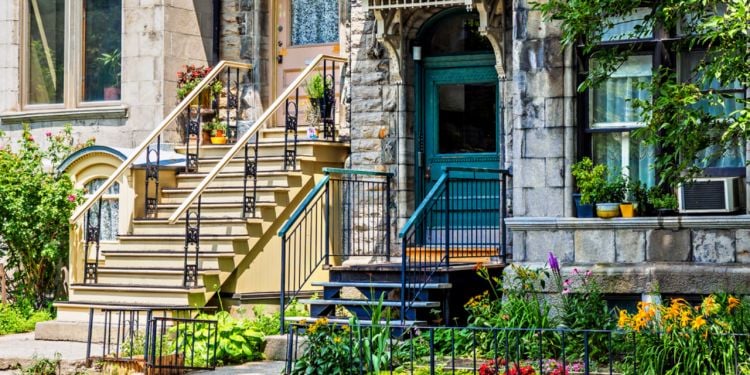
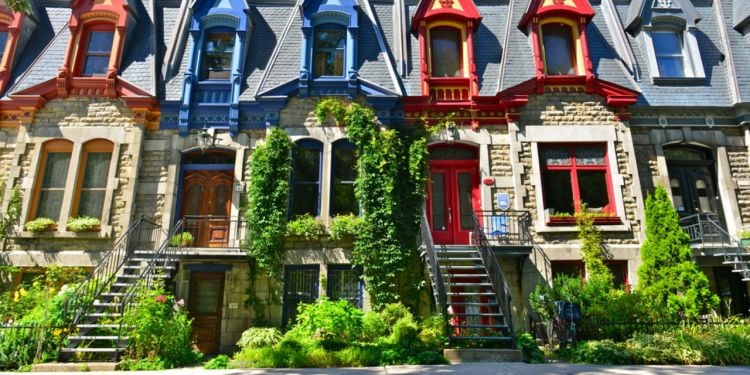
The Plateau-Mont-Royal is a prime area for young professionals and students, characterized by its charming tree-lined streets, thriving café culture, and vibrant arts scene. Westmount and Outremont are sophisticated, high-end residential neighbourhoods that attract families due to their excellent schools and parks. Families seeking a quieter, suburban lifestyle often choose the West Island (including Beaconsfield and Pointe-Claire), which features larger homes and established English-language schools.
Rental procedures and rental costs
Landlords usually require proof of employment, references, and first month's rent. Quebec law prohibits security deposits. Lease agreements are regulated by the Régie du logement (Tribunal administratif du logement), protecting tenants from arbitrary rent increases. Most apartments are unfurnished, and tenants often purchase appliances if not included.
1-bedroom apartment in the city center | CAD 1,500 - 2,000/month |
3-bedroom apartment in the city center | CAD 2,500 - 3,500/month |
Data correct as of December 2025.
Source: Numbeo
🔍To learn more
Leisure, culture & things to do
Montreal's cultural calendar overflows with year-round activities, from world-renowned festivals to neighbourhood street parties. The city has earned UNESCO City of Design status and is said to host more festivals per capita than any other North American city. On top of the festivals, there is plenty more to see and do in Montreal.
Cultural highlights
The Montreal Museum of Fine Arts showcases over 44,000 works from ancient to contemporary periods, featuring regular international exhibitions. The McCord Stewart Museum chronicles Montreal's social history through photographs, indigenous artifacts, and historical costumes. Pointe-à-Callière offers archaeological exhibitions and underground tours through 17th-century ruins at the place where Montreal was founded. Montreal Science Centre provides interactive exhibits and IMAX experiences, while Espace pour la vie—the world's largest natural sciences complex—encompasses the Biodôme, Insectarium, Botanical Garden with 22,000 plant species, and Planetarium.
Outdoor life and leisure
The Festival International de Jazz de Montréal presents over 500 concerts annually, including numerous free outdoor performances. Just for Laughs attracts international comedians each July, while the Montreal International Fireworks Competition illuminates summer skies. Osheaga features major rock, pop, and electronic acts, complemented by POP Montreal's independent artist showcases. Winter brings Igloofest's outdoor electronic music and Montréal en Lumière's celebration of food and performing arts.
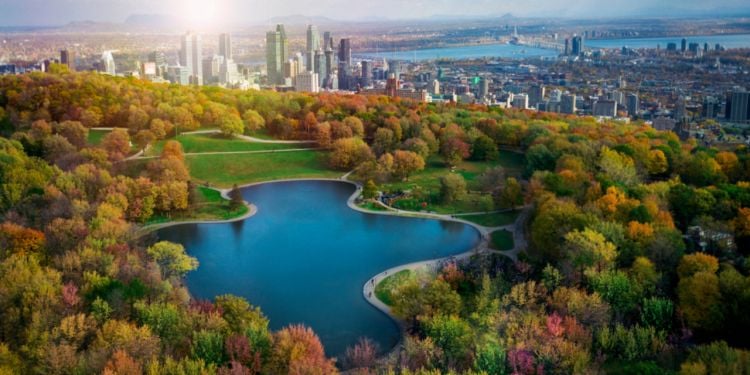
When it comes to enjoying the great outdoors, Montreal doesn't lack for green spaces. Mount Royal Park spans 470 acres with forests, trails, and panoramic overlooks. The Lachine Canal is a great place for kayaking and cycling, while over 600 parks provide year-round recreational opportunities including skating, cross-country skiing, and outdoor fitness activities.
🔍To learn more

Activities and leisure in Montreal
Montreal is a vibrant and contemporary city, offering plenty of activities for residents and ...

Montreal's local gastronomy
Let's be honest, cuisine isn't Quebec's strongest asset. Nonetheless, Montreal boasts ...

Sports activities in Montreal
Engaging in sports is an excellent way for expats to unwind and socialize. Here's a glimpse of ...
Daily life
The city experiences four distinct seasons, with cold, snowy winters (December to March) where temperatures can drop to -20°C, and warm, humid summers reaching 30°C. Spring and autumn offer pleasant transitional weather. The city's café culture, outdoor terraces (terrasses), and emphasis on arts and leisure create a European-style atmosphere uncommon in North America.
Getting around
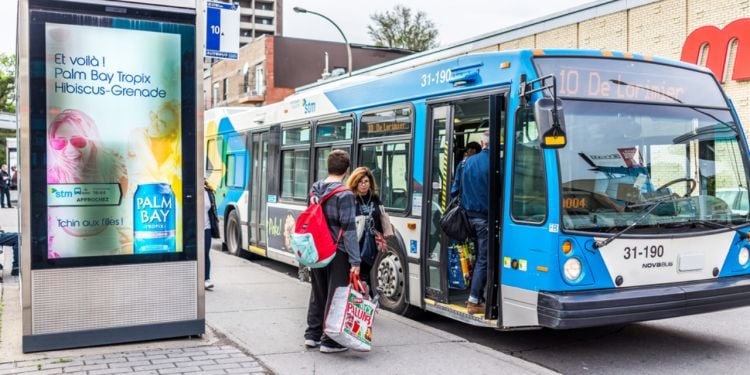
The Société de transport de Montréal (STM) operates an efficient metro and bus network covering the island. The metro system features four colour-coded lines (Green, Orange, Blue, Yellow) running from approximately 5:30 AM to 1:00 AM weekdays, with extended hours on weekends. Montreal residents aged 65+ travel free within Zone A. The new Réseau express métropolitain (REM) light rail system connects downtown with the airport and South Shore suburbs.
Montreal is exceptionally bike-friendly, with over 700 kilometres of cycling paths and the popular BIXI bike-share program offering seasonal memberships and single-trip options. Winter cycling is common among dedicated riders.
Everyday essentials
French is the primary language but English widely understood in central areas and among younger generations. The city's food scene reflects its multicultural makeup, from traditional Quebecois poutine and smoked meat to Vietnamese pho, Portuguese grilled chicken, and Middle Eastern specialties. Jean-Talon Market and Atwater Market offer fresh local produce year-round.
The province celebrates unique holidays like Saint-Jean-Baptiste Day (June 24th) and observes different school break schedules than other provinces.
🔍To learn more
Discovering Montreal
Montreal is a diverse city that draws in investors, families, students, and workers from around the ...

Developing your social circle in Montreal
Building a strong network is crucial for a successful relocation to Montreal. Here are some tips to ...
Modes of transportation in Montreal
Just like any big city, Montreal experiences rush-hour traffic, but the good news is it has a well-functioning public transportation system and ...
Cost of living
The cost of living in Montreal is one of the most affordable costs among major Canadian cities. However, Quebec has some of Canada's highest tax rates, with combined federal and provincial income taxes reaching over 50% for high earners.
Monthly expenses for a single person
Rent of a one-bedroom apartment (city center) | CAD 1,500 - 2,000 |
Utilities | CAD 65 - 220 |
Groceries | CAD 350 - 500 |
Data correct as of December 2025.
Monthly expenses for a family of four
Rent of a three-bedroom apartment (city center) | CAD 2,500 - 3,500 |
Utilities | CAD 200 - 300 |
Groceries | CAD 850 - 1,300 |
Data correct as of December 2025.
In short
Montreal offers expats an exceptional blend of European charm and North American opportunity, all at a fraction of the cost found in other major Canadian cities. The bilingual environment creates unique professional advantages while the thriving cultural scene ensures there's never a dull moment. From world-class universities to family-friendly neighbourhoods, from cutting-edge technology companies to centuries-old cobblestone streets, Montreal truly offers a lifestyle that has something for everyone. For more information, browse our informative articles and join the Expat.com Montreal forum where you can ask questions and pick up tips from other expats who have already made the move to the city.
We do our best to provide accurate and up to date information. However, if you have noticed any inaccuracies in this content, please contact us.


News & testimonies

Surviving four winters in Montreal
Laurene comes from Marseille. Passionate about discovering new cultures and photography, she decided to move to Montreal where she has been living for four years now on a Working Holiday Visa (WHV). Laurene is quite happy with her new life in Montreal – even though she's had a couple of hard times – and speaks to Expat.com about her plans to become a permanent resident.

Life in Montreal on a Working Holiday Visa
Marine comes from Paris. Following her first experience in Quebec in 2012, as an intern, she decided to move back to Canada, and see what the future beholds. Marine is now enjoying a fulfilling experience in Montreal and speaks to Expat.com about how she arrived to Canada for a second time and her day-to-day life in the country.
Canada updates Express Entry categories
In a recent press release, Canada announced the creation of new Express Entry categories. The goal is to continue attracting top international talent in an increasingly competitive global market. Here's what you need to know.

Canada cuts temporary immigration by 43%: What's changing in 2026–2028
Canada continues to captivate expatriates, but entering and staying is becoming increasingly difficult. The immigration slowdown is confirmed. The 2026-2028 plan prioritizes long-term economic immigration and curtails temporary immigration to Canada. Temporary expatriate workers and students are directly targeted by this slowdown.
Essential services for your expat journey