

Living in Argentina: the ultimate expat guide
Everything you need to know for a successful life in Argentina.
Argentina captures the hearts of many expatriates each year with its vibrant culture, spectacular landscapes, and a friendly and joyful way of life. As the second largest country in South America, it offers a rare diversity: from the glaciers of Patagonia to the Iguazu Falls, from the Andes mountains to the vast plains of the pampa, and not to forget the artistic and cosmopolitan vibe of Buenos Aires, its capital.
With approximately 46 million inhabitants, Argentina hosts between 50,000 and 60,000 expatriates, predominantly from Europe (Spain, Italy, Germany, France) and Latin America (Paraguay, Bolivia, Peru). The French community, comprising about 17,000 nationals, is mainly concentrated in Buenos Aires.
5 good reasons to choose Argentina
- An exciting culture: tango, renowned cuisine, passionate football, and a lively nightlife
- An advantageous cost of living: particularly appealing for those earning in euros
- Stunning landscapes: Patagonia, the Andes, Iguazu, glaciers and the pampa
- A welcoming population: a tradition of immigration and openness to foreigners
- A varied climate: options for all tastes, from subtropical to polar
This Expat.com guide supports you through every stage of your relocation: visa procedures, employment, housing, healthcare, daily life, and local integration.
⚠️ Given the significant instability of the Argentine peso, the prices indicated in this guide are provided as a reference only. Their equivalent in euros may fluctuate considerably depending on the exchange rate and the timeframe.
Official language: Spanish | Local currency: Argentine peso (ARS) | Time difference with France: -4 hours in summer, -5 hours in winter | Flight duration from Paris to Buenos Aires: approximately 13 hours 30 minutes |
Formalities and visas in Argentina
If you're planning to move to Argentina, certain administrative procedures are mandatory depending on your nationality and the length of your stay. Citizens of France and other European countries can enter without a visa for a tourist stay of 90 days, which can be extended once. However, if you plan to live and work in Argentina, you will need to secure a residency visa from the local authorities.
There are several types of visas available in Argentina: the work visa, sponsored by a local employer, the rentista visa for individuals with regular passive income, the student visa, and the Working Holiday Visa (WHV), which allows young people aged 18 to 35 to explore the country while working. The application process is handled through the National Immigration Directorate and requires the submission of official documents that are apostilled and translated into Spanish.
Once your residency is approved, you'll need to apply for a DNI (National Identity Document), which is essential for daily activities such as opening a bank account, renting housing, signing a work contract, or accessing public services.
💡 Useful tips
- Start your application process 3 to 6 months ahead of your departure: waiting times can be lengthy.
- Prepare your documents (birth certificate, criminal record check, diplomas...) with the apostille and a certified translation into Spanish.
- The WHV Argentina is perfect for testing the country: it allows you to work legally for a period of one year.
- Regularly check the requirements on the National Immigration Directorate website, as regulations may change.
- Set aside a budget for administrative fees, which vary depending on the visa type (typically around 200 to 300 euros).
📍 To learn more
Visa for Argentina
As an expat in Argentina, you will most likely need a visa of some kind, unless you are planning to ...
Work visas in Argentina
Many people who travel to Argentina and stay for an extended period of time consider getting a job ...
The Working Holiday Visa for Argentina
Do you dream of gaining work experience in Argentina while having enough time to enjoy a variety of ...
Working in Argentina
Argentina offers exciting opportunitiesin various professional sectors despite an economy marked by inflation and significant currency volatility. The job market remains open to qualified expatriates, particularly in technology, language teaching, tourism, and business services. Proficiency in Spanish is essential for most positions, but English is an asset in multinational companies and tech startups. Networking, local references, and word-of-mouth are often the best routes to land a job.
Internships can be pursued with a student visa or through a local university agreement. Starting a business is feasible but requires navigating a complex administrative system and dealing with high taxation.
In-demand profiles:
- Web developers, software engineers, and IT specialists
- Foreign language teachers (French, English, German)
- Tourism, hospitality, and restaurant professionals
- Managers in the food industry, wine sector, and international trade
- Digital marketing and communications specialists
💡 Key points
- The job market is competitive in major cities. A good level of Spanish is often essential.
- Salary levels vary significantly according to sector and location: a qualified professional earns on average between 2,000,000 and 4,000,000 ARS/month (approximately €2,000 to €4,000).
- For entrepreneurs, the system called “Monotributo” is ideal for starting: it simplifies invoicing and social contributions for self-employed individuals.
- Informal work remains common: ensure you obtain a proper contract to benefit from health insuranceand social coverage.
Unemployment rate: 7.6% | Legal working hours: Maximum 48 hours per week | Minimum wage: 1,589 ARS/hour (approximately €1.60) | Income tax: progressive from 5% to 35% | Corporate tax: 35%, VAT at 21% |
📍 Further reading
Finding a job in Argentina
It is not difficult to find a job in Argentina as an expat, as the country is home to numerous ...
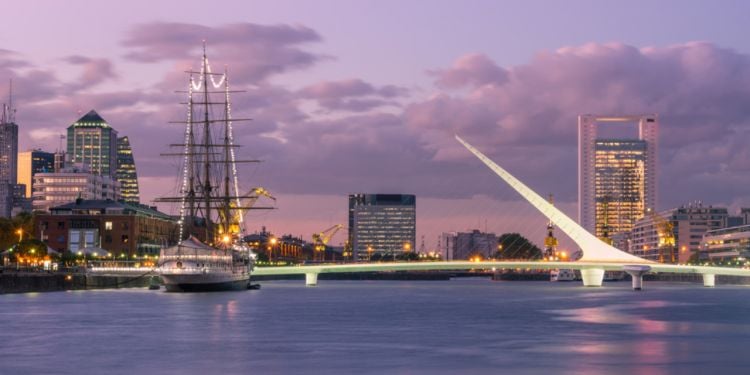
The labour market in Argentina
Since the economic crisis of 2001, the Argentine economy has seriously improved. Several ...

Setting up a business in Argentina
Every year, businessmen and businesswomen from around the world choose to launch their business in ...
Studying in Argentina
Argentina attracts many international students thanks to its tuition-free public universities and vibrant student life. The country boasts over 130 universities, with about fifty being public institutions. Among the most renowned are the University of Buenos Aires (UBA), the National University of Córdoba, the National University of La Plata, and the Torcuato Di Tella University (private).
Why study in Argentina?
Argentinian public universities offer tuition-free education for the first cycle, even for international students, making it a significant advantage for prospective expatriates. Programs cover a wide array of fields, with a particularly strong reputation in medicine, law, social sciences, and the arts. The student life is very dynamic, especially in Buenos Aires and Córdoba, and the cost of living is generally more affordable than in Europe. Courses are taught in Spanish, providing a complete language immersion experience. Private universities offer quality programs, with annual fees ranging from approximately 8,000,000 to 9,000,000 ARS (about €8,500 to €9,500) depending on the institution and the program.
💡 Our tips
- Plan for your enrollment: the recognition of your foreign degrees through the Ministry of Education can take time.
- A minimum B2 level in Spanish is often required; some universities offer preparatory courses.
- Budget for housing: university accommodations are limited, and shared housing is often preferred.
- Check the equivalence of your degrees to facilitate returning to France or enrolling in other countries.
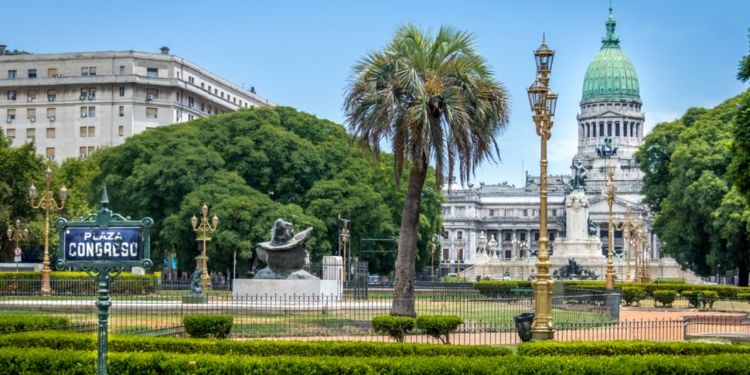
Study in Argentina
Argentina has numerous world-famous universities from which you can choose if you wish to study in the country.
Retiring in Argentina
Argentina may not be a traditional retirement destination for Europeans, yet it is increasingly attracting retirees drawn by its affordable cost of living, pleasant climate (especially in the northwest and Mendoza), and its culturally rich atmosphere with European influences. The majority of foreign retirees are either former expatriates who have worked in the country or individuals with comfortable pensions in strong currencies, ensuring their excellent purchasing power.
3 major advantages
- Affordable cost of living: with a pension in euros, purchasing power is significantly higher than in France.
- Quality of life and cultural richness: vibrant social life, gastronomy, tango, and climate variations across regions.
- Accessible rentista visa: Argentina offers a specific visa for retirees who can prove a regular income.
🔔 Important points
- The legal retirement age in Argentina is 65 years for men and 60 years for women.
- The rentista visa requires proof of a stable monthly income of at least 2,000,000 ARS (approximately €2,000), an amount which may fluctuate with inflation.
- Economic instability and high inflation can quickly affect the cost of living: it’s advisable to prioritize income in euros or other strong currencies.
- To live comfortably in Buenos Aires, with good accommodation, outings, leisure activities, and a few trips, expect a monthly budget between 1,800,000 and 2,800,000 ARS (approximately €1,800 to €2,800), depending on the level of comfort you seek.
Finance and banks in Argentina
Managing your budget effectively is essential for a successful expatriation in Argentina. The country experiences high inflation and significant currency fluctuations, which require constant vigilance. The Argentine banking system is accessible to foreigners, but there are some restrictions related to currency control (cepo cambiario). Opening a local bank account is vital for simplifying your financial transactions, but it requires you to have obtained your DNI.
💡 Our tips
- Open an Argentine bank account as soon as you receive your DNI to receive your wages and manage your daily expenses.
- Familiarize yourself with income tax (Ganancias): it's progressive, ranging from 5% to 35%, and various deductions may apply.
- Argentina still imposes restrictions on the purchase of foreign currency and international transfers, which can change based on the economic situation.
- Maintain savings in euros to protect yourself from inflation and fluctuations of the peso.
- Check the tax treaty between Argentina and your home country: this determines if your income will be subject to taxation once or twice. For instance, France benefits from an agreement that avoids double taxation.
- For your money transfers, services like Wise or Western Union are often more advantageous than traditional banks.
📍 For more information
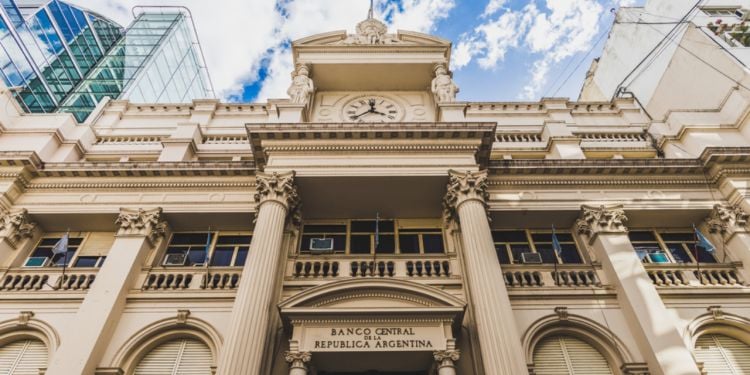

Healthcare in Argentina
The Argentine healthcare system is based on three main models: public healthcare, social health insurance (obras sociales), and private healthcare plans (prepagas):
- The public system is funded by the government and is available free of charge to everyone, without contribution or a specific card. You only need to present your identification at a public hospital (hospital público). While the medical services there are free, the waiting times can often be long, and the facilities can vary depending on the region.
- Social health insurance applies to employees. A portion of your salary is automatically deducted to fund this mandatory health insurance, which is managed by unions. It provides access to a network of affiliated clinics and hospitals, which are often faster and better equipped than the public option, albeit with a limited choice of providers.
- Private health insurance (prepagas) is optional and open to everyone, whether employed or self-employed. They offer superior quality of care, extremely short wait times, a wider choice of doctors and private clinics, and partial or full reimbursement based on your plan. This is the most frequently used system among expatriates.
In the private sector, a consultation typically costs between 8,000 to 15,000 ARS (approximately €8 to €15) for a general practitioner and 15,000 to 30,000 ARS (approximately €15 to €30) for a specialist. A surgical procedure easily exceeds 1,000,000 ARS (approximately €1,000). The cost of a delivery ranges from 500,000 to 1,000,000 ARS (approximately €500 to €1,000), with caesarean sections costing up to 2,000,000 ARS (approximately €2,000).
A typical prepaga costs between 50,000 to 150,000 ARS per month (approximately €50 to €150), depending on age, coverage, and the insurer. Many employers include private health insurance in their expatriate packages.
💡 Important information
- No vaccinations are required to enter Argentina, but universal vaccines (DT-Polio, hepatitis B) and the vaccine against yellow fever are recommended if you’re traveling to the northeast (Iguazú, Misiones).
- The national emergency number is 107.
- The most well-known private hospitals include Hospital Alemán, Hospital Británico, and Sanatorio Mater Dei, all located in Buenos Aires.
- Pharmacies are well-stocked. Many common medications are available without a prescription.
📍 To learn more

The health system in Argentina
Healthcare in Argentina is often very good quality and is considered among the best in Latin America. However, the level of care often depends on the ...
Education and schools in Argentina
The Argentinian education system is mandatory for children aged 4 to 18 and is divided into three stages: inicial (nursery, ages 3-5), primaria (primary, ages 6-12), and secundaria (secondary, ages 13-18). Public education is free and follows a national curriculum in Spanish, while the numerous private schools offer a wide range of quality and pedagogies. Many expats opt for bilingual or international schools to ensure educational continuity and ease any potential transition back to their home countries.
Choosing a school:
- Public Schools: Free for all residents and taught exclusively in Spanish. The academic standard is generally fair, although facilities can vary considerably between institutions. Textbooks, uniforms, and extracurricular activities remain the responsibility of the families.
- Local Private Schools: These vary widely in terms of quality and cost. Tuition fees range from 150,000 to 600,000 ARS/year (approximately 150 to 600 €), depending on the school's reputation, facilities, and services offered. Some bilingual Spanish-English schools are particularly in demand.
- French Schools: There are two institutions accredited by AEFE in Argentina, located in Buenos Aires. These are the Franco-Argentin College of Martínez and the Franco-Argentin Lycee Jean-Mermoz. Both provide the French curriculum with bilingual instruction in French and Spanish. Tuition fees range from 3,800,000 to 9,500,000 ARS annually (approximately 3,800 to 9,500 €) depending on the level (2025 rates).
- International Schools: Found in major cities, particularly in Buenos Aires, these schools offer American (such as Lincoln International School), British (like St. Andrew’s Scots School and Northlands School), or International Baccalaureate programs. Tuition fees are set between 6,000,000 and 25,000,000 ARS/year (approximately 6,000 to 25,000 €) depending on the school's level and reputation.
💡 Practical tips
- Enroll your children early: Waiting lists are common at the top international and French schools.
- Some international schools require admission tests and a minimum language level in English or French.
- Check the recognition of diplomas to facilitate the continuation of studies in France or abroad.
- The Argentinian system values extracurricular activities (sports, arts, music), which are often included in the tuition fees of private schools.
🗺️ Further reading
Accommodation in Argentina
Accommodation poses a major challenge for expats in Argentina, especially in Buenos Aires, where the rental market is regulated and can be quite complex. Lease contracts typically last for three years with an annual adjustment and require a local guarantor or the use of specialized agencies that offer more flexible furnished rentals. In Buenos Aires, a studio rents for between 450,000 and 750,000 ARS/month (approximately €450 to €750), while a three-bedroom apartment goes for between 900,000 and 1,600,000 ARS/month (around €900 to €1,600). In the rest of the country, rents are roughly 30 to 50% lower.
Property purchase is possible for foreigners, with an average price of 1,800,000 to 3,600,000 ARS/m² (approximately €1,800 to €3,600/m²). Additional fees of 6 to 10% apply (notary, agency, taxes). Most transactions are conducted in dollars, although payment can sometimes be made in pesos.
🗺️ Going further
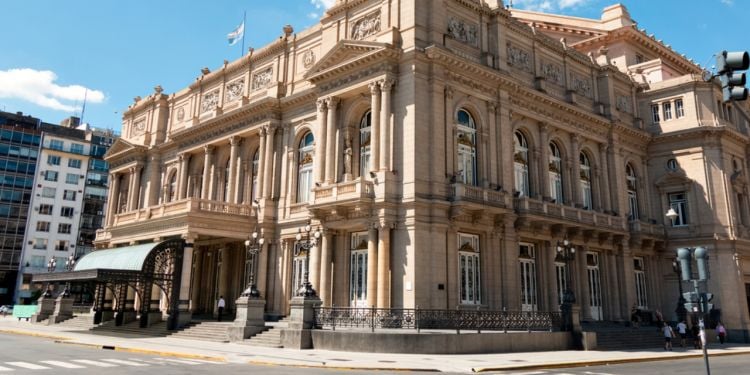
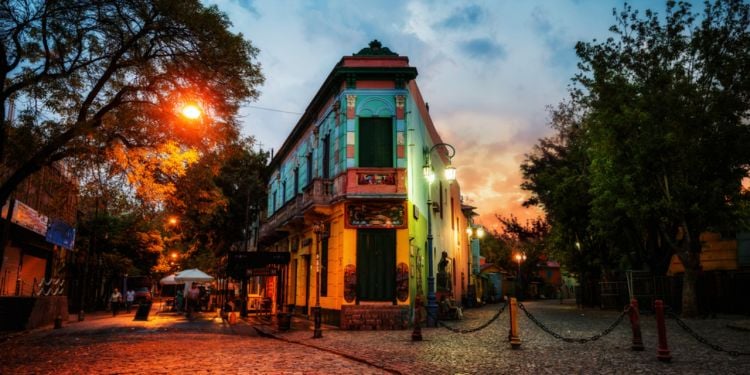
Moving to Argentina
Preparing for an international move to Argentina requires careful planning and organization. From the transportation of your belongings to customs procedures and cultural adaptation, several factors need to be considered in advance:
- Compare quotes from international moving companies, including insurance. The average shipping time by sea from Europe is approximately 4 to 6 weeks.
- Prepare for customs procedures: create a detailed inventory of your belongings and expect to pay customs duties on new or valuable items, estimated at around 50% of their declared value. Generally, used personal effects are exempt.
- Set aside a budget for customs clearance and local transportation from the port, which can range from around 150,000 to 300,000 ARS (approximately €150 to €300).
- Gather your essential documents (diplomas, birth certificate, marriage certificate, medical certificates, driver's license, etc.) with an apostille and a certified translation into Spanish.
- Check the compatibility of your electronic devices: Argentina uses 220 V / 50 Hz with type C and I plugs. Bring adapters as needed.
- If you want to bring a pet, ensure you have the required documents: an international veterinary certificate, up-to-date rabies vaccination (at least 30 days before entry), microchip, and an SENASA import permit. Dogs and cats are accepted without quarantine if all conditions are met.
- Be aware that certain products are banned from importation: meats, plants, large quantities of medications, and counterfeit goods.
📍 To learn more

Move to Argentina
Are you planning to move to Argentina? Find useful tips in this article.

Traveling to Argentina with your pet
If you intend to move to Argentina with your pet, you will have to follow certain procedures and ...
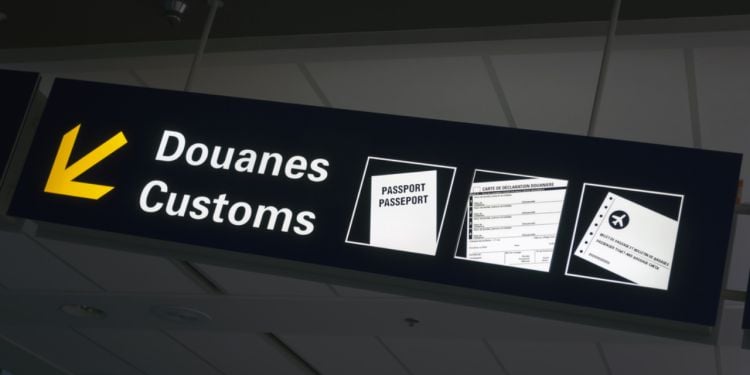
Customs in Argentina
Before traveling to Argentina, you'll need to know what products and objects are authorised in ...
Leisure in Argentina
Argentina boasts an exceptionally rich cultural and natural landscape, ensuring that there’s never a dull moment! The country is famous for its passion for football, its enchanting tango, generous gastronomy (think asado, empanadas, and the exquisite wines from Mendoza), and a warm social life. Argentinians cherish the moments spent over a shared mate, family lunches, or outings with friends in the great outdoors. There is generally a respect for the balance between work and leisure, with weekends dedicated to relaxation and sporting activities. Sports are easily accessible thanks to numerous clubs and facilities: amateur football, rugby, polo, tennis, hiking, skiing in the Andes, rock climbing, or cycling. Gym membership costs between 30,000 and 60,000 ARS/month (approximately 30 to 60 €). The cultural life is also thriving, featuring several iconic museums (Museo Nacional de Bellas Artes, MALBA) and renowned tango festivals (Festival y Mundial de Tango in Buenos Aires, Festival Internacional de Tango in La Falda). Buenos Aires also hosts major artistic events, such as the BAFICI (International Independent Film Festival) and the contemporary art fair ArteBA.
Must-see activities:
- Culture and social life: Share a mate in a park, organize an asado (Argentinian barbecue) on weekends, attend a milonga (dance night), or take a tango class.
- Sports and outdoor activities: Football, rugby, polo, hiking, skiing in Bariloche, kayaking, or cycling in the Andes.
- Cultural and festive outings: Concerts, independent theatre, craft fairs (Feria de Mataderos, Feria Parque Lezama), local festivals (Festival Nacional del Cabrito, Fiesta Nacional del Inmigrante), and football matches, which are true gatherings for the community.
📍 To explore further


Everyday life in Argentina
Living in Argentina means embracing a laid-back and friendly lifestyle, defined by a strong sociability. Argentinians are warm, direct, and place a high value on family and friendships. The workenvironment is generally balanced, with standard office hours (9 AM - 6 PM) but longer lunch breaks compared to Europe. Relocating with family is common and made easier by a living environment suited for children, featuring plenty of parks, outdoor activities, and a strong family culture.
Important notes
- Safety varies by neighborhood: Buenos Aires requires heightened vigilance (pickpockets, bag snatching), but residential areas are generally safe. Just avoid displaying valuables or cash.
- Daily schedules are quite different: lunch typically takes place between 1:30 PM and 3 PM, dinner rarely happens before 9:30 PM - 10 PM, and weekend outings often start after midnight. The approach to time is more relaxed than in Europe: a meeting scheduled at 7 PM might actually start at 7:30 PM or 8 PM without raising eyebrows. This more laid-back lifestyle is often referred to as “después.”
- Driving in Argentina requires an international license or the conversion of your license. The traffic laws are sometimes enforced loosely, and having a car is essential outside Buenos Aires.
- In Buenos Aires, getting around is easy thanks to the metro (Subte), buses (colectivos), and taxis. Elsewhere, people mostly travel by car or intercity bus.
- Internet and mobile phone services are reliable in major cities, but more irregular in rural or mountainous areas. Plans start at 3,000 ARS/month (approximately €3) for mobile and 15,000 ARS/month (approximately €15) for fixed internet.
- Most communication takes place through WhatsApp, which is used for both personal and professional exchanges.
- The asado (Argentinian barbecue) on Sundays is a social institution, a cherished occasion spent with family or friends.
📍 Explore more

Getting around in Argentina
Are you wondering how to travel through Argentina? Several means of transport are available, including planes, trains, buses, and taxis, so just ...

Getting connected in Argentina
Naturally, when moving to Argentina, you'll want to find a cheap and convenient way to ...

Moving to Argentina with children
Argentina is a country where family comes first and is very child-friendly. Its numerous plazas and public parks, most of which come with ...
Cost of living in Argentina
The cost of living in Argentina remains attractive for expats earning in strong currencies (euros, dollars), despite high inflation and rapid price fluctuations. Depending on your lifestyle and location, monthly expenses typically range from 1,000,000 to 1,650,000 ARS (≈ 1,000 to 1,650 €) for a single person and 2,600,000 to 4,000,000 ARS (≈ 2,600 to 4,000 €) for a family of four. Buenos Aires is the most expensive region, while other cities in the country have a cost of living 30 to 40% lower.
Here’s an approximate breakdown of average monthly expenses:
For a single person | For a family of 4 | |
Food | 220,000 to 400,000 ARS (≈ 220 to 400 €) | 600,000 to 900,000 ARS (≈ 600 to 900 €) |
Utilities (water, electricity, internet, phone...) | 90,000 to 160,000 ARS (≈ 90 to 160 €) | 160,000 to 260,000 ARS (≈ 160 to 260 €) |
Healthcare | 50,000 to 150,000 ARS (≈ 50 to 150 €) | 200,000 to 400,000 ARS (≈ 200 to 400 €) |
Leisure & outings | 100,000 to 200,000 ARS (≈ 100 to 200 €) | 250,000 to 450,000 ARS (≈ 250 to 450 €) |
Education (if children) | / | 600,000 to 2,000,000 ARS per month per child (≈ 600 to 2,000 €) |
Rent | 450,000 to 750,000 ARS (≈ 450 to 750 €) for a studio in Buenos Aires | 900,000 to 1,600,000 ARS (≈ 900 to 1,600 €) for a 3-4 bedroom apartment in Buenos Aires |
Transport | 50,000 to 90,000 ARS (≈ 50 to 90 €) | 150,000 to 280,000 ARS (≈ 150 to 280 €) |
Subscriptions (gym, clubs, streaming services...) | 30,000 to 60,000 ARS (≈ 30 to 60 €) | 80,000 to 140,000 ARS (≈ 80 to 140 €) |
Imported goods (organic products, cheese, wine...) | 60,000 to 120,000 ARS (≈ 60 to 120 €) | 180,000 to 300,000 ARS (≈ 180 to 300 €) |
Domestic help (common in Argentina, especially for families) | / | 100,000 to 200,000 ARS/month (≈ 100 to 200 €) |
Income tax | Progressive rates from 5% to 35% depending on income | Progressive rates from 5% to 35% depending on income |
The essentials to remember
Plan for your administrative tasks: get the right visa tailored to your needs (including work visa, rentista, and Working Holiday Visa), obtain your DNI, and secure a private health insurance to make your daily life easier.
Take the time to read our articles about employment, housing, and healthcare in Argentina.
Don’t hesitate to ask your questions on the Argentina forum, where the expat community shares insights and experiences!
To integrate smoothly, be curious, learn Spanish, explore the local customs, and immerse yourself in the Argentinian way of life, which is both laid-back and passionate.
Moving to Argentina is choosing a welcoming country with a rich culture and diverse contrasts. To ensure your experience is a success, thorough preparation is key. We hope this Expat.com guide has equipped you with the essential tools to plan your move and fully enjoy your new life in Argentina.
We do our best to provide accurate and up to date information. However, if you have noticed any inaccuracies in this content, please contact us.


News & testimonies

Argentine tax reform: Monotech regime could benefit remote workers saving earnings in USD
The Argentine Congress might soon pass a new tax bill that will be a game-changer for remote workers who earn money from abroad. Until now, to legally keep their earnings in an Argentine bank, they had to convert them into pesos. The depreciation of the peso and lack of regularization of freelance work has pushed the state to come up with a bill that would allow these workers to leave up to US$30,000 unconverted in their Argentine account. The Congress's lower house has already approved this bill, but the upper house's vote is pending.

An expat talks about her professional retraining in Argentina
Lorraine has always loved travelling and started living abroad when she was barely 20 years old. However, she had never thought that one day she would be working with horses in the heart of Patagonia. She talks to Expat.com about her adventure in Argentina, from her arrival in Buenos Aires to settling in a small Southern village surrounded by nature.

The key to a stress-free life as an expat
Jerry Nelson is an American expat writing his way through life in Buenos Aires, Argentina. This week, he tells us a little about the challenges he has faced as an expat and how he has dealt with them. Transport, shopping, language... Argentinian punctuality (or lack thereof!). Here are his keys to living a stress-free expat life!

From Canada to Patagonia for an eco-friendly lifestyle
Born in the Fraser Valley, close to Vancouver, Sharilyn spent some 20 years in Calagary where she worked with the Red Cross before setting up her own consultancy company. Six years ago, she chose to move to Argentina where she got the opportunity to develop an eco hotel inside a wildlife reserve. Sharilyn speaks to Expat.com about her daily adventures in Patagonia and everything she likes about the country, from the amazing landscapes to the warm and friendly people.
Essential services for your expat journey



