

Living in Türkiye: the ultimate expat guide
Everything you need to know for a successful life in Türkiye.
Türkiye is a country that bridges two continents—Europe and Asia—offering a rich tapestry of history, culture, and modern amenities. Its strategic location, diverse landscapes, and vibrant cities make it an attractive destination for expatriates seeking new opportunities. Whether you're considering a move for work, study, or retirement, understanding the key aspects of living in Türkiye is essential before making the move.
5 good reasons to move to Türkiye
Affordable cost of living
Compared to many Western countries, Türkiye offers a lower cost of living. Housing, food, and transportation are generally more affordable, allowing for a comfortable lifestyle on a moderate budget.
Rich cultural heritage
Türkiye's history spans millennia, with landmarks like the ancient city of Troy, the Byzantine architecture of Istanbul, and the rock formations of Cappadocia. This cultural wealth provides a unique living experience.
Strategic location
Situated at the crossroads of Europe and Asia, Türkiye offers easy access to both continents. This is advantageous for business, travel, and cultural exchange.
Growing economy
Türkiye's economy is diverse, with strong sectors in textiles, automotive, electronics, and tourism. The country is also a hub for startups and innovation, particularly in cities like Istanbul and Ankara.
Natural beauty
From the Mediterranean beaches to the mountainous regions of Eastern Anatolia, Türkiye's diverse landscapes offer a range of outdoor activities, including hiking, skiing, and sailing.
Facts and figures
Total population: | 85.6 million (Dec 2024) |
Number of foreign residents: | 1.48 million (2024) |
Expat percentage of total population: | 1.73% |
Most populous city: | Istanbul |
Data correct as of October 2025
Sources: Türkiye Statistical Institute, Türkiye Today.
Formalities and visas in Türkiye
Most visitors to Türkiye will need a visa before arrival, which can be obtained online via the official e-Visa portal. Tourist visas are generally valid for 30 to 90 days, depending on nationality, and can be extended in some cases.
For those planning longer stays, residency permits are mandatory. There are different types of residence permits, including short-term, family, student, and work permits. Applications are submitted online through the government portal.
Documents required for a visa for Türkiye typically include:
- Valid passport
- Proof of accommodation
- Proof of financial means
- Proof of health insurance
🔍 To learn more

Visas for Türkiye
Having won the location jackpot and straddling the crossroads of Europe and Asia, Türkiye has ...
Residence and work visas for Türkiye
A tourist visa will only allow you to stay in Türkiye for up to 90 days. So, if you are ...
Travelling to Türkiye
There are many reasons why you may be considering a short-term stay in Türkiye. With its rich ...
Working in Türkiye
Türkiye has a dynamic labor market with opportunities for expats in several sectors, including:
- Tourism
- IT
- Engineering
- Health care
- Education
- Manufacturing
Expats with expertise in specialized fields may find opportunities with multinational companies or startups in major cities such as Istanbul, Ankara, and Izmir.
Foreign investment in Türkiye is encouraged, and the business climate is generally favorable. Starting a company is possible for foreign nationals, who must register with the Turkish Trade Registry and obtain a tax identification number from the Revenue Administration Office.
Key employment facts and figures
Unemployment rate: | 8.4% (May 2025) |
Number of unemployed aged 15+: | 2.97 million (May 2025) |
Largest employer by sector: | The services sector accounts for nearly 60% of jobs |
Minimum monthly wage: | 22,104 Turkish lira (USD 526) |
Data correct as of October 2025
Sources: Türkiye Today, Turkish Minute,
🔍To learn more

Working in Türkiye
Türkiye's unique geographical position not only makes it a crucial hub for international ...

Starting a business in Türkiye
If you are thinking about starting a business in Türkiye, there are several things you will ...

Internships in Türkiye
An internship in Türkiye can prove to be a prized addition to your CV, demonstrating your ...
Studying in Türkiye
Türkiye is home to a range of universities and higher education institutions offering programs in Turkish and English. International students can apply to public or private universities, many of which are located in major cities and have strong academic reputations.
Top universities in Türkiye include:
- Koç University in Istanbul
- Sabancı University in Istanbul
- Bilkent University in Ankara
Student visas are required for all non-Turkish nationals and must be applied for at a Turkish embassy or consulate before arrival. To apply for a student visa, you will need:
- Proof of admission into a university course
- Proof of health insurance
- Proof of financial means

Study in Türkiye
Türkiye is a wonderful country to travel to and an interesting place to work from. But what if you are here to learn? Whether you are moving to ...
Finance and banks in Türkiye
Opening a bank account in Türkiye is straightforward for expatriates with valid residency documents. Major banks provide services in English, including debit and credit cards, online banking, and international transfers. And when it comes to paying taxes in Türkiye, you're considered a tax resident if you have lived in the country for more than six months (183 days) in a calendar year or have your 'center of vital interests' (like family, work, property) in Türkiye. Residents are taxed on their worldwide income, while non-residents are taxed only on income sourced within Türkiye.
Tips for expats:
Get a Turkish tax ID number early; it's needed not just for banking but also for things like mobile phone contracts and utilities.
Some banks offer expat packages or accounts tailored for foreigners.
Online banking and mobile apps are well-developed and user-friendly in Türkiye.
🔍 To learn more

Health care in Türkiye
Türkiye's health care system includes both public and private providers. If you have formal employment in Türkiye, or you are self-employed, you can start contributing to Türkiye's Social Security Institution (SGK) and access public health care. Otherwise, you will need private health insurance.
Preventive care is widely available, including vaccinations and routine check-ups. Private hospitals and clinics, especially in major cities, provide high-quality services, often with shorter waiting times than public facilities. Health insurance is mandatory for residency applications in Türkiye and highly recommended for all expats.
🔍To learn more

The health system in Türkiye
It is needless to stress the importance of health coverage in a foreign country. Fortunately, ...

Accidents and Emergencies in Türkiye
Safety should be your number one priority at all times. Knowing what to do during an accident or ...

Having a baby in Türkiye
The journey of parenthood is an exhilarating adventure filled with joy, anticipation, and a fair ...
Education and schools in Türkiye
Türkiye offers a mix of public, private, and international schools. Public schools follow the Turkish national curriculum and are free for residents, although instruction is mainly in Turkish. Private and international schools offer English or other foreign-language programs and cater to expatriate families. Be mindful that securing a place at an international school in Türkiye can be competitive, especially in major cities like Istanbul, Ankara, and Izmir, where demand is high.
Accommodation in Türkiye
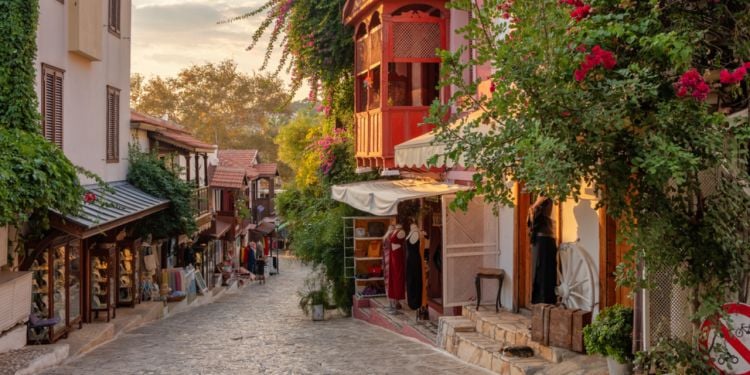
Choosing the right place to live in Türkiye varies greatly depending on where you want to live, your lifestyle preferences, and your budget. In major cities, you'll find a wide range of apartments, condos, and houses, while coastal and rural areas often offer more spacious or scenic options.
Rental agreements typically require a one-year lease along with a deposit equal to one or two months' rent. Utilities, maintenance fees, and internet are usually billed separately. Expats can search for homes in Türkiye via online platforms, through real estate agents, or with local contacts. It's always best to view properties in person before signing any contract.
When it comes to foreigners buying property in Türkiye, investment is open to citizens of most countries in the world. While the process of purchasing property in Türkiye varies depending on your nationality, only citizens from a handful of countries are restricted: North Korea, Syria, Armenia, Cuba, and Nigeria. Istanbul is the top choice for foreign buyers, and Iraqis are the main investors.
🔍To learn more
Planning your move to Türkiye
Setting up a new life in Türkiye involves more than just choosing a city—it requires careful planning for both practical and cultural adjustments. Expats should plan how to transport their belongings, choosing between sea freight for larger items and air freight for lighter goods. Using a reputable international moving company and keeping detailed inventories helps prevent delays and unexpected costs. Pets also require compliance with vaccination, microchip, and documentation regulations to enter the country smoothly.
Planning a move to Türkiye also means preparing paperwork, understanding visa and residence permit requirements, and arranging logistics such as housing and schooling in advance. Budgeting for shipping costs, temporary accommodation, and potential delays is essential. Expats should research local regulations for importing vehicles, personal electronics, and other valuable items. Gathering information on moving companies, translation services, and legal assistance can help avoid unexpected complications and make the relocation process more efficient.
🔍To learn more


Leisure in Türkiye
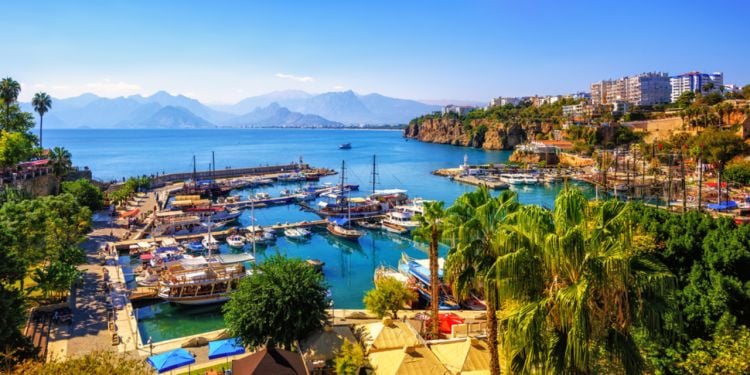
Türkiye offers a rich mix of cultural, outdoor, and sports activities, making it an exciting destination for expatriates. From vibrant city life to tranquil coastal escapes, there is something for everyone. Music and arts thrive in Türkiye, with live performances ranging from Turkish folk music to jazz and rock. Sports fans can enjoy professional football matches, basketball games, and traditional wrestling events, while outdoor enthusiasts have access to hiking trails, beaches, and ski resorts. Social life often includes picnics, barbecues, and community gatherings, reflecting Türkiye's warm and hospitable culture.
Popular leisure and sporting activities in Türkiye:
- Experiencing live music, theater, and traditional performances.
- Attending football matches or supporting basketball and volleyball teams.
- Hiking scenic trails.
- Visiting beaches along the Aegean and Mediterranean coasts.
- Skiing and snowboarding in winter resorts
- Enjoying picnics and barbecues in parks with family and friends.
- Exploring museums, archaeological sites, and historical landmarks.
- Shopping in traditional bazaars and modern shopping centers.
🔍To learn more
Everyday life in Türkiye
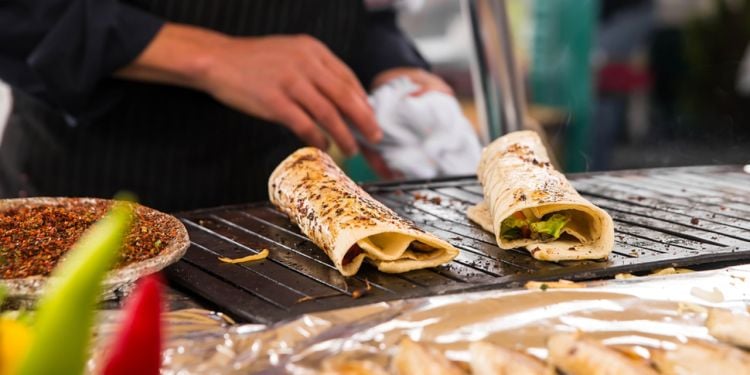
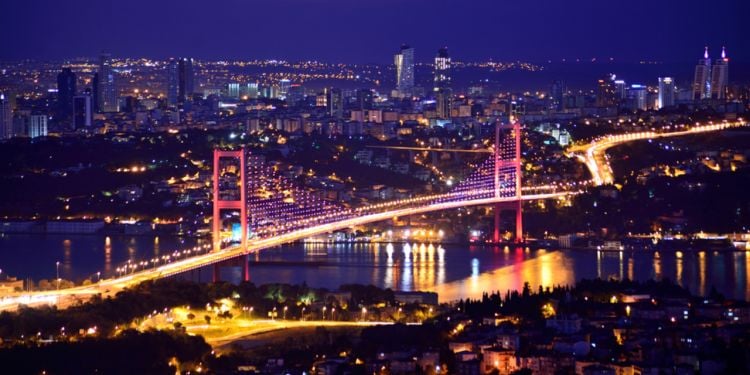
Life in Türkiye combines modern conveniences with rich cultural traditions. Major cities offer international restaurants, shopping centers, and vibrant social scenes, while smaller towns provide a quieter pace and close community connections. Türkiye is considered generally safe, with standard precautions recommended in urban areas. Understanding local customs, such as greetings, social etiquette, and public behavior, helps expatriates integrate and enjoy daily life. Transportation options include buses, metro systems, and taxis in urban centers, while car ownership is common in smaller towns.
🔍To learn more

Traveling around Türkiye
Türkiye is a huge country offering a variety of landscapes and attractions. Most expats settle ...
Travelling around cities in Türkiye
Most expats in Türkiye find themselves living in cities, where they can rely on extensive ...

Phones and Internet in Türkiye
When you move to Türkiye, setting up your own phone and internet is a smart move to make right off the bat. Sure, you'll find free WiFi in ...
Cost of living in Türkiye
Living costs in Türkiye can vary significantly depending on whether you're in a bustling city, a laid-back coastal town, or a quiet rural area. While rent, food, transportation, and utilities are usually much cheaper than in Western Europe or North America, Istanbul tends to be pricier compared to other parts of the country.
Monthly expenses | Single expat | Family of four |
Rent (city center) | 1 bedroom: ₺25,000 (USD 900) | 3 bedroom: ₺40,000 – 50,000 (USD 1,440 – 1,800) |
Rent (suburbs) | 1 bedroom: ₺15,000 – 18,000 (USD 540 – 648) | 3 bedroom: ₺30,000 – 35,000 (USD 1,080 – 1,260) |
Utilities (electricity, water, gas, Internet) | ₺4,000 – 6,000 (USD 144 – 216) | ₺8,000 – 10,000 (USD 288 – 360) |
Groceries | ₺8,000 – 12,000 (USD 288 – 432) | ₺20,000 – 30,000 (USD 720 – 1,080) |
Transportation (car, fuel, public transport) | ₺2,000 – 3,000 (USD 72 – 108) | ₺5,000 – 8,000 (USD 180 – 288) |
Dining out & entertainment | ₺4,000 – 7,000 (USD 144 – 252) | ₺10,000 – 15,000 (USD 360 – 540) |
Data correct as of October 2025
Source: Numbeo.
Outro
Rich in history and full of modern energy, Türkiye offers expats an appealing mix of culture, opportunity, and everyday comfort. From lively cities and coastal resorts to quiet inland towns, each region offers its own pace of life. The cost of living is competitive, and expats benefit from reliable healthcare, a strong education system, and expanding career prospects. Combined with welcoming communities and excellent transport links, Türkiye provides a lifestyle that's both vibrant and practical for those seeking a new start abroad.
For those ready to make the move, success lies in preparation and openness to new experiences. Understanding local regulations, securing the correct visa or residence permit, and arranging key logistics like housing and finances set a solid foundation. Learning a few Turkish phrases and embracing local customs can turn relocation into an enriching journey. With its mix of community, culture, and opportunity, Türkiye offers expats far more than a destination — it offers a new way of life.
We do our best to provide accurate and up to date information. However, if you have noticed any inaccuracies in this content, please contact us.


News & testimonies
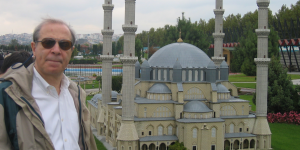
Expat life at the crossroads of civilisations
Leonard, a writer, an educationist, a history-lover, and an avid reader and traveler, has found everything he needs to lead a fulfilled life in Turkey — where two opposite cultures meet and thrive together. He established his new home in Turkey in 2008 by some quirk of fate, and today, ten years later, he knows that his future is tied with Turkey. To find out more about his expat life in this magical country, follow us as we unfold Leonard's story.

Expat life in Turkey: It's a perfect ten
We most often talk about learning a foreign language and the challenges we face, but what about learning foreign numbers? Sounds familiar — that time at the till in a foreign country when we are expecting the cashier to punch in the amount we have to pay and turn the calculator so we can see. Jason, an American expat in Turkey, speaks to Expat.com about his slow-paced life in Izmir, Turkey, the benefits of being your own boss, and his application, 'Foreign Numbers'.
How a Kiwi expat found home away from home
Teacher Alan Scott first moved to Turkey in 1995 and, when he returned to New Zealand, he realised that Istanbul had become the place he called home, so made the move a permanent one in 2001. When he's not teaching, he's writing on his blog or working on his autobiogrpahy. He talks to Expat.com about how he came to adopt Turkey as his home.
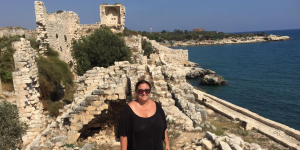
Jane in Mersin: "The locals are still the most welcoming people on earth"
Jane comes from Sydney. Married to a Turk, she has been visiting their family in Turkey for years before finally deciding to move to Mersin in 2012. In this Interview, she tells us about her daily life in her new home.
Essential services for your expat journey



