Living in Aberdeen: the ultimate expat guide
Everything you need to know for a successful life in Aberdeen.
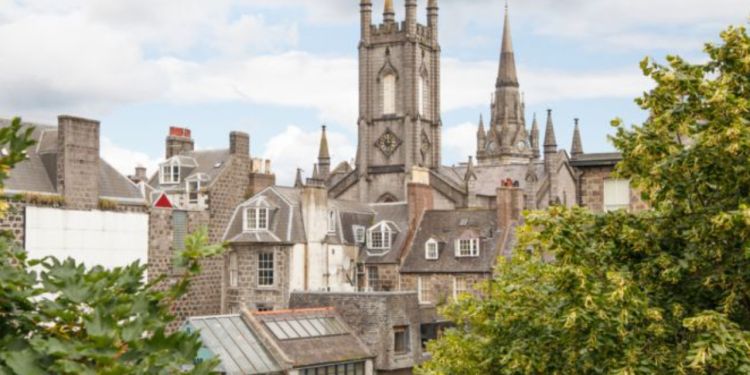
Aberdeen, known as the Granite City for its distinctive grey stone architecture, sits on Scotland's northeast coast where the Rivers Dee and Don meet the North Sea. With a population of approximately 227,400, this compact city combines rich maritime heritage with a modern, internationally-focused economy. Aberdeen has served as the hub of the UK's oil and gas industry for over five decades, attracting professionals from around the world and creating a truly cosmopolitan atmosphere.
The city offers an appealing blend of urban convenience and natural beauty. Within easy reach, you'll find the Cairngorms National Park, dramatic coastal scenery, and over 300 castles dotting the Aberdeenshire landscape. Despite its northern latitude, Aberdeen enjoys a mild maritime climate, with temperatures rarely dropping below freezing in winter.
5 Good Reasons to Move to Aberdeen
- Strong job market – Aberdeen consistently ranks among the UK's highest-paying cities, with average salaries around £35,000–£38,000 per year, well above the national average.
- Affordable housing – Property prices and rents are significantly lower than Edinburgh, Glasgow, or London, offering excellent value for professionals.
- Quality education – Two respected universities and Scotland's first international school provide outstanding educational opportunities.
- Safe and welcoming – Aberdeen consistently ranks as one of the safest cities in the UK, with a friendly, inclusive community.
- Gateway to adventure – From world-class golf courses to Highland hiking, outdoor enthusiasts have endless options on their doorstep.
Career Opportunities: Working in Aberdeen
Aberdeen's economy has been shaped by the North Sea oil and gas industry since the 1970s, earning it the nickname "Energy Capital of Europe." While hydrocarbons remain central to the local economy, the city is actively transitioning toward renewable energy, creating new opportunities in offshore wind, hydrogen technology, and carbon capture. This energy transition is backed by over £120 million in government investment.
Key Employment Sectors
The energy sector dominates Aberdeen's job market, with major international companies including BP, Shell, TotalEnergies, and Equinor maintaining significant operations here. Beyond oil and gas, the city has growing sectors in health and social care, professional services, technology, and life sciences. The University of Aberdeen and Robert Gordon University are also major employers, supporting research and innovation across multiple disciplines.
Work Permits and Visas
Non-UK nationals typically require a Skilled Worker visa to work in Aberdeen. As of 2025, the minimum salary threshold is £41,700 per year (or the "going rate" for your occupation, whichever is higher). Employers must hold a valid sponsor licence from the Home Office. New entrants, including recent graduates under 26, may qualify for reduced thresholds of around £33,400. The visa application fee ranges from £719 to £1,751, plus an Immigration Health Surcharge of £1,035 per year.
The following table summarises key labour market indicators for Aberdeen:
Employment rate (ages 16–64) | 74.7% |
Unemployment rate | 4.3% |
Average annual salary | £35,000–£38,800 |
Sources: Office for National Statistics, Scottish Government Labour Market Statistics

Working in Aberdeen
Bordered by the Northern Sea, Aberdeen is located in the Northeast of the United Kingdom. Thanks to its strategic position, it has become the ...
Higher Education: Universities in Aberdeen
Aberdeen punches above its weight in higher education, hosting two well-regarded universities that attract students from over 130 countries. The city's student population of approximately 8,700 contributes to its youthful, dynamic atmosphere and supports a range of student-friendly amenities throughout the city centre.
University of Aberdeen
Founded in 1495, the University of Aberdeen is Scotland's third-oldest university and ranks among the UK's top 20 institutions. It offers over 500 programmes at undergraduate and postgraduate levels across arts, sciences, engineering, law, and medicine. The university's historic Old Aberdeen campus features stunning medieval and Georgian architecture. International undergraduate tuition fees range from £12,520 to £50,100 per year, depending on the programme. The university provides an Aberdeen Global Scholarship offering £6,000–£8,000 annual fee waivers for eligible self-funded international students.
Robert Gordon University
Robert Gordon University (RGU) is a modern, career-focused institution ranked in the top 10 in the UK for student satisfaction. RGU offers approximately 134 programmes with strong links to industry, particularly in engineering, computing, health sciences, and business. The university boasts a 96.1% graduate employability rate within six months of graduation. International tuition fees range from £11,000 to £21,100 per year. RGU's Garthdee campus features modern facilities and is well-connected to the city centre.
Admission and Student Life
International applicants typically need IELTS 6.5 or equivalent English proficiency. Undergraduate applications are submitted through UCAS (application fee approximately £28.50), while postgraduate applications go directly to the universities. Both institutions offer comprehensive support services for international students, including airport pickup, orientation programmes, and visa guidance. Aberdeen is consistently rated as one of the most affordable student cities in the UK.
Schools and Education for Expat Families
Families relocating to Aberdeen will find a strong education system with options ranging from free state schools to independent and international institutions. Scotland's education system operates under the Curriculum for Excellence framework, which differs from the English system in structure and qualifications.
State Schools
Aberdeen City Council operates numerous primary schools (ages 5–12) and secondary schools (ages 12–18). Admission to state schools is based on your residential address (catchment area), so choosing where to live is an important consideration for families. Well-regarded secondary schools include Aberdeen Grammar School and Bridge of Don Academy. State education is free for all residents, though some costs for uniforms, trips, and activities apply. Scottish students sit National 5 qualifications (similar to GCSEs) around age 16, followed by Highers and Advanced Highers.
International School Aberdeen
The International School Aberdeen (ISA), founded in 1972, is Scotland's first international school and caters to students aged 3 to 18. ISA follows an American-based curriculum leading to the International Baccalaureate (IB) Diploma. The school serves around 540 students from over 44 nationalities, with approximately 50% from the UK and 50% international. Facilities include 40 classrooms, five science labs, a 25-metre swimming pool, a 300-seat theatre, and FIFA-grade playing fields.
Annual tuition fees for 2024–25 range from approximately £13,120 to £19,956, depending on grade level. A registration fee of £175 applies per child. ISA offers sibling discounts: 25% for a third child, 50% for a fourth. School transport is available at approximately £800 per year for the first child.
Other Independent Schools
Aberdeen has several independent schools following the Scottish or British curriculum, including Albyn School and Robert Gordon's College, offering smaller class sizes and extended extracurricular programmes.
Sources: International School Aberdeen, Aberdeen City Council Education
Finding a Home: Housing and Neighbourhoods
Aberdeen's housing market offers excellent value compared to other major UK cities. Property prices have remained relatively stable, with the average house price around £140,000 as of late 2025—significantly lower than Edinburgh (£290,000) or London (£500,000+). The rental market is equally competitive, making Aberdeen attractive for both buyers and renters.
Popular Neighbourhoods for Expats
West End is Aberdeen's most upscale residential area, featuring elegant granite townhouses, boutique shops, and gourmet restaurants. It's popular with professionals seeking a refined lifestyle close to the city centre. Rosemount, northwest of the centre, offers Victorian granite terraces, independent shops, parks, and a village-like atmosphere—ideal for young professionals and families seeking affordability without sacrificing character. Old Aberdeen, home to the University of Aberdeen, has a charming, historic feel reminiscent of Cambridge or Oxford. Properties here are sought-after but limited. Cults and Bielside, a few miles west, are affluent suburbs with spacious family homes, excellent schools, and easy city access. Bridge of Don, north of the city, offers modern housing developments, seaside views, and a relaxed suburban environment.
Rental Prices
The following table shows average monthly rental costs in Aberdeen:
1-bedroom apartment (city centre) | £550–£800 |
1-bedroom apartment (outside centre) | £475–£650 |
3-bedroom apartment (city centre) | £1,200–£1,400 |
3-bedroom apartment (outside centre) | £1,000–£1,300 |
Rental contracts typically require a deposit (protected under Scotland's tenancy deposit scheme) and one month's rent in advance. Most rentals are furnished or part-furnished.
Sources: ONS Housing Data, Numbeo
Accommodation in Aberdeen
Located in the Northeast, Aberdeen is considered one the happiest cities in the UK. A cosmopolitan city that offers quality living to its ...
Culture, Leisure and Things to Do
Aberdeen's cultural scene punches well above its weight for a city of its size. From award-winning museums to world-class golf, the Granite City offers diverse activities for all interests and ages. The city's international community has enriched its cultural offerings, creating a vibrant mix of Scottish tradition and global influences.
Museums and Galleries
Aberdeen Art Gallery, winner of Art Fund Museum of the Year 2020, houses an outstanding collection spanning 700 years, including works by Monet, Eardley, and Bacon. Admission is free. The Aberdeen Maritime Museum on Shiprow tells the story of the city's relationship with the sea, from fishing and shipbuilding to the North Sea oil industry. Provost Skene's House celebrates Aberdonians who shaped Scotland and the world. The University of Aberdeen's museums hold nationally significant collections in natural history, archaeology, and world cultures.
Parks and Outdoor Activities
Duthie Park is home to the David Welch Winter Gardens—one of Europe's largest indoor gardens—featuring exotic plants, play areas, and boating ponds. Hazlehead Park offers woodland walks, sports facilities, and a popular café. The city's coastal location provides easy access to sandy beaches at Aberdeen Beach and Balmedie. For golfers, championship courses including Royal Aberdeen and Trump International offer links golf at its finest.
Events and Nightlife
Aberdeen hosts major annual events including the Tall Ships Races (summer 2025), Spectra Festival of Light (February), and True North Festival of music. The city centre offers a lively nightlife scene with traditional pubs, cocktail bars, and live music venues like the Blue Lamp and Lemon Tree. BrewDog, the craft beer giant, has its headquarters and flagship bar in nearby Ellon.
Sources: Aberdeen Archives, Gallery & Museums, VisitAberdeenshire
Everyday Life in Aberdeen
Daily life in Aberdeen combines Scottish tradition with international influences, shaped by decades of global energy industry presence. The city is compact and walkable, with most amenities concentrated around Union Street—the main commercial thoroughfare—and the surrounding city centre.
Getting Around
Aberdeen's public transport relies primarily on buses, operated mainly by First Bus and Stagecoach Bluebird. A single journey costs from £2.10, while monthly passes range from £76 to £116. The Grasshopper ticket allows unlimited travel across multiple operators. Scotland offers free bus travel for residents aged 5–21 and over 60 with a National Entitlement Card. Aberdeen Railway Station connects the city to Edinburgh (2.5 hours), Glasgow, Inverness, and London. Aberdeen International Airport, located 7 miles northwest, serves domestic and European destinations. The city has invested in cycling infrastructure, with bike lanes expanding across key routes. A low-emission zone came into effect in June 2024, restricting older, more polluting vehicles in the city centre.
Shopping and Dining
The Union Square shopping centre near the railway station houses major UK retailers, while Bon Accord Centre offers additional high-street options. Rosemount and the West End feature independent boutiques, delis, and cafés. Aberdeen's dining scene reflects its international population, with restaurants serving cuisines from around the world alongside traditional Scottish fare—including fresh seafood and renowned Aberdeen Angus beef.
Climate and Lifestyle
Aberdeen has a temperate maritime climate with cool summers (average highs around 18°C) and mild winters (rarely below freezing). Rain is frequent, so waterproof clothing is essential. The northern latitude brings long summer days with light until nearly midnight, balanced by short winter days. Locals embrace outdoor activities year-round, from coastal walks to Highland adventures.
Sources: First Bus Aberdeen, Aberdeen City Council
Understanding the Cost of Living
Aberdeen offers a reasonable cost of living by UK standards, particularly when compared to London, Edinburgh, or the southeast of England. While historically one of Scotland's more expensive cities due to oil industry wealth, property prices and rents have moderated in recent years, improving affordability for newcomers.
Monthly Budget: Single Person
The table below outlines estimated monthly expenses for a single person living in Aberdeen:
Category | Estimated Cost (£) |
Rent (1-bedroom, city centre) | 650–750 |
Utilities (electricity, heating, water) | 250–320 |
Groceries | 250–350 |
Transport (monthly pass) | 76–90 |
Mobile phone + internet | 50–65 |
Leisure and dining out | 150–250 |
Total (excluding savings) | 1,426–1,825 |
Monthly Budget: Family of Four
The following table shows estimated monthly costs for a family of four:
Category | Estimated Cost (£) |
Rent (3-bedroom, outside centre) | 1,000–1,300 |
Utilities | 300–400 |
Groceries | 500–700 |
Transport | 150–200 |
Childcare/preschool (per child) | 1,000–1,400 |
International school fees (per child, monthly) | 1,100–1,700 |
Leisure and activities | 200–350 |
Total (varies by school choice) | 3,250–5,000+ |
State schools are free, significantly reducing costs for families not requiring international education. Healthcare is free through the NHS for all legal residents.
Sources: Numbeo Aberdeen, ONS Housing Prices
In Short
Aberdeen offers a compelling proposition for expatriates: a strong job market with salaries among the highest in Scotland, affordable housing by UK standards, excellent education options, and a safe, welcoming community. The city's role as Europe's energy capital continues to evolve, with exciting opportunities emerging in renewable energy and technology. Beyond work, Aberdeen provides access to Scotland's most stunning landscapes, from the Cairngorms to dramatic coastal scenery—all within easy reach of a compact, liveable city.
Whether you're drawn by career opportunities, quality education, or the promise of a balanced lifestyle, Aberdeen rewards those who embrace its unique character. The Granite City may be compact, but it offers a world of possibilities.
Ready to connect with others making the move? Join the Expat.com Aberdeen forum to share experiences, ask questions, and meet fellow expats in the Granite City.
We do our best to provide accurate and up to date information. However, if you have noticed any inaccuracies in this content, please contact us.


Essential services for your expat journey