Living in Rome: the ultimate expat guide
Everything you need to know for a successful life in Rome.
Rome, Italy's captivating capital, is a timeless destination where ancient history meets contemporary European living. Home to more than four million residents, the Eternal City welcomes expatriates with its unique blend of cultural treasures, Mediterranean lifestyle, and modern amenities. Living in Rome means being surrounded by UNESCO World Heritage sites, world-class museums, and architectural masterpieces at every corner. From neighborhood trattorias serving authentic cuisine to baroque fountains tucked into quiet piazzas, the city rewards those who embrace its slower pace and savor everyday moments.
5 good reasons to move to Rome
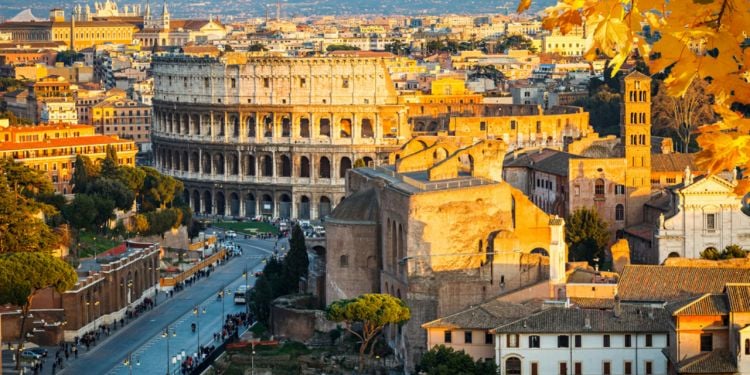
- Immersive cultural experience living among iconic sites like the Colosseum, Roman Forum, and Vatican City.
- Exceptional cuisine and food culture with authentic Italian restaurants, fresh markets, traditional trattorias, and world-renowned coffee culture.
- Mediterranean climate offering mild winters and warm summers, perfect for outdoor dining, exploring historic neighborhoods, and weekend excursions to nearby regions.
- Good location providing excellent access to other Italian cities, European capitals, and Mediterranean destinations through well-connected airports and rail networks.
- Welcoming international community with established expat networks, English-language services, quality international schools, and cultural associations supporting newcomers.
Source: World Population Review
Working in Rome
The main pillars of Rome's economy—government, tourism, culture, and services—create diverse employment opportunities for international professionals. As Italy's capital and administrative hub, the city is home to numerous ministries, international organizations, diplomatic missions, and multinational companies.
Key employment sectors
The tourism and hospitality industry is a major employer, with multilingual staff working for hotels, restaurants, tour operations, and cultural institutions. International organizations, including the Food and Agriculture Organization (FAO) and World Food Programme, employ professionals in development, policy, and administration roles. The education sector offers positions at international schools, language institutes, and universities. Other important sectors are Information technology and digital services, arts and culture and media and communications.
Work permits and requirements
Non-EU citizens must secure a work visa sponsored by an Italian employer. The process includes obtaining a job offer, securing employer sponsorship, applying through an Italian consulate abroad, and completing required documentation before arrival. EU citizens benefit from freedom of movement but must register their residency with local authorities to obtain essential documents such as the Codice Fiscale (Tax Code) and a residence certificate or electronic ID card.
Unemployment rate (Italy) | 6.0% |
Average monthly salary (net) | €1,889 |
Key sectors | Tourism and hospitality, education, IT |
Data correct as of December 2025.
Sources: International Citizens Group, Trading Economics, Numbeo
🔍To learn more
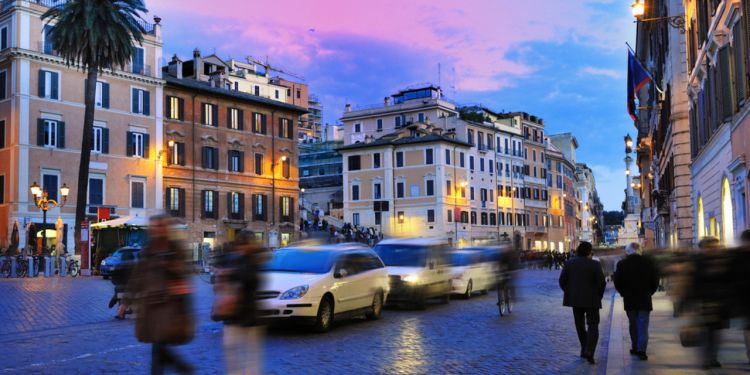
Finding work in Rome
Unsurprisingly, Rome is one of the most popular destinations in Italy, especially for expatriates. ...
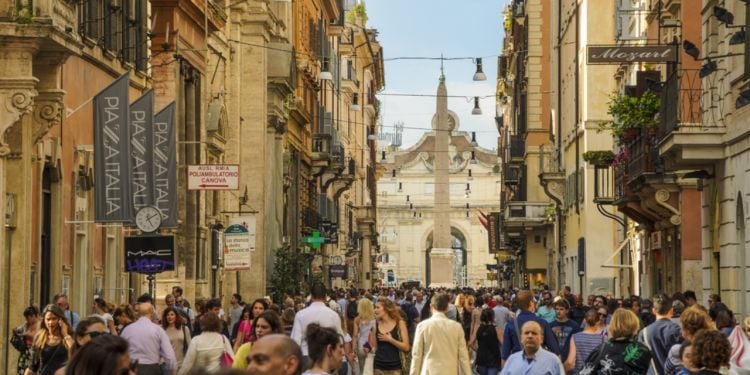
Labor market in Rome
Rome is a trendy city for expatriates, with most looking to move there permanently and build a ...

The work culture in Rome
Working in Rome is an opportunity for many expatriates. Still, before starting this new adventure, ...
Higher education & universities
Rome hosts prestigious universities attracting international students seeking quality European education in a historic setting. Academic institutions offer programs across humanities, sciences, engineering, and the arts.
Leading universities in Rome
Sapienza University of Rome, founded in 1303, is one of Europe’s largest universities, enrolling over 100,000 students and offering more than 250 degree programs. Tor Vergata University specializes in sciences, engineering, and economics, while Roma Tre University focuses on humanities, social sciences, and architecture. Other notable institutions include LUISS University, a leading private university for business, law, and political science, as well as John Cabot University and The American University of Rome, both providing English-language education tailored for international students.
Admission and study requirements
International students need qualifications equivalent to Italian standards for their chosen program. For Italian-taught courses, B2 language certification is required through CILS or CELI exams, while English-taught programs accept TOEFL or IELTS scores. Apply for your study visa at an Italian consulate with an acceptance letter, proof of financial means, and confirmation of your accommodation.
Sources: Sapienza University, Times Higher Education
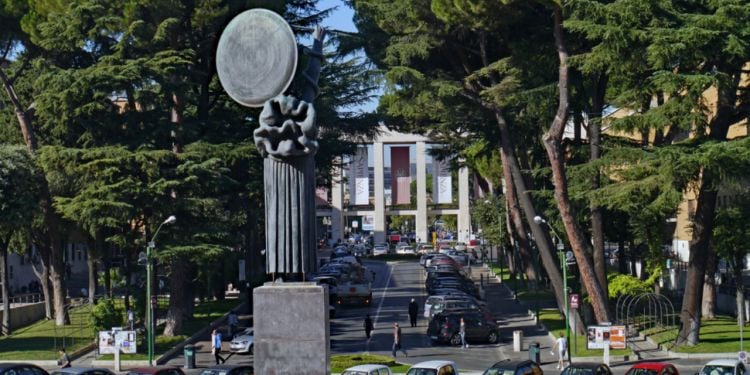

Schooling for children
Rome hosts numerous schools following British, American, and International Baccalaureate curricula, creating multicultural environments where students from diverse backgrounds learn together. These institutions maintain high academic standards, employ qualified international teachers, and prepare students for global university admission while offering comprehensive arts, sports, and extracurricular programs.
International school options
There are multiple well-established international schools in Rome. Among the most established are St George's British International School, founded in 1958, which follows the English National Curriculum and offers IGCSEs, A-levels, and the IB Diploma Programme. American Overseas School of Rome (AOSR), established in 1947, delivers American education from Pre-K through Grade 12. Marymount International School provides Catholic education with IB programmes, while Ambrit International School focuses on IB Primary and Middle Years Programmes for ages three through fourteen. Core International School combines English and Italian curricula for bilingual education.
Enrollment procedures
Applications should be submitted six to twelve months in advance, as popular international schools often maintain waiting lists. Applicants are generally required to provide previous school records, standardized test results, and identification documents, and older students may complete entrance assessments or interviews. Schools expect age-appropriate English proficiency and typically offer modern classrooms, science and computer labs, libraries, sports facilities, and bus services covering residential areas.
Sources: St George's British International School, MumAbroad
Housing & neighborhoods
Many expatriates rent in Rome rather than purchase, given Italy's complex property regulations and the temporary nature of many international assignments. Rental contracts typically follow standard formats with specific terms protecting both landlords and tenants.
Popular expatriate neighborhoods
Prati, near Vatican City, attracts families and professionals with elegant buildings, excellent restaurants, shopping streets, and proximity to international schools. Monti, Rome's bohemian quarter near the Colosseum, appeals to young professionals with its artistic vibe, boutiques, and cafés. Trastevere provides an authentic Roman atmosphere with cobblestone streets and traditional trattorias. Living in Centro Storico means being surrounded by ancient monuments, ideal for those prioritizing location despite higher costs. EUR, Rome's business district is another expat favorite, featuring modern apartments, green spaces, and easy access to the metro.
Rental procedures and rental costs
Landlords typically require security deposits, proof of income, and identification documents. Contracts should clearly specify rent, utilities, maintenance responsibilities, and terms. Furnished apartments cost more but are convenient, especially for new arrivals. Once signed, rental contracts must be officially registered with the Italian Revenue Agency.
Rent of a 1-bedroom apartment in the city center | €1,000 - €1,800/month |
Rent of a 3-bedroom apartment in the city center | €2,000 - €3,800/month |
Data correct as of December 2025.
Sources: HousingAnywhere, Numbeo
🔍To learn more
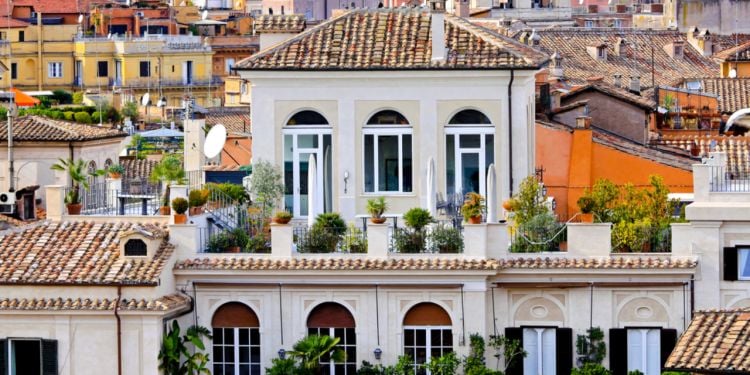
Accommodation in Rome
Rome is a popular destination for expatriates. In addition to its pleasant climate, Italy's ...
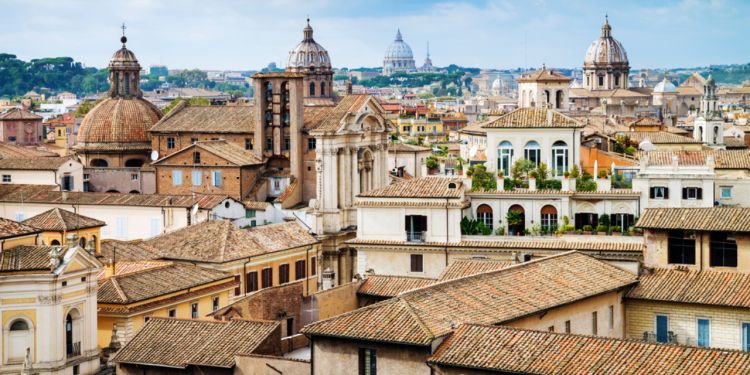
Buying property in Rome
Rome has a complex real estate market, as is the case throughout Italy, and it is not always easy ...
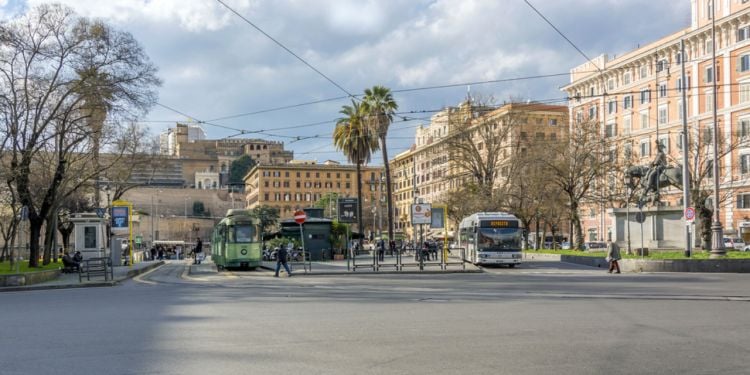
The neighbourhoods in Rome
Rome is one of the largest cities in Europe, with 1,285 km² and 2,759,709 inhabitants, ...
Leisure, culture & things to do
Rome offers unparalleled cultural experiences with ancient monuments, world-class museums, vibrant neighborhoods, and endless entertainment. Living in Rome means passing by iconic sites like the Colosseum, Vatican Museums, and the Pantheon regularly, experiencing them as part of the city’s rhythm amidst the tourist crowds. The city hosts festivals, concerts, and exhibitions year-round, ensuring there is aways something fascinating to see and do in Rome.
Cultural attractions and museums
The Vatican Museums house one of the world's greatest art collections, culminating in Michelangelo's work in the Sistine Chapel. The Colosseum, Roman Forum, and Palatine Hill form an archaeological park documenting ancient Roman civilization. Borghese Gallery displays masterpieces by Bernini, Caravaggio, and Raphael, while Capitoline Museums contain classical sculptures. MAXXI presents contemporary art in a striking modern building.
Entertainment and outdoor activities
Entertainment options include opera at Teatro dell'Opera, classical concerts at Auditorium Parco della Musica, and live music in Trastevere clubs. Parks like Villa Borghese and Villa Doria Pamphilj provide plenty of open spaces for jogging, cycling, and picnicking. The nearby Mediterranean coast is handy for beach escapes, while surrounding Tuscany and Umbria beckons weekend explorers.
Sources: Vatican Museums, Omnia Vatican & Rome
🔍To learn more
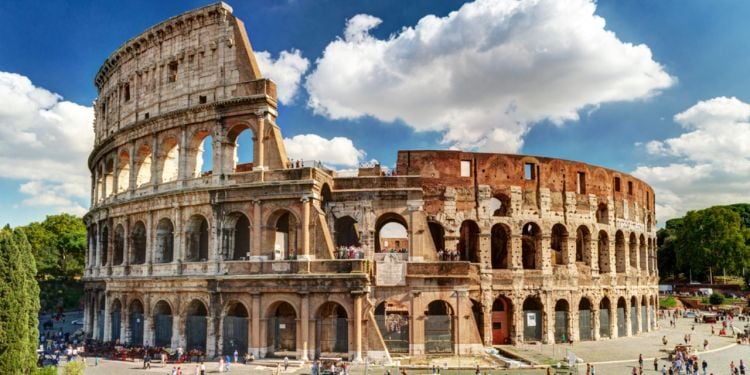
Leisure activities in Rome
Rome, the "Eternal City", is an open-air museum, a whirlpool of antiquity and modernity, ...
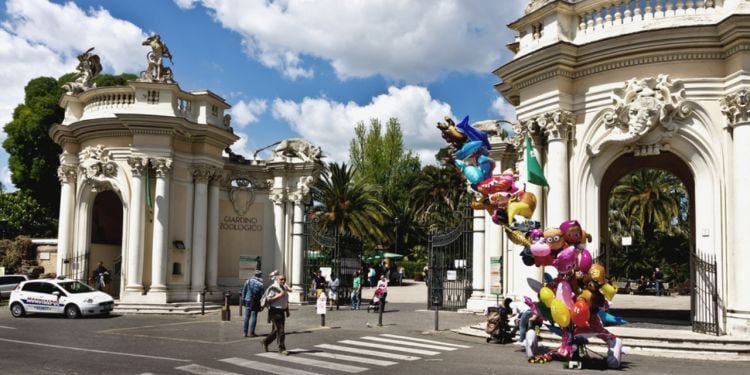
Things to do in Rome with friends, family or partner
When moving to Rome, it is natural to visit the city and do various activities in your free time. ...

Sports in Rome
Expats in Rome who like sports will find many activities in the capital, both indoor and outdoor. ...
Daily life
Daily life in Rome embraces the relaxed Mediterranean lifestyle, emphasizing family, food, and community over fast-paced productivity. Romans take time for lengthy meals, afternoon breaks, and evening passeggiata (strolls). Some shops close midday for riposo (afternoon rest), and Sundays remain family days with reduced commercial activity. Social life centers around neighborhood piazzas, cafés, and restaurants.
Transportation and getting around
Rome's public transportation system (ATAC) includes metro lines, buses, trams, and regional trains. The metro has three main lines—A, B, and C—intersecting at Termini Station, the central transport hub. Buses cover areas the metro doesn't reach, though schedules can be unpredictable. Tickets work across all forms of public transport and can be purchased at tobacco shops, metro stations, or through mobile apps. Rome's historic center is largely walkable with many attractions accessible on foot. The cycling infrastructure has improved, though traffic and cobblestones present challenges. Taxis wait at designated stands rather than being hailed, and ride-sharing apps operate with limitations compared to other European cities.
Cultural norms and lifestyle
Lunch is traditionally the main meal, with dinner served later than northern European standards. Dressing well shows respect—Romans favor classic, elegant styles. Learning basic Italian demonstrates respect and will make daily interactions easier. Italians communicate expressively, using gestures and showing emotion openly.
Sources: ATAC Rome, WanderWisdom
🔍To learn more
Discovering Rome
Rome is the capital of Italy and one of the country's most important cultural and tourist ...
The local culture in Rome
When settling down in Rome or any other city in the world, finding out about the local culture and ...

How to boost your social circle in Rome
Settling down in Rome can turn out to be an incredible human experience once you start developing ...
Cost of living
The cost of living in Rome is among the highest in Italy, but is still lower than some northern European capitals like London and Amsterdam.
Monthly expenses for a single person
Rent of a 1-bedoom apartment in the city center | €1,000 - €1,800 |
Utilities | €175 - €235 |
Groceries | €250 - €300 |
Data correct as of December 2025.
Monthly expenses for a family of four
Rent of a 3-bedroom apartment in the city center | €2,000 - €3,800 |
Utilities | €200 - €400 |
Groceries | €800 - €1,200 |
Data correct as of December 2025.
Sources: Numbeo, The Local Italy, Global Citizen Solutions
In short
Rome presents expatriates with an extraordinary opportunity to experience authentic Italian culture while living among some of humanity's greatest artistic and architectural achievements. While challenges like bureaucracy, language barriers, and adapting to different work rhythms require patience, most expatriates find the rewards far outweigh difficulties. The international community provides support networks, while Romans' warmth and hospitality help newcomers feel welcome. Whether pursuing career opportunities, seeking cultural immersion, or simply wanting to experience la dolce vita, Rome offers a unique expatriate experience combining ancient history with contemporary European living. Join fellow expatriates on the Expat.com Rome forum to connect with the community, share experiences, and discover insider tips for making the most of your time in the Eternal City.
We do our best to provide accurate and up to date information. However, if you have noticed any inaccuracies in this content, please contact us.


News & testimonies

5 expat bloggers reveal their recipe for happiness
Are you about to move abroad and make the tough decision to leave your many cookbooks behind? Never mind, because Expat.com — with this selection of five expat bloggers pouring love and care in their dishes — is bringing an infusion of faraway flavours into your kitchen. Join us for an international feast — a celebration of life in foreign lands!

Gillian in Rome : "Leisure time is valued and the work/life balance is healthy and flexible"
Gillian comes from Tennessee, USA. Following her husband's job posting, she moved to Rome nine years ago after staying in Nigeria and Zimbabwe. She particularly enjoys the beach and blogging.

Work in Italy: Who qualifies for the 500,000 new visas?
Facing persistent labor shortages across multiple sectors, Italy is once again looking beyond its borders for solutions. The government has announced a new plan to issue nearly half a million work visas to non-EU nationals over the next three years.
Milano 3.0: Your new home surrounded by nature
The new residential complex of Milano 3.0 is the latest addition to the Milano 3 neighborhood, located in the south-west of the city, nestled in the lush greenery.
Essential services for your expat journey