

Living in Dublin: the ultimate expat guide
Everything you need to know for a successful life in Dublin.
Dublin, the capital of the Republic of Ireland sits on the east coast at the mouth of the River Liffey, with the Dublin Mountains to the south and long stretches of coastline to the north and east. The city has about 592,700 residents, while its wider urban area is home to around 1.26 million people. With a walkable core, DART trains, Luas trams, and bus services, many parts of the city and suburbs are well connected.
Dublin’s economy is globally connected, anchored by major tech and financial services sectors. The tech ecosystem includes companies such as Google, Microsoft, and TikTok, while its International Financial Services Centre is home to over 600 international financial firms. On the cultural side, Dublin draws on icons like Joyce and Yeats, and venues such as the Abbey Theatre, museums, and festivals bring its literary and artistic heritage to life. With parks, coastal walks, and a vibrant urban core, the city offers a genuine blend of relaxation and energy.
5 good reasons to move to Dublin
- Technology and finance sectors offer a wide range of career opportunities.
- Public transport and walkable streets make commuting across the city simple.
- Short flights and ferries connect Dublin to destinations across Europe.
- Museums, theaters, and literary festivals highlight the city’s cultural heritage.
- Friendly neighborhoods make it easy for newcomers to settle and connect with others.
Sources: Dublin City Council, CityPopulation.de
Working in Dublin
The dynamic job market in Dublin attracts both local and international talent. Multinational companies, fast-growing startups, and established Irish firms offer opportunities across a wide range of industries.
Key industries
Tech and finance dominate, with big names like IBM, Google, and Stripe operating here. Dublin also has thriving life sciences and pharmaceutical sectors and a vibrant startup ecosystem in areas like cybersecurity and fintech.
Work permits and procedures
Non‑EEA nationals generally need an employment permit to work in Ireland. The main types are the Critical Skills Employment Permit for highly skilled roles, and the General Employment Permit. For the General Permit, employers must complete a labour market test, showing that no suitable Irish or EEA (European Economic Area) candidates were available. Applications usually require a signed contract, supporting documentation, and registration with the Garda National Immigration Bureau after arrival.
Unemployment rate | 4.9% |
Average monthly salary (net) | €3,565 |
Key sectors | Technology, healthcare, life sciences |
Data correct as of November 2025.
Sources: Dublin Economic Monitor, Numbeo, Garda National Immigration Bureau
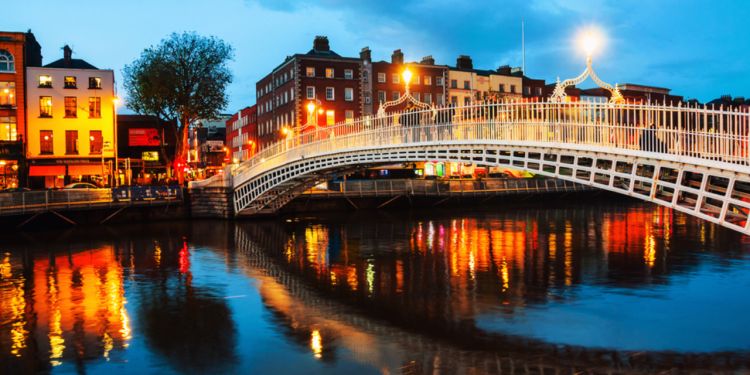
Work in Dublin
Over a third of the population of Ireland lives in Dublin. Despite Ireland being a relatively small country in Europe, it is still one ...
Higher education & universities
Dublin is home to some of Ireland’s most prominent universities, offering a broad range of programs for domestic and international students. The city’s universities combine academic excellence with practical experience, making it a top destination for higher education.
Universities and programs
Trinity College Dublin, University College Dublin (UCD), and Dublin City University (DCU) are the main institutions. Trinity provides undergraduate and postgraduate courses across arts, sciences, engineering, business, and health. UCD offers a research-led approach with structured PhD programs, while DCU focuses on modern, interdisciplinary study in engineering, computing, business, and health. All universities offer opportunities for international students, including English-language support and global exchange programs.
Research and innovation
Dublin’s universities are hubs for research and industry collaboration. UCD leads in funded research projects, particularly in science and technology. Trinity’s innovation programs support spinouts and entrepreneurship, and both universities partner with local and international businesses to turn research into practical applications, from healthcare to digital technologies.
Sources: Trinity College Dublin, University College Dublin, Dublin City University
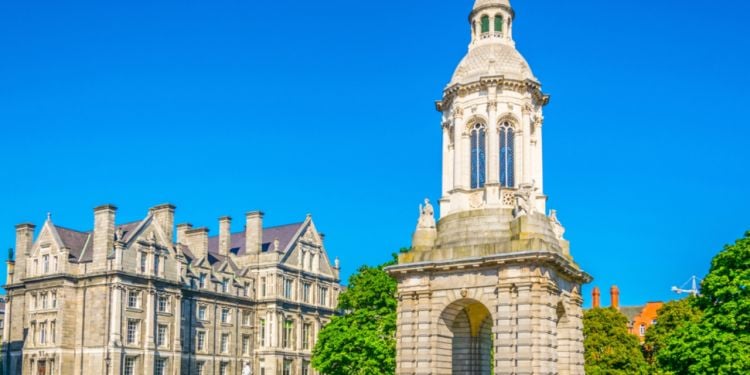
Study in Dublin
There is a thriving student scene in Dublin. There are four different universities in the city, as well as a number of other higher ...
Schooling for children
Parents moving to Dublin will find a broad choice of schooling options, including local Irish schools and established international institutions. Families can choose from national, international, and bilingual programs across the city.
International schools
Notable international schools in Dublin include the International School of Dublin (ISD), which serves children aged 3½–12 with an IB Primary Years Programme. There’s also the Nord Anglia International School Dublin, offering IB from early years through secondary and Lycée Français International Samuel Beckett, which provides a French curriculum for primary and secondary students.
Enrollment Process
For state-funded schools, many admission policies request proof of residence — for example, a recent utility bill or a rent/mortgage statement. Applications often run over a set window, especially for younger children. International schools have their own application timelines and may keep waiting lists, so it’s wise to apply early.
Sources: International School of Dublin, Nord Anglia International School Dublin, Lycée Français International Samuel Beckett

International schools in Dublin
The public education system in Ireland is free and offers a very high standard of education, so many expat parents choose to send their children ...
Housing & neighbourhoods
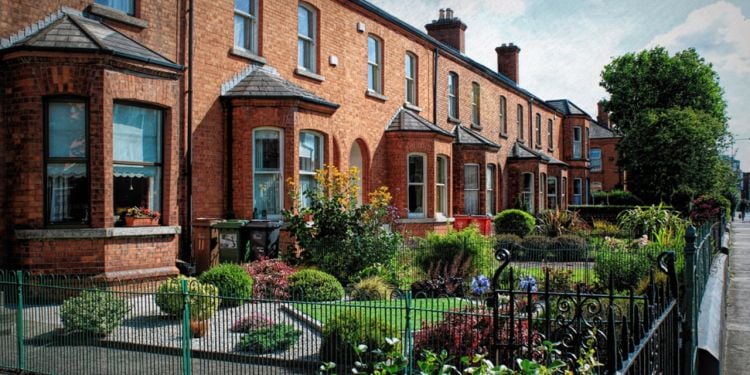
Housing in Dublin covers everything from modern apartments to suburban houses and older townhouses. The city’s layout, combined with its green spaces and coastal stretches, means many areas put nature within easy reach.
Where expats live
Many expats choose Ranelagh or Ballsbridge for their charm and proximity to central amenities. Suburbs like Howth and Dún Laoghaire are popular for coastal living, while the quieter streets and green spaces of Drumcondra and Blackrock attract families.
Rental prices and rental process
Most leases require a deposit and references, and properties are usually furnished or semi-furnished. Availability can vary through the year, especially in high-demand neighborhoods, so it’s wise to start searching early.
1-bedroom apartment (city center) | €1,800 - €2,500/month |
3-bedroom apartment (city center) | €3,000 - €4,500/month |
Data correct as of November 2025.
Source: Numbeo
🔍To learn more
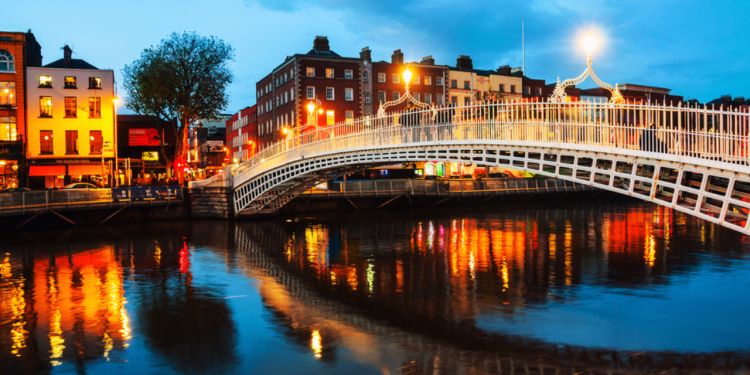
Leisure, culture & things to do
From traditional Irish music to contemporary galleries, Dublin has a rich cultural scene, with plenty of opportunities to unwind outside. When it comes to looking for things to do in Dublin, there is something for everyone.
Cultural highlights
Key cultural sites include Trinity College Library, the National Gallery of Ireland, and the Abbey Theatre. Dublin’s literary legacy is celebrated every June on Bloomsday, and you can often find live music in pubs and at larger venues. Museums, galleries, and historic sites fascinate with their insights into both Ireland’s past and modern creative life.
Outdoor life and leisure
Dublin has serious outdoor appeal. Phoenix Park is huge, with trails for cycling, running, and walking. The Dublin Mountains Way cuts through hills and forests and is a popular hiking destination, while Dublin Bay offers kayaking and other water‑based activities for nature lovers.
Sources: Trinity College Library, the National Gallery of Ireland, Abbey Theatre
🔍To learn more

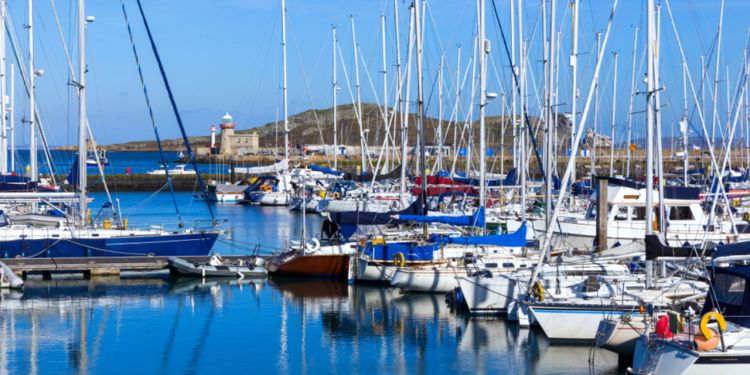
Everyday life in Dublin
Like many other capital cities, Dublin has plenty of services and facilities, diverse career opportunities, a lively social scene, and an international atmosphere that attracts people from across the world. At the same time, the city has a relaxed feel, with parks, waterfronts, and open streets that make it easy to get around and enjoy daily life.
Getting around
Buses, trains, and the Luas tram connect neighborhoods across Dublin. Many people cycle or walk to work and school, while taxis and rideshare services are widely available. Planning journeys with public transport apps helps save time.
Setting up home
Connecting to the internet and setting up a phone line is quick, with multiple providers available. Utilities are easy to arrange, and local services such as grocery stores, banks, and clinics are never far away.
🔍To learn more
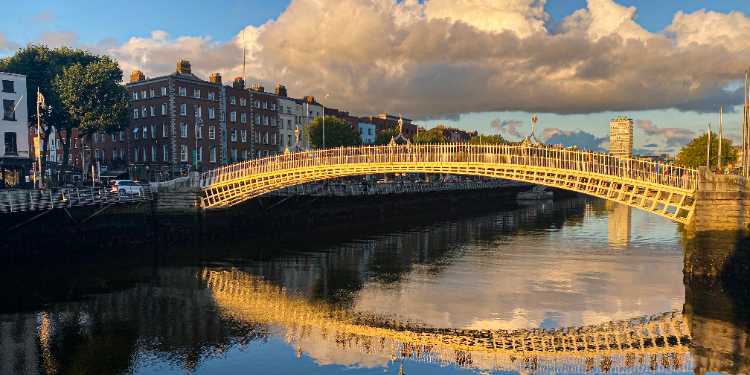
Living in Dublin
If you are thinking about moving to Dublin, you may have your own expectations and ...

Networking in Dublin
When you first arrive in a new city that will be your home, chances are that you do not have a very ...
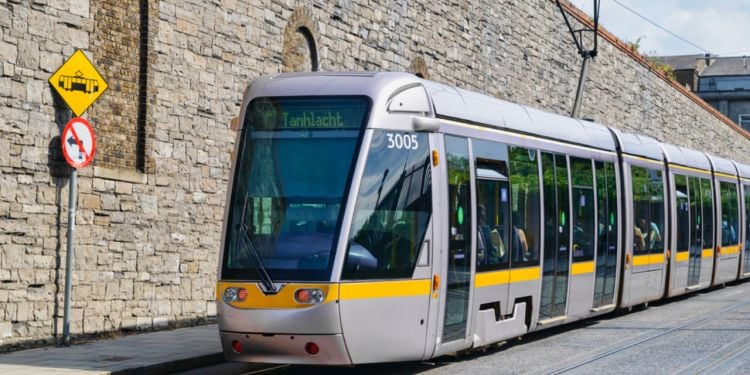
Getting around Dublin
If you are moving to Dublin to work, it is important that you are aware of what the commute times are like, and what forms of transport are ...
Daily life & cost of living
The cost of living in Dublin is higher than most Irish cities, primarily driven by costly housing and intense competition for city-center space. Practical ways to cut costs include Leap cards, which are pre-paid travel passes for buses, trains, and the Luas tram, shopping at local produce markets, and exploring free parks and museums.
Monthly expenses for a single Person
Rent (1-bedroom apartment in the city center) | €1,800 - €2,500 |
Groceries | €300 - €500 |
Utilities | €150 - €366 |
Data correct as of November 2025.
Monthly expenses for a family of four
Rent (3-bedroom apartment in the city center) | €3,000 - €4,500 |
Groceries | €800 - €1,200 |
Utilities | €200 - €400 |
Data correct as of November 2025.
Sources: Numbeo, Where in Dublin
In short
Dublin is Ireland’s capital, with the River Liffey running through its center, and a mix of Georgian streets, historic squares and modern developments. The city hosts tech, finance, and creative companies, alongside universities and international schools that attract students and families. Visitors and locals alike explore the National Gallery, Trinity College Library, the Abbey Theatre, and lively Temple Bar, while the Phoenix Park, Dublin Mountains, and nearby coastline offer outdoor escapes. Buses, trains, and the Luas tram make commuting simple, and local markets, community events, and cultural festivals give expats plenty of ways to connect and enjoy city life. For more information and to connect with other expats already living in the city, join the Expat.com Dublin forum.
We do our best to provide accurate and up to date information. However, if you have noticed any inaccuracies in this content, please contact us.


News & testimonies

Do anti-immigration riots deter moving abroad plans?
The anti-immigrant riots in Dublin in November 2023 sent a worrying message about xenophobia in countries where many expats live. The rise of far-right groups has been in the news for a while. Still, its escalation into riots on the streets and curfews sounds the alarm bell about just how dangerous this kind of political atmosphere can be for expats and international students, especially those from ethnic and religious minorities. Can these incidents even deter their plans to move abroad?
Ireland: A growing haven for international job seekers
As one of the world's most open economies, Ireland is becoming increasingly attractive to foreign workers. The island nation's assets include double-digit growth and hiring sectors. Let's look at what makes it one of the most attractive countries in Europe for building a career.

Ireland: Expat partners can now work
In Ireland, spouses of non-EEA work permit holders did not, de facto, obtain a work permit. They were allowed to look for jobs with employers which would in turn sponsor their work permits. But this has changed now.

Sports and pubs: The Irish way
There is so much to enjoy in the Emerald Island – from the cliffs and the castles, to the monuments and the museums. However, what will probably fascinate you the most is Irish's special bond with sports and their enthusiam about sports events. The Irish are particularly passionate about rugby, Gaelic football and the MMA – so much that they never miss an opportunity to hang out in the pub while watching matches and competitions.
Essential services for your expat journey



