

Living in Oxford: the ultimate expat guide
Everything you need to know for a successful life in Oxford.
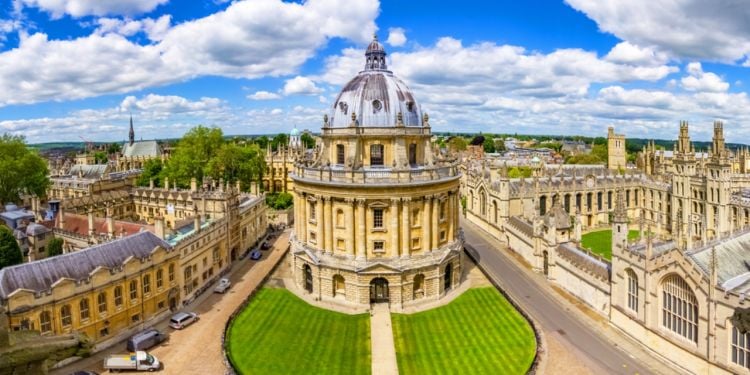
Oxford, known worldwide as the City of Dreaming Spires, offers a unique blend of medieval heritage and modern innovation. Home to the oldest university in the English-speaking world, this city of approximately 166,000 residents sits at the confluence of the Rivers Thames and Cherwell, just 56 miles northwest of London. Beyond its academic prestige, Oxford has evolved into a thriving hub for technology, life sciences, and publishing, making it an increasingly attractive destination for professionals and families seeking a high quality of life in a compact, walkable city.
A city where history meets innovation
Oxford's economy extends far beyond its famous university. The city is home to BMW's Mini plant, major publishing houses including Oxford University Press, and a growing cluster of biotech and tech startups. With excellent transport links to London and a strong sense of community, Oxford provides the cultural richness of a historic city with the career opportunities of a modern economy.
5 good reasons to move to Oxford
- World-class education – Access to the University of Oxford, Oxford Brookes University, and prestigious schools at every level.
- Thriving job market – Strong opportunities in education, healthcare, technology, life sciences, and publishing.
- Excellent London connections – Direct trains to London Paddington take approximately one hour.
- Rich cultural life – Free museums, historic architecture, and vibrant arts scene.
- Green spaces – Beautiful parks, riverside walks, and easy access to the Cotswolds countryside.
Working in Oxford
Oxford offers a dynamic job market with opportunities across diverse sectors. The city benefits from one of the lowest unemployment rates in the UK, hovering around 3.2%, significantly below the national average. The presence of two universities, major hospitals, and a growing technology sector creates a diverse employment landscape for skilled professionals.
Key industries and major employers
The University of Oxford is the county's largest employer, responsible for approximately 17,000 jobs and injecting £750 million annually into the local economy. Education as a whole accounts for roughly 20% of total employment. The Oxford University Hospitals NHS Foundation Trust employs around 14,400 people across the John Radcliffe, Churchill, and Nuffield hospitals. The BMW Mini plant in Cowley represents a major manufacturing presence, having produced over 2.5 million cars since 2001. Publishing giants including Oxford University Press, Wiley-Blackwell, and Elsevier maintain significant operations here. The technology and life sciences sector is growing rapidly, with companies like Oxford Instruments and Sophos based locally.
Work permits and visa requirements
Non-UK nationals typically require a Skilled Worker visa to work in Oxford. From July 2025, the minimum salary threshold increased to £41,700 per year or the going rate for your occupation, whichever is higher. Eligible roles must generally be at RQF Level 6 (degree level) or above. You will need a job offer from an employer with a valid sponsor licence and a Certificate of Sponsorship. The visa application fee ranges from £590 to £1,751 depending on the role and duration, plus the Immigration Health Surcharge of £1,035 per year.
The following table provides key employment indicators:
Unemployment rate | 3.2% (UK average: 4.3%) |
Average annual salary | £38,846 |
Top employment sectors | Education (20%), Healthcare (13%), Science/Research (27%) |
Sources: Office for National Statistics, Oxford City Council
Higher Education and Universities
Oxford is synonymous with academic excellence. The city hosts two major universities offering diverse programs for undergraduate, postgraduate, and research students from around the world. International students make up a significant portion of the student body, with established support systems to help them settle into academic life.
University of Oxford
The University of Oxford, founded in 1096, is the oldest university in the English-speaking world and consistently ranks among the top three globally. It comprises 39 colleges and six permanent private halls, with approximately 26,000 students. International students represent around 45% of the student population. For 2025-26, UK undergraduate tuition fees are capped at £9,535 per year, while overseas undergraduate fees range from £35,260 to £59,260 depending on the program. Medical and science courses tend toward the higher end. The university offers various scholarships including the prestigious Rhodes Scholarship, Clarendon Fund, and college-specific awards. Estimated monthly living costs range from £1,425 to £2,035.
Oxford Brookes University
Oxford Brookes University is consistently ranked among the best modern universities in the UK. It is particularly renowned for programs in architecture, hospitality management, automotive engineering, and publishing. The main campus is located in Headington, with additional facilities around the city. Tuition fees for international students typically range from £15,000 to £18,000 for undergraduate programs. Oxford Brookes has strong industry connections and offers excellent employability support.
Admission process
Applications to the University of Oxford are made through UCAS, with an early deadline of October 15 for most courses. The process typically involves written tests and interviews. Oxford Brookes accepts applications through UCAS with standard UK deadlines. Both institutions require proof of English proficiency, typically IELTS 7.0 or equivalent for the University of Oxford and IELTS 6.0-6.5 for Oxford Brookes.
Studying in Oxford
Oxford, a historic city in Oxfordshire county, is famously known as ‘the city of dreaming spires'—a phrase coined by Victorian poet ...
Schooling for Children
Oxford offers excellent educational options for children of all ages, from nurseries through to secondary schools. The city boasts some of the UK's most prestigious independent schools alongside high-performing state schools. Families relocating to Oxford will find a wide range of choices to suit different educational philosophies and budgets.
State schools
Oxford's state schools are administered by Oxfordshire County Council. School admissions are based primarily on catchment areas, so your choice of neighborhood can significantly impact school options. Popular state secondary schools include The Cherwell School in North Oxford and Cheney School in Headington. The application process typically opens in September for the following academic year, with deadlines in mid-October for secondary and mid-January for primary. State education is free for all residents.
Independent schools
Oxford has a concentration of excellent independent schools. Dragon School is a prestigious co-educational prep school for ages 4-13, with day fees ranging from £6,310 to £11,130 per term and boarding fees of £16,590 per term. Headington School is a leading girls' school offering day and boarding options. Oxford High School (GDST) provides excellent girls' education from nursery through sixth form. d'Overbroeck's is known for its international sixth form, welcoming students from over 40 countries. Summer Fields is a highly regarded boys' prep school in North Oxford.
International and bilingual options
While Oxford does not have a dedicated international school with the IB curriculum, several independent schools cater to international families. d'Overbroeck's International School section accepts students aged 13-16 and offers tailored support for non-native English speakers. Most independent schools have experience welcoming children from overseas and provide English language support where needed. For those seeking international curricula, schools in London and the surrounding Home Counties are accessible.
Sources: Oxfordshire County Council, Dragon School, Headington School
Housing and Neighbourhoods
Finding accommodation in Oxford requires patience and planning. The housing market is competitive due to the city's popularity with academics, professionals, and students. Average private rents reached £1,911 per month in September 2025, representing a 10.5% annual increase. Understanding the different neighborhoods will help you find the right fit for your lifestyle and budget.
Popular neighborhoods for expats
Jericho is a cosmopolitan neighborhood just north of the city center, known for its Victorian terraced cottages, independent shops, and excellent cafés. It offers a bohemian atmosphere with easy walking access to central Oxford. Rents here tend to be high due to demand. Summertown, further north, is particularly popular with families due to its excellent schools, including Dragon School and Summer Fields. It has its own bustling high street with shops, restaurants, and amenities. Headington, to the east, is home to Oxford's major hospitals and Oxford Brookes University. It offers a mix of Victorian houses and modern developments at slightly lower prices. Central North Oxford features large Victorian and Edwardian houses, many converted to flats, and is within walking distance of the city center. Cowley Road offers a diverse, multicultural atmosphere with international restaurants and a lively nightlife scene, popular with younger professionals and students.
Rental prices and procedures
Typical monthly rents in Oxford are as follows: a one-bedroom apartment in the city center ranges from £1,300 to £1,600, while outside the center you might find options from £1,100 to £1,400. A three-bedroom house typically ranges from £1,800 to £2,500 depending on location. To rent, you will typically need to provide proof of income (usually three months' payslips), references from previous landlords, and a deposit equivalent to five weeks' rent. Most tenancies are Assured Shorthold Tenancies with an initial term of 6-12 months.
Sources: ONS Housing Prices, Oxford City Council
Leisure, Culture and Things To Do
Oxford offers an exceptionally rich cultural life, with world-class museums, historic architecture, beautiful green spaces, and a thriving arts scene. Many attractions are free, making it easy to explore the city's heritage without breaking the bank.
Museums and historic sites
The Ashmolean Museum is Britain's first public museum, founded in 1683. It houses an extraordinary collection spanning ancient Egypt to contemporary art, including works by Raphael, Turner, and Picasso. Entry is free. The Pitt Rivers Museum offers a fascinating anthropological collection displayed in Victorian-era cases. The Oxford University Museum of Natural History includes dinosaur skeletons and geological specimens in a stunning neo-Gothic building. The Bodleian Library, one of Europe's oldest libraries, offers guided tours. Many Oxford colleges welcome visitors, including Christ Church (home to the hall that inspired Harry Potter's Hogwarts), Magdalen College with its deer park, and New College.
Parks and outdoor activities
University Parks offers 70 acres of green space along the River Cherwell, perfect for walks and picnics. Port Meadow is an ancient grazing land with wild horses and cattle, ideal for walking and birdwatching. Christ Church Meadow provides peaceful riverside paths within the city. Punting on the River Cherwell is a quintessential Oxford experience, with boats available for hire at Magdalen Bridge and the Cherwell Boathouse. The city is surrounded by beautiful countryside, with the Cotswolds just 30 minutes away.
Entertainment and nightlife
The Oxford Playhouse hosts theater, dance, and music performances. The New Theatre Oxford presents West End shows and concerts. The Ultimate Picture Palace in Cowley is a charming independent cinema. Jericho offers a vibrant pub scene, while Cowley Road is known for its diverse restaurants and bars. Annual events include May Morning celebrations, the Oxford Literary Festival, and St Giles' Fair in September.
Sources: Ashmolean Museum, University of Oxford
Daily Life
Daily life in Oxford combines the charm of a historic city with modern convenience. The compact size means most amenities are within easy reach, whether on foot, by bicycle, or using public transport. The city has a strong community feel, enhanced by its colleges, markets, and neighborhood focal points.
Getting around
Oxford is exceptionally cycling-friendly, with the second-highest proportion of cycling commuters of any local authority in the UK. Flat terrain and dedicated cycle paths make this the preferred mode of transport for many residents. The city has an extensive bus network operated primarily by Oxford Bus Company and Stagecoach. A single bus fare is capped at £3, with day passes and monthly options available. Five Park and Ride sites serve the city, with free bus travel recently introduced from these locations. Oxford railway station provides direct services to London Paddington (approximately one hour) and London Marylebone. The 24-hour Oxford Tube coach service to London costs from £10. Note that driving in central Oxford is challenging, with limited parking, a one-way system, and a temporary £5 congestion charge in effect until August 2026.
Shopping and everyday needs
The Covered Market in the city center has operated since 1774, offering fresh produce, butchers, bakers, and unique local shops. Major supermarkets including Waitrose, Sainsbury's, Tesco, and Aldi have stores throughout the city. Summertown and Headington both have thriving local high streets with independent shops and services. The Westgate Oxford shopping center offers major retail brands and restaurants.
Healthcare
Oxford benefits from world-class healthcare through the NHS. The John Radcliffe Hospital is one of the UK's leading teaching hospitals. Residents should register with a local GP (General Practitioner) upon arrival. Those on work visas will have access to NHS services through the Immigration Health Surcharge paid with their visa application.
Sources: Oxford Bus Company, Oxford City Council
Cost of Living
Oxford is one of the more expensive cities in the UK outside London. Housing costs are the primary driver, but the city offers good value in certain areas, particularly with free museum entry and competitive grocery prices. Planning your budget carefully will help you enjoy all that Oxford has to offer.
Monthly budget for a single person
The following table outlines estimated monthly costs for a single person living in Oxford:
Rent (1-bedroom, city center) | £1,300 – £1,600 |
Utilities (electricity, heating, water) | £150 – £200 |
Groceries | £250 – £350 |
Transport (monthly bus pass) | £70 – £90 |
Mobile phone | £15 – £30 |
Internet | £25 – £40 |
Leisure and dining out | £150 – £250 |
Total estimated | £1,960 – £2,560 |
Monthly budget for a family of four
The following table outlines estimated monthly costs for a family of four living in Oxford:
Rent (3-bedroom house) | £1,800 – £2,500 |
Utilities | £200 – £280 |
Groceries | £500 – £700 |
Transport | £150 – £200 |
Independent school fees (per child, per term) | £4,000 – £11,000 |
Mobile and internet | £60 – £80 |
Leisure and activities | £300 – £500 |
Total estimated (state school) | £3,010 – £4,260 |
Sources: Numbeo, Office for National Statistics
In short
Oxford offers a rare combination of historic charm, academic prestige, and modern career opportunities. Whether you're drawn by world-renowned universities, thriving technology and life sciences sectors, or simply the beauty of the dreaming spires, this compact city delivers an excellent quality of life. The strong transport links to London, outstanding schools, free world-class museums, and friendly neighborhoods make Oxford particularly appealing for families and professionals alike. While housing costs are high, the cultural richness and career opportunities provide genuine value. Join the vibrant community of international residents who have made Oxford their home.
Connect with fellow expats, ask questions, and share experiences on the Expat.com Oxford forum. Our community is here to help you settle into life in this remarkable city.
We do our best to provide accurate and up to date information. However, if you have noticed any inaccuracies in this content, please contact us.


Essential services for your expat journey