Living in London: the ultimate expat guide
Everything you need to know for a successful life in London.
London, the capital of the United Kingdom, is a major global hub filled with history, innovation, and opportunity. It draws people from around the world with its economic strength, dynamic institutions, and rich cultural life. Spanning both sides of the River Thames, the city is an architectural mosaic where sleek modern skyscrapers stand alongside centuries-old palaces and political centers like Westminster. This vast city has more than 30 boroughs, each retaining a unique identity, from bustling commercial districts to quiet, leafy residential villages.
5 good reasons to move to London
- Extensive opportunities in finance, technology, media, and professional services.
- Historic landmarks, world-class museums, theatres, and galleries provide endless opportunities for exploration.
- The city is home to top universities and a wide range of international schools.
- Residents speak hundreds of languages, with a large proportion of the population born abroad.
- The tube, buses, trains, and international airports make travel within the city and beyond straightforward.
Working in London
From finance and tech to creative fields and public services, London offers it workers a wide range of career opportunities.
Key industries
Finance is a major sector, with global banks and financial institutions headquartered in the City and Canary Wharf. Technology and digital startups thrive across the city, particularly in East London’s tech hubs. The creative industries — including media, design, and film — are well established, while public services and education provide additional avenues for employment.
Work permits and procedures
Expats looking to work in London typically require a Skilled Worker visa, which allows legal employment for approved roles. The process involves sponsorship from an eligible employer, submitting required documentation, and meeting English language and salary requirements.
Unemployment rate | 6.5% |
Average monthly salary (net) | £3,562 |
Top sectors | Finance, technology, healthcare |
Data correct as of November 2025.
Sources: Office for National Statistics, Numbeo

Work in London
London's job market is one of the most competitive and diverse in the world, attracting talent from across England and internationally. This guide ...
Higher education & universities
London is a top global destination for higher education, home to world‑class universities and research institutes. It draws students through strong international programs and a wide variety of English‑taught degrees. Key institutions in the city include University College London (UCL), King’s College London, and the London School of Economics and Political Science (LSE).
Universities and programs
Most London universities offer bachelor’s, master’s, and PhD degrees across a broad range of fields. For UK students, undergraduate tuition is capped at around £9,250 per year, though this cap may be subject to change if regulations change. EU student fee status varies now after Brexit, so not all EU students pay the “home” rate. International student tuition varies widely — many programs start around £11,000, but for highly ranked or specialized degrees, annual fees can reach £35,000 or more.
Research and innovation
London boasts a vast research ecosystem. Its institutions include the Francis Crick Institute, a major biomedical research center, as well as specialized research bodies like the London School of Hygiene & Tropical Medicine and the Data Science Institute at Imperial College. These organizations support a wide range of international collaborations across medicine, public health, data science, and social sciences.
Sources: University College London, King’s College London, London School of Economics and Political Science (LSE)
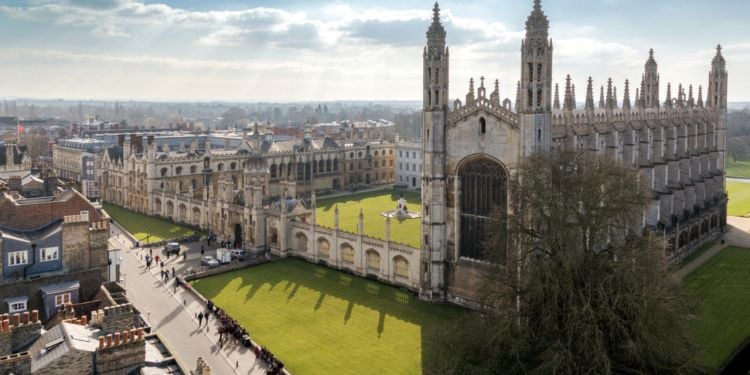
Study in London
Studying in London is probably the best decision you will make for your professional and personal development. For several years, London has been ...
Healthcare in London
London’s healthcare system combines public and private services, offering residents access to a wide range of medical care. While the National Health Service (NHS) provides comprehensive coverage, private options give faster access and additional choice for those who want it.
Public healthcare
The NHS delivers publicly funded healthcare to UK residents and those registered with a GP. Services include general practitioners, hospitals, and specialist care. Most services are free at the point of use, though prescriptions, dental care, and optician services may incur charges. Registration with a local GP is essential to access NHS services.
Private healthcare
Many expats choose private health insurance for faster access to specialists and elective treatments. Private hospitals and clinics offer a wide range of services and can complement NHS care when needed.
Source: NHS UK

Healthcare in London
If you are settling in London, you will undoubtedly have queries about health services available in the capital. You will find several public and ...
Schooling for children
In London, education is free and compulsory from age 5 to 16, after which students must remain in education or training until 18. State schools are mostly non-selective, but there are also faith and grammar schools.
International schools
Many expat families choose private or international schools. Popular options include ICS London and Southbank International School. Annual fees range from around £22,900 for younger children to £35,700 for older students, depending on the school and program.
Enrollment process
Admissions to state schools are managed via your local borough using the Common Application Form (CAF). If a school has more applicants than places, priority is usually given to children who have siblings at the school, live nearby, or meet other specific criteria set by the school.
Sources: ICS London, Southbank International School, Starting School - City of London

International schools in London
Moving to London with your family presents many opportunities for all of you and between packing, securing work and seeking somewhere to look, ...
Housing & neighbourhoods
London offers a broad mix of housing, from period townhouses and converted flats to newer developments with on-site amenities. Choice depends on how close you want to be to work, transport, parks, and schools. Demand is steady across most areas, so it helps to start your search early.
Where expats live
Many international residents looking for accommodation in London choose neighborhoods such as Kensington, Hampstead, Richmond, and Canary Wharf. Kensington is central and elegant, Hampstead offers village charm and expansive heathland, Richmond attracts families with its parks and riverside setting, and Canary Wharf appeals to professionals who want modern housing close to major workplaces.
Rental prices and rental process
Rental conditions vary by neighborhood, property style, and transport links. Most leases last at least twelve months, and you will usually have to provide references and a security deposit. Many renters work with local agents who arrange viewings and handle the paperwork.
1-bedroom apartment in the city center | £1,800 - £3,100/month |
3-bedroom apartment in the city center | £3,000 - £6,000/month |
Data correct as of November 2025.
Source: Numbeo
🔍To learn more
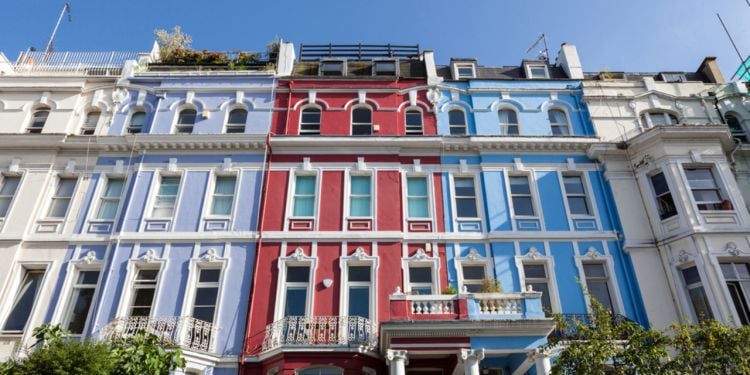

Leisure, culture & things to do
London has a lively cultural life, with outstanding museums, historic sights, celebrated theaters, and a full calendar of festivals and exhibitions. Whether you like gallery visits, live performances, or simply exploring different parts of the city, there is always something to do and see in London.
Cultural highlights
Well-known attractions include the British Museum, Tate Modern, and the National Gallery. The city hosts major events throughout the year, such as the Notting Hill Carnival, the London Film Festival, and open-air performances in Regent’s Park. Many museums offer free entry.
Outdoor life and leisure
London’s parks and riverside paths create plenty of space to relax or stay active. You can enjoy cycling routes, sports clubs, outdoor cafés, and lively evenings in areas like Soho and Shoreditch.
Sources: British Museum, Tate Modern, National Gallery
🔍To learn more


Everyday life in London
Life in London moves at a steady but energetic pace. The steady flow of commuters to work and the constant activity of offices, shops, and cultural venues keep the streets active throughout the day. Evenings bring a distinct shift toward socializing in the city's vast network of dining and entertainment venues, or simply enjoying London’s many public spaces.
Living like a local
Locals tend to stay close to their own neighborhoods, picking up groceries, grabbing a quick coffee, or catching a show or class after work. Weekends are for exploring new corners of the city or relaxing in nearby parks. Joining local groups or hobby clubs is an easy way to connect with others.
Everyday essentials
London has an extensive public transport network, including the tube, buses, trains, and river services, making it easy to get around without a car. Connections reach across the city and into surrounding areas.
🔍To learn more

Living in London
So, you're considering London? Or perhaps you've already made the leap and you're now ...

Buying food in London
London is a city that offers many choices, which makes food shopping overwhelming. The quest for ...

Traveling around London
According to INRIX's 2024 Global Traffic Scorecard, London continues to rank among the most challenging cities for commuting. It's the most ...
Daily life & cost of living
The cost of living in London is generally high compared with most other UK cities and many international locations. While London is expensive, there are ways to manage costs, such as using travelcards for transport, shopping at local markets, and taking advantage of free cultural activities.
Monthly expenses for a single person
Rent 1-bedroom apartment in the city center | £1,800 - £3,100 |
Groceries | £200 - £300 |
Utilities | £163 - £450 |
Data correct as of November 2025.
Monthly expenses for a family of four
Rent 3-bedroom apartment in the city center | £3,000 - £6,000 |
Groceries | £600 - £1,000 |
Utilities | £300 - £400 |
Data correct as of November 2025.
Source: Numbeo
In short
London is a dynamic city with a thriving job market, world-class universities, and a rich cultural scene. Residents benefit from extensive public transport, a wide range of healthcare services, and excellent schooling options. From historic landmarks and theaters to green spaces and vibrant neighborhoods, the city has something for everyone. There is plenty more information in our guides and articles, and you can also join the Expat.com London forum to connect with other foreign nationals who have already moved to the UK capital.
We do our best to provide accurate and up to date information. However, if you have noticed any inaccuracies in this content, please contact us.


News & testimonies

Riots in the UK: Should expats be worried?
In late July, far-right and anti-immigrant riots erupted across the UK following the spread of fake news claiming that an asylum seeker was responsible for a mass stabbing incident. Far-right mobs started attacking people of color and those they suspected of being immigrants. While arrests were quickly made in response to the violence, many expats and even British people of color remain shaken by the riots.

United Kingdom: Upcoming tax changes and their impact on expats
The Labour government aims to move past the conservative era definitively. As the new budget vote approaches, expats might see some limited tax relief. However, this is to be taken with caution. The Labour Party recently criticized "catastrophic" national finances left by the previous government. What does this mean for expats in the UK and Britons living abroad? Let's break it down.

How Labour's win in UK elections will affect immigration policies
This July, the 14-year rule of the UK's Conservative Party has come to an end. A snap general election led to a landslide victory for the opposing Labour Party, which is under the leadership of Keir Starmer. What are this new government's promises for immigration? How are expats affected by this, and what are their concerns and hopes?

UK immigration decline 2024: What it means for future expats
One of the government's goals was to curb the rising trend of immigration by tightening the rules for prospective expats. April saw the introduction of new measures aimed at further filtering applications from foreign workers. What does this mean for those considering moving to the UK? Here's an in-depth look.
Essential services for your expat journey