

 Prepared by Julien Faliu on 03 November 2025
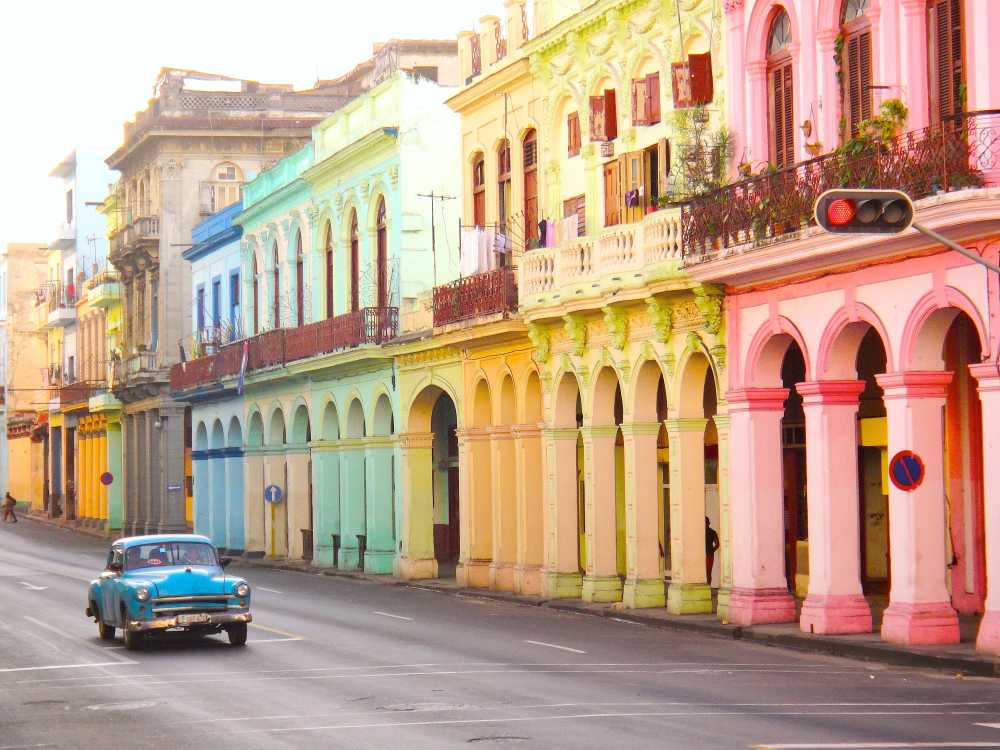
Cuba, the Caribbean's largest island, presents a unique destination for expats seeking something completely different. With 10.9 million residents and an urbanization rate of 82%, this socialist nation offers an experience unlike anywhere else. The capital, Havana, home to 2.1 million people, serves as the primary hub for international residents. Despite significant economic challenges in 2025, Cuba continues to attract adventurous expats drawn to its vibrant culture, universal healthcare system, and relative safety. Living here requires thorough preparation and a willingness to adapt to conditions that differ dramatically from Western norms.
5 compelling reasons to move to Cuba
- Affordable living costs - roughly 38% lower than Germany for everyday expenses
- Universal healthcare - free public medical care for permanent residents with internationally recognized doctors
- Personal safety - one of Latin America's safest countries with low violent crime rates
- Rich cultural scene - world-class music, dance, colonial architecture, and UNESCO heritage sites
- Tropical climate - year-round warm weather averaging 25-30°C (77-86°F)
Cuba's demographic profile reveals some distinctive characteristics. At 42.2 years, the island has the highest median age in the Americas, reflecting an aging population. Population density sits at a moderate 103 people per square kilometer. The expat community remains quite small, estimated at 10,000-15,000 individuals, representing just 0.1% of the total population. The main nationalities include Spanish, Argentine, Italian, American, Chinese, South African, Brazilian, German, and French residents.
Key Indicator | Data |
Total population | 10,937,203 (2025) |
Expat population | 10,000 - 15,000 |
Median age | 42.2 years |
Urban population | 81.90% |
Population density | 103 per km² |
Official currency | Cuban Peso (CUP) |
Official language | Spanish |
Sources: Worldometers, IOM
Your setup journey
Guide in 12 steps. Click any step below to jump directly to the section you need.
01Where to Live: Exploring Cuba's Main Cities
Choosing where to live in Cuba significantly influences your expat experience. Each city possesses its own personality, advantages, and constraints. Havana concentrates most expats and professional opportunities, but other cities offer interesting alternatives for those seeking a quieter atmosphere, lower cost of living, or proximity to nature. Here's a detailed overview of main destinations for settling in Cuba.
Havana: the cosmopolitan capital
With 2.1 million inhabitants, Havana remains the preferred choice for most expats. Cuba's capital concentrates infrastructure, services, international schools, and employment opportunities. The International School of Havana is located here in the Miramar neighborhood. International clinics like Clínica Central Cira García provide quality care. Restaurants, bars, art galleries, and cultural venues abound, particularly in Vedado and La Habana Vieja neighborhoods.
Havana rents vary greatly by neighborhood. In Vedado, a popular residential area with wide tree-lined avenues, expect USD 600-1,200 monthly for a two-bedroom apartment. Miramar, the diplomatic and business district to the west, posts rents of USD 800-1,500 for similar housing but benefits from more modern infrastructure and proximity to embassies and foreign companies. Centro Habana, more working-class and authentic, offers apartments at USD 300-600 but with less comfort.
Havana's cultural life is exceptional: theaters like the Gran Teatro de La Habana, concert halls, museums, cinemas, international festivals. Eastern beaches (Playas del Este) are accessible in 30 minutes. José Martí international airport connects Havana worldwide. However, traffic can be dense, power outages frequent, and air pollution notable in certain neighborhoods.
Santiago de Cuba: the cultural capital of the Orient
Santiago de Cuba, the country's second city with 425,000 inhabitants, lies at the island's eastern tip, about 870 km from Havana. This historic city, birthplace of the Cuban revolution and Orient's cultural capital, offers a different atmosphere from Havana. Hotter, more Caribbean, with strong Afro-Cuban influence, Santiago vibrates to the rhythm of son oriental and rumba.
Living costs are substantially lower than the capital. A two-bedroom apartment rents for USD 250-500 monthly in central neighborhoods. The city houses several universities including Universidad de Oriente, plus public hospitals and some private clinics. Infrastructure is less developed than Havana, but authenticity and warm welcome more than compensate. Santiago Carnival in July is Cuba's most renowned, attracting thousands of visitors.
Proximity to natural sites like the Sierra Maestra and Gran Piedra delights hiking enthusiasts. Beaches are less than an hour away. However, distance from Havana limits professional opportunities for expats, and international flights are less frequent from Antonio Maceo airport.
Trinidad: preserved colonial charm
Trinidad, a small city of 75,000 inhabitants on the south coast, midway between Havana and Santiago, seduces with its magnificently preserved historic center, UNESCO-listed. Cobblestone streets, colorful colonial houses, baroque churches create a unique, almost timeless atmosphere. This museum-town attracts numerous tourists, generating dynamic local economy around tourism.
Rents remain affordable: USD 200-400 monthly for a two-bedroom apartment. Life is quiet, secure, with a slower pace than Havana. Ancón beach, 12 km away, offers an idyllic setting. The Valle de los Ingenios (sugar mill valley) and Escambray mountains allow nature excursions. Several casas de la música animate evenings with daily live music.
However, Trinidad remains a small town with limited services. No international school, no international clinic (local hospital offers basic care), few professional opportunities outside tourism. This destination suits retirees, artists, casa particular owners, or those seeking simple, peaceful life away from urban bustle.
Varadero: the beach resort par excellence
Varadero, a 20 km peninsula located 140 km east of Havana, constitutes Cuba's main beach resort with its endless white sand beach and crystalline waters. The town has approximately 30,000 inhabitants and focuses primarily on mass tourism, with dozens of all-inclusive hotel complexes.
Settling in Varadero presents specific pros and cons. Employment opportunities concentrate in hospitality, restaurants, tourist services, and teaching (foreign languages). Tourism sector salaries exceed Cuban average thanks to tips. Rents range USD 300-600 monthly for standard apartments. The beach obviously is the major asset, accessible on foot from anywhere in town.
Conversely, Varadero lacks soul and authenticity, resembling a tourist enclave more than a traditional Cuban town. Cultural life is virtually nonexistent, requiring residents to travel to Havana or Matanzas for varied outings. No international school, limited medical services beyond hotel infirmaries. This destination suits people working in tourism, passionate surfers and divers, or those prioritizing beach life above all.
Viñales: the natural gem of the west
Viñales, a small village of 28,000 inhabitants nestled in the Valle de Viñales UNESCO-listed area, sits in Pinar del Río province, 180 km west of Havana. This unique location features spectacular rock formations (mogotes), artisanal tobacco plantations, and postcard landscapes. The rural, peaceful, community atmosphere seduces those seeking close contact with nature.
Living costs are lowest in this selection: USD 150-300 monthly suffices to rent simple but comfortable housing. The expat community remains tiny, mostly Europeans managing casas particulares or involved in ecotourism. The local economy relies on hiking tourism, climbing on mogotes, tobacco farm visits, and horseback rides.
Viñales suits people seeking simple, rural, ecological lifestyle away from urban tumult. However, services are rudimentary: small basic health center (serious cases require transfer to Havana or Pinar del Río), no international school, very limited internet connection, few professional opportunities. This village addresses retirees, artists, writers, or ecotourism entrepreneurs accepting minimal comfort in exchange for exceptional natural setting.
02Visas and Immigration: Your Entry Options
Getting legal status in Cuba requires understanding a system that changed significantly in 2025. Immigration rules distinguish clearly between short-term tourist stays and longer-term residency plans. While July 2025 brought a digital revolution simplifying tourist entry, obtaining permanent residence remains a demanding process reserved for those with strong ties to the island. The bureaucracy can be slow and opaque, so patience and persistence are essential.
Mandatory e-Visa for tourists (since July 2025)
A major change took effect July 1, 2025: Cuba eliminated traditional paper tourist cards in favor of a mandatory digital system. All travelers must now obtain an e-Visa Cuba through the official platform evisacuba.cu before departure. This electronic document is valid for 90 days and can be renewed once on the island for an additional 90 days, allowing a maximum stay of 180 days. Costs vary by consulate, ranging from USD 25-100, with processing typically taking 1-3 days after payment.
To obtain the e-Visa, you'll need a passport valid for at least 6 months beyond your entry date, completion of the D'Viajeros form within 7 days before arrival, valid health insurance covering Cuba, and proof of financial solvency of at least USD 50 per day. Canadians flying directly from Canada get an exception: the e-Visa is automatically included in their ticket.
Temporary residence for professionals
The Residente de Temporal visa targets foreigners staying in Cuba for specific professional, academic, or cultural activities. Initially granted for 3 months and renewable, this permit comes in several categories. D1 covers employees with special technical qualifications, D2 applies to students and researchers, D3 to artists, D4 to athletes, and D7 to business people and traders. Other categories include journalists (D6), religious workers (D8), and medical tourists (D10).
Important restrictions apply: temporary residents cannot buy property, purchase vehicles, or establish businesses in Cuba. They must also reside in official tourist accommodations or hotels, which can become expensive over time.
Permanent residence: the ultimate status
Obtaining Residente de Permanente status represents the goal for anyone planning long-term settlement in Cuba. This status grants substantial advantages: free access to public healthcare and education, rights to purchase property and vehicles, and ability to start a business. Permanent residents enjoy virtually all the rights of Cuban citizens except voting.
Three main pathways lead to permanent residence. The first involves marriage or family ties with a Cuban citizen. The second requires real estate investment in Cuba. The third necessitates establishing a business with an approved business plan.
The application demands extensive documentation: a motivational letter, personal data forms, birth certificate and criminal record, notarized rental contract proving Cuban housing, proof of sufficient income, marriage certificate and spouse's ID card if applicable. Fiscal stamps cost 40 CUC. A mandatory medical examination must be completed at an authorized Cuban international clinic, including HIV test, serology, and chest X-ray, with the clinic receipt required in your application. Processing takes 3-6 months, and once approved, you have 6 months to collect your physical residence card.
Rules for residents
Permanent residents must follow an important rule: they cannot stay outside Cuba for more than one consecutive year without losing their status. However, extensions can be requested through a Cuban consulate abroad. For Cubans who've obtained residence in another country, a special obligation applies: they must return to Cuba at least once every 24 months to maintain their rights on the island.
Step-by-step application process
The permanent residence application follows a specific path. First, determine which visa category fits your situation. Next, gather all required documents. Submit your application either to the Cuban consulate in your home country or directly to the Immigration Directorate in Cuba if you're already there. Complete the mandatory medical exam at a Cuban international clinic. Pay all applicable fees and taxes. Wait through the 3-6 month processing period. Finally, collect your residence card within 6 months of approval.
Join the discussion on the forum
03Working in Cuba: Opportunities and Challenges
Cuba's labor market operates under unique conditions inherited from decades of state control. In 2025, the country is navigating a complex economic transition, gradually opening to private enterprise while maintaining significant state oversight. Opportunities for expats remain limited but exist in specific sectors, while entrepreneurship is beginning to develop thanks to recent reforms allowing private micro, small, and medium-sized enterprises.
Understanding the job market
Cuba displays unusual employment statistics that require context. The official unemployment rate stands at 1.5% in 2024, with projections of 3.3-4.5% by end of 2025. The labor force counts 4.86 million people, with an employment rate theoretically reaching 100%. These impressive figures mask a more nuanced reality: most workers are employed by the state, and underemployment remains significant.
The average salary after tax sits at just USD 34.76 per month, an extremely low amount that explains why many Cubans supplement their income through side activities. No official minimum wage exists in the state economy, with salary scales set by sector. This creates a dual system where workers in tourism and private sector earn substantially more than those in public sector jobs.
Growth sectors and opportunities
Despite economic challenges, certain sectors offer interesting prospects for qualified expats. Tourism remains a pillar of the Cuban economy and continues developing despite current difficulties. Healthcare and biotechnology represent areas of globally recognized excellence where Cuba has developed unique expertise. Agriculture and tobacco production remain important traditional activities. Renewable energy presents an emerging growth sector as the country seeks to diversify energy sources. Finally, information technology is developing with growing opportunities for qualified professionals.
Private entrepreneurship: gradual opening
Since 2021, Cuba took a historic step by officially authorizing self-employment and creation of private micro, small, and medium enterprises. This reform opened new possibilities, though the framework remains constrained. Four business types are now permitted: self-employment (cuentapropista), private MSMEs, non-agricultural cooperatives, and joint ventures with the state.
To establish yourself as self-employed, the procedure includes several steps: registration with the self-employed workers registry, obtaining an operating license, registration with the tax administration ONAT, and payment of monthly taxes. Registration fees vary by activity, as do monthly taxes depending on business type and revenue. Social contributions represent 20% on a contribution base you select, with a minimum of 2,000 CUP. Registration takes 1-2 weeks, while license processing requires an additional 2-4 weeks.
Restrictions for foreign entrepreneurs
Foreigners wishing to start a business in Cuba face specific constraints. Permanent residence is mandatory for legal entrepreneurship. Certain activities remain exclusively reserved for Cuban citizens. In practice, partnership with a Cuban is often recommended or necessary to navigate the administrative system and understand local market subtleties. This reality means building solid trust relationships before launching any business venture.
The table below summarizes key Cuban labor market data for 2025, providing better understanding of the island's economic environment.
Indicator | Value 2024-2025 |
Unemployment rate | 1.5% (2024) / 3.3-4.5% projected (2025) |
Labor force | 4.86 million |
Average salary (after tax) | USD 34.76/month |
Employment rate | 100% (forecast 2025) |
Sources: Trading Economics, Statista, Numbeo
04Finding Housing: From Casas to Property Ownership
Finding accommodation in Cuba ranks among major challenges for newcomers. Cuba's real estate market operates under specific rules inherited from the socialist system, with gradual opening to private property since 2011. Expats can choose between short-term rental in casas particulares, long-term apartment rental, or property purchase for those obtaining permanent residence. Each option presents advantages and constraints worth understanding before committing.
Casas particulares: the flexible solution
Casas particulares are rooms or accommodations in private homes, legally authorized since the 1990s. This formula enjoys growing success with travelers and expats during their settlement phase. Owners rent part of their home, often furnished and equipped, for variable durations. Rates range from USD 25-80 per night depending on standard, location, and season. For long-term stays, negotiations typically yield significant discounts, bringing monthly costs to USD 500-1,000.
These accommodations offer the advantage of interaction with Cubans, facilitating cultural immersion and Spanish learning. Owners often provide good advice for navigating the city and understanding local operations. However, cohabitation can limit privacy, and amenities depend on each casa's standard. Electricity and hot water aren't always guaranteed 24/7 due to frequent outages.
Long-term apartment rentals
For more stable settlement, renting a full apartment is the preferred option. In Havana, rents vary considerably by neighborhood. In central areas like Vedado or Miramar, a two-bedroom apartment costs between USD 500-1,500 per month. In more distant neighborhoods like Centro Habana or Playa, prices drop to USD 300-800 monthly. These rates typically apply to furnished units with basic equipment.
The rental contract must be notarized and registered with Cuban authorities, particularly if applying for permanent residence. Leases are typically concluded for one year minimum, with 1-3 months' notice for termination. Landlords often require a security deposit equivalent to 1-2 months' rent. Utilities (electricity, water, gas) are sometimes included but increasingly fall to the tenant, representing an additional monthly cost of USD 30-100 depending on consumption and current rates.
Property purchase: a possible investment
Since 2011, foreigners holding permanent residence in Cuba can purchase property. This historic opening created a dynamic real estate market, particularly in Havana. Prices vary enormously by location, property condition, and size. In Vedado, a popular neighborhood near downtown, an 80 m² apartment sells for USD 60,000-150,000. In Miramar, an upscale residential area, a house with garden can reach USD 200,000-500,000. In less central neighborhoods or requiring work, prices drop to USD 30,000-80,000.
The purchase procedure requires a Cuban notary's intervention and property registration in the land registry. Notary fees represent approximately 4% of sale price. Both buyer and seller must be physically present during the transaction or represented by notarized power of attorney. Payment occurs in cash, as Cuba's banking system doesn't allow mortgage financing for foreigners. You must therefore arrive with the entire amount in cash, typically US dollars or euros.
Havana's popular neighborhoods
Vedado remains expats' favorite neighborhood: central, relatively quiet, with beautiful tree-lined avenues, 1950s buildings, restaurants, theaters, and intense cultural life. Miramar, to the west, is more residential and houses most embassies, foreign companies, and the International School of Havana. La Habana Vieja, the historic center classified by UNESCO, attracts with exceptional colonial architecture, but buildings often require major renovations. Centro Habana, more working-class, offers authentic immersion in daily Cuban life with more accessible rents.
Housing stock condition and daily challenges
Most Cuban housing suffers from chronic maintenance neglect. Aging infrastructure poses regular problems: defective plumbing, outdated electrical installations, leaks, humidity issues. Daily power outages affect all neighborhoods, making backup solutions like generators or camping lights essential. Running water can be intermittent, justifying use of storage cisterns on roofs. Home internet remains limited and expensive, with speeds often insufficient for remote work. These realities must be considered when choosing housing, as some buildings or neighborhoods are better equipped than others for infrastructure.
Join the discussion on the forum
05Cost of Living: Budgeting for Cuba
Cuba's cost of living shows strong disparities depending on whether you adopt local lifestyle or maintain Western standards. Expats typically operate in a dual system: access to foreign currency stores (USD/EUR) with high prices, while benefiting from some local services in Cuban pesos at low prices. Overall, Cuba remains approximately 38% cheaper than Western Europe for everyday expenses, but certain budget items like international schools, internet, or imported products can represent major costs.
Monthly budget for a single person
A single person living in Havana with standard comfort can estimate monthly expenses according to the table below. These amounts reflect October 2025 prices and assume an intermediate lifestyle: decent housing in a suitable neighborhood, mixed food sourcing (local markets and foreigner supermarkets), regular but reasonable outings, public transport use and occasional taxis.
Expense Category | Monthly Amount (USD) |
Rent 1-bedroom apartment (city center) | 471.14 |
Utilities (electricity, water, gas) | 76.70 |
Food and groceries | 162.32 |
Transportation | 46.80 |
Mobile internet | 35.22 |
Leisure and entertainment | 75.00 |
Dining out (2-3 times/week) | 90.00 |
Miscellaneous (hygiene, maintenance) | 50.00 |
TOTAL | 1,007.18 |
Source: Numbeo - October 2025 data
These amounts can vary significantly by neighborhood, consumption habits, and ability to negotiate or access the local market in Cuban pesos. Someone fully adopting Cuban lifestyle can reduce this budget by 30-40%, while an expat maintaining strict Western standards can easily double it.
Monthly budget for a family of four
A family of four (two adults, two children) living in Havana faces substantially higher expenses, particularly if children attend the International School of Havana. The following table presents a realistic monthly budget for an expat family maintaining decent comfort.
Expense Category | Monthly Amount (USD) |
Rent 3-bedroom apartment (Vedado/Miramar) | 1,000.00 |
Utilities (electricity, water, gas, internet) | 350.00 |
Food and groceries | 450.00 |
School fees (2 children at ISH - monthly estimate) | 3,500.00 |
Transportation (car rental or regular taxis) | 300.00 |
International health insurance (4 people) | 300.00 |
Leisure, children's activities, family outings | 250.00 |
Dining out and extras | 200.00 |
Miscellaneous (hygiene, clothing, unexpected) | 150.00 |
TOTAL | 6,500.00 |
Source: Numbeo - October 2025 data and ISH tuition estimates
This budget of USD 6,500 monthly (approximately USD 78,000 annually) places Cuba among expensive destinations for expat families, primarily due to international school fees. Families whose children integrate into Cuba's free public system can halve this budget, but this requires Spanish proficiency and significant adaptation capacity.
Reference prices for common purchases
To better grasp daily living costs, here are indicative prices in USD for common products and services in Havana: a meal at an inexpensive restaurant costs approximately USD 7.00, a meal for two at a mid-range restaurant USD 30.00. A liter of milk costs USD 2.50, a dozen eggs USD 2.62, a kilo of rice USD 1.62. A local beer (0.5L) in a bar costs USD 2.00, a cappuccino USD 2.74. A local bus ticket runs USD 0.40, a taxi for 8 km about USD 10.00. A cinema ticket costs USD 5.00, a gym membership USD 38.66 monthly. Levi's jeans cost USD 61.32, Nike sneakers USD 91.06.
These prices reveal Cuban system disparities: public transport and certain services remain very affordable, while imported products, brand-name clothing, and electronic equipment reach prohibitive prices, sometimes exceeding European rates. The optimal strategy involves sourcing local products at markets, cooking at home, using public transport, while accepting high prices for certain unavoidable needs like internet or health insurance.
06Healthcare in Cuba: Public Excellence Meets Private Care
Cuba's healthcare system enjoys an established international reputation, the island having developed quality medicine despite economic constraints. For expats, understanding this dual system is essential: on one side, a universal free public system accessible to permanent residents; on the other, private international clinics serving foreigners and Cubans with hard currency. This duality reflects Cuba's economic structure itself.
The universal public healthcare system
Cuba operates a completely free public healthcare system for Cuban citizens and permanent residents. This system covers all care, from general medicine consultations to complex surgeries, including hospitalizations and some medications. The country boasts an impressive number of doctors per capita, one of the world's highest ratios. Preventive and community medicine forms a system pillar, with regular check-ups and personalized patient monitoring.
However, ground reality in 2025 reveals significant challenges. Medication shortages are frequent, often forcing patients to obtain treatments on their own. Aging infrastructure requires major renovations, and modern medical equipment is lacking in many facilities. Repeated power outages also affect hospital operations. Despite these difficulties, medical staff remains highly qualified and dedicated.
International clinics for expats
Foreigners without permanent residence and those seeking international standards turn to private international clinics. In Havana, the Clínica Central Cira García serves as the main reference, offering comprehensive medical services with modern equipment and bilingual staff. The Centro Internacional de Salud La Pradera also provides an extensive range of care. These facilities operate to international standards and maintain medications and equipment the public system cannot guarantee.
Private clinic rates are significantly higher than the public system but remain competitive compared to European or North American prices. A general medicine consultation costs approximately USD 25-50, a specialist consultation USD 50-100, while hospitalization can run several hundred dollars per day. Payment is typically in cash, US dollars, or euros.
International health insurance: a necessity
Taking out international health insurance before settling in Cuba is strongly recommended and mandatory for visa entry. This insurance must be valid in Cuba and cover medical expenses, hospitalization, and medical repatriation. Many insurers offer specific packages for Latin America or Cuba. Annual costs range from USD 600-2,400 depending on age, chosen coverage, and reimbursement caps.
For Americans, UK citizens, Australians, and Canadians, various international insurers offer Cuba coverage. Verify your contract covers Cuba specifically, as some insurers exclude this country due to the US embargo. A repatriation clause is absolutely essential given Cuba's medical limitations for complex cases.
Pharmacies and medications
International pharmacies in private clinics and some major hotels offer more reliable medication stock than Cuban public pharmacies. Bringing a reserve of your regular treatments when relocating is strongly advised, as shortages can affect even common medications. Prescription drugs require a Cuban doctor's prescription, even with one from your home country. Also bring hygiene and personal care products that may be unavailable in local stores.
Medical emergencies and evacuations
For medical emergencies, dial 104 for an ambulance. For serious situations requiring care Cuba cannot provide, medical evacuation to the United States, Mexico, or Europe may be necessary. These evacuations cost between USD 10,000-50,000 depending on destination and transport method. Insurance with medical repatriation coverage is therefore absolutely essential. Verify your contract covers Cuba well; some insurers exclude this country from guarantees due to the American embargo.
07Taxes in Cuba: What You'll Pay
Cuba's tax system underwent significant changes recently, particularly in 2025 with new brackets for self-employed workers. For expats, tax liability depends mainly on status: salaried employee or self-employed. Cuba applies territorial taxation: only income generated on Cuban territory is taxable. No tax treaty exists between Cuba and most Western countries to prevent double taxation, which can create complex situations for tax residents working in Cuba.
Income tax for foreign employees
Expat employees working for a Cuban company face a simplified tax regime. The tax rate is set at 15% on all salaries and bonuses received. This withholding is handled directly at source by the employer, sparing employees from complex filing procedures. Only income generated in Cuba falls within the tax base; foreign-source income is not subject to Cuban taxation.
Progressive system for self-employed workers
Since January 2025, self-employed Cuban and foreign workers with permanent residence face a new, particularly progressive tax schedule. Tax rates can reach up to 50% for highest earners. However, the system allows significant deductions: up to 80% of business expenses can be deducted for activities maintaining rigorous accounting. For small operations, a simplified regime allows payment of a fixed monthly amount without detailed bookkeeping requirements, easing life for small entrepreneurs.
Sales tax and VAT
Cuba applies a Sales Tax at a standard rate of 20% on most goods and services. This is one of the region's highest rates. Some essential products benefit from reduced rates or exemptions to protect purchasing power. This tax is typically included in displayed prices, unlike some countries where it's added at checkout.
Import customs duties
Importing goods into Cuba is subject to strict regulations and high customs duties. Travelers can enter with certain personal items duty-free, but beyond authorized limits, taxes quickly become prohibitive. Customs duties vary considerably by product type, potentially reaching several dozen percent of value. This policy aims to protect local production and limit imports in a context of scarce foreign currency.
Property tax and other levies
Property owners in Cuba owe an annual property tax varying by cadastral value and location. Vehicles also face annual taxation. Businesses encounter a corporate tax at 35% rate, plus various social contributions. Tax management for a business requires support from a local accountant mastering Cuban administrative subtleties, which change regularly.
08Education in Cuba: Local Schools vs International Option
Cuba's education system is entirely public and free from kindergarten through university. The island boasts nearly 100% literacy, one of the world's highest rates, demonstrating the importance placed on education since the revolution. For expat families, the choice lies between integrating into the Cuban system and enrolling in Havana's sole international school, each option presenting distinct advantages and constraints.
The Cuban education system
Education in Cuba follows a structured multi-cycle model. Círculo Infantil serves children aged 1-5, equivalent to daycare and kindergarten. Primaria covers primary education from 6-11 years over six grades. Secundaria Básica corresponds to middle school, spanning ages 12-14. Pre-Universitario prepares for the Cuban baccalaureate from 15-17 years, while Enseñanza Técnica y Profesional offers an alternative vocational track.
Instruction occurs entirely in Spanish, requiring prior language mastery or an adaptation period for non-Spanish-speaking children. The curriculum is nationally standardized and emphasizes fundamental subjects: mathematics, sciences, history, and Spanish language. Classes are typically large with high student-teacher ratios. School uniforms are mandatory, varying by level, and families must procure school supplies, which can be challenging during shortages.
International School of Havana: the English-language alternative
For expat families seeking an international curriculum, the International School of Havana (ISH) provides the only option. Founded in 1965, this private school enrolls approximately 230 students from preschool through high school (ages 3-18). It follows the US curriculum and prepares for the International Baccalaureate (IB), globally recognized. Instruction occurs in English, with mandatory Spanish classes for all students.
The school is located in Miramar, a residential area popular with expats in western Havana. It features modern facilities including science laboratories, a library, sports fields, and computer rooms. The teaching staff is international, predominantly American and Canadian, with some Cuban teachers for Spanish language and local culture instruction.
Tuition represents a substantial investment. Expect approximately USD 15,000-25,000 per year depending on grade level, plus one-time registration fees of several thousand dollars, additional fees for activities, field trips, and transportation. Payment typically occurs in US dollars via international transfer or cash. These amounts place ISH among major expenses for expat families in Cuba.
Admission requirements and specifics
Enrolling at ISH requires submitting a complete file including previous school records, a recommendation letter, medical certificate, and proof of legal status in Cuba (residence or diplomatic visa). An academic and language level assessment test may be required. The school prioritizes children of diplomatic personnel, international organizations, and foreign companies operating in Cuba. Places are limited, with waiting lists sometimes existing for certain grades.
ISH's school calendar follows the American model, running late August to early June, with breaks in December and spring. This organization differs from the Cuban calendar. The school organizes varied extracurricular activities: sports, arts, thematic clubs, allowing children to develop interests and build social connections.
Alternative options and private tutoring
Some families opt for homeschooling, legally possible in Cuba but requiring Ministry of Education authorization and rigorous curriculum monitoring. Private tutoring in Spanish, mathematics, or other subjects is available from qualified Cuban teachers often happy to supplement their modest incomes. These lessons typically cost USD 5-15 per hour depending on subject and level.
09Relocation Checklist: Preparing for Your Move
Moving to Cuba requires meticulous preparation due to the island's specificities: limited access to certain products, complex administrative bureaucracy, and living conditions different from Western standards. Thorough planning several months before departure greatly facilitates settlement and avoids unpleasant surprises. Here's a detailed checklist to prepare your Cuban relocation smoothly.
Before departure: administrative steps
- Secure your visa: Begin procedures at least 6 months before departure for permanent residence, as processing can take 6 months. For a tourist e-Visa, 1 month is plenty.
- Get international health insurance: Compare offers and choose coverage suitable for Cuba with medical repatriation included. Verify your policy is accepted by Cuban authorities for visa issuance.
- Sort out financial matters: Inform your bank of your departure. Open an account with an international bank present in Cuba if possible. Prepare cash in US dollars or euros for your first months, as Cuba's banking system is limited.
- Gather official documents: Have your diplomas, birth certificates, criminal records, and medical certificates translated into Spanish and legalized. These certified translations will be necessary for Cuban administrative procedures.
- Handle your tax situation: Consult a tax advisor to understand your obligations in your home country and Cuba. Absence of tax treaties with most countries can create double taxation situations.
- Arrange children's schooling: If you have children, contact the International School of Havana several months ahead to reserve a spot and learn enrollment procedures.
Packing essentials: what to bring
- Medications and health products: Build at least a 6-month supply of your regular treatments, accompanied by translated prescriptions. Add a complete first-aid kit with common medications (painkillers, anti-diarrheals, antiseptics), as pharmaceutical shortages are frequent.
- Hygiene and cosmetic products: Bring sufficient quantities of your preferred products (toothpaste, shampoo, soap, deodorant, feminine hygiene products, sunscreen), as availability in Cuba is unpredictable and Western brands are rare.
- Electronic equipment: Bring your laptop, smartphone, external hard drives, universal adapters, power banks, and rechargeable lamps to cope with daily power outages. Electronic equipment is prohibitively expensive in Cuba.
- Appropriate clothing: Prioritize lightweight cotton clothes for tropical climate, but include some light sweaters for excessive air conditioning in public places and cool winter evenings. Don't forget swimsuits, hats, and sunglasses.
- Books and entertainment: Limited internet access and power outages make paper books, board games, musical instruments, and other non-electronic hobbies valuable. Download digital content (movies, series, music, podcasts) on your devices.
- Practical utensils and equipment: A good kitchen knife, quality utensils, a coffee maker, water filters, rechargeable batteries, a headlamp, and candles will significantly improve your daily life.
Upon arrival: first weeks
- Find temporary housing: Book a casa particular for your first weeks while visiting apartments and choosing your neighborhood. This initial flexibility is valuable.
- Get a local SIM card: Visit an ETECSA shop to purchase a Cuban SIM and internet package. Lines can be long, so allow time.
- Locate essential services: Identify supermarkets for foreigners, the nearest international clinic, CADECA exchange offices, functioning ATMs, and public WiFi access points.
- Build a local network: Connect with other expats via social media, Facebook groups, or the Expat.com forum. These contacts are valuable for practical advice and insider tips.
- Learn local codes: Observe how queues, markets, and transport work. Cuba has its own social codes that need understanding to facilitate integration.
- Stock up: Whenever you find a rare or useful product, buy several. This anticipation strategy is essential facing unpredictable shortages characterizing daily Cuban life.
10Getting Around Cuba: Transport Options
Moving around Cuba requires flexibility, patience, and creativity. The transport system reflects the country's economic constraints: fuel shortages, aging vehicles, limited infrastructure. Expats typically combine several transport modes depending on needs, budget, and location. From rental cars to collective buses to private taxis and bicycles, each option has its particularities in the Cuban context.
Public transport: cheap but challenging
Guaguas (public buses) offer the most economical transport at USD 0.40 tickets, but their use poses considerable challenges for foreigners. Schedules are unpredictable, buses overcrowded, and the network difficult to decipher without local knowledge. Fuel shortages make service even more unpredictable in 2025. Camiones (converted trucks) supplement service in some areas, with the same level of discomfort and unpredictability.
Official yellow state taxis charge approximately USD 0.50 per km but remain rare and primarily reserved for tourists. Private taxis (private cars marked with red sticker) negotiate fixed fares, typically USD 5-15 depending on distance in Havana. Agreeing on price before boarding is essential to avoid misunderstandings. These vehicles, often 1950s American cars or Soviet Ladas, are part of the Cuban landscape but their reliability varies considerably.
Car rental: freedom and challenges
Renting a car offers valuable autonomy for exploring the island but comes with specific constraints. Official agencies like Cubacar, Havanautos, or Rex offer recent vehicles, mainly Chinese or European models. Rates start at USD 50-70 per day for a small car, plus mandatory insurance (USD 15-25/day) and fuel. A deposit of USD 200-500 is charged to your card.
Driving conditions in Cuba require constant vigilance. Main roads are in decent condition but secondary roads suffer from deep potholes. Signage is minimal and often absent. Stop signs and traffic lights sometimes don't exist. Traffic is unpredictable: bicycles, horse carts, pedestrians, and animals share the road with motor vehicles. Defective headlights are common, making night driving particularly dangerous.
Gas stations become scarce outside major cities, and 2025's fuel shortages require meticulous trip planning. Lines of several hours regularly form at pumps. Fuel costs approximately USD 1.30-1.50 per liter depending on type. Filling up whenever possible and carrying a spare jerrycan for long trips is prudent.
Almendrones: iconic collective taxis
Almendrones, those spectacular beautifully maintained 1940s-1950s American cars, function as collective taxis on fixed city routes. They represent an intermediate option between crowded public bus and expensive private taxi. A trip typically costs 10-20 Cuban pesos (approximately USD 0.40-0.80), significantly cheaper than a private taxi. The route follows predefined lines, with the vehicle stopping to load and unload passengers throughout the journey.
For expats, almendrones offer an authentic and economical experience once lines and codes are understood. You must hail the vehicle like a taxi but verify it's heading your direction. Payment occurs in Cuban pesos, rarely accepted in foreign currency. This option suits predictable daily commutes once you've identified useful lines for your regular travels.
Bicycles and soft mobility
Bicycles constitute excellent transport in Cuba, particularly in Havana where distances are manageable and topography relatively flat. Many Cubans use bicycles daily out of economic necessity. Expats adopt them for practicality: no fuel, parking, or traffic concerns. A used bike sells for USD 50-150 depending on condition. Buying a new imported bicycle costs significantly more.
Some precautions are necessary: invest in a good lock (theft is frequent), regularly check brake and tire condition (spare parts are scarce), and install powerful lighting for night (streets are often poorly lit). Helmet wearing, though rarely observed in Cuba, is strongly recommended given chaotic traffic.
Intercity transport: Viazul buses and trains
For traveling between cities, Viazul bus represents the most reliable and comfortable option for foreigners. This state company operates regular connections between main tourist destinations with air-conditioned and relatively punctual buses. A Havana-Trinidad trip costs approximately USD 25, Havana-Santiago USD 51. Bookings can be made online or at Viazul counters, but seats are limited and sell quickly in high season.
Cuban trains are significantly less recommendable: slow, unreliable, uncomfortable, and often breaking down. The aging rail network suffers from chronic underinvestment. Only adventurous travelers or those on very tight budgets opt for this transport mode. A Havana-Santiago trip officially takes 15 hours but can easily stretch to 24 hours or more with breakdowns, a common occurrence. The minimal cost (a few dollars) doesn't compensate for inconveniences.
Airport taxis and long-distance transfers
To reach José Martí airport from downtown Havana (15 km), expect USD 25-30 in an official taxi or USD 15-20 in a negotiated private taxi. Some hotels and casas particulares offer transfer services at similar rates. Allow extra time as traffic jams and breakdowns are unpredictable.
Private transfers for long distances (example: Havana to Varadero or Viñales) can be arranged through agencies or local contacts. A Havana-Varadero trip (140 km) in private car costs USD 80-120 depending on vehicle type. This option offers comfort and flexibility for family travel or with lots of luggage.
Join the discussion on the forum
11Culture and Leisure: The Cuban Lifestyle
Cuba offers exceptional cultural richness that constitutes one of the island's main attractions for expats. Between omnipresent music, magnificently preserved colonial architecture, white sand beaches, and spectacular natural sites, entertainment opportunities abound. Cuban cultural life is intense, festive, and deeply rooted in national identity. Even with current economic difficulties, Cubans maintain contagious joy and overflowing creativity that deeply mark those settling on the island.
Music and dance: heart of the Cuban soul
Music forms an integral part of daily life in Cuba. On Havana's streets, at any hour day or night, melodies of son cubano, salsa, rumba, or reggaeton escape from windows and bars. Casas de la música offer live concerts almost every evening, where professional and amateur musicians perform. The Buena Vista Social Club, made world-famous, continues inspiring a new generation of artists perpetuating Cuban musical tradition.
For dance enthusiasts, Havana teems with schools offering salsa, mambo, cha-cha-cha, or rumba lessons. Rates start at USD 5-10 per class, and Cuban instructors are renowned for their teaching skills and patience. Casas de la trova in Trinidad and Santiago de Cuba offer authentic traditional music experiences in intimate settings. Each neighborhood organizes its own weekend rumbas de barrio, open-to-all neighborhood parties where conviviality reigns.
Architectural heritage and UNESCO sites
Cuba counts nine UNESCO World Heritage sites, witnesses to a rich and eventful history. La Habana Vieja, Havana's historic center, unfolds cobblestone streets, colonial plazas, and 16th-century fortifications. Trinidad, a museum-town frozen in time, offers a journey into colonial Cuba with colorful houses sporting wrought-iron balconies. Cienfuegos, the Pearl of the South, seduces with 19th-century neoclassical architecture. Camagüey, with its maze of alleys and baroque churches, also merits a visit.
The Viñales Valley, west of Havana, combines natural beauty and cultural heritage with mogotes (karst formations), traditional tobacco plantations, and cave paintings. The Castillo de San Pedro de la Roca in Santiago de Cuba illustrates Spanish military architecture in the Caribbean. These sites offer enriching excursions for understanding Cuban history and varying landscapes.
Beaches and nature: island treasures
With 5,746 km of coastline, Cuba boasts paradisiacal beaches accessible from Havana or major cities. Varadero, 2 hours from the capital, stretches its 20 km of white sand bordered by turquoise waters. Playa del Este, just 30 minutes from Havana, serves as the capital residents' weekend escape. Cayo Coco and Cayo Guillermo, connected by causeways, offer nearly deserted beaches and exceptional seabeds for diving.
Hiking enthusiasts will appreciate the Sierra Maestra, mountain range culminating at Pico Turquino (1,974 m), Cuba's highest point. The Parque Nacional Alejandro de Humboldt in eastern Cuba protects one of the Caribbean's best-preserved tropical forests, harboring numerous endemic species. The Ciénaga de Zapata, the Caribbean's largest wetland, attracts birdwatching enthusiasts.
Festivals and cultural events
Cuba's cultural calendar features numerous international festivals. The Festival Internacional del Nuevo Cine Latinoamericano in December transforms Havana into Latin American cinema's capital. The Festival Internacional de Ballet de La Habana in October unites world's greatest companies. Havana Carnival in August deploys floats, costumes, and music through capital streets. The Festival Internacional de Jazz in January celebrates Cuba's deep-rooted musical tradition.
Santiago de Cuba organizes the island's most authentic and festive carnival in July, attracting thousands of visitors. The Feria Internacional del Libro in February features stands, author meetings, and literary events. These occasions create unique opportunities to dive into Cuban culture and meet local and international artists and intellectuals.
Cuisine and restaurants
Cuban cuisine, influenced by Spanish, African, and Caribbean traditions, features simple yet flavorful dishes. Ropa vieja (shredded beef), lechón asado (roast pork), congrí (rice with black beans), and tostones (fried plantains) are classics. Paladares, private restaurants in private homes, offer better quality cuisine than state establishments, with bills ranging USD 10-30 per person.
Cigar enthusiasts will appreciate casas del habano, official shops for enjoying Cuba's finest cigars in air-conditioned smoking lounges. A visit to a fábrica de tabacos (cigar factory) in Viñales or Pinar del Río reveals the artisanal manufacturing process of these exceptional products. Ron cubanos (Cuban rums) like Havana Club also merit discovery, ideally during a Rum Museum visit in Havana.
12In Brief: Cuba Awaits the Adventurous
Moving to Cuba represents far more than a simple country change: it's a genuine journey into a world apart, where time seems suspended between glorious past and uncertain future. Despite daily challenges like power outages, shortages, and bureaucracy, Cuba offers incomparable human experiences. Cubans' warmth, their creativity facing adversity, the island's cultural richness, and natural beauty create a fascinating living environment for those willing to embrace its particularities.
Succeeding at Cuban expat life demands rigorous preparation, infinite patience, and adaptation capacity. Expats who thrive in Cuba are those who understand and accept that everything works differently here. If you're ready to take on this unique challenge, join the expat community on Expat.com's Cuba forum to share experiences, advice, and insider tips with those already living this extraordinary adventure.
Join the Cuba community
Get regular tips and advice to make the most of your expat life
Essential services for your expat journey




Forum topics on living in Cuba
Discover forums topics on expat life in Cuba: join the conversation, ask your questions, get advice and share your experience.
- Need help finding my forever home
- New members of the Cuba forum, introduce yourselves here - 2026
- Living in Cuba
- I looking for job indian tandoor BBQ Chinese chef
- Developing a relationship with a Cuban citizen
- Rent a flat or a house in Cuba
- What is it Like to be an American tourist in Cuba?
- Buying property in Cuba