


 Guide updated by Veedushi Bissessur on 22 October 2025
The Philippines is a tropical paradise known for its stunning beaches, rich cultural heritage and warm hospitality. With over 7,000 islands, it offers a diverse range of experiences—from bustling cities like Manila and Cebu to serene islands such as Palawan and Bohol. English is widely spoken, making it an attractive destination for professionals, families, and retirees seeking a new chapter abroad.
Five compelling reasons to live in the Philippines
Warm, welcoming culture: Filipinos are known for their friendliness and hospitality, making it easy for expats to feel at home.
Tropical climate and natural beauty: With thousands of islands, pristine beaches and lush mountains, the Philippines offers an outdoor paradise year-round.
Affordable cost of living: Compared to many Western countries, everyday expenses, housing, and dining are generally lower.
English proficiency: English is an official language, widely used in business, education, and daily life, reducing language barriers for expats.
Growing economy and opportunities: Sectors like BPO (business process outsourcing), tourism, healthcare, and education offer strong career options for qualified expats.
Your setup journey
Guide in 14 steps. Click any step below to jump directly to the section you need.
01Where to live in the Philippines
Choosing a city or region will depend on your career, lifestyle and desire for either urban convenience or island tranquility. The Philippines offers a wide variety of living environments, from vibrant metropolitan areas with international schools and business opportunities to peaceful coastal towns and scenic islands perfect for remote work or retirement. Thinking about climate, transportation and access to amenities will help you identify the location that best fits your needs.
Major cities
Manila: The capital region is the financial, business and cultural hub of the country. It’s bustling and offers many international amenities, though traffic can be challenging.
Cebu City: Known as the “Queen City of the South,” Cebu offers a balance of urban life, beaches and business opportunities.
Davao: A growing economic center in Mindanao, known for its safety, green spaces and more relaxed living.
Mid-sized cities
Iloilo & Bacolod: These cities provide a slower pace, lower living costs and growing business communities.
Baguio: Known as the “Summer Capital,” it offers cooler weather and an expat-friendly community.
Smaller towns & rural areas
Palawan & Bohol: Ideal for retirees or remote workers seeking natural beauty and tranquility. Life is slower and less expensive, though healthcare access may be limited.
Tip:
Consider living in emerging second-tier cities where housing is more affordable and the lifestyle is more relaxed, while still offering access to schools, hospitals and transport.
Explore our city guides
02Formalities and visas in the Philippines
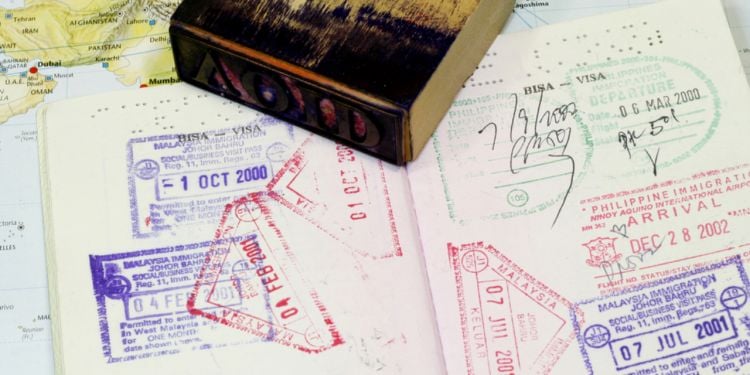
Before moving, you need to determine the right visa in the Philippines for your stay. Requirements depend on how long you plan to stay and the purpose of your visit, such as work, study, or joining family.
For stays longer than 30 days, most foreigners must obtain a visa. Common long-term options include work visas, student visas, or special resident permits for retirees. Visas are generally issued for a fixed period and can often be extended while in the country. Short visits may only require a tourist visa, which can sometimes be extended once locally.
Tips:
- Gather proof of financial means or employment to meet visa requirements.
- Make sure all supporting documents are complete and, where necessary, officially translated into English.
- Apply well ahead of your intended move, as processing times can vary.
- Keep copies of all visa documents and correspondence for reference.
Sources:





03Working in the Philippines
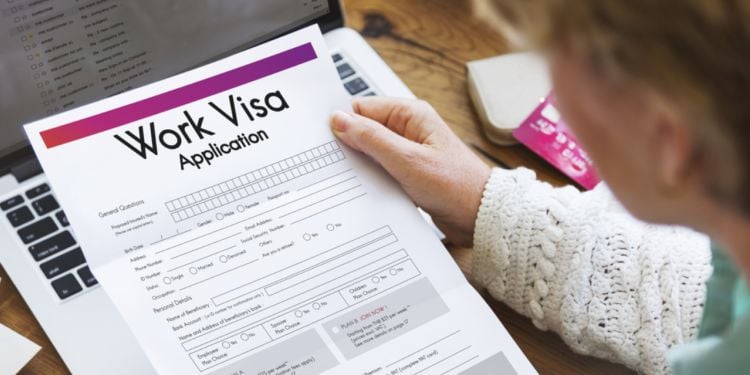
The Philippines has a growing job market, especially in BPO, IT, healthcare, tourism and education. English proficiency makes it easier for expats to integrate professionally. Most non-Filipinos need a work permit and employer sponsorship. Major online job platforms include Jobstreet, LinkedIn and Kalibrr.
In-demand jobs
Among the most sought-after jobs in the Philippines are IT and software professionals, English teachers (TESOL/TEFL certified), engineers and technical specialists, healthcare workers and hospitality professionals
Tips:
- Learn basic Filipino phrases—while English is widespread, local language skills are appreciated.
- Network through chambers of commerce or professional associations.
- Confirm that your contract provides legal work authorization.
Facts & figures
Unemployment rate | 3.9% |
Youth unemployment rate (15 to 24) | 11.5% |
Average monthly salary | $350 to $800 USD |
Data correct as of October 2025
Sources: Philippine Statistics Authority, Playroll.com
Discover more


04Accommodation in the Philippines
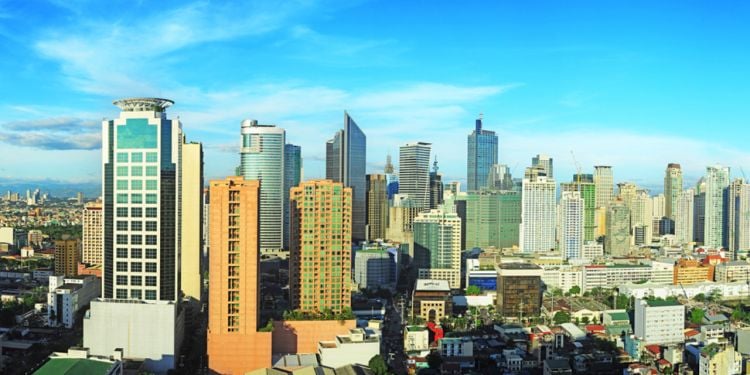
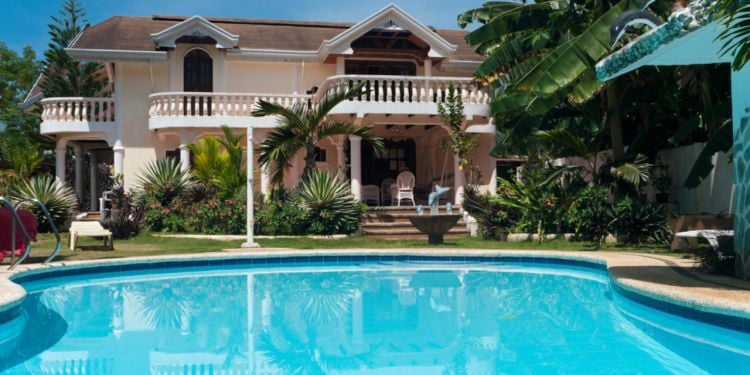
Accommodation in the Philippines ranges from high-rise apartments in business districts to relaxed suburban homes and coastal retreats. Many expats begin with short-term rentals while they get to know local areas and housing prices.
You can find listings on property websites or through local brokers. Most landlords ask for two months’ deposit and one month’s advance rent. Contracts are often annual, but shorter stays are possible in serviced apartments or condos. Always read the lease carefully—some agreements include maintenance and association fees, while others don’t.
Foreigners can’t own land directly, but you can buy condominium units or lease land for long periods. It’s best to get legal advice before signing any property deal.
Tips:
- Check internet and transport access before signing a lease, especially outside major cities.
- If you plan to buy, consult a lawyer to ensure compliance with property ownership laws.
- Visit the area at different times of day to assess noise and traffic.
- Verify that your landlord or agent is accredited before paying any deposit.
Source:
Join the discussion on the forum
05Cost of living in the Philippines
The cost of living in the Philippines is generally lower than in many Western countries, though it can vary widely between cities and rural areas. Metro Manila and Cebu are more expensive, while smaller towns and provincial areas are more affordable. Here is a general overview of average monthly expenses in US dollars to help you plan your budget.
Monthly expenses
Category | Single expat (per month) | Family of four (per month) |
Average total expenses | $535 | $1,901 |
Rent (city centers) | $313 | $632 |
Rent (outside of city centers) | $178 | $346 |
Utilities (gas, electricity, water) | $106 | $130 to $200 |
Groceries | $145 | $400 to $500 |
Data correct as of October 2025
Sources: Numbeo, Pacific Prime
06Healthcare in the Philippines
The healthcare system in the Philippines operates on a public-private model, with the best facilities generally found in major urban centers like Manila and Cebu. While all legal residents, including employed expats, must register for the national health insurance known as PhilHealth, coverage is limited and typically only subsidizes a portion of the costs. Consequently, most expats choose to purchase private international health insurance or a local Health Maintenance Organization (HMO) plan. Private facilities offer a significantly higher standard of care, modern equipment, and shorter wait times, making them the preferred choice.
What you need to know:
- In a medical emergency, dial 911 for the national emergency hotline. Response times can be slow, so many private hospitals offer their own ambulance services.
- PhilHealth enrolment is often mandatory if you are legally employed; however, it only covers a minority of the expenses, even in public hospitals.
- Private insurance (local HMOs or international plans) is highly recommended to ensure access to top-tier hospitals and a wider choice of specialists.
- English is widely spoken by medical professionals, minimizing language barriers when accessing care.
Source:
PhilHealth - Official portal for the Philippine Health Insurance Corporation
Discover more



07Finance and banks in the Philippines
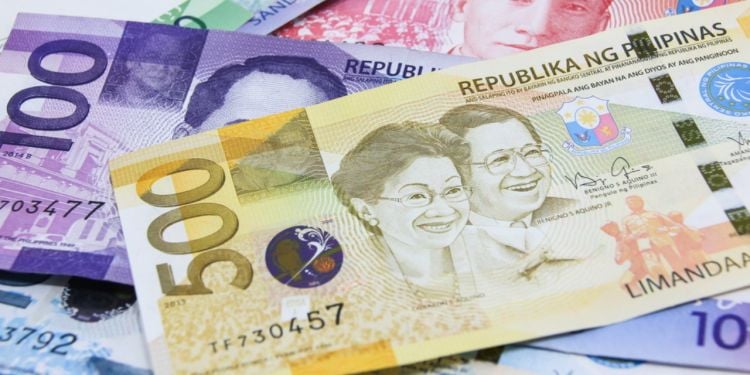
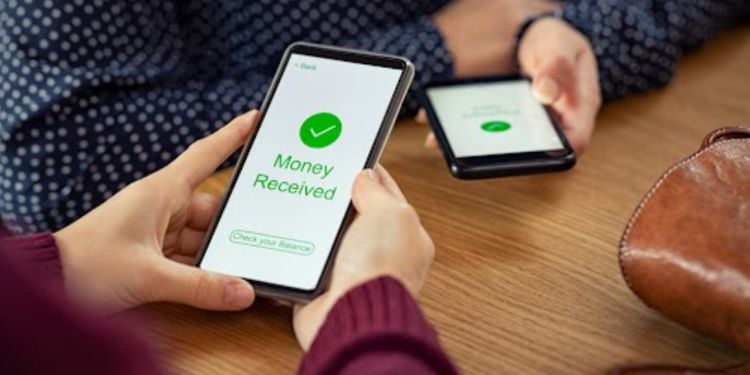
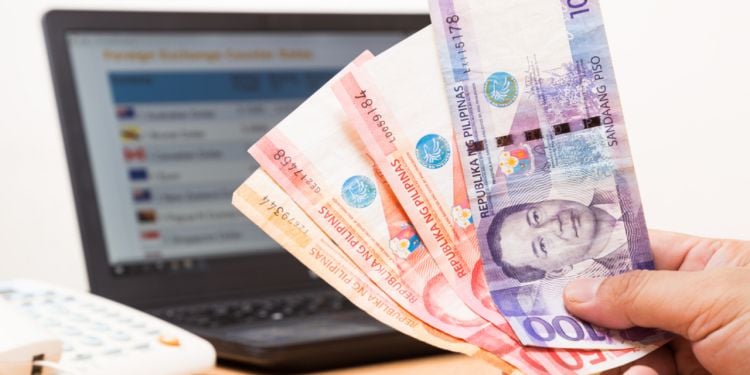
The Philippine banking system is stable and easy to access, with plenty of options for foreign residents, from local banks to international names. Opening a local bank account in the Philippines is essential for everyday finances, but you'll usually need to visit a branch and provide specific IDs. Some major banks are adding digital services, though most full-service accounts still require a traditional in-person application.
Your account options may also depend on your residency status. Once you've stayed in the Philippines for about 60 days, you're generally considered a resident alien, which can affect what accounts you can open.
To apply, you'll typically need a valid passport, a second government-issued photo ID, and proof of your local address, such as a utility bill or lease. If you hold a longer-term visa, most banks will also ask for your Alien Certificate of Registration (ACR I-Card).
Tips:
- Be ready to pay the minimum amount required, which varies by bank and account type.
- Ask about fees, such as maintenance charges, ATM fees (especially at other banks) and international transfer rates.
- Some banks may ask for additional proof of income or visa details, so it's smart to have extra paperwork on hand.
Discover more
Join the discussion on the forum
08Retiring in the Philippines
The Philippines is an increasingly popular choice for retirees seeking a warm climate, friendly communities and a more relaxed lifestyle. Many come from the United States, Canada and Europe, drawn by affordable living and scenic surroundings. Whether your ideal retirement is a beachfront bungalow in Palawan, a quiet hillside home in Tagaytay, or a condo in bustling Cebu or Manila, the country has options to suit a range of preferences and budgets. Coastal areas and smaller islands are particularly favored for their natural beauty and slower pace of life.
Major advantages
Affordable living: Lower costs for housing, food and services allow for a comfortable lifestyle on a modest budget.
Warm climate: Year-round tropical weather encourages an active, outdoor lifestyle.
Welcoming communities: Expats often find friendly local communities and a strong network of fellow retirees.
Important:
- Apply for a Special Resident Retiree’s Visa (SRRV) if you plan to stay long-term. It requires proof of pension or retirement savings and provides multiple entry and residency benefits.
- Health insurance is essential; while private hospitals offer good care, public healthcare may be limited outside major cities.
- Be prepared for bureaucracy when registering your visa and other permits, and keep copies of all documents.
Source:
Join the discussion on the forum
09Studying in the Philippines
The Philippines has become an increasingly popular destination for international students, particularly those seeking a high-quality, English-language education at a relatively affordable cost. The country boasts prestigious institutions, including the University of the Philippines (UP), Ateneo de Manila University, and De La Salle University, which are highly ranked in Asia for their programs in engineering, health sciences and business.
Why study in the Philippines?
The primary language of instruction is English, making the transition seamless for many international students wanting to study in the Philippines. Compared to Western institutions, tuition is significantly lower. Average annual tuition fees for bachelor's and master's degrees typically range from $1,000 to $5,000 USD at competitive private universities, though costs vary widely by program (e.g., Medicine can be higher). This affordability, combined with low living expenses, makes studying in the Philippines a very budget-friendly option.
Tips:
- If your course is for an academic degree, you must obtain a Student Visa (9(f)) before traveling to the Philippines, which requires prior acceptance from a school authorized to enrol foreign students.
- You must provide an Affidavit of Support and bank certificates as proof of sufficient financial resources for your stay, which often needs to be authenticated by the Philippine Embassy in your home country.
- The visa application process requires authenticated documents like academic transcripts, a police certificate, and a medical examination, so start collecting these materials well in advance.
Discover more

10Education and schools in the Philippines
Finding the right school for your children is an important part of settling in the Philippines. The country offers a mix of public, private and international schools. Public schools follow the national K–12 curriculum and are free to attend, though class sizes can be large and resources vary by location. Enrolment is handled directly at your local school and requires your child’s birth certificate, recent photos and proof of residence.
Many expatriate families choose international schools, especially in cities like Manila, Cebu and Davao. These schools often teach in English and follow foreign curricula such as the British, American or the IB system. While tuition is higher, they offer smaller classes and more extracurricular options.
Tips:
- Check the school calendar — the academic year usually runs from June to March.
- Ask about language support if your child is not fluent in English or Filipino.
- Begin enrolment early, as international schools often have waiting lists.
Sources:
Join the discussion on the forum
11Planning your move to the Philippines
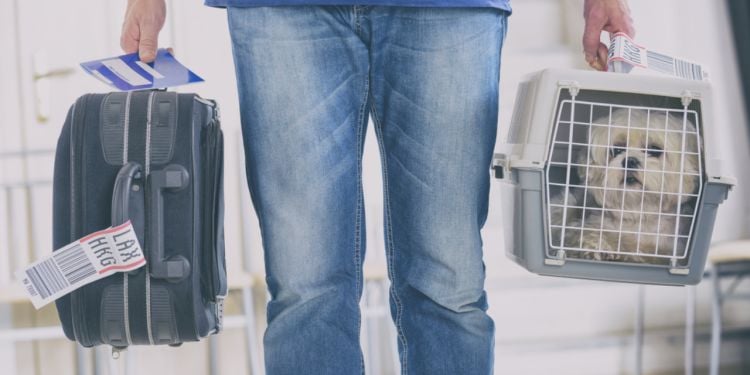
Relocating to the Philippines is an exciting adventure, but it helps to prepare well in advance. Careful organization will make your transition smoother and help you avoid common arrival hiccups.
Tips:
- Begin planning six to twelve months before your move to allow time for visa processing, housing searches and shipping arrangements.
- Compare quotes from trusted international movers with experience in Southeast Asia.
- Sort and downsize your belongings—shipping costs are based on volume, so it pays to travel light.
- Keep essential paperwork such as passports, visas, medical records and vaccination certificates together in a safe but easy-to-reach folder.
- Review customs rules to know what can be imported tax-free and what items are restricted.
- Label boxes clearly and prepare an itemized packing list for faster customs clearance.
- Consider temporary accommodation for your first few weeks while you get settled and explore neighborhoods.
Sources:
Discover more


12Everyday life in the Philippines
Life in the Philippines moves between lively city streets and the calmer tempo of its many islands. Social interactions are friendly and warm, with greetings often accompanied by a smile or a nod. Family and community play a central role, and meals are an important time to connect, whether at home or at a local eatery.
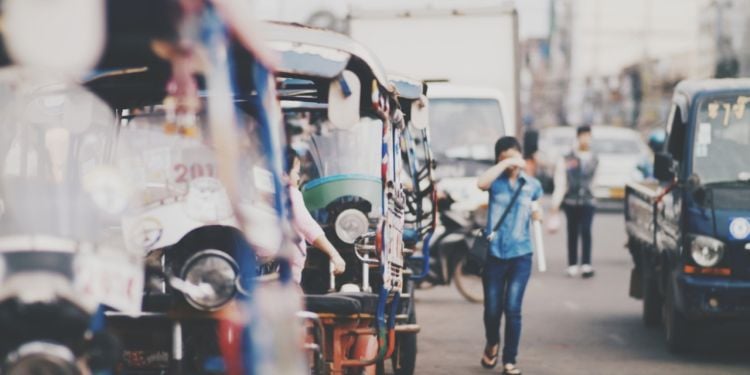
The country is generally safe, though urban areas require normal precautions, especially in crowded spots. Traffic can be heavy in major cities, so allow extra time for commuting. Public transport ranges from modern rail systems to traditional jeepneys.
Local habits & customs
Greetings: A handshake is common in professional settings, while a friendly “Hi” or nod is typical socially. Elders are often greeted with the “mano” gesture, a sign of respect.
Respect for elders: Beyond the “mano” gesture, using polite language and titles (like “Tito/Tita” for uncle/aunt) shows respect.
Formality: Politeness is valued; using “Sir” or “Ma’am” shows respect, particularly in professional or service settings.
Discover more



13Leisure in the Philippines
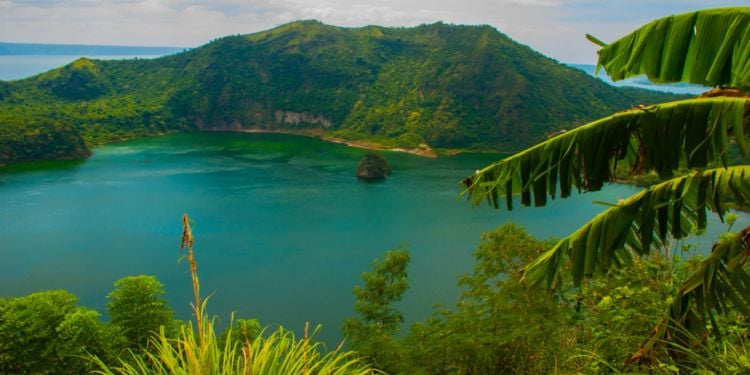
There are plenty of leisure activities in the Philippines for expats looking to make the most of their free time. Outdoor enthusiasts can explore stunning beaches, go island-hopping, or hike through volcanoes and lush mountains. Popular destinations include Palawan, Cebu and the Banaue Rice Terraces, where nature and adventure meet. Water sports such as snorkeling, diving, and kayaking are also widely available thanks to the country’s extensive coastline and colorful marine life.
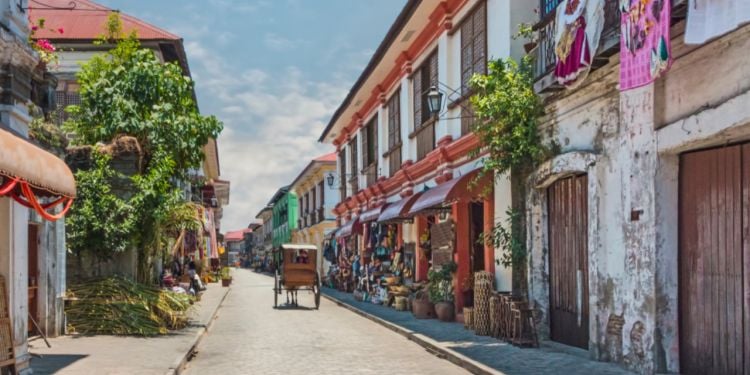
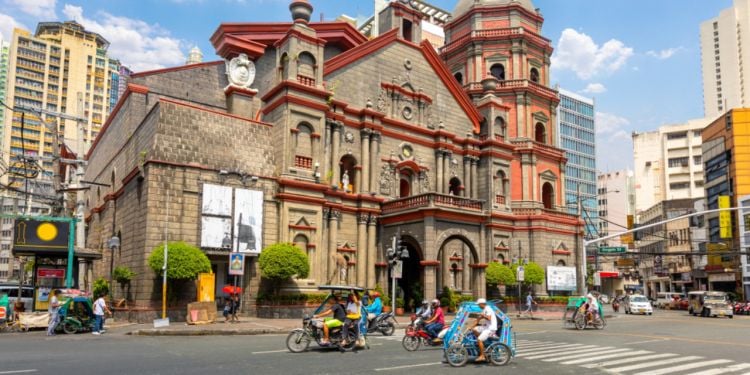
Cultural experiences are equally rewarding. Cities like Manila, Cebu and Vigan feature museums, historic churches, and colonial architecture, while local festivals provide a lively glimpse into Filipino traditions. The café and restaurant scene is thriving, offering a mix of local dishes and international cuisine—perfect for socializing and connecting with the community.
Source:
Discover more
Join the discussion on the forum
14The essentials to remember
Moving to the Philippines is about embracing tropical living, a relaxed pace and a warm culture. Learn basic Filipino, participate in community events and connect with local and expat networks. Proper planning for visas, healthcare and accommodation ensures a smooth transition. To get started, explore our comprehensive guides about living in the Philippines. You'll find in-depth articles covering everything from healthcare and renting accommodation to choosing schools and planning your downtime. Have specific questions? Join our Philippines forum and connect with expats who've made the move and are eager to share their insights.
Join the Philippines community
Get regular tips and advice to make the most of your expat life
Essential services for your expat journey






Forum topics on living in the Philippines
Discover forums topics on expat life in the Philippines: join the conversation, ask your questions, get advice and share your experience.