

 Guide updated by Veedushi Bissessur on 07 November 2025
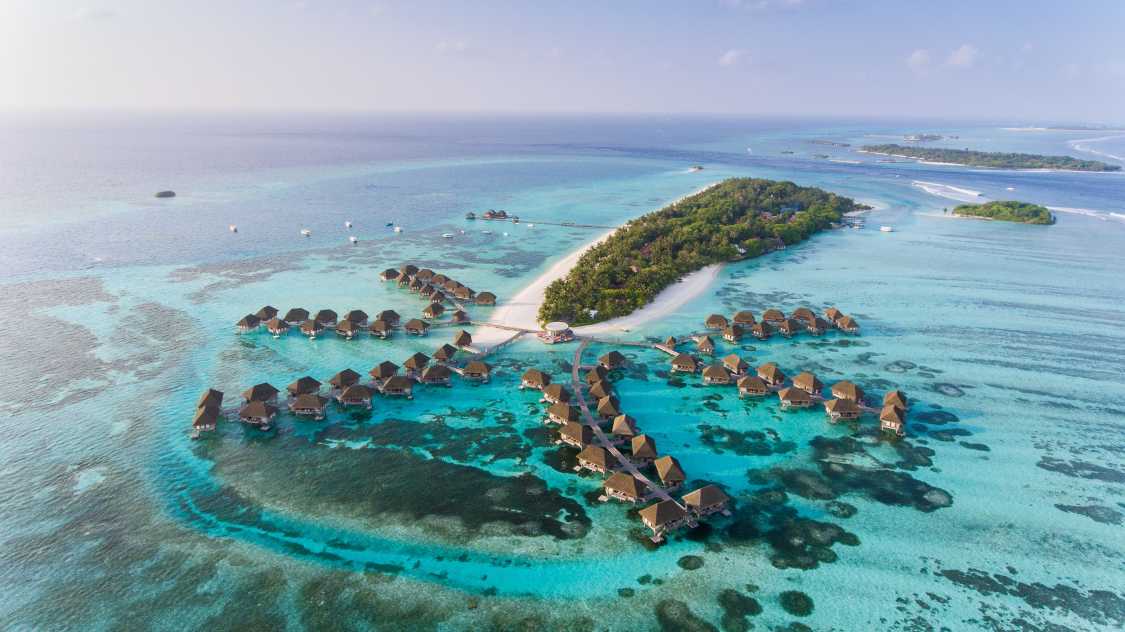
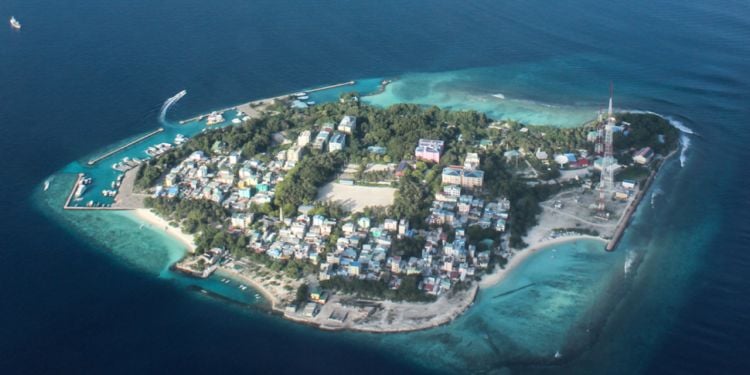
The Maldives, an archipelago of 1,192 coral islands scattered across the Indian Ocean, hosts approximately 103,000 expatriates among its total population of 529,676 residents (19.4% expat rate). This island nation's economy centers on luxury tourism, which accounts for 28% of GDP and generates 60% of foreign currency earnings. The capital Malé, with 63,000 inhabitants packed into just 6 km², ranks among the world's most densely populated cities, while newer developments like Hulhumalé offer modern alternatives for residential living.
5 compelling reasons to relocate to the Maldives
- A thriving tourism-based economy representing 28% of GDP and creating substantial employment opportunities in hospitality, diving, and resort management
- Tax-friendly system with no income tax on the first MVR 60,000 annually (approximately USD 3,885), making it attractive for mid-level earners
- Straightforward entry process with a free 30-day tourist visa granted on arrival to all nationalities, simplifying initial relocation
- Abundant opportunities in hospitality sectors including hotel management, diving instruction, spa services, and culinary positions
- Multicultural work environment with significant expat communities from Nepal, Bangladesh, Sri Lanka, and India, plus professionals from worldwide destinations
The Maldivian job market primarily attracts tourism professionals, construction workers, educators, healthcare specialists, and finance professionals. Here are key statistics to understand the country better:
Total population | 529,676 inhabitants |
Expatriate population | Approximately 103,000 (19.4%) |
Languages | Dhivehi (official), English (business & tourism) |
Currency | Maldivian Rufiyaa (MVR) - USD 1 ≈ MVR 15.44 |
Capital city | Malé (63,000 residents) |
Unemployment rate | 4.13% (2023) |
Average salary | MVR 14,748/month (approximately USD 955) |
Sources: Worldometers, World Population Review, Numbeo (October 2025)
Your setup journey
Guide in 13 steps. Click any step below to jump directly to the section you need.
01Best Areas for Expats: Where to Settle
Your residence location choice in the Maldives depends primarily on your activity sector and personal priorities. Most expatriates concentrate in the capital region, where jobs, services, and infrastructure are located. However, certain atolls and secondary cities offer interesting alternatives for those seeking a calmer environment or working in tourism. Here's an overview of principal settlement areas.
Malé: dense and dynamic capital
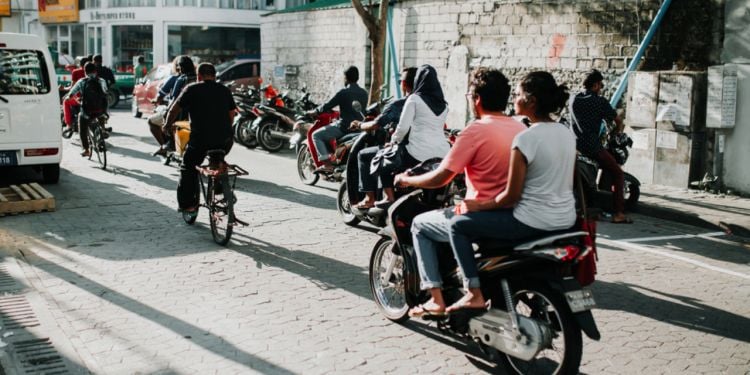
With its 63,000 inhabitants across barely 6 km², Malé ranks among the world's most densely populated capitals. The city concentrates essential employment in administration, banking, commerce, and services. Here you'll find the best hospitals (IGMH, ADK Hospital), international schools, banks, supermarkets, and restaurants. Activity is constant, streets are narrow and crowded with scooters, and space is a scarce commodity.
Malé rents range from MVR 10,000 to 18,000 for a one-bedroom apartment in central neighborhoods like Henveiru or Galolhu. For three-bedroom family housing, expect MVR 20,000 to 35,000. Maafannu and Machangolhi neighborhoods are slightly calmer but remain densely populated. Main advantage: you're at the heart of everything with immediate service access. Major disadvantage: lack of space, noise, and pollution.
Malé particularly suits singles or young couples without children who prioritize work proximity and urban life. If you seek green spaces or a beach for weekend relaxation, you'll be disappointed.
Hulhumalé: modern and spacious alternative
Hulhumalé is an artificial island created from 2004 to relieve Malé's congestion. Located just 15 minutes by ferry from the capital, it offers a significantly more pleasant living environment with wide and well-planned streets, green spaces, an artificial beach, and modern infrastructure. Population approaches 50,000 inhabitants and continues rapid growth.
Rents are slightly lower than Malé: MVR 8,000 to 15,000 for a one-bedroom apartment, and MVR 15,000 to 28,000 for three bedrooms in development phases 1 and 2. Recent residences often offer collective amenities (pool, gym, children's play areas). Ghiyasuddin International School is established in Hulhumalé, facilitating expat children's schooling.
Hulhumalé phase 2, still under construction, will see emergence of new residential and commercial neighborhoods. It's an ideal area for families seeking balance between Malé proximity and quality of life. Expatriates working at the international airport (located on neighboring Hulhulé island) particularly appreciate this location.
Vilimalé: compromise between accessibility and tranquility
Vilimalé (also called Villingili) connects to Malé by a 1.4 km bridge, allowing capital access in minutes by scooter or bus. This island of 7,000 inhabitants offers a more peaceful environment than Malé, with less traffic and more affordable real estate prices: MVR 6,000 to 12,000 for a one-bedroom apartment.
Vilimalé has local schools, supermarkets, and some restaurants. Villingili Beach is appreciated for its calm and cleanliness. It's an interesting option if you work in Malé but wish to avoid capital stress. However, leisure options and services remain limited, and you'll need to regularly go to Malé for shopping and errands.
Addu City: the country's second city
Located at the archipelago's southern extremity, Addu City has approximately 32,000 inhabitants distributed across several bridge-connected islands. It's the only true urban alternative to Malé, with its own international airport (Gan). The city attracts expat workers in education, healthcare, and construction sectors.
Rents are notably lower than Malé: MVR 4,000 to 8,000 for one-bedroom housing, and you can even find detached houses with gardens from MVR 10,000. Overall living cost is 20-30% lower than the capital. Addu has schools, hospitals, and shops, but cultural offerings and professional opportunities remain limited.
Addu City suits people seeking a slower life pace and immersion in traditional Maldivian culture. The city is also a starting point for exploring magnificent diving sites of the southern atoll.
Resort islands: living where you work
If hired by a hotel resort, you'll reside directly on the work island. These private islands offer very particular living conditions: employer-provided accommodation (dormitory or apartment depending on position), included meals, access to resort facilities (beach, pool, gym), but also total geographical isolation.
You'll live in a closed community with colleagues, in a multicultural environment. Resort islands regularly organize social events (barbecues, sports tournaments, movie nights) to break monotony. Some resorts authorize staff to go to Malé once or twice monthly during days off, but travel remains constrained by boat schedules and transport costs.
This lifestyle perfectly suits people seeking maximum savings (no rent, no groceries), immersive tourism sector experience, and who handle island isolation well. Conversely, if you need freedom of movement, varied social life, or regular access to urban services, this option can quickly become oppressive.
Selection advice
Before committing to housing, spend a few days in the considered area to test daily commutes, locate shops and services, and evaluate neighborhood atmosphere. Join online expat groups to gather experience feedback. Finally, if you have children, proximity to a quality international school should be a determining criterion in your residence area choice.
02Visa Requirements and Immigration Process
The Maldives operates an accessible visa policy for international travelers and workers. Whether you're planning a short visit or long-term employment, several visa categories accommodate different needs. Since 2025, the country has digitalized its immigration system through online platforms, streamlining application procedures. Here's what you need to know about entering and staying legally in the Maldives.
Tourist visa: free entry for all nationalities
The Maldives grants a free 30-day tourist visa on arrival to all nationalities without exception. This accessibility makes it ideal for testing the waters before committing to relocation. To receive this visa, present a valid passport with at least one month validity and a machine-readable zone (MRZ), confirmed return ticket, and either hotel reservation or proof of sufficient funds for your stay. Since April 2025, completing the IMUGA declaration form within 96 hours before your flight is mandatory. Travelers from yellow fever risk countries must provide vaccination certificates.
Important note: as of April 15, 2025, Israeli passport holders are prohibited from entering the Maldives. The tourist visa can be extended for an additional 60 days for a fee, though it doesn't authorize employment.
Work Visa: employment authorization
Working legally in the Maldives requires obtaining a Work Visa. The 2025 digitalization initiative introduced the Xpat Portal, centralizing all employment-related procedures. Your Maldivian employer must first secure Employment Approval (EA) from the Ministry of Homeland Security and Technology. Once approved, you'll receive a Work Permit valid for 90 days, allowing entry into the country.
Upon arrival, you have 15 days maximum to convert your Work Permit into an official Work Visa. Required documents include a passport valid for at least one year, immigration-format photo, medical certificate, and IMUGA form. Processing takes approximately 3 business days and costs MVR 50 (roughly USD 3.25), paid by your employer. Since 2025, appointments are scheduled through the Ant Queue app.
Critical requirement: departing the country without a valid visa stamp in your passport is strictly prohibited. Many expatriates have faced airport detention for overlooking this formality.
Business Visa and Meeting Visa
The Business Visa serves individuals conducting commercial activities without permanent relocation. This multiple-entry visa remains valid for up to 90 days and requires a letter from your foreign company attesting to your professional credentials.
Since May 14, 2023, the Maldives offers a Meeting Visa - a 14-day visa issued on arrival for attending business meetings, conferences, or conventions. Note that converting this visa to a Business Visa while in the country is not permitted.
Dependent Visa and Marriage Visa
Work Visa holders can bring family members through Dependent Visa or Marriage Visa programs. These visas cover legally recognized spouses and dependents. Applications process through the Xpat Portal and require documentation proving family relationships (marriage certificates, children's birth certificates).
For specific visa inquiries, consult the official Maldives Immigration website, which maintains updated information on all visa categories and requirements.
Join the discussion on the forum
03Employment Opportunities and Business Environment
The Maldivian labor market demonstrates strong performance with a 4.13% unemployment rate (2023) and 65.3% employment rate. The economy offers promising prospects for qualified professionals, particularly in tourism-related sectors. Average monthly salary after taxes stands at MVR 14,748 (approximately USD 955), though significant variations exist across industries and skill levels. Here's what you need to know about finding employment or launching a business in the archipelago.
Tourism sector dominance
Tourism drives the economy, representing 28% of GDP and generating 60% of foreign currency revenue. Unsurprisingly, it's the primary employer for expatriates. Luxury resorts continuously recruit professionals in hospitality, food service, diving centers, spas, and management. Currently, 27,837 Maldivians work in resorts (14% of total workforce), supplemented by thousands of international staff.
Beyond tourism, other sectors actively recruit: education (growing demand for international teachers), healthcare (qualified doctors and nurses, with 3% of civil servants being foreign), banking and finance, construction (developing infrastructure), plus fishing and maritime transport.
Salary expectations and working conditions
Annual average salary including benefits reaches MVR 228,000 (approximately USD 14,775). The Maldives established minimum wages in 2022 for Maldivian citizens only: MVR 6,000 in small businesses, MVR 6,400 in medium enterprises, and MVR 6,500 in large corporations. The public sector guarantees MVR 3,100 monthly since 2014. No legal minimum wage exists for expatriate workers, potentially creating precarious situations. Exercise caution when negotiating contracts and compare multiple offers.
Here's a salary overview by sector to gauge typical compensation:
Sector | Average monthly salary | Sought profiles |
Hospitality & food service | MVR 12,000 - 35,000 | Managers, executive chefs, front desk staff |
Diving & water sports | MVR 10,000 - 25,000 | PADI certified instructors, guides |
Education | MVR 15,000 - 40,000 | English-speaking teachers, school directors |
Healthcare | MVR 20,000 - 60,000 | Specialist physicians, qualified nurses |
Banking & finance | MVR 18,000 - 50,000 | Financial analysts, client advisors |
Construction | MVR 8,000 - 30,000 | Engineers, site managers, skilled workers |
Sources: World Salaries, Numbeo (2025)
Major employers
Leading companies regularly hiring include Dhiraagu (telecommunications leader), Bank of Maldives, Maldives Airports Company, and international hotel chains operating resort-islands. The hospitality sector alone employs a considerable portion of the active workforce and remains the primary entry point for expatriates.
Starting a business
If you're considering entrepreneurship, business registration occurs through the Ministry of Economic Development. The Maldives has established special economic zones offering attractive tax benefits, including income tax exemptions subject to presidential approval. Government-encouraged sectors include hotel development, commercial real estate, manufacturing, logistics, renewable energy, fishing, and agriculture.
However, foreign entrepreneurship faces complexities due to ownership restrictions and mandatory partnership requirements with Maldivian citizens in certain domains. Engaging a local legal firm to secure your project is advisable.

04Finding Accommodation: Housing Market Overview
Securing housing in the Maldives presents one of expatriation's major challenges, particularly in Malé where population density ranks among the world's highest. With just 6 km² accommodating 63,000 inhabitants, the capital faces severe space constraints, impacting prices and housing availability. Fortunately, new residential areas like Hulhumalé and Vilimalé offer more spacious alternatives. Here's what you need to know for comfortable settlement.
Available housing types
In Malé, the housing stock consists essentially of apartments in multi-story buildings. Studios and one-bedroom apartments are most common, with average sizes of 30 to 50 m². Two or three-bedroom apartments, rarer, are sought by families. Don't expect to find detached houses in Malé: they're virtually non-existent due to space constraints.
In Hulhumalé, the developing artificial island, supply is more varied. You'll find new apartments in modern residences with pools, gyms, and common areas. Some projects even offer townhouses or small villas. In Addu City, southern archipelago, options include traditional houses with gardens at more affordable prices.
If you work at a resort, know that most employers provide on-island accommodation. These range from shared dormitories for junior staff to individual apartments for managers. This solution, while limiting autonomy, allows considerable rent savings.
Rental prices by area
Malé rents rank among the region's highest. Budget between MVR 6,000 and 10,000 monthly (USD 390-650) for a basic studio, MVR 10,000 to 18,000 (USD 650-1,165) for a one-bedroom apartment, and MVR 18,000 to 35,000 (USD 1,165-2,270) for a two or three-bedroom unit in a recent building.
In Hulhumalé, prices are slightly lower: MVR 5,000 to 8,000 for a studio, MVR 8,000 to 15,000 for a one-bedroom apartment, and MVR 15,000 to 28,000 for family housing. The island also offers more modern amenities and a more pleasant living environment with green spaces and accessible beaches.
In atolls or Addu City, rents drop considerably: MVR 3,000 to 6,000 for a simple house, though employment opportunities are also much more limited.
Recommended neighborhoods for expats
In Malé, the Henveiru and Galolhu neighborhoods are popular for their proximity to shops, restaurants, and services. Downtown offers easy access to supermarkets, banks, and hospitals. However, expect noise and heavy traffic. More residential neighborhoods like Maafannu are quieter but prices remain elevated.
Hulhumalé has become expat families' preferred destination. Development phases 1 and 2 offer modern apartments in a well-planned environment with schools, shopping centers, and leisure spaces. The artificial beach and parks create a significantly more pleasant living environment than Malé, though you're 15-20 minutes by ferry from the capital.
Vilimalé, another artificial island connected to Malé by bridge, is also developing with affordable residential projects. It offers an interesting compromise between accessibility and quality of life.
Rental procedures and contracts
Housing searches primarily occur through local real estate agencies or online platforms. Standard rental contracts last one year, with payment of one month's deposit and sometimes one or two months in advance. Utilities (water, electricity, air conditioning) are generally not included in rent and represent an additional cost of MVR 1,000 to 2,500 monthly depending on consumption.
Contracts must specify duration, rent amount, payment terms, maintenance responsibilities, and termination conditions. Have a trusted person accompany you during visits and signing, and photograph the property condition to avoid disputes upon departure.
Know that air conditioning runs constantly in the Maldives due to heat and humidity. It represents a significant portion of your electricity bill. Verify equipment functions properly before signing.
Discover more
05Cost of Living: Monthly Budget Planning
Living costs in the Maldives fall in a medium to high range, primarily due to the country's dependence on imports. Malé and Hulhumalé concentrate the highest prices, while peripheral islands offer more affordable conditions but with fewer infrastructures. To help you anticipate expenses, here are detailed tables based on the latest available data from October 2025.
Single person budget
If you're relocating alone to the Maldives, here's a realistic estimate of monthly expenses depending on whether you opt for economical or comfortable living. These amounts include rent, food, transport, and daily expenses, but exclude leisure and exceptional purchases.
Expense category | Economical budget | Comfortable budget |
Rent (studio or 1 bedroom) | MVR 6,000 - 8,000 | MVR 10,000 - 15,000 |
Utilities (water, electricity, AC) | MVR 1,000 - 1,500 | MVR 1,500 - 2,500 |
Groceries and food | MVR 3,500 - 5,000 | MVR 5,500 - 8,000 |
Restaurants and cafés | MVR 1,500 - 2,500 | MVR 3,000 - 5,000 |
Local transport (ferry, taxi) | MVR 300 - 500 | MVR 500 - 1,000 |
Internet and phone | MVR 1,000 - 1,500 | MVR 1,500 - 2,000 |
Leisure and entertainment | MVR 1,000 - 2,000 | MVR 2,500 - 4,000 |
Monthly total | MVR 14,300 - 21,000 | MVR 24,500 - 37,500 |
USD equivalent | USD 925 - 1,360 | USD 1,585 - 2,430 |
Source: Numbeo (October 2025)
Family of four budget
For a family with two children, expenses increase significantly, particularly due to larger housing needs and school fees. Here's a realistic estimate helping you assess whether your compensation package suits family expatriation.
Expense category | Economical budget | Comfortable budget |
Rent (3 bedrooms) | MVR 18,000 - 25,000 | MVR 25,000 - 35,000 |
Utilities (water, electricity, AC) | MVR 2,000 - 3,000 | MVR 3,000 - 4,500 |
Groceries and food | MVR 8,000 - 12,000 | MVR 12,000 - 18,000 |
Restaurants and cafés | MVR 2,500 - 4,000 | MVR 5,000 - 8,000 |
Local and school transport | MVR 1,000 - 1,500 | MVR 1,500 - 2,500 |
Internet and phones | MVR 1,500 - 2,000 | MVR 2,000 - 3,000 |
School fees (2 children, international) | MVR 10,000 - 15,000 | MVR 15,000 - 20,000 |
Leisure and family activities | MVR 2,000 - 3,000 | MVR 4,000 - 6,000 |
Monthly total | MVR 45,000 - 65,500 | MVR 67,500 - 97,000 |
USD equivalent | USD 2,915 - 4,240 | USD 4,370 - 6,280 |
Source: Numbeo (October 2025)
Price benchmarks
To refine your budget, here are some indicative prices: a meal at an economical restaurant costs between MVR 100 and 200, while a dinner for two at a mid-range restaurant runs MVR 500 to 750. A 1.5L water bottle costs approximately MVR 15, a liter of milk MVR 50, a dozen eggs MVR 55. Imported products (cheeses, non-alcoholic wines, Western cereals) are considerably more expensive.
Public transport is affordable: MVR 5 for a Malé public bus ride, MVR 10 for Malé-Hulhumalé ferry. Taxis practice fixed rates according to distances, generally between MVR 25 and 100 for urban trips.
If you plan to save, target a net salary of at least MVR 25,000 monthly to live comfortably alone, and MVR 80,000 to 100,000 for a family with privately-schooled children. These amounts will cover your daily expenses while maintaining a margin for unexpected costs and leisure.
Join the discussion on the forum
06Healthcare System and Medical Coverage
The Maldivian healthcare system relies on infrastructure primarily concentrated in Malé and Hulhumalé, with more limited coverage across atolls. If you're relocating to the Maldives, understanding the public system's functioning and securing appropriate international health insurance is crucial. Quality care exists but often comes at significant cost and may require medical evacuation abroad for complex cases.
Public healthcare network
The public network comprises 6 regional hospitals, 13 atoll health centers, 65 health centers, and 231 health posts distributed across inhabited islands. Indhira Gandhi Memorial Hospital (IGMH) in Malé is the country's principal facility with over 400 beds. Since 2024, the government has launched an ambitious infrastructure improvement plan, notably constructing a new 25-story, 400-bed tertiary hospital in Hulhumalé, scheduled to open in 2027.
The public system operates through a health insurance program called Aasandha, reserved for Maldivian citizens. This program covers consultations, hospitalizations, and certain treatments within the public network. As an expatriate, you won't access Aasandha and must pay for healthcare out-of-pocket or through private insurance.
Private facilities and care quality
The private sector has expanded considerably in recent years to meet expatriate and tourist needs. Major private establishments include ADK Hospital (200 beds, 24/7 emergency services), Tree Top Hospital (specialized in acute care with modern equipment), and several clinics like Indira Gandhi Clinic and Medical Centre Private Ltd.
Luxury resorts often maintain their own medical clinics with on-site physicians, which can be reassuring if you work in hospitality. However, for complex surgical interventions, oncological treatments, or highly specialized care, evacuation to India, Sri Lanka, Singapore, or Thailand may prove necessary.
International health insurance: essential coverage
Given high private care costs and lack of public system access for expatriates, subscribing to international health insurance is strongly recommended. Insurance policies should ideally cover routine care, hospitalizations, and emergency medical evacuations that can cost several thousand dollars.
Several international insurers offer Maldives-appropriate coverage: Cigna Global, Allianz Care, Bupa Global, or April International. Premiums vary by age, health status, and coverage extent, but expect USD 1,500 to 4,000 annually for comprehensive coverage including evacuations. Some employers, particularly in hospitality, include health insurance in compensation packages. Systematically verify coverage extent and supplement if necessary.
Vaccinations and health precautions
No vaccinations are mandatory for entering the Maldives except yellow fever if arriving from a risk country. However, staying current on standard vaccinations is recommended: diphtheria-tetanus-polio, hepatitis A and B, typhoid. Malaria risk is non-existent in the Maldives, simplifying daily life.
Primary precautions concern hydration (constant heat), sun protection (essential under equatorial sun), and food hygiene. Tap water is generally not potable; prefer bottled water. Pharmacies are well-stocked in Malé and Hulhumalé but may lack certain specific medications in atolls. If you follow a particular treatment, arrange sufficient stock.
For medical emergencies, dial 102 for ambulance. Emergency numbers are also available: Police: 119, Fire: 118, Coast Guard: 191.
Discover more
07Understanding the Tax System
The Maldives modernized its tax system in 2020 by introducing personal income tax. While the country maintains a reputation as a fiscally attractive destination, understanding applicable taxes is essential for anticipating your actual tax burden. The system remains relatively straightforward compared to other countries, though several sector-specific taxes supplement income tax.
Income Tax structure
Since January 1, 2020, the Maldives applies progressive income tax to all residents, whether Maldivian or foreign. The positive aspect: the first MVR 60,000 annually (MVR 5,000 monthly, approximately USD 325) is completely tax-exempt. Beyond this threshold, the following progressive brackets apply:
MVR 60,001 to 100,000: 5.5% tax rate
MVR 100,001 to 150,000: 8% tax rate
MVR 150,001 to 200,000: 12% tax rate
Above MVR 200,000: 15% tax rate
Your tax residency status determines taxation scope. Tax residents (over 183 days annually in the Maldives and married to a Maldivian) face taxation on worldwide income. Temporary residents (over 183 days but not married to a Maldivian) pay tax only on Maldivian-source income. Non-residents pay tax exclusively on Maldivian-source earnings.
For businesses, the standard rate is 15% on profits exceeding MVR 500,000. Banks face a higher 25% rate. Resident companies generating 100% foreign income benefit from a preferential 5% rate.
Goods and Services Tax (GST)
The Maldives applies two GST types depending on sector. GGST (General Goods and Services Tax) stands at 8% and covers all goods and services outside tourism. In the tourism sector, TGST (Tourism Goods and Services Tax) was set at 16% until June 30, 2025. Important update: this rate increases to 17% from July 1, 2025, directly affecting resorts and tourism establishments.
Since November 5, 2024, tourism establishment cafes reserved for employees benefit from a reduced 8% rate. Additionally, a mandatory 10% minimum service charge applies in restaurants and hotels. This charge is legally mandated and must be fully distributed to employees.
Good news for your daily budget: numerous essential products are tax-exempt, including rice, sugar, flour, salt, milk, oil, eggs, tea, fish, essential vegetables, bread, diapers, baby food, plus gas, diesel, and gasoline.
Green Tax (environmental levy)
The Maldives charges a Green Tax of USD 6 per night in tourism establishments (hotels, resorts, guesthouses). This tax, introduced to fund environmental protection of the archipelago, is typically included in your accommodation bill when staying at a resort. Cruise ships are also subject to this tax at USD 3 per passenger per day.
Additional specific taxes
When departing the country, you'll pay an Airport Development Fee of USD 50 for international flights in economy class, or USD 120 in business/first class. This tax is normally included in your airline ticket price.
Property owners face a Property Tax progressive according to property value, while vehicles incur a Vehicle Registration Fee and import duties potentially reaching several hundred percent depending on vehicle type.
For tax-related questions, the competent authority is the Maldives Inland Revenue Authority (MIRA), which manages all country taxes and levies.
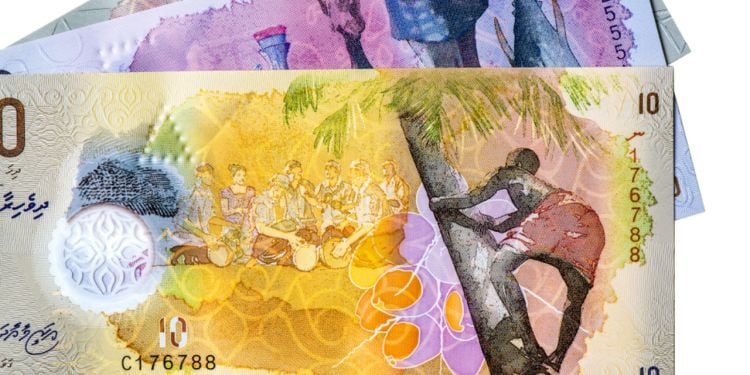
08Studying in Maldives
Universities, training courses, student visas, registration procedures: all you need to know about being an international student in Maldives.
Discover more
09Education Options for Expat Families
If you're relocating with family, your children's education will be a central concern. The Maldives offers a local education system in Dhivehi plus several international English-medium schools concentrated in Malé and Hulhumalé. School choice depends on your expatriation plan: local integration or maintaining an international curriculum. Here's an overview of available options and associated costs.
Local education system
Maldivian public education is structured in three cycles: Prathom (primary, grades 1-7), Sanavi (lower secondary, grades 8-10), and Thanavi (upper secondary, grades 11-12). Instruction occurs in Dhivehi, the national language, with English as a mandatory second language from primary level. The system follows Maldivian curriculum with national examinations at secondary completion.
For expat children, integrating into the local system can be culturally enriching but requires rapid Dhivehi acquisition. Most expat families opt for international schools following globally recognized English curricula.
International schools in Malé and Hulhumalé
Ghiyasuddin International School is the country's principal international school. Founded in 1979, it accommodates approximately 900 students from over 35 nationalities and follows the British curriculum with Cambridge IGCSE and A-Levels examinations. The school covers all levels from kindergarten through high school. Tuition fees range between USD 3,500 and 7,000 annually depending on grade, plus registration fees (approximately USD 500) and uniforms.
Billabong High International School also offers an international curriculum emphasizing personal development and extracurricular activities. Annual fees fall in a similar range, between USD 4,000 and 6,500.
Other establishments like Villa International High School, Majeediyya School (international sections), and Aarah School provide alternatives with varied curricula. Some schools follow the Indian system (CBSE or ICSE), which may suit if you're planning mobility to India.
Higher education
For tertiary studies, Maldives National University (MNU) is the primary local institution. It offers bachelor's and master's degrees in various fields: engineering, business, health sciences, education, social sciences. Instruction occurs in English and attracts regional students. Tuition fees are affordable, around USD 1,500 to 3,000 annually for a bachelor's degree.
Islamic University of Maldives offers programs in Islamic studies, law, and education. For more specialized curricula, many Maldivian students pursue studies abroad, notably in India, Sri Lanka, Malaysia, or the United Kingdom.
Costs and enrollment
Beyond tuition fees, budget for uniforms (approximately USD 200-300 annually), books and supplies (USD 150-300), school meals, and extracurricular activities. Some schools offer school transport for additional fees (approximately USD 500-800 annually).
Enrollments typically occur between March and May for August start. Contact schools several months in advance as spaces are limited, especially for upper levels. Required documents include previous report cards, birth certificate, passport copy, and ID photos.
Note that certain companies, particularly in hospitality, include school allowance in expat compensation packages for families with children. Negotiate this point during hiring to lighten your family budget.
10Planning Your Relocation: Complete Checklist
An international move to a remote archipelago requires meticulous preparation. Between administrative formalities, transporting belongings, and adapting to a new country, it's best to anticipate each step to avoid unpleasant surprises. Here's a detailed checklist for organizing your Maldives installation smoothly.
Pre-departure checklist
- Secure your Work Permit and Work Visa: Verify your employer has initiated administrative procedures via the Xpat portal at least 2 months before your planned arrival. Without a valid Work Permit, you cannot legally enter the country for employment.
- Book your flight: Direct flights to Velana International Airport (Malé) operate from several international hubs. Compare prices and anticipate high tourist season (December to April) when fares can increase 30-50%.
- Complete the IMUGA form: This mandatory declaration must be completed within 96 hours before your arrival flight. It provides Maldivian authorities with your health and travel information.
- Subscribe to international health insurance: Don't depart without comprehensive medical coverage including emergency evacuations. Medical care in the Maldives is expensive and limited for complex conditions.
- Arrange belongings transport: For a sea container from major ports, allow 6-10 weeks transit time and USD 2,000-5,000 depending on volume. Air freight is faster (1-2 weeks) but considerably more expensive. Prioritize sea shipping for furniture and bulky items, and keep essentials in accompanied baggage.
- Arrange temporary accommodation: You'll need lodging your first days while finding permanent housing. Book a hotel or guesthouse in Malé or Hulhumalé for 1-2 weeks. This allows time to visit properties and finalize your rental contract.
- Organize finances: Inform your bank of your expatriation and verify conditions for using bank cards abroad. Plan to open a local account upon arrival to facilitate rent and bill payments. Bank of Maldives and Commercial Bank accept expats presenting Work Visa and employer documentation.
- Translate official documents: Driver's license, diplomas, birth certificates (if relocating with family) must be translated to English and certified. Though English is widely practiced, authorities may require official versions.
- Verify vaccinations: Ensure you're current on standard vaccines (diphtheria-tetanus-polio, hepatitis A and B, typhoid). If transiting through a yellow fever risk country, the corresponding vaccine will be mandatory for Maldives entry.
- Prepare medications: If you follow regular treatment, build up a several-month supply. Malé pharmacies are well-stocked, but certain specific medications may be unavailable or require local prescription.
- Anticipate installation costs: Budget USD 2,000-4,000 for initial months: housing deposit (one month's rent), furniture and appliance purchases if your apartment is unfurnished, internet and mobile connection, initial grocery shopping, local transport.
- Download the Ant Queue app: This application allows appointment booking to finalize your Work Visa upon arrival. Install it before departure to save time on-site.
First weeks on location
Once arrived, focus on priority administrative procedures: converting your Work Permit to Work Visa (within 15 days), opening a local bank account, searching for permanent housing if necessary, enrolling children in school. Take time to familiarize yourself with your new neighborhood, locate supermarkets, pharmacies, and essential services. Don't hesitate to join expat groups on social networks for practical advice and expanding your social network.
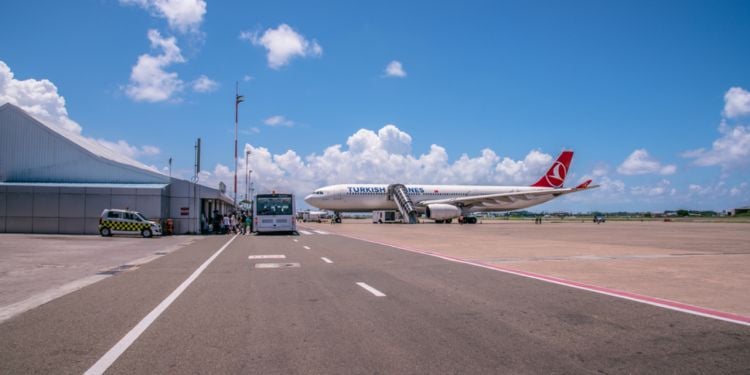
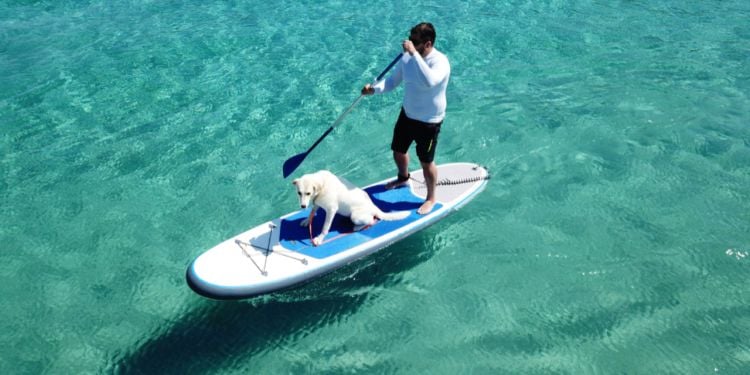
11Everyday life in Maldives
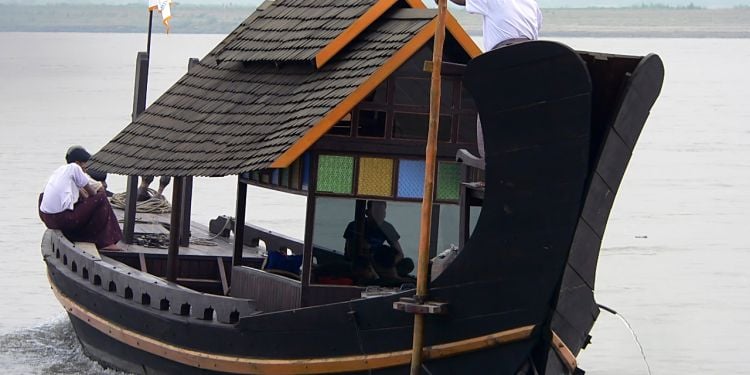
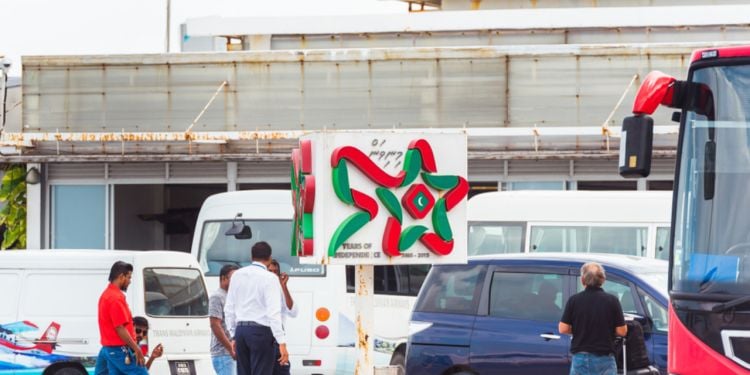
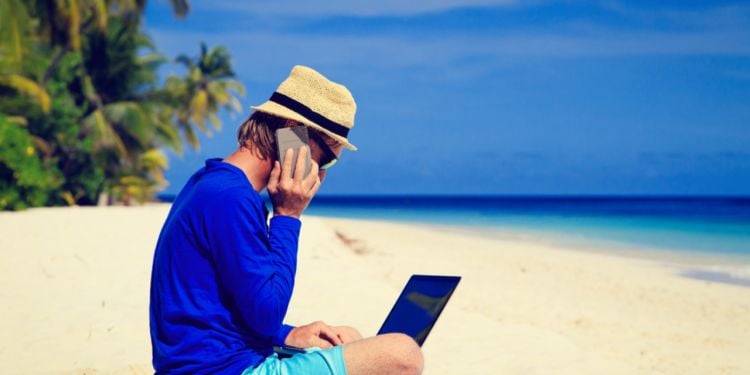
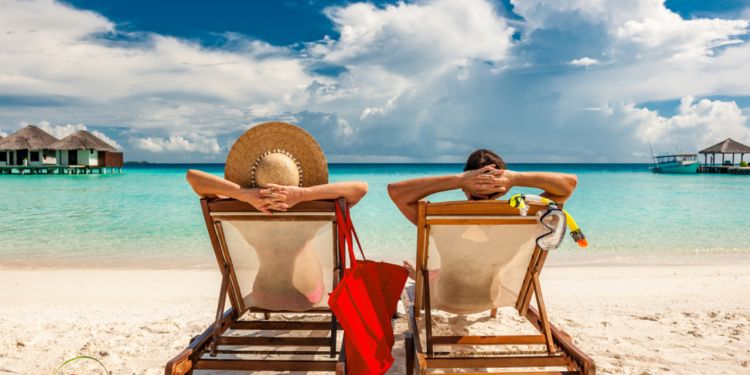
Want to know what life in Maldives is really like? Here's a taste: explore the country, find tips to use transportation, to set up internet and phone services, and everything you need to live like a local.
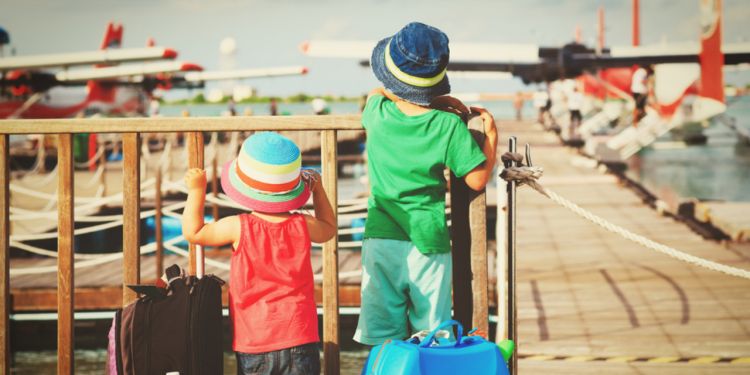
Join the discussion on the forum
12Lifestyle and Recreation Activities
Living in the Maldives extends beyond resort work. The archipelago offers activity ranges allowing full enjoyment of this unique environment, between water sports, cultural discoveries, and animated social life in urban zones. Whether you're passionate about diving, interested in local culture, or simply seeking relaxation, you'll find ways to enrich your daily life.
Water sports and diving
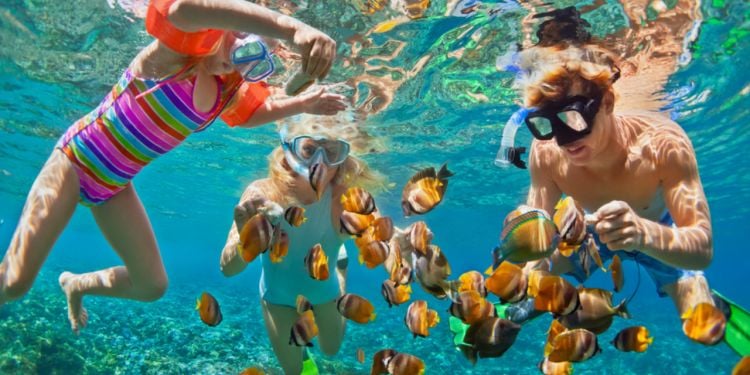
The Maldives ranks among the world's finest diving destinations. With over 1,000 fish species, manta rays, whale sharks, and multicolored corals, underwater landscapes offer unforgettable spectacles. Dive sites are accessible from resorts but also through dive centers in Malé, Maafushi, and several atolls. A dive outing costs between USD 50 and 120 depending on site and equipment. PADI certifications are available on-site for beginners.
Snorkeling is equally spectacular and accessible to all. Numerous public beaches and house reefs (near-shore reefs) allow observing marine life without expensive equipment. Boat outings to swim with manta rays or whale sharks are memorable experiences, priced between USD 80 and 150 per person.
Classic water sports (surfing, kitesurfing, stand-up paddleboarding, kayaking, jet-skiing) are widely practiced. Certain atolls like Thulusdhoo are renowned for surf spots, while Addu Atoll offers excellent kitesurfing conditions from May to September.
Cultural discovery and heritage
In Malé, the National Museum traces Maldives history through collections of pre-Islamic objects, royal costumes, and historical artifacts. Hukuru Miskiy (Old Friday Mosque), built in 1656, is a coral stone architectural masterpiece with engraved Quranic inscriptions. Don't miss the Islamic Centre Grand Mosque with its emblematic golden dome, visible from afar.
Malé's Fish Market is an authentic experience where you'll see fishermen unloading daily catches of tuna, barracudas, and other species. Nearby, the fruit and vegetable market offers a colorful glimpse of local life with stalls of coconuts, bananas, mangoes, and imported vegetables.
For deeper cultural immersion, visit inhabited islands like Maafushi, Dhigurah, or Thulusdhoo. You'll discover local crafts (mat weaving, lacework), Maldivian gastronomy, and inhabitants' hospitality. Maldivians are generally welcoming and curious to share their culture.
Nightlife and dining
Malé's nightlife remains moderate due to strict Islamic laws. Alcohol is prohibited for residents and only available at tourist resorts for visitors. However, the capital offers a dynamic café and restaurant scene. You'll find establishments serving local cuisine (garudhiya, mas huni, rihaakuru) plus international options: Indian, Thai, Chinese, Italian.
Modern cafés like Shell Beans, Seagull Café House, or Jazz Café are popular meeting places where expats gather to discuss over coffee or smoothies. Prices range from MVR 50 to 150 per beverage. Some restaurants offer themed evenings or live music on weekends.
Resorts regularly organize social events for staff: beach barbecues, sports tournaments, movie nights. These occasions are valuable for building connections with other expats and breaking island isolation.
Nature and excursions
Beyond beach and diving, the Maldives offers unique natural experiences. Excursions by water taxi (dhoni) to deserted islands allow spending a day in complete tranquility on virgin beaches. Night fishing outings are a Maldivian tradition where you catch your dinner before grilling it on the beach.
Dolphin watching at sunset is a magical activity, as are traditional boat cruises navigating the atolls. For the more adventurous, some agencies offer multi-day sailing excursions to explore remote atolls.
Religious and cultural constraints
Living in a strict Muslim country, you must respect certain rules. Alcohol is prohibited outside tourist resorts. Friday is prayer day and most shops close during prayer hours. During Ramadan, eating, drinking, or smoking publicly during daylight hours is expected to be avoided out of respect for practitioners.
Dress code must remain modest outside resorts: covered shoulders and knees for men and women in public places. On Malé's public beaches and inhabited islands, bikinis are tolerated in designated areas, but remain discreet elsewhere.
Discover more
13In Brief
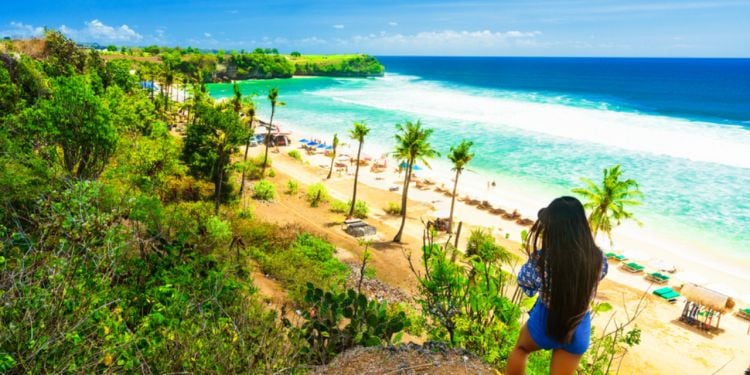
Relocating to the Maldives means choosing a unique living environment between turquoise waters and white sand, while embracing the challenges of a small island nation in transformation. Professional opportunities remain concentrated in tourism, education, and healthcare, with advantageous tax conditions for modest salaries. The visa system has modernized and simplifies settlement, while living costs remain elevated due to massive imports.
To succeed in your expatriation, anticipate administrative procedures (Work Permit, health insurance), secure housing appropriate to your budget, and prepare to live in an environment where Islamic laws frame daily life. The Maldives offer an enriching professional experience in an exceptional environment, provided you accept island isolation and lack of certain Western conveniences.
Considering taking the leap? Join the community on Expat.com Maldives forum to exchange with other expatriates, ask questions, and benefit from practical advice before and after your arrival. Best wishes for your relocation project!
Join the Maldives community
Get regular tips and advice to make the most of your expat life
Essential services for your expat journey




Forum topics on living in Maldives
Discover forums topics on expat life in Maldives: join the conversation, ask your questions, get advice and share your experience.
- Medical Health Screening Report - Work Permit
- Transfer of work visa
- Work Permit Entry (Maldives)
- Offer letter
- Life of a physiotherapist in maldives.
- I got a job offer to work in one of the island resort in Maldives
- female filipino workers in maldives
- Lung scar
- Moving to the Maldives with a young child
- Conditions in Maldives, been offered a job as a doctor.
- Rent accomdation in maldives for one month two month
- Life and Work in Maldives for a European person
- Driving license in the Maldives
- Resto which serves Filipino food/products in Male, Maldives
- Work permit for Hepatitis B in Maldives
- accomodation at 1500 Rufiyaa for teaching staff