

Living in Cambodia: the ultimate expat guide
Everything you need to know for a successful life in Cambodia.
Cambodia is an affordable and increasingly attractive destination for expats. Daily life is low-cost compared with many Asian or Western countries, while the job market offers opportunities in sectors such as tourism, education, NGOs, and small businesses. Expats can enjoy vibrant cities, rich Khmer culture, and stunning natural landscapes, all while stretching their budgets further than in many neighboring countries. Whether you’re seeking work, adventure, or a relaxed lifestyle, Cambodia provides a unique combination of opportunity, culture, and value.
Five compelling reasons to live in Cambodia
1. Low cost of living
Cambodia is among the most affordable countries in Southeast Asia. Rent, food, and daily costs are low, making it easy to stretch your income.
2. Growing economy and opportunity
Foreign investment is rising, especially in business, tourism, and tech. Many expats work for companies or NGOs or start their own ventures.
3. Friendly visa process
Cambodia offers flexible visa options and work permits. The process is relatively straightforward for many expats.
4. Rich culture and history
Home to Angkor Wat and other UNESCO World Heritage Sites, Cambodia’s heritage is deeply fascinating. There is also a vibrant modern culture in its urban centers.
5. Strategic location
Lying in the heart of Indochina, Cambodia provides a base for Southeast Asia travel, with easy access to Thailand, Vietnam, and Laos.
Facts and figures
Population (2025) | 17.8 million |
Foreign-born population (2024) | 84,000 |
Most common non-Western nationalities | Vietnamese, Thai, and Chinese |
Most common Western nationalities | French, American, Australian, British and European |
Currency | Cambodian riel |
Typical temperatures | Dry season (November – April): 22°C – 35°C (72°F – 95°F) and rainy season (May – October): 24°C – 32°C (75°F – 90°F) |
Data correct as of December 2025
Sources:
Statbase — population, OECD — Labour migration in Asia, foreign-born population, and IOM — foreign nationalities
Formalities and visas in Cambodia
Cambodia’s visa system is known for being one of the most straightforward and flexible in Southeast Asia, making it an appealing entry point for expats. Most nationalities can obtain a visa on arrival or apply online through a quick and simple e-Visa process, and long-stay options are generally easier to secure than in neighboring countries such as Thailand or Vietnam. Whether you are planning a short trip to research resettlement options or preparing for a long-term move, Cambodia's visa process is fast, accessible, and there’s minimal red tape.
Tips:
- You can apply online for a Tourist (Type T) or Business/Ordinary (Type E) visa through Cambodia's official e-Visa portal.
- Standard e-Visa processing takes about three business days.
- As of January 2025, Cambodia reduced the fees for a Type T visa to USD 30 and for a Type E visa to USD 35.
- Since mid-2024, completing the e-Arrival Card before landing is mandatory.
- Extensions are available for one, three, six or 12 months, depending on the visa subtype and your documents.
- Avoid overstaying your visa — fines apply, and they can complicate future extensions or entries.
Useful links:
Cambodia Embassy and visa service and Cambodia e-Visa portal
🔍To learn more
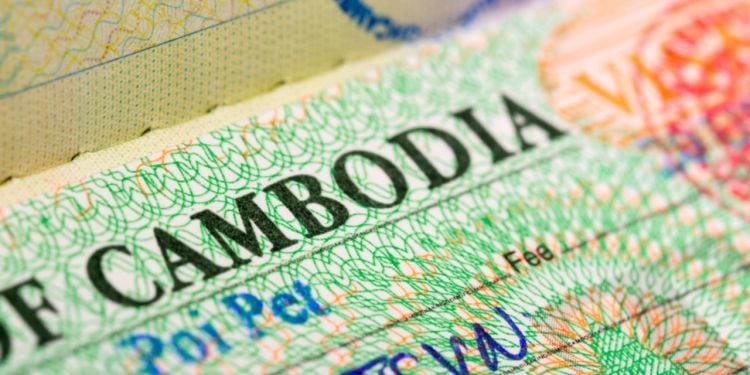
Visas for Cambodia
As you're no doubt aware, it is becoming increasingly difficult to obtain the relevant visas for many countries around the world — whether ...
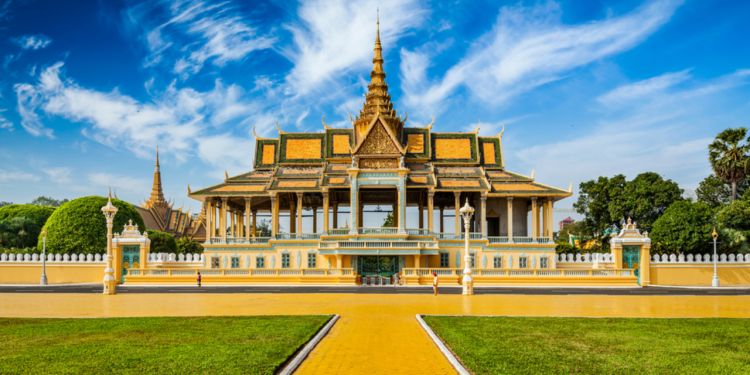
Traveling to Cambodia
Cambodia incites a feeling of awe that can be said of a few other countries, and has rightfully ...
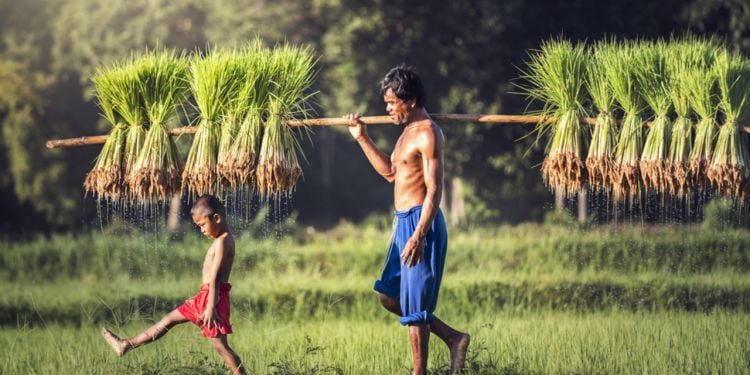
Work formalities and conditions in Cambodia
Before you start work in Cambodia, it's a good idea to learn about Khmer culture to help you to ...
Working in Cambodia
Cambodia has relatively few formal jobs, so competition for professional roles is noticeable, and a large portion of the population works in the informal sector — including street vendors, day laborers, domestic workers, and small-scale farmers. Despite this, the job market in Cambodia is dynamic, with new opportunities growing in technology, tourism, and development projects. Employers in Cambodia hiring expats typically look for specialized skills, management or technical experience, and the ability to work in cross-cultural environments.
Key employers in Cambodia
• Manufacturing (garment, textiles, footwear): Cambodia’s traditional export-driven manufacturing base.
• Services and hospitality: Tourism, hotels, and food and beverage employ many local and foreign professionals.
• Technology and startups: Growing demand in software, fintech, e-commerce, and digital services.
• NGOs: Aid and development organizations hire for project management, policy, and specialist roles.
• Construction and real estate: Ongoing infrastructure growth in Cambodia needs engineers, architects, and project managers.
Facts and figures
Unemployment rate (2024) | 0.27% |
Monthly minimum wage — garment and footwear industry (2025) | USD 208 |
Number of international NGOS (2024) | 349 |
Informal economy (2019) | 88% of Cambodia's workforce |
Data correct as of December 2025.
Sources:
Trading Economics — unemployment rate, KPMG — minimum wage, JICA — international NGOS and International Labour Organization — informal economy
🔍To learn more
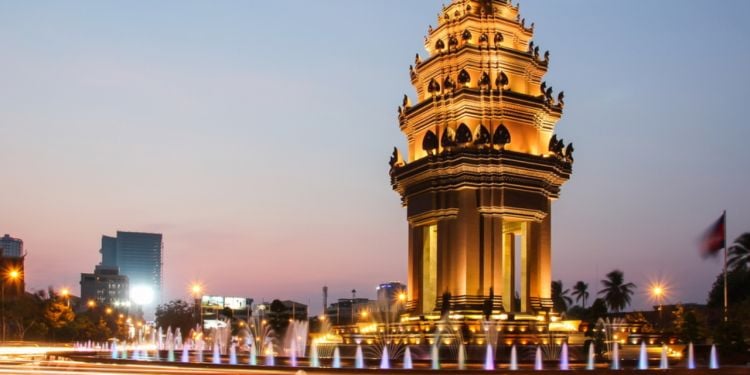
Work in Cambodia
Opportunities are aplenty for foreigners who fall in love with Cambodia after visiting this magical ...

Setting up a business in Cambodia
Setting up a business is a popular venture in Cambodia, and the plethora of ...
Internship or Volunteering in Cambodia
Due to the number of professionals working in the development sector in Cambodia, there are fewer ...
Studying in Cambodia
Cambodia’s higher education system is expanding, with more programs and international partnerships emerging each year. While it is not yet a major global study destination, Cambodia is steadily attracting international students, especially from nearby Asian countries. Some of the country's universities are gaining regional recognition, offering quality programs and international-style curricula, attracting international students with affordable tuition, small class sizes, and the chance to immerse themselves in Khmer culture while studying abroad.
Many international students in Cambodia choose programs that align with the country’s growing industries. Popular fields include IT and engineering at tech-focused institutions, health sciences, and business and entrepreneurship to tap into the expanding private sector. These courses offer practical skills while giving students a chance to experience life and work in Cambodia’s dynamic environment.
Popular Cambodian universities
• Royal University of Phnom Penh (RUPP): The largest public university in Cambodia, offering a wide range of programs from humanities to engineering.
• Institute of Technology of Cambodia (ITC): Cambodia’s premier engineering and technology university, known for strong technical and STEM training.
• Paññāsāstra University of Cambodia (PUC): A private university with international-style programs, many courses taught in English, and a global outlook.
🔍To learn more
Study in Cambodia
If you wish to study in Cambodia in order to develop your skills while having something interesting to put on your resume, then you'll be ...
Retiring in Cambodia
Cambodia is an appealing retirement destination for those seeking affordable living, warm weather, and a relaxed lifestyle. Retirees enjoy friendly communities, rich culture, and easy access to vibrant cities or peaceful coastal towns. With a relatively straightforward visa system and growing expat networks, it’s easier than ever to settle in Cambodia and enjoy your retirement at a pace that suits you.
Many expat retirees in Cambodia are from Western countries and surrounding Southeast Asian nations. Popular places to settle include Phnom Penh, for its amenities, healthcare, and lively expat scene; Siem Reap, for culture, history, and proximity to Angkor Wat; and Kampot and Kep, for peaceful riverside or coastal living. And those looking to settle permanently often consider their options when it comes to buying property in Cambodia — while foreigners cannot own land outright, they can purchase strata-title condominiums (apartments above ground floor) or use long-term leases, land-holding companies, or trusts to secure property.
Tips:
- No dedicated retirement visa: Cambodia does not offer a specific ' retirement visa,' and most retirees use a Business/Ordinary (E) visa and then convert to an EB extension for long-term stays.
- Visa extensions: E/EB visas can be extended in 1, 3, 6, or 12-month increments, allowing retirees to remain legally for the long term.
- Property ownership restrictions: Foreigners cannot own land directly but can legally purchase condominium units (strata title) or secure long-term leases (typically 99 years).
- Buying property safely: Always use reputable lawyers and official channels to register condos or leases to ensure secure property rights.
Finance and banks in Cambodia
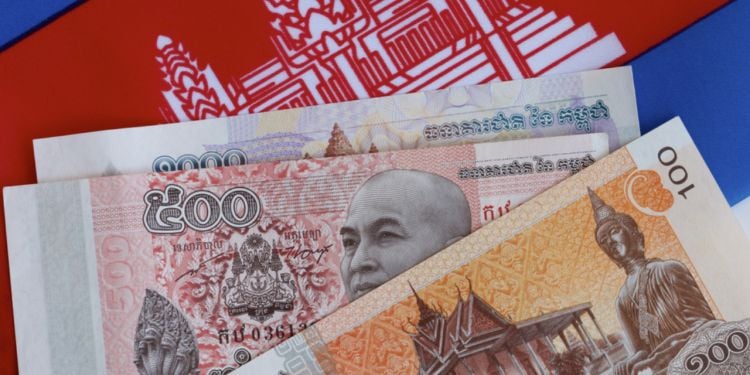
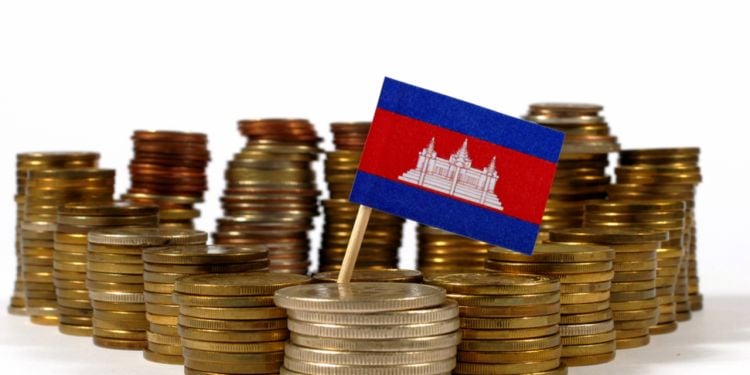
Cambodia’s banking system is modernizing fast. Many banks now offer solid mobile apps, QR payments (using the national KHQR system), and support for both US dollars and Cambodian riel. For expats, opening a local bank account is fairly easy — it’s often faster and cheaper than relying on foreign cards, especially given high ATM fees for international cards.
What you should know
• You generally need a passport, a valid visa, and proof of residence (e.g. lease agreement) to open a bank account in Cambodia.
• Some banks may also ask for a letter of employment or proof of income.
• ATMs are widespread, especially in cities, and dispense both USD and KHR — but foreign card withdrawals can cost USD 4–5 per transaction.
• The ABA mobile app is a favorite among expats for its smooth UX, QR payments (via ABA PAY), and English support.
• Digital payments are very common in Cambodia.
• You generally can’t open a Cambodian account fully remotely: local ID, visa, and proof of residence are standard requirements.
🔍To learn more
Health care in Cambodia
Cambodia’s healthcare system is improving — but it’s still a work in progress. Public hospitals are often under-resourced, while private clinics in major cities like Phnom Penh offer better care but at a cost. Serious or complex cases may require evacuation to nearby countries for treatment. Expats in Cambodia can technically access public healthcare, but most rely on private hospitals and clinics for faster, higher-quality care. Public facilities exist, but long waits, limited equipment, and language barriers make them less practical for everyday needs. While accessing healthcare in Cambodia isn’t tied to a specific visa, having comprehensive private health insurance is strongly recommended to cover medical costs, smooth treatment, and evacuation if required.
Tips:
- Health insurance is not always required for visa applications to Cambodia, but it's strongly advised.
- Local health insurance plans exist but often have limited coverage and may not include serious treatment or evacuation.
- Some policies may require a residency period (e.g., 185 days in Cambodia) to be eligible.
Useful link:
English-speaking doctors in Cambodia
🔍To learn more

Healthcare in Cambodia
It used to be common advice for any foreigners in Cambodia to simply go to Bangkok or Singapore if they required medical attention. Fortunately, ...
Education and schools in Cambodia
Expat families in Cambodia rarely send their children to public schools due to language barriers and inconsistent quality. Instead, most choose private or international schools, which offer English-language instruction and internationally recognized curricula such as IB, British, or American systems.
Education in Cambodia is steadily improving, with more options for families, though quality still varies between urban and rural areas. Children typically start school at age 6, following a 6 + 3 + 3 system: six years of primary (Grades 1–6), three years of lower secondary (Grades 7–9), and three years of upper secondary (Grades 10–12). While public schools are technically free for Cambodian citizens, families may still pay for uniforms, books, and other school-related costs.
Types of schools in Cambodia
• Public/state schools: Free in theory for Cambodian citizens, often under-resourced in rural areas.
• Private Khmer schools: Local schools teaching mainly in Khmer, sometimes with English support.
• International schools: Offer global curricula (IB, British, American) and are popular with expat families.
• Vocational/technical schools: Focus on hands-on skills and trades for older students.
Cambodian school year and holidays
• School year: November to August.
• Long break: Late August to early November.
• Other holidays: Public holidays and shorter breaks vary by school, especially at private or international institutions.
Accommodation in Cambodia
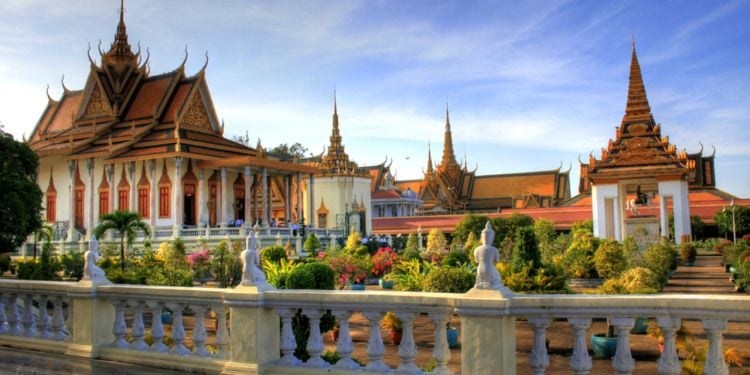
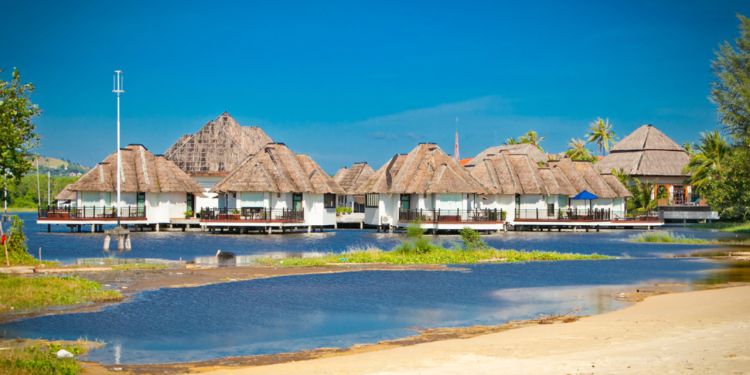
Cambodia’s housing market is varied — urban areas like Phnom Penh and Siem Reap are relatively affordable, but modern apartments and condos can be competitive. Rentals are plentiful, and property development, especially in the condominium sector, is booming. Renting a place in Cambodia is generally straightforward for expats: work with a local agent or via an online platform, agree on a lease deposit and monthly rent, and sign a tenancy contract. Expats cannot own land outright, but they can legally control or purchase property through long-term leases or strata-titled condominiums, providing secure options for expats wishing to resettle in Cambodia.
What you should know
• Long-term leases are common: Foreigners can take leasehold contracts of 15 to 50 years, renewable, giving long-term control without owning land.
• Condo ownership via strata title: Foreigners are allowed to buy condominiums with strata titles — typically units above the ground floor.
• No land ownership: Constitutionally, foreigners cannot own land directly.
🔍To learn more
Planning your move to Cambodia
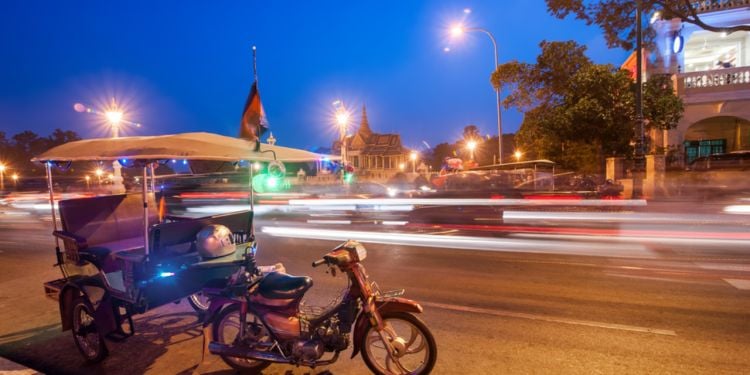
Bringing your belongings into Cambodia is generally straightforward, but understanding the customs process is essential. The system is relatively organized for personal effects, and used household items can often be imported duty-free under certain conditions, such as if you are working for an NGO or on a long-term visa.
Proper documentation, including a detailed inventory, a copy of your passport, and, if applicable, an employer or NGO letter, is required to ensure smooth clearance. While shipping times to Cambodia can vary, goods usually arrive within a few weeks. Using a reputable international mover experienced with Cambodia can make the process easier and help prevent delays or losses, and insurance is highly recommended to protect your items during transit.
Tips:
• Check duty-free status: If you work for an NGO or are a diplomat, you may import used household goods duty-free — a letter from the Ministry of Foreign Affairs is usually required.
• Be careful with packing: Avoid shipping items in their original retail packaging, as customs may consider them 'new' and apply duties.
• Correct documentation: Detailed inventory, passport copy, and any employment letters are vital for smooth customs clearance.
• Use insurance and a reliable mover: Experienced movers, proper declarations, and insurance help protect your items from loss or damage.
🔍To learn more

Leisure in Cambodia
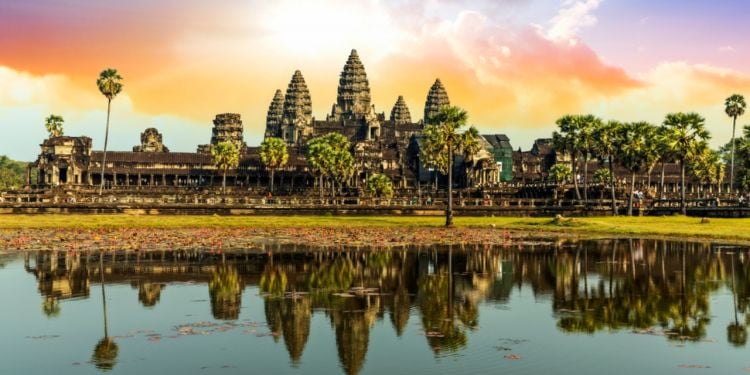
Cambodia is a playground for the curious and adventurous, offering endless ways to explore, relax, and immerse yourself in culture. From wandering Cambodia's awe-inspiring temples to navigating bustling markets, there is no shortage of ways to spend free time. Cambodia's rich history and culture make it perfect for sightseeing, cultural immersion, and photography. Cities like Phnom Penh and Siem Reap feature lively nightlife, riverside dining, and art galleries, while smaller towns and coastal areas provide a slower pace for relaxation and nature exploration.
For outdoor enthusiasts, Cambodia has stunning natural landscapes — pristine beaches in Sihanoukville and Kep, tranquil rivers in Kampot, and dense forests and waterfalls in the Cardamom Mountains. Traditional Khmer festivals, cooking classes, and community events offer additional ways to connect with local culture. Whether you enjoy adventure, cultural exploration, or simply unwinding by the water, Cambodia has something for everyone.
Popular leisure activities in Cambodia
• Visiting Angkor Wat and other historical temples in Siem Reap.
• Cruising the Tonle Sap Lake or Mekong River.
• Exploring the beaches and islands of Sihanoukville and Kep.
• Trekking in the Cardamom Mountains and national parks.
• Attending Khmer New Year and other traditional festivals.
• Sampling Khmer cuisine through cooking classes and food tours.
• Experiencing night markets, art galleries, and rooftop bars in Phnom Penh.
🔍To learn more
Leisure and lifestyle in Cambodia
The expat scene in Cambodia is thriving with interesting people of all ages from all corners of the globe. Read this article to find out what you ...
Everyday life in Cambodia
Life in Cambodia is colorful, lively, and full of small everyday adventures. From bustling street markets to riverside cafés, there’s always something happening — yet the pace remains relaxed enough to enjoy your morning coffee or an evening stroll without feeling rushed. Local life in Cambodia blends tradition and modernity. Politeness and respect are important: remove shoes before entering homes or temples, dress modestly at religious sites, and greet people with a smile or slight bow. Wet markets, local shops, and cafés are central to daily routines, while weekends often revolve around family, temple visits, or outdoor activities. Expats quickly discover that food, social gatherings, and community events form the heartbeat of Cambodian life.
Cambodia is generally safe for residents, including expat women, but petty crime such as pickpocketing, bag snatching, or small scams does occur, particularly in crowded areas. Traffic hazards, especially motorbike accidents, are more common than violent crime. Following standard safety precautions — avoiding isolated areas at night, securing personal belongings, and being cautious on the roads — ensures everyday life remains comfortable and worry-free.
🔍To learn more
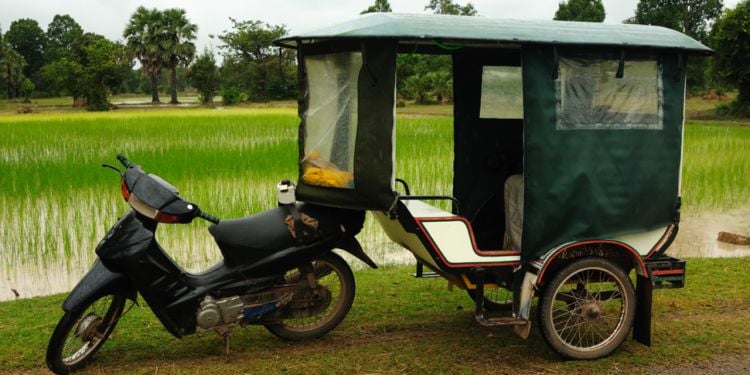
Transports in Cambodia
In spite of a relatively undeveloped public transport system, Cambodia is one of the easiest countries to get around. Thanks to a plethora of ...
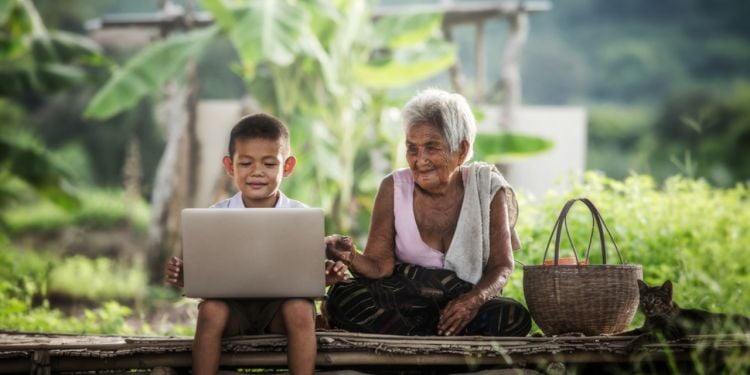
Phones and Internet in Cambodia
You may be surprised to find that Cambodia is a well-connected hub, so you can easily keep in ...
Useful numbers in Cambodia
It is essential to have useful numbers within reach, especially when relocating to a foreign ...
Cost of living in Cambodia
Cambodia is widely regarded as an affordable country for expats, especially compared with Western nations and even many parts of Asia. Daily expenses such as food, local transport, and utilities are generally low, allowing you to live comfortably on a modest budget. However, imported goods, international schools, and high-end housing can be surprisingly pricey, sometimes rivaling costs in regional hubs like Bangkok or Ho Chi Minh City. Dining at upscale restaurants, private healthcare, and certain luxury items also carry a premium, so lifestyle choices greatly influence your monthly spending. Overall, Cambodia sits in the lower-middle range in Asia: cheaper than Singapore, Japan, or South Korea, but a bit more expensive than some rural parts of Vietnam or Laos.
Monthly expenses
Single expat (per month) | Family of four (per month) | |
Rent (city center) | 2,132,000 KHR (USD 520) | 4,100,000 KHR (USD 1,000) |
Rent (suburbs) | 1,156,000 KHR (USD 282) | 2,576,000 KHR (USD 629) |
Utilities (electricity, water, Internet) | 405,000 KHR (USD 99) | 656,000 KHR (USD 160) |
Groceries | 1,025,000 KHR (USD 250) | 2,870,000 KHR (USD 700) |
Public transport (monthly pass) | 37,720–41,000 KHR (USD 9.20-10) | 150,880–164,000 KHR (USD 36.80–40) |
Dining out and entertainment | 555,000 KHR (USD 135) | 1,665,000 KHR (USD 405) |
Data correct as of December 2025.
Source:
Outro
Living in Cambodia offers an exciting mix of affordability, culture, and adventure. Expats can enjoy low-cost daily life, vibrant cities, and stunning natural landscapes while immersing themselves in rich Khmer traditions. With careful planning, your budget often goes further here than in many other Asian or Western countries. Resources like the expat.com Cambodia guides on housing, visas, schooling, and healthcare — plus our dedicated Cambodia expat forum — make researching your move and settling into Cambodian life far easier, helping you navigate life on the ground as smoothly as possible.
We do our best to provide accurate and up to date information. However, if you have noticed any inaccuracies in this content, please contact us.



Essential services for your expat journey



