Living in Cape Town: the ultimate expat guide
Everything you need to know for a successful life in Cape Town.
Cape Town, the legislative capital of South Africa, is a city known for its natural beauty, diverse culture, and coastal lifestyle. Nestled between Table Mountain and the Atlantic Ocean, it offers expats a mix of urban amenities and outdoor activities. The city has a population of approximately 5.1 million, with a vibrant multicultural community. Expats enjoy good healthcare facilities, international schools, and a relatively mild climate year-round.
5 reasons to move to Cape Town
- Stunning natural beauty with Table Mountain, Atlantic beaches, and a Mediterranean climate offering warm summers and mild winters.
- Growing job opportunities in technology, tourism, hospitality, and creative industries, attracting both locals and international professionals.
- A vibrant cultural scene with diverse communities, museums, theaters, historic sites, and regular festivals celebrating local heritage.
- Private and international schools offer high-quality education, including British, American, French, and International Baccalaureate programs.
- A welcoming international community with expat networks, language schools, social groups, and plenty of support for newcomers.
Source: World Population Review
Working in Cape Town
Cape Town is one of South Africa’s main economic centers, offering a dynamic mix of traditional businesses and innovative startups. The city attracts professionals from across the country and around the world, drawn by its combination of career opportunities and quality of life. Its growing entrepreneurial ecosystem and vibrant business environment make it a hub for those seeking professional growth in a variety of sectors.
Key industries
Cape Town’s key industries include technology and digital services, tourism and hospitality, creative and cultural sectors, finance, and renewable energy projects. The city is also growing as a hub for education, research, and specialized professional services.
Work permits and procedures
South African citizens are free to live and work in Cape Town without restrictions. Non-citizens need a valid visa and work permit from the Department of Home Affairs before starting employment. Once approved, foreign workers must obtain a tax reference number (SARS income tax number) and register with the South African Revenue Service for tax purposes.
Unemployment rate (Western Cape) | 19.7% |
Average monthly salary (net) | R28,341 |
Key sectors | Professional and business services, manufacturing, retail |
Data correct as of November 2025.
Sources: Business Tech, Numbeo, Metroverse
🔍To learn more
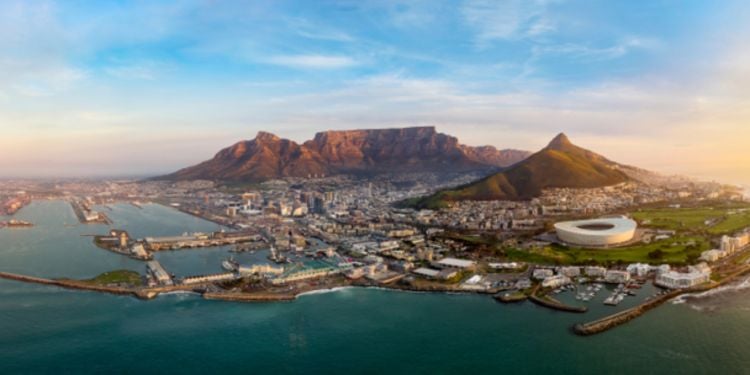
Working in Cape Town
The reality may seem discouraging, but before tackling all the necessary steps to be able to work ...

Cape Town's labor market
Cape Town attracts expatriates as well as South Africans from other provinces who want to live, ...

The work culture in Cape Town
You are ready to take the plunge and come to work in Cape Town, but you are wondering about your ...
Higher education & universities
Cape Town is a leading academic city in Africa, attracting students with its combination of world-class universities and diverse programs. The city welcomes international students, including those on exchange programs and pursuing English-taught degrees.
Universities and programs
Leading universities in Cape Town include the University of Cape Town (UCT), the University of the Western Cape (UWC), and the Cape Peninsula University of Technology (CPUT). These institutions offer bachelor’s, master’s, and doctoral degrees across fields such as business, engineering, health sciences, humanities, and natural sciences. Tuition is generally higher for international students than for South African residents, and fees vary between public and private institutions.
Research and innovation
Cape Town hosts notable research centers, including UCT’s Institutes of Molecular Medicine and Climate Systems Analysis. Innovation funds and technology transfer initiatives support applied research, fostering collaboration between universities and industry. Scientific centers such as iThemba LABS contribute to advanced research in nuclear physics and medical sciences among other fields.
Sources: University of Cape Town (UCT), University of the Western Cape (UWC), Cape Peninsula University of Technology (CPUT)
🔍To learn more


Retirement in Cape Town
Retiring in Cape Town appeals to many because of its stunning coastal and mountain scenery, temperate climate, and relaxed but active lifestyle. Foreign retirees can apply for a long-term retirement visa, provided they demonstrate a guaranteed income from pensions, investments, or other approved sources.
Healthcare and insurance
While there are public hospitals, retirees typically rely on private medical insurance to access high-quality care, English-speaking doctors, and shorter waiting times. Plans vary depending on coverage and hospital networks.
Living costs and community
Many retirees choose safe, scenic suburbs like Sea Point, Constantia, or Somerset West, where shops, restaurants, cafés, and leisure facilities are within easy reach. Retirees often connect with welcoming expat communities and participate in social gatherings, outdoor pursuits, and local cultural events, enjoying an active and fulfilling lifestyle.
Schooling for children
In Cape Town, expat families can choose between public (state‑funded), independent (private), and international schools. Public schools follow the South African national system, while many private and international schools offer globally recognized curricula, including British, American, and French programs. Children typically start formal schooling with Grade R around age 5–6 and may continue through Grade 12.
International schools
Cape Town has a variety of international and private schools offering British, American, French, and other curricula. Popular choices include the American International School of Cape Town and the Lycée Français du Cap (French School).
Enrollment process
Admissions for public and international schools in Cape Town usually begin months ahead of the school year. Key documents include a birth certificate, immunization records, previous school reports, and for non-South Africans, a valid study permit.
Sources: American International School of Cape Town, Lycée Français du Cap
Housing & neighborhoods
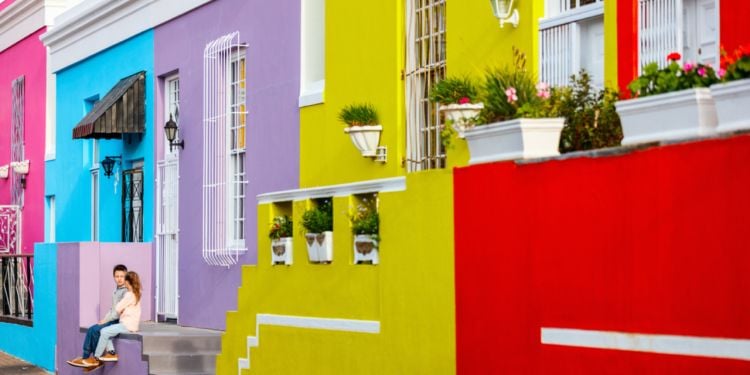
Cape Town’s housing market offers a mix of options, from stylish apartments in the city center to spacious homes in leafy suburbs and coastal properties along the Atlantic seaboard. It features a rich variety of architectural styles — from classic Cape Dutch and Victorian to Cape Vernacular, Art Deco, and sleek modern designs — all of which reflect the city’s layered heritage.
Where expats live
Many expats gravitate toward neighborhoods like Green Point, Sea Point, City Bowl (including Gardens, Oranjezicht, and Tamboerskloof), and Constantia. Green Point is a trendy urban area with waterfront access; Sea Point offers seaside promenades and gorgeous views; City Bowl is the heart of the city; and Constantia is quieter and more residential, perfect for families.
Rental prices and rental process
Rental terms can differ depending on location and property type. Leases usually last for a year, and tenants typically provide a deposit equivalent to one month’s rent. Many rentals are managed through agencies, who arrange viewings and handle contracts. Popular districts like the Atlantic Seaboard and central neighborhoods are particularly competitive, so finding a place can require persistence.
Rent 1-bedroom apartment in the city center | R10,500 - R20,000/month |
Rent 3-bedroom apartment in the city center | R20,000 - RR40,000/month |
Data correct as of November 2025.
Source: Numbeo
🔍To learn more
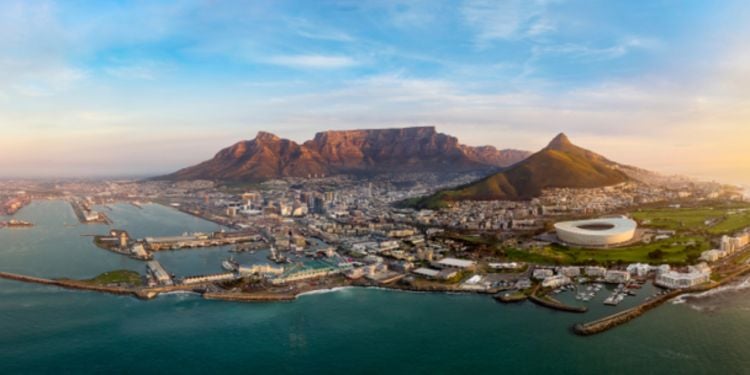
Accommodation in Cape Town
Cape Town lies between Table Mountain and the Atlantic Ocean. It is a cosmopolitan, active and ...

Buying property in Cape Town
Cape Town is one of the most popular cities for overseas property buyers and is one of the top 5 ...
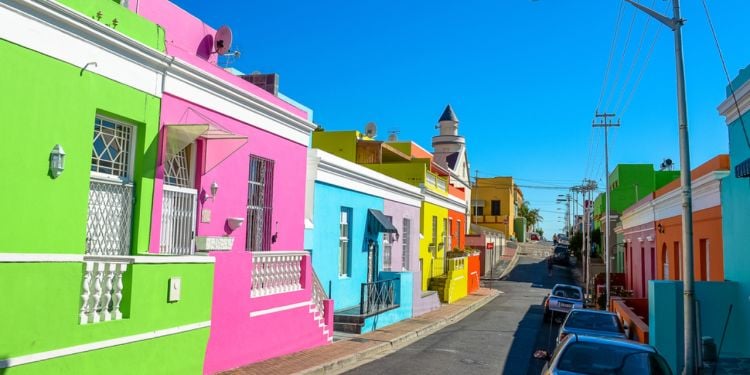
Popular neighbourhoods in Cape Town
The legislative capital of South Africa and the Western Cape, Cape Town is the country's ...
Leisure, culture & things to do
The city is full of variety, and anyone searching for things to do in Cape Town will find plenty to explore. Its mix of coastline, mountains, and historic areas gives residents and visitors year-round options for culture, leisure, and outdoor adventure.
Cultural highlights
Robben Island and the Castle of Good Hope offer clear insights into the city's past, while Zeitz MOCAA showcases its vibrant contemporary creative energy. The Cape Town Jazz Festival brings international talent to the city, showcasing music in world-class venues.
Outdoor life and leisure
Table Mountain is the main draw for hikers, with routes for different fitness levels. Muizenberg, a seaside suburb on the False Bay coast, is known for gentle waves that make it a good place to learn to surf. Wine tours in nearby regions make easy day trips. Golf, sailing, and cycling round out the list of activities for people who want to enjoy the mild climate and open spaces.
Sources: Robben Island, Zeitz MOCAA, Castle of Good Hope
🔍To learn more

Sports in Cape Town
Sport is a serious matter, and staying fit is one of the priorities of Cape Towners. The lifestyle ...

Gastronomy in Cape Town
The multicultural heritage of South Africa is reflected in its gastronomy. Cape Town, with its many ...

Things to do in Cape Town
Cosmopolitan, creative, festive and very friendly, Cape Town is a city where life is good and where ...
Daily life
Cape Town maintains a vibrant yet relaxed pace. Residents are frequently drawn to local cafés, markets, and public spaces, underscoring the city's lively social scene. Daily life is often experienced outdoors—in parks, along the bustling waterfront, or in neighborhood squares—seamlessly connecting the city's rhythm to its magnificent natural surroundings.
Living like a local
Residents embrace the outdoors by hiking Table Mountain, cycling along city routes, or spending time at beaches like Muizenberg and Clifton. Weekends can sometimes feature wine tastings in nearby valleys, casual meals with friends, or exploring local art and music scenes.
Everyday essentials
Getting around Cape Town is easy by bus, minibus taxi, or car. Cycling is popular, with more than 400 km of cycle ways within the city. Scenic road routes include the Atlantic Seaboard loop, Chapman’s Peak, and the Cape Peninsula.
🔍To learn more
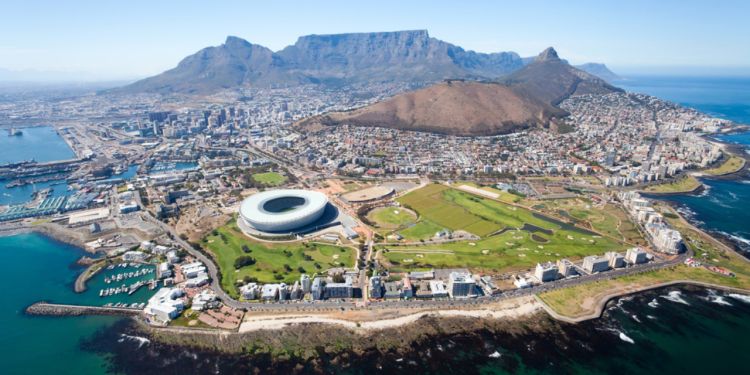
Discovering Cape Town
Knowing the history, societal habits and customs of a country or city before moving there is one of ...
The local culture in Cape Town
Cultural habits, interpersonal relations, security issues, etc. When you decide to travel or ...

The Pros and Cons of living in Cape Town
Curiously, opinions on life in Cape Town are often divided: there are those who express reluctance ...
Cost of living
The cost of living in Cape Town is generally considered moderate compared with many global cities, though certain areas and lifestyle choices can increase expenses. If you want to keep costs down, use public transport like the MyCiTi bus system and shop at local markets for fresh produce.
Monthly expenses for a single person
Rent (1-bedroom apartment in the city center) | R10,500 - R20,000 |
Groceries | R4,50 |
Utilities | R2,500 - R4,000 |
Data correct as of November 2025.
Monthly expenses for a family of four
Rent (3-bedroom apartment in the city center) | R20,000 - R40,000 |
Groceries | R9,000 - R12,000 |
Utilities | R3,000 - R5,000 |
Data correct as of November 2025.
Sources: Numbeo, Relocately, Wise
In short
Cape Town is surrounded by mountains and the sea, with lively neighborhoods and a rich cultural scene. The city suits a range of lifestyles, from a busy professional life to a more gentle retirement. Good schools, leisure options, and access to high-quality private healthcare make it easy to settle into a comfortable routine. For practical advice about living in this vibrant South African city, check out our guides and join the Expat.com Cape Town forum to ask questions and connect with fellow expats.
We do our best to provide accurate and up to date information. However, if you have noticed any inaccuracies in this content, please contact us.


News & testimonies
5 good reasons to move to Cape Town
You have opened Google maps, and you are scrolling the globe, up and down, left and right, looking for an answer to “what's next?” If you are ready to expatriate and you are keen on taking up a new challenge, we are giving you five excellent reasons to consider Cape Town — South Africa's Mother City.

South Africa extends long-stay visa exemptions
South Africa's Department of Home Affairs continues to experience delays in processing visa applications. In response, it has issued a new exemption, valid until 30 September 2025, as outlined in Immigration Directive No. 5 released earlier this year.

Cape Town, South Africa, through the eyes of an expat
After having spent many years living in London, Cambodia, and Singapore, Mei now calls Cape Town home. Coming from a mixed background herself, Mei has always had a deep interest in exploring other cultures, and loves to discover new places. She tells Expat.com about her life in the Mother City, her observations of South Africa, and the abundance of leisure activities at her doorstep.

Proposed tax amendment heralds change for South African expats
Questions and some concern have arisen following the South African government's proposed amendment to its taxation of residents who are working overseas. The proposed amendment suggests removing the exemption for those earning an income abroad and working in a foreign country for more than 183 days a year, in order to prevent expats potentially paying very limited or no tax.
Essential services for your expat journey