

Living in Nigeria: the ultimate expat guide
Everything you need to know for a successful life in Nigeria.
Nigeria stands as Africa's largest economy, home to 232.7 million people and generating 25% of the continent's GDP through its commercial capital, Lagos, which hosts over 24 million residents. This English-speaking nation offers compelling professional opportunities across oil and gas, technology, manufacturing, and agriculture sectors. The local currency is the Nigerian Naira (NGN), trading at approximately NGN 1,600 to USD 1 as of November 2025. While English serves as the official language, over 500 local languages coexist, including Hausa, Yoruba, and Igbo.
5 compelling reasons to relocate to Nigeria
- Africa's economic powerhouse: Lagos alone generates 25% of Africa's GDP, creating unmatched business opportunities across the continent
- Thriving growth sectors: Oil and gas, information technology, manufacturing, and agriculture are experiencing rapid expansion
- Competitive expat packages: Mid to senior management positions offer annual compensation of USD 6,195-18,587, typically including housing, private healthcare, and children's education
- Affordable cost of living: Approximately 60% lower than the United States, providing strong purchasing power despite lower absolute salaries
- Rich cultural landscape: Home to Nollywood (world's third-largest film industry), globally influential Afrobeats music, and vibrant festivals and cuisine
Key statistics to understand the country:
Total population | 232.7 million (2024) |
Capital city | Abuja (since 1991) |
Commercial hub | Lagos (24+ million inhabitants) |
Official language | English |
Currency | Nigerian Naira (NGN) - USD 1 ≈ NGN 1,600 |
Other major cities | Port Harcourt, Kano, Ibadan |
Sources: Trading Economics
Visas and Immigration: Understanding Nigeria's Digital System
Nigeria implemented a comprehensive immigration overhaul in 2025, mandating e-Visas from May 1st and eliminating visa-on-arrival options. The new digital system processes applications within 24-48 hours, with electronic landing and exit cards now mandatory. Important: Starting August 1, 2025, overstaying triggers penalties of USD 15 per day, while a 6-month overstay results in a 5-year entry ban.
Subject to Regularization (STR) Visa: Primary work authorization
The STR Visa serves as the main work permit for expatriates. It grants 90 days upon arrival, during which you must obtain your CERPAC (Combined Expatriate Residence Permit and Aliens Card), valid for 2 years and renewable. Your Nigerian employer must first secure an expatriate quota approval from the Comptroller General of Immigration before you can apply.
Required documentation includes a passport valid for at least 6 months, employment letter and acceptance, expatriate quota approval, CV with qualification certificates, and a police clearance certificate. The CERPAC costs USD 2,000. Since May 2025, the entire process operates through the Citizenship & Business (C&B) platform, followed by e-CERPAC issuance.
Temporary Work Permit: Short-term assignments
Two temporary permit categories exist. The R10 allows 30 days with single entry, suitable for installations, maintenance, or training assignments. The R11 provides 6 months with multiple entries but is non-renewable. Both require pre-approval from the Comptroller General, with costs prorated against the CERPAC fee.
Investor and skilled professional visas
Nigeria offers investor visas classified as N3A through N3E based on business size (small, medium, large, very large) and sector. The N3E specifically targets oil, gas, and energy sectors. These multi-year, renewable visas facilitate business establishment and operations.
For highly qualified professionals in technology, healthcare, engineering, or university education, the Highly Skilled Immigrant Visa (N4A) provides renewable residence permission with streamlined processing.
Dependent visas
The Dependent Visa enables spouses and children of work or residence visa holders to relocate to Nigeria. Critical note: This visa does not authorize employment unless a separate work visa is obtained. Its validity links directly to the primary visa holder's status.
e-Visa for tourism and short stays
Since May 2025, 13 e-Visa categories accommodate tourist or short business visits. Maximum validity is 90 days for 30-day stays. Important: These visas cannot be extended once in-country.
Application procedure
The process begins with your employer requesting an expatriate quota and immigration pre-approval. You then apply online through the Nigeria Immigration Service (NIS) portal, submitting all required documents. After online fee payment, e-Visa approval arrives within 24-48 hours. Upon Nigeria arrival, present your e-Visa and complete the electronic landing card. For STR Visas, apply for your CERPAC within 90 days of entry.
2025 immigration updates
The new Expatriate Administration System (EAS) provides digital monitoring of all expatriates. Repatriation insurance is now mandatory, costing USD 500-1,000 annually depending on stay duration. A grace period extended until August 1, 2025, allows irregular residents to regularize without penalties. US citizens should note FATCA reporting requirements continue to apply regardless of visa status, while Commonwealth citizens may find certain documentation requirements streamlined through bilateral agreements.
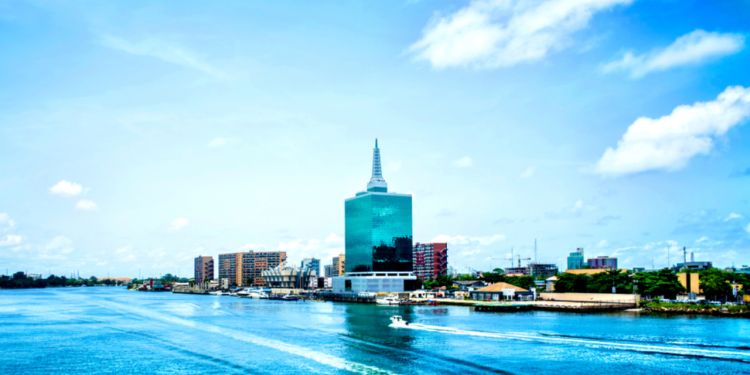
Visas for Nigeria
Unless you are a passport-holder of one of the Economic Community of West African States (ECOWAS) ...
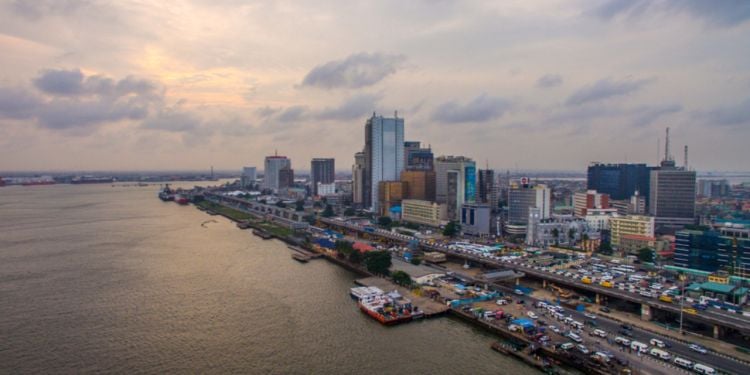
Residence permits for Nigeria
Nigeria allows foreign nationals to stay and work on its territory under certain conditions and ...

How to drive in Nigeria
Given the unreliable nature of public transportation in Nigeria, having a car in Nigeria is deemed essential by a number of expats. Here is what you ...
Employment and Business: Navigating Nigeria's Job Market
Nigeria's labor market has evolved significantly since 2024. Following the International Labour Organization's new methodology adopted that year, the official unemployment rate stands at 4.3% for Q2 2024, down from a 5.3% peak in early 2024. This figure masks complexity: urban unemployment reaches 5.2% versus 2.8% in rural areas, while young secondary school graduates (ages 15-34) face an 8.5% unemployment rate. Overall employment sits at 76.1% with 79.5% labor force participation.
Informal sector dominance
Nigeria's economy features a massive informal sector accounting for 93% of the workforce. Formal employment covers just 14.4% of workers, with the remaining 85.6% self-employed. This reality significantly impacts wages and working conditions across the country.
Salary ranges
The legal minimum wage increased to NGN 70,000 monthly (approximately USD 45) in July 2024, a 134% jump from the NGN 30,000 rate held since 2019. However, implementation remains limited: many employers, especially in the informal sector, continue paying NGN 30,000 or less.
Average and median salary stands at NGN 339,000 monthly (approximately USD 220), with ranges spanning NGN 80,000 for entry-level positions to NGN 11.5 million for senior executives. While these amounts appear modest, Nigeria's cost of living running 60% below US levels provides reasonable purchasing power.
The table below shows average salaries across key professions:
Sector / Position | Average monthly salary (NGN) | USD equivalent (approx.) |
IT / Junior Developer | 400,000 | USD 260 |
National average | 339,000 | USD 220 |
Legal minimum | 70,000 | USD 45 |
Mid to senior management (expat packages Lagos) | 833,000 - 2,500,000 | USD 540 - 1,620 |
Sources: Remote People, Lagos Free Zone
Expatriate packages for mid to senior management roles in Lagos offer annual compensation of NGN 10-30 million (USD 6,195-18,587). These typically bundle housing, comprehensive private health insurance, and children's international school tuition, creating attractive overall value propositions.
High-demand sectors
Oil and gas remains Nigeria's economic cornerstone, contributing 14% of GDP and 83% of government revenue. As a top-10 global producer, the sector offers extensive opportunities for engineers and specialized technicians.
Agriculture accounts for 18% of GDP and presents substantial potential, particularly in modernization projects and outsourcing services.
The information technology sector is experiencing strong growth. Lagos has emerged as a major African tech hub, with junior developers earning around NGN 400,000 monthly.
Manufacturing represents 25% of Lagos' GDP and actively recruits management and production optimization experts.
Starting a business
Entrepreneurship requires registration with several bodies: the Federal Inland Revenue Service (FIRS) for taxation, National Pension Commission (PENCOM) for pensions, and Industrial Training Fund (ITF) for professional training. Costs and timelines vary by sector and legal structure. Engaging a local accounting firm to navigate administrative procedures is strongly advisable.

Finding work in Nigeria
Although Nigeria is still a developing country, its economy enjoys good momentum, and it is possible for expats to find a job there.. The oil boom ...
Studying in Nigeria
Universities, training courses, student visas, registration procedures: all you need to know about being an international student in Nigeria.

Study in Nigeria
Nigeria might not be the country that first pops into mind at the mention of studying abroad, but it has a lot to offer to potential international ...
Taxation in Nigeria: Major 2025 Reform Explained
Nigeria enacted its most significant tax reform since 1999 in June 2025. The Nigeria Tax Act 2025, signed by President Tinubu on June 26, takes effect January 1, 2026. This reform comprises four new laws: the Nigeria Tax Act (NTA), Nigeria Tax Administration Act (NTAA), Nigeria Revenue Service Act (NRSA), and Joint Revenue Board Act (JRBA). The overhaul aims to simplify and modernize a complex, opaque tax system.
Personal Income Tax: New progressive structure
Starting 2026, personal income taxation will feature 6 progressive brackets with rates from 0% to 25%. Annual income up to NGN 800,000 (approximately USD 520) becomes fully exempt, benefiting lower earners. Higher brackets are taxed at 15%, 18%, 21%, 23%, and 25% depending on income level, with the maximum marginal rate applying to annual income exceeding NGN 50 million (approximately USD 32,500).
The current regime with 7 brackets and a 24% maximum rate remains applicable through December 31, 2025. Nigerian tax residents are taxed on worldwide income, while non-residents face taxation only on Nigerian-source income.
Value Added Tax (VAT)
The standard VAT rate is 7.5%, effective since February 2020 following an increase from 5%. A reduced 5% rate applies to feminine hygiene products, while 0% covers exports, certain staple foods, essential medicines, books, and educational materials. Financial services, medical services, public transportation, and residential real estate are exempt. Discussions continue regarding a potential VAT increase by 2026 or 2027, though nothing is confirmed.
Social charges and mandatory contributions
Nigeria mandates several employer and employee contributions. The Industrial Training Fund (ITF) requires 1% of annual payroll from employers. The National Housing Fund (NHF) deducts 2.5% of gross monthly salary from employees. Pension contributions total 18% of monthly salary (10% employer, 8% employee). The National Health Insurance Scheme (NHIS) represents 5% of base salary (3.25% employer, 1.75% employee).
Additional taxes
Corporate tax ranges from 20% to 30% depending on turnover. Capital Gains Tax applies at 10% on asset disposal gains. Withholding Tax varies from 5% to 10% based on payment nature (dividends, interest, royalties, services). Import duties apply at variable rates. US citizens should note that FATCA reporting obligations continue regardless of Nigerian residence status, requiring annual disclosure of foreign financial accounts exceeding USD 10,000. Tax declaration and payment are processed through the Federal Inland Revenue Service (FIRS). Engaging a local accountant or tax specialist is highly recommended to ensure compliance.


Healthcare in Nigeria: Insurance and Medical Facilities
Nigeria's healthcare system shows significant disparities between public and private sectors. Public infrastructure suffers from chronic underfunding, medication shortages, qualified staff deficits, and often obsolete equipment. For expatriates, international private health insurance is essential for accessing quality care at private clinics and hospitals in major cities.
Public system limitations
The National Health Insurance Scheme (NHIS) constitutes Nigeria's public insurance system, funded by employer (3.25% of base salary) and employee (1.75%) contributions. It provides basic coverage through Health Maintenance Organizations (HMOs) but remains largely insufficient, particularly for expatriates accustomed to higher care standards. Wait times are extensive, and many treatments remain uncovered.
Private insurance: Essential for quality care
Securing international private health insurance is strongly recommended. Annual premiums for comprehensive coverage range from USD 2,500 to 6,250 per adult, with options including medical evacuation to Europe or South Africa for serious emergencies. These policies provide access to top private hospitals in Lagos, Abuja, or Port Harcourt.
Local HMO plans exist at more affordable rates. Avon Basic starts at NGN 40,800 annually (approximately USD 26), Hygeia Platinum at NGN 150,000 (USD 97), and Reddington Bronze at NGN 173,000 (USD 112). These plans cover basic consultations but have limited coverage caps and may not access top-tier facilities.
Recommended medical facilities
In Lagos, several private hospitals deliver quality care: Eko Hospital, Reddington Hospital, Lagoon Hospitals, and Nizamiye Hospital. In Abuja, Abuja Clinics and Cedarcrest Hospitals are preferred by the expat community. In Port Harcourt, St. Luke's Hospital maintains a solid reputation.
Health precautions and vaccinations
Before departure, ensure current vaccinations: Yellow fever (mandatory), hepatitis A and B, typhoid, meningitis, tetanus, polio, and diphtheria are recommended. Preventive antimalarial medication is advisable, as malaria is endemic nationwide. Also pack powerful mosquito repellents and sleep under treated mosquito nets.
Tap water is not potable: drink only sealed bottled water. Avoid ice cubes, raw vegetables washed in tap water, and street food. Hygiene standards vary widely, so exercise caution. If on regular medication, bring sufficient supply as availability locally can be problematic.

The healthcare system in Nigeria
Nigeria is exposed to a number of serious epidemics, and the national network of healthcare facilities exhibits uneven quality standards, hence the ...
Education Options: Local and International Schools
Nigeria's education system includes free but highly variable public schooling, alongside private and international schools favored by expatriates. Language barriers are minimal as English serves as the official teaching language, though curricula, infrastructure, and fees vary considerably across institutions.
Local education system
Nigerian schooling follows the British model with three cycles: Primary School (6 years, ages 6-11), Junior Secondary School (3 years, ages 12-14), and Senior Secondary School (3 years, ages 15-17). Students take national examinations at each cycle's end, including the West African Senior School Certificate Examination (WASSCE) upon secondary completion, equivalent to A-levels.
Public schools are theoretically free but suffer from overcrowded classes, material shortages, and often underqualified teachers. Most expat families opt for private or international institutions.
International schools in Lagos
Lagos concentrates most international schools. The American International School of Lagos (AISL), following US curriculum, charges NGN 19-26 million annually (USD 12,500-17,100). British International School Lagos (BISL), with British curriculum, costs NGN 20-34 million (USD 13,150-22,350). Greensprings School, offering international curriculum, charges NGN 8-11 million (USD 5,250-7,220). Grange School, also British curriculum, runs NGN 9-13.5 million (USD 5,910-8,870).
These institutions provide modern infrastructure, small class sizes, diverse extracurricular activities, and internationally recognized education. Waiting lists can be lengthy, so apply several months in advance.
International schools in Abuja
In Abuja, the American International School of Abuja (AISA) follows US curriculum with annual fees of NGN 24-27 million (USD 15,770-17,730). It enrolls approximately 700 students from preschool through high school with excellent academic standing. Applications are processed online with limited places available.
Other options in Abuja include British International School Abuja and International School Abuja, with similar pricing.
Premium Nigerian private schools
If international school fees exceed budget, high-end Nigerian private schools offer quality education at more accessible prices. In Lagos, institutions like Lekki British School or Corona Schools charge NGN 2-5 million annually (USD 1,310-3,280). In Abuja, schools like Capital Science Academy or Whiteplains British School provide viable alternatives.
Before enrollment, visit facilities, meet teaching staff, and verify international accreditations (IB, Cambridge, American Board). Ensure quoted fees include all costs (transport, meals, uniforms, supplies, activities), as extras can quickly escalate expenses.
Finding Housing: Rental Market and Neighborhoods
Securing accommodation in Nigeria, particularly Lagos and Abuja, presents significant challenges for newcomers. The rental market operates under specific rules, with annual rent paid upfront and neighborhoods designated for expatriates for security reasons. Demand in secure areas far exceeds supply, driving up prices in sought-after districts.
Available housing types
Expatriates typically opt for apartments in secured compounds or serviced villas. These gated communities typically include 24/7 security with armed guards, backup generators (essential given frequent power cuts), water tanks, and sometimes communal amenities like pools, gyms, or playgrounds.
Apartments range from studios to 4-bedroom units, while villas may feature 3-6 bedrooms. Furnished properties are rare and more expensive; most come unfurnished or semi-furnished. Standards vary from adequate to luxury, with air conditioning, equipped kitchens, and variable finishes.
Rental costs
In Lagos, expat neighborhoods like Victoria Island, Ikoyi, or Lekki Phase 1 command NGN 32-57 million annually (USD 21,050-37,430) for 3-bedroom villas. Two-bedroom compound apartments run NGN 15-30 million yearly (USD 9,850-19,700). In Abuja, rates are slightly lower: NGN 20-40 million annually (USD 13,150-26,300) for villas, and NGN 10-25 million (USD 6,570-16,430) for 2-bedroom apartments in secure areas like Maitama, Asokoro, or Wuse 2.
Landlords systematically demand 1-2 years' rent in advance, requiring substantial upfront capital upon relocation. Negotiation is possible, especially for long-term leases or vacant properties.
Required documentation
To rent, provide: passport and work visa, employer's letter confirming employment contract, professional references, and sometimes a bank guarantee. A Tenancy Agreement will be drafted; have it reviewed by a lawyer before signing. Security deposits typically equal 6 months' rent and are returned at lease end if no damage occurs.
Engage a reputable real estate agency specializing in expat clients. They can guide you to suitable neighborhoods, verify property condition and legal title. Agency fees run approximately 10% of annual rent. Prioritize agencies recommended by your embassy or other expatriates.
Utilities and services
Electricity and water bills are rarely included in rent and can be substantial, particularly due to heavy air conditioning and generator use. Budget NGN 100,000-300,000 monthly (USD 65-197) depending on property size and consumption. Some compounds include maintenance, security, and grounds keeping in service charges.
Internet and satellite TV require separate subscriptions. Major ISPs offer monthly packages of NGN 50,000-100,000 (USD 33-66) for decent speeds. Cooking gas comes in cylinders with home delivery.
Priority neighborhoods
In Lagos, recommended expat areas are Victoria Island (modern business district, well-connected), Ikoyi (upscale residential, quiet, green), and Lekki Phase 1 (family-friendly, numerous international schools). Avoid remote or unsecured neighborhoods despite tempting rents.
In Abuja, prioritize Maitama (diplomatic quarter, highly secure), Asokoro (premium residential), Wuse 2 (near offices), or Gwarinpa (more affordable, family-suitable). These zones concentrate services, international schools, and expat-oriented shops.
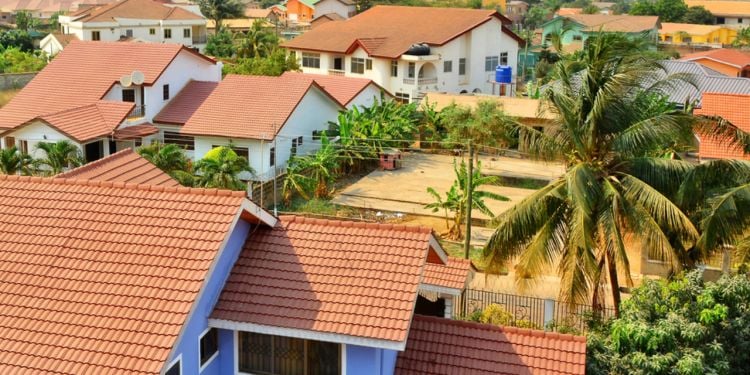
Accommodation in Nigeria
Nigeria suffers from a stark housing deficit, and only few of the units available meet Western expat standards. Accordingly, the cost of quality ...
Relocation Planning: Your Move to Nigeria Checklist
An international move to Nigeria demands meticulous preparation, particularly given complex logistics and customs infrastructure. Anticipating formalities, selecting the right transporter, and managing arrival smoothly will minimize hassles. Here's a detailed checklist for organizing your relocation seamlessly.
- Sort and inventory possessions (3-4 months before): Create a precise inventory of items to ship. Nigeria imposes customs duties on many goods; verify what's exempt for expat relocations. Sell or donate unnecessary items.
- Compare and select international mover (3 months before): Request at least three quotes from companies specializing in Africa relocations. Verify Nigeria experience and client reviews. Choose sea freight (6-8 weeks) or air freight (1-2 weeks) based on budget and urgency. Sea shipping costs approximately USD 3,000-8,000 for a 20-foot container; air is 3-4 times more expensive.
- Purchase relocation insurance (3 months before): Insure belongings against breakage, loss, or theft during transport and storage. Standard policies typically cover 60% of declared value; opt for all-risk coverage for valuable items.
- Gather customs documentation (2 months before): Prepare passport, work visa, employment contract, detailed inventory (in English), purchase receipts for valuable items, and residence change certificate. Your mover will provide the complete list of Nigerian customs requirements.
- Arrange shipment (1-2 months before): Pack securely or have the mover handle it. Number boxes and list contents precisely. Separate accompanying baggage (suitcases for initial weeks) from main shipment.
- Arrange temporary accommodation (1 month before): Book hotel or serviced apartment for initial weeks while finding permanent housing and receiving belongings. Many expatriates use apart-hotels in Lagos or Abuja for the first month.
- Notify home country authorities (1 month before): Inform health insurance, employment office if applicable, bank, tax authorities, and insurers. US citizens should update address with IRS and State Department; UK citizens with HMRC and relevant agencies.
- Open Nigerian bank account (upon arrival): Your employer can facilitate this. Prioritize major banks like Zenith Bank, GTBank, or Access Bank, experienced with expat clients. Bring passport, visa, employment letter, and proof of address.
- Secure international health insurance (before departure): Given limited public healthcare, private insurance is essential. Compare offerings and subscribe before departure for immediate coverage upon arrival.
- Purchase local phone or SIM card (upon arrival): Major operators are MTN, Airtel, Glo, and 9mobile. Prepaid SIM cards cost a few hundred naira and facilitate local communications. 4G coverage is good in major cities.
- Clear personal effects through customs (container arrival): Your local freight forwarder handles customs formalities for service fees. Prepare for variable delays (several days to weeks) and potential informal fees to expedite processing. Maintain regular contact with your agent.
- Join expat community (initial weeks): Connect with Facebook groups, expat associations, or clubs (Lagos expat meetups, networking events). These networks provide practical advice, recommendations, and useful contacts.
Relocating to Nigeria requires patience and flexibility. Customs procedures can be lengthy and opaque, and infrastructure doesn't always deliver. Keep copies of important documents, remain courteous with authorities, and don't let setbacks discourage you. Your employer and expat community will be your strongest allies for a successful transition.

Moving your belongings and pets to Nigeria
Nigeria enforces stringent shipping and import regulations that will require some planning and preparation from you in order to ensure a smooth ...
Lifestyle and Culture: Experiencing Daily Life in Nigeria
Nigeria offers an exceptionally rich cultural scene and leisure opportunities. Blending ancestral traditions with urban modernity, the country pulses with Afrobeats rhythms, Nollywood productions, and colorful festivals. For expatriates, social life centers in major cities where clubs, international restaurants, and diverse activities enable integration and full enjoyment of this unique African experience.
Culture and heritage
Nigeria's cultural scene radiates far beyond its borders. Nollywood, the local film industry, ranks third globally by production volume, distributing thousands of films annually across Africa. Modern cinemas in Lagos and Abuja screen international blockbusters alongside local productions.
Museums and galleries merit visits: National Museum Lagos presents archaeological and ethnographic collections, Nike Art Gallery showcases contemporary Nigerian art, and Thought Pyramid Art Centre in Abuja hosts regular exhibitions. Craft enthusiasts will find treasures at art markets like Lekki Arts and Crafts Market.
Festivals punctuate the year: Calabar Carnival in December (considered Africa's largest), Lagos International Jazz Festival, Felabration in October (honoring Fela Kuti), and numerous tribal and religious celebrations. These events offer authentic immersion into Nigerian cultural diversity.
Cuisine
Nigerian cuisine is rich and varied. Try Jollof Rice (spiced tomato rice), Suya (spiced grilled meat skewers), Egusi Soup (melon seed soup), Pounded Yam with sauce, and Pepper Soup (very spicy soup). Local restaurants serve these specialties affordably, while upscale Lagos and Abuja establishments offer African-international fusion cuisine.
For international fare, Lagos features Chinese, Lebanese, Italian, French, and Indian restaurants. Expat neighborhoods like Victoria Island and Ikoyi concentrate top venues. Major fast-food chains are also present.
Nightlife and entertainment
Lagos is renowned for its energetic nightlife. Victoria Island and Lekki clubs and bars host Afrobeats, hip-hop, and international music nights. Venues like Quilox, The Place, and Hard Rock Cafe Lagos attract cosmopolitan crowds. Abuja offers entertainment options too, though with a quieter atmosphere.
Expatriates often gather at private clubs like Ikoyi Club 1938 or Metropolitan Club Lagos, offering pools, sports facilities, restaurants, and social events. Annual membership costs several thousand dollars but provides extensive social networking.
Sports and outdoor activities
Football is the national sport, and attending a match in a packed stadium creates memorable experiences. Golf is played at several clubs (Ikoyi Club, IBB International Golf and Country Club in Abuja). Lekki, Badagry, and Eleko beaches provide weekend relaxation, though cleanliness varies.
Hiking enthusiasts can explore Jos Plateau, Olumo Caves in Abeokuta, or Gurara Falls near Abuja. Safaris are possible at Yankari National Park (elephant and wildlife observation) or Cross River National Park.
Telecommunications and connectivity
Mobile 4G coverage is good in urban areas of Lagos, Abuja, and Port Harcourt. Major operators are MTN, Airtel, Glo, and 9mobile. Monthly data plans cost approximately NGN 18,000 (USD 12), and residential internet subscriptions around NGN 56,000 (USD 37) for decent speeds. Speed varies by neighborhood, and outages remain frequent.
Security and precautions
Security is a major concern in Nigeria. Live in secured neighborhoods with guards, equipped with 24/7 armed security. Avoid traveling alone at night, don't display wealth, and remain vigilant at all times. Some Northern regions are unstable due to Boko Haram terrorist group: consult your embassy's recommendations and absolutely avoid these zones.
Petty theft and scams are common. Never leave belongings unattended, and exercise caution during cash withdrawals. If problems arise, immediately contact your embassy or employer. Despite these constraints, most expatriates adapt and fully enjoy their Nigerian experience by applying common-sense precautions.

Leisure activities in Nigeria
The numerous attractions, places of interest and cultural opportunities that Nigeria has to offer are apt to fulfil anyone's tastes. In addition to ...
Everyday life in Nigeria
Want to know what life in Nigeria is really like? Here's a taste: explore the country, find tips to use transportation, to set up internet and phone services, and everything you need to live like a local.

Travelling around Nigeria
Getting around Nigeria can prove to be quite a challenge. Although transport infrastructure exists and is relatively well-developed, their overall ...

Phones and internet in Nigeria
Phone and internet access in Nigeria typically goes through mobile networks, which offer relatively fast and reliable connection. Obtaining a ...

Childcare and early education in Nigeria
The family being a central institution and the cornerstone of the society in Nigeria, you should find the country quite welcoming if you move to ...
Cost of Living: Monthly Budget Breakdown
Nigeria's cost of living shows significant variation between urban and rural areas but remains approximately 60% lower than the United States overall. Lagos and Abuja, the two primary expat destinations, feature the country's highest prices due to strong demand for secure housing and quality services. Local food is inexpensive, but imported products and expat-oriented services can quickly escalate costs. Here's a detailed expense overview to help establish your budget.
Single person monthly budget
A single person can live comfortably in Lagos or Abuja on a monthly budget of USD 1,300-2,000 depending on lifestyle. This includes rent for a studio or one-bedroom apartment in a secure compound, groceries, transportation, occasional entertainment, and standard bills. Choosing upscale housing or frequent leisure activities requires USD 2,300-2,950 monthly instead.
Expense category | Monthly range (USD) |
Studio/1-bedroom rent (secure compound) | 820 - 1,640 |
Utilities (electricity, water, generator) | 65 - 195 |
Groceries (local/imported mix) | 195 - 325 |
Dining out (1-2 times/week) | 100 - 160 |
Transportation (fuel + occasional Uber) | 130 - 195 |
Internet and mobile | 45 - 70 |
Leisure and entertainment | 100 - 195 |
TOTAL | 1,455 - 2,780 |
Source: Numbeo (September 2025 data)
Family of four monthly budget
A family of four (2 adults + 2 children) requires a larger budget, primarily due to international school tuition and larger housing. Budget USD 4,100-6,600 monthly for comfortable living, or USD 8,200-11,500 for premium standards and frequent leisure. Expat packages often include housing and education, significantly reducing expenses.
Expense category | Monthly range (USD) |
3-4 bedroom villa rent (secure compound) | 1,755 - 3,120 |
Utilities (electricity, water, generator) | 160 - 390 |
Groceries (family of 4) | 520 - 815 |
Dining out and family outings | 325 - 520 |
School tuition 2 children (international) | 1,640 - 2,950 |
Transportation (vehicle + fuel) | 325 - 520 |
Internet, mobile, satellite TV | 100 - 130 |
Private health insurance (family) | 325 - 655 |
Leisure and children's activities | 195 - 325 |
TOTAL | 5,345 - 9,425 |
Source: Numbeo (September 2025 data)
Key expense considerations
School tuition constitutes by far the heaviest expense for families, with annual costs of USD 11,500-23,000 per child at Lagos and Abuja international schools. Fortunately, employers often cover these fees within expat packages.
Housing also represents a significant budget portion. Rents are payable 1-2 years in advance, requiring substantial upfront capital upon relocation. Secure compounds are essential but costly. Don't hesitate to negotiate, especially for long-term leases.
Electricity charges can surprise. Given frequent power cuts, generator use (diesel or petrol) increases bills. Budget NGN 100,000-300,000 monthly (USD 65-195) depending on property size and air conditioning intensity.
International private health insurance is essential, costing USD 2,300-6,900 annually per adult. Family plans offer better value. Verify coverage details, particularly medical evacuation to Europe or South Africa for serious emergencies.
In Brief
Nigeria presents itself as a stimulating expat destination for professionals seeking opportunities in Africa's leading economy. Between economic dynamism, attractive expat packages, and cultural richness, the country offers a unique experience despite real infrastructure and security challenges. Lagos captivates with its energy and professional possibilities, Abuja with its relative calm and quality of life, while Port Harcourt suits oil sector specialists. The 2025 immigration and tax reforms aim to facilitate expat settlement and modernize administrative systems. With solid preparation, a comprehensive expat package, and adaptability, your Nigerian experience can prove rewarding both professionally and personally.
Join the expat community on the Nigeria forum at Expat.com to exchange advice, tips, and experiences with those already living there. Welcome to Nigeria!
We do our best to provide accurate and up to date information. However, if you have noticed any inaccuracies in this content, please contact us.


Essential services for your expat journey



