

Living in Christchurch: the ultimate expat guide
Everything you need to know for a successful life in Christchurch.
Christchurch, known by its Māori name Ōtautahi, is New Zealand's second-largest city and the vibrant heart of the South Island. With a population of approximately 412,000, this dynamic city has undergone a remarkable transformation since the 2010-2011 earthquakes, emerging as one of the world's most innovative urban environments. The city seamlessly blends English heritage architecture with cutting-edge modern design, all set against the stunning backdrop of the Southern Alps and the Pacific Ocean.
Christchurch offers an exceptional quality of life with its extensive green spaces, including Hagley Park—one of the largest urban parks in the world—and the renowned Botanic Gardens. The city serves as the gateway to some of New Zealand's most spectacular natural attractions, from the ski fields of Canterbury to the wildlife-rich Banks Peninsula.
5 Good Reasons to Move to Christchurch
- Affordable living compared to Auckland and Wellington, with lower housing costs and a relaxed pace of life.
- Innovative economy with growing opportunities in tech, aerospace, health technology, and agritech sectors.
- Outdoor lifestyle with easy access to beaches, mountains, ski fields, and hiking trails within minutes of the city.
- World-class education including the University of Canterbury, ranked in the top 1% globally.
- Safe and welcoming community with a strong sense of resilience and an increasingly diverse international population.
Working in Christchurch: Career Opportunities in a Rebuilding City
Christchurch's economy has evolved significantly since the earthquakes, creating diverse employment opportunities across multiple sectors. The city is positioning itself as a hub for innovation, particularly in aerospace and future transport, health technology, and agritech. International workers will find a welcoming job market, though securing skilled employment typically requires a work visa through an accredited employer.
Key Employment Sectors
The largest employment sectors in Christchurch include Health Care and Social Assistance (employing approximately 31,900 workers), Retail Trade (23,300 workers), and Manufacturing (22,100 workers). The Professional, Scientific, and Technical Services sector employs about 21,800 residents, reflecting the city's growing investment in innovation. Christchurch is often called the "Silicon Plains" due to its thriving technology sector, with major companies like Tait Communications and software firms establishing headquarters here.
Work Visas and Requirements
To work in New Zealand, most international workers need an Accredited Employer Work Visa (AEWV) sponsored by an INZ-accredited employer. The Skilled Migrant Category Resident Visa offers a pathway to permanent residency, requiring a minimum of 6 points based on qualifications, occupational registration, or income. Workers in ANZSCO Level 1-3 occupations must earn at least NZD 33.56/hour (the 2024 median wage), while Level 4-5 occupations require NZD 50.34/hour (1.5 times the median wage).
The table below provides key employment indicators for Christchurch and New Zealand.
National Unemployment Rate (2025) | 5.1% - 5.3% |
Average Hourly Earnings (NZ) | NZD 42.57 |
Average Annual Income (Christchurch) | NZD 70,000 |
Median Wage Threshold (Skilled Visa) | NZD 33.56/hour |
Sources: Stats NZ, Immigration New Zealand
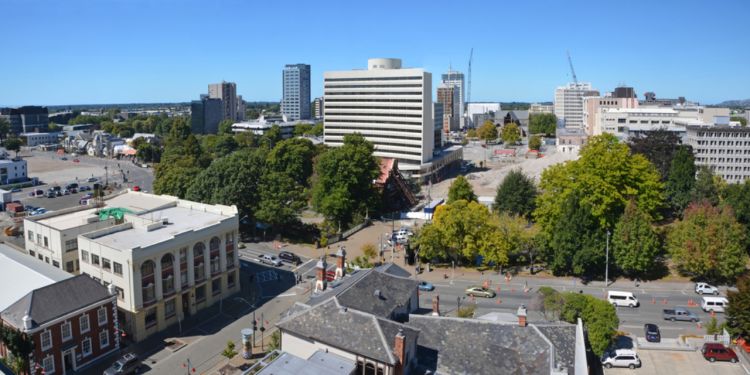
Working in Christchurch
Christchurch, or Chch, as the locals like to say, is one of the major South Island cities in New Zealand. It is the capital of the Canterbury ...
Higher Education and Universities in Christchurch
Christchurch is home to world-class higher education institutions that attract students from over 100 countries. The city offers excellent opportunities for international students seeking quality education in a safe, English-speaking environment with a lower cost of living compared to other major study destinations.
University of Canterbury (UC)
Founded in 1873, the University of Canterbury is New Zealand's second-oldest university and is ranked in the top 1% of universities worldwide. The university has five colleges covering Arts, Engineering, Science, Business and Law, and Education. UC is particularly renowned for its Civil and Structural Engineering program, ranked in the world's top 100. The campus spans 76 hectares and is located close to the picturesque Avon River.
International undergraduate tuition fees range from approximately NZD 28,000 to NZD 44,000 per year, depending on the program. Engineering programs typically cost around NZD 49,900 per 120 points, while Arts and Commerce programs range from NZD 37,000 to NZD 41,000. Scholarships worth up to NZD 20,000 are available for high-achieving international students.
Other Educational Institutions
Ara Institute of Canterbury (formerly Christchurch Polytechnic) is the largest polytechnic in the South Island, offering vocational and applied education programs. The UC International College (UCIC) provides pathway programs for international students who need additional preparation before entering university studies.
Admission typically requires proof of English proficiency through IELTS (minimum 6.0 overall), TOEFL, or PTE. The academic year runs from February to November, with intakes in both February (Semester 1) and July (Semester 2).
Sources: University of Canterbury, Ara Institute of Canterbury

Studying in Christchurch
If you are looking to study in a unique location, close to natural beauty and boasting world-class universities, then Christchurch, New Zealand, is ...
Schools and Education for Expat Children in Christchurch
Christchurch offers excellent educational options for expatriate families, from state schools to private institutions and international programs. The New Zealand education system is highly regarded globally, and children of residents and work visa holders are generally entitled to free education at state schools.
State and Integrated Schools
New Zealand's state schools provide free education for children aged 5 to 19. The school year runs from late January to mid-December, divided into four terms. Popular state schools in Christchurch include Christchurch Boys' High School, Christchurch Girls' High School, and Burnside High School. Enrollment is typically based on school zones, so families should consider school boundaries when choosing where to live.
Private and International Schools
St Margaret's College is Christchurch's only school offering the International Baccalaureate (IB) Diploma Programme. This Anglican girls' school provides education from Year 1 to Year 13, with domestic tuition fees ranging from NZD 12,000 to NZD 20,800 per year and international student fees from NZD 25,400 to NZD 37,100 per year.
Christ's College is a prestigious boys' school with boarding facilities, while Rangi Ruru Girls' School offers high-quality education for girls. International student fees at private schools typically range from NZD 13,000 to NZD 25,000 per year for tuition alone, with additional costs for boarding, uniforms, and activities.
Early Childhood Education
Preschool and kindergarten options are widely available, with monthly fees averaging NZD 1,000 to NZD 2,300 for full-day private care. Government subsidies of up to 20 hours per week are available for children aged 3-5 at participating early childhood centers.
Housing and Neighborhoods: Where to Live in Christchurch
Christchurch offers diverse housing options across its many suburbs, from character homes in established neighborhoods to modern developments in growing areas. The rental market has tightened in recent years, but prices remain more affordable than Auckland or Wellington. The median weekly rent citywide is approximately NZD 550-580.
Popular Neighborhoods for Expats
Merivale is one of Christchurch's most desirable suburbs, located north of the city center. Known for its boutique shopping, excellent cafes, and tree-lined streets, it offers easy access to quality schools like Rangi Ruru and St Margaret's. Average weekly rent is NZD 645-754.
Fendalton is an affluent, family-friendly area near Hagley Park, featuring spacious homes and proximity to the University of Canterbury. Riccarton offers a more affordable, cosmopolitan lifestyle with excellent transport links and the popular Westfield Riccarton mall. Sumner is perfect for beach lovers, offering a laid-back coastal lifestyle with cafes, surf culture, and stunning views.
St Albans provides a vibrant mix of character homes and modern townhouses, close to the CBD with good schools nearby. For families seeking newer housing at lower prices, Halswell and Rolleston (in nearby Selwyn District) offer modern developments with strong community facilities.
Rental Costs
The table below shows typical monthly rental costs in Christchurch based on recent market data.
1-Bedroom Apartment (City Center) | NZD 2,450/month |
1-Bedroom Apartment (Outside Center) | NZD 1,684/month |
3-Bedroom Apartment (City Center) | NZD 3,075/month |
3-Bedroom Apartment (Outside Center) | NZD 2,633/month |
Sources: Numbeo, Tenancy Services NZ
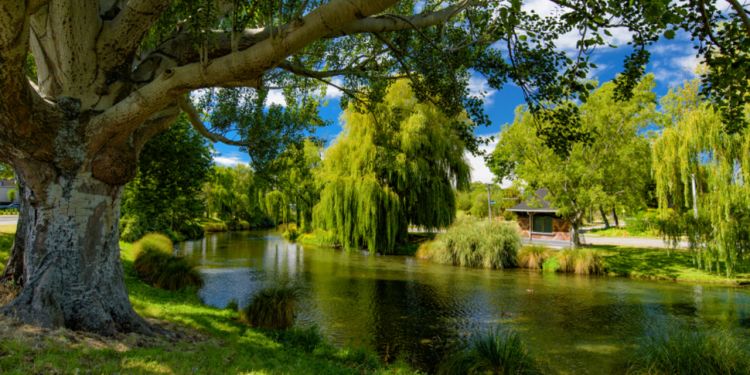
Accommodation in Christchurch
Christchurch is the largest city in the South Island and the second largest in the country, home to almost 400,000 people. The city was struck by a ...
Leisure, Culture, and Things to Do in Christchurch
Christchurch offers a rich blend of cultural attractions, outdoor adventures, and social activities. The city's post-earthquake reinvention has created unique spaces for arts, dining, and entertainment, while its natural surroundings provide endless opportunities for exploration.
Cultural Attractions and Museums
The Canterbury Museum, located on the edge of Hagley Park, showcases Māori and European history, Antarctic exploration, and natural history—with free admission for New Zealand residents. The Christchurch Art Gallery Te Puna o Waiwhetū houses an impressive collection of contemporary and traditional artworks in a stunning glass-fronted building. Quake City tells the powerful story of the Canterbury earthquakes through interactive exhibits and personal stories.
The International Antarctic Centre near the airport offers an immersive experience of life in Antarctica, including meeting little blue penguins and experiencing a simulated Antarctic storm. The historic Christchurch Tram offers a scenic tour of the city with live commentary, stopping at 17 locations around the central city.
Outdoor Activities
Hagley Park, covering 165 hectares in the heart of the city, offers walking and cycling paths, sports fields, and the beautiful Botanic Gardens. The Christchurch Gondola takes visitors to the summit of Mount Cavendish for panoramic views of the city, Lyttelton Harbour, and the Southern Alps. The Port Hills offer excellent hiking and mountain biking trails.
Beach lovers can enjoy Sumner Beach and New Brighton Beach, with the latter featuring Australasia's longest pier. Day trips to Akaroa on Banks Peninsula offer French colonial charm and opportunities to swim with Hector's dolphins.
Dining and Nightlife
The Riverside Market is a popular food hall featuring local producers, restaurants, and cafes. New Regent Street, with its colorful Spanish Mission-style architecture, offers boutique shopping and dining. The Tannery in Woolston has transformed a heritage building into a hub for artisan retailers, cafes, and a cinema. For nightlife, the central city offers bars, live music venues, and the Christchurch Casino.
Sources: ChristchurchNZ, Tourism New Zealand
Daily Life in Christchurch: Transport, Culture, and Lifestyle
Daily life in Christchurch combines urban convenience with easy access to nature. The city is compact and navigable, with a growing public transport network and excellent cycling infrastructure. New Zealanders—known as Kiwis—are generally friendly, relaxed, and welcoming to newcomers.
Getting Around
The Metro bus network, operated by Environment Canterbury, serves Greater Christchurch with 29 bus routes connecting suburbs to the city center and major destinations. Core routes run every 10-15 minutes during peak hours. A single adult fare costs NZD 3.00, while a monthly pass is approximately NZD 144. The new Motu Move system allows contactless payment using debit or credit cards on all buses.
Many residents drive, with petrol costing around NZD 2.76 per liter. Christchurch is also one of New Zealand's most cycle-friendly cities, with an expanding network of cycleways connecting major areas. The flat terrain makes cycling a practical commuting option for many.
Healthcare Access
New Zealand has a public healthcare system that provides free or subsidized care to citizens and permanent residents. Work visa holders with visas valid for two years or more are generally eligible for public healthcare. The Accident Compensation Corporation (ACC) covers all residents and visitors for accidental injuries at no cost. Private health insurance is recommended for faster access to specialists and elective procedures. Christchurch Hospital is the South Island's largest public hospital, while private facilities like St George's Hospital offer additional services.
Climate and Lifestyle
Christchurch has a temperate climate with four distinct seasons. Summers (December-February) are warm with temperatures of 20-25°C, while winters (June-August) are cool with temperatures of 1-12°C and occasional frosts. The city enjoys approximately 2,100 hours of sunshine annually. Outdoor activities are a way of life here, from beach visits and hiking to skiing in nearby resorts like Mt Hutt.
Sources: Metro Christchurch, Health New Zealand
Cost of Living in Christchurch: Budget Planning for Expats
Christchurch offers a relatively affordable cost of living compared to other major cities in developed countries. While housing costs have risen in recent years, everyday expenses remain reasonable, and the quality of life is high. Planning your budget carefully will help ensure a comfortable transition.
Monthly Budget for a Single Person
The following table provides estimated monthly costs for a single person living in Christchurch.
Category | Estimated Cost (NZD) |
Rent (1-bedroom, outside center) | 1,684 |
Utilities (electricity, water, internet) | 350 |
Groceries | 400-500 |
Transport (monthly pass) | 144 |
Health Insurance | 100-200 |
Leisure and Dining | 300-400 |
Total (Estimated) | 2,978 - 3,278 |
Monthly Budget for a Family of Four
Families should budget for larger accommodation, school fees, and additional household expenses.
Category | Estimated Cost (NZD) |
Rent (3-bedroom, outside center) | 2,633 |
Utilities (electricity, water, internet) | 450 |
Groceries | 800-1,000 |
Transport (car costs/fuel) | 300-400 |
International School (per child/month) | 1,375 |
Health Insurance (family) | 300-400 |
Leisure and Dining | 500-600 |
Total (Estimated) | 6,358 - 6,858 |
Sources: Numbeo, Christchurch City Council
In Short
Christchurch offers expatriates a unique opportunity to enjoy an exceptional quality of life in a city that has reinvented itself with creativity and resilience. From its innovative economy and world-class education to its stunning natural surroundings and welcoming community, the Garden City provides the perfect balance of urban amenities and outdoor lifestyle. Whether you're seeking career opportunities in emerging tech sectors, quality education for your family, or simply a safer, more relaxed pace of life, Christchurch delivers on all fronts.
The city's affordability compared to other major destinations, combined with its easy access to mountains, beaches, and wilderness, makes it an attractive choice for professionals and families alike. Join the growing international community that has discovered why Christchurch is one of the best places to call home.
Ready to start your Christchurch adventure? Connect with other expats and get insider advice on the Expat.com Christchurch forum!
We do our best to provide accurate and up to date information. However, if you have noticed any inaccuracies in this content, please contact us.


Essential services for your expat journey



